
Why More People Are Using iPhone Air Without a Case
The iPhone Air is designed to be thin, light, and premium in hand. But the moment you put on a traditional case, that experience changes completely.
That’s why more users in 2026 are choosing a different approach: 👉 Going caseless
This growing trend—often called the “caseless lifestyle”—is all about keeping the original feel of the iPhone without adding bulk.
But it raises a real concern: Can you actually protect your iPhone Air without using a case?

What Changes When You Go Caseless
Using an iPhone 17 Air without a case has some clear trade-offs.
Advantages
- The phone feels lighter
- No added thickness
- The original design is fully visible
Disadvantages
- The back is more exposed to scratches
- The camera bump can make the phone unstable on flat surfaces
- MagSafe accessories may feel less stable in some cases
For most users, the issue is not one single problem, but the combination of small annoyances over time.

A Two-Part Approach to Caseless Protection
Instead of using a full case, some users prefer separating protection into different parts.
This approach focuses only on the areas that need protection.

1. Back Surface Protection
One concern when going caseless is scratches on the back of the device.
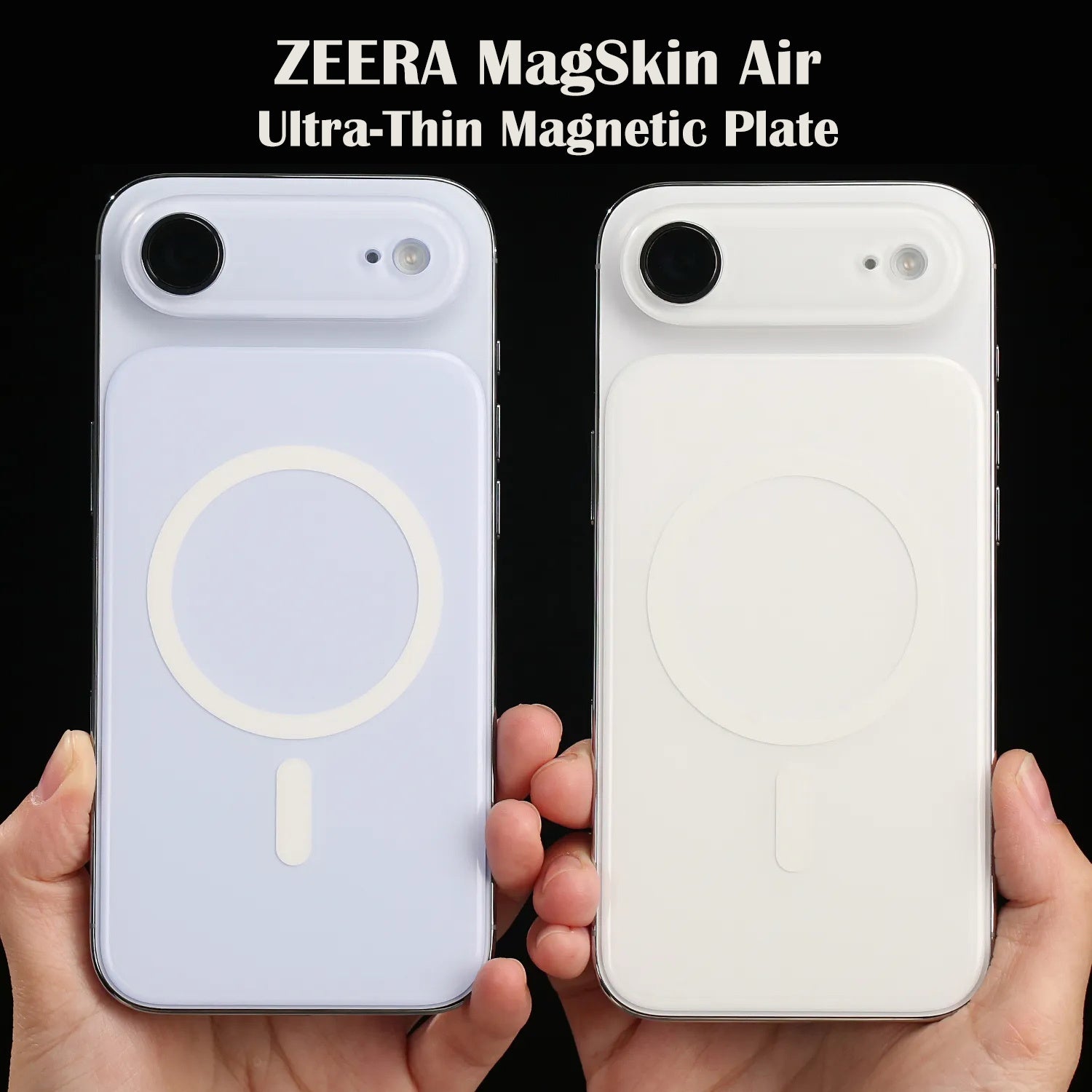
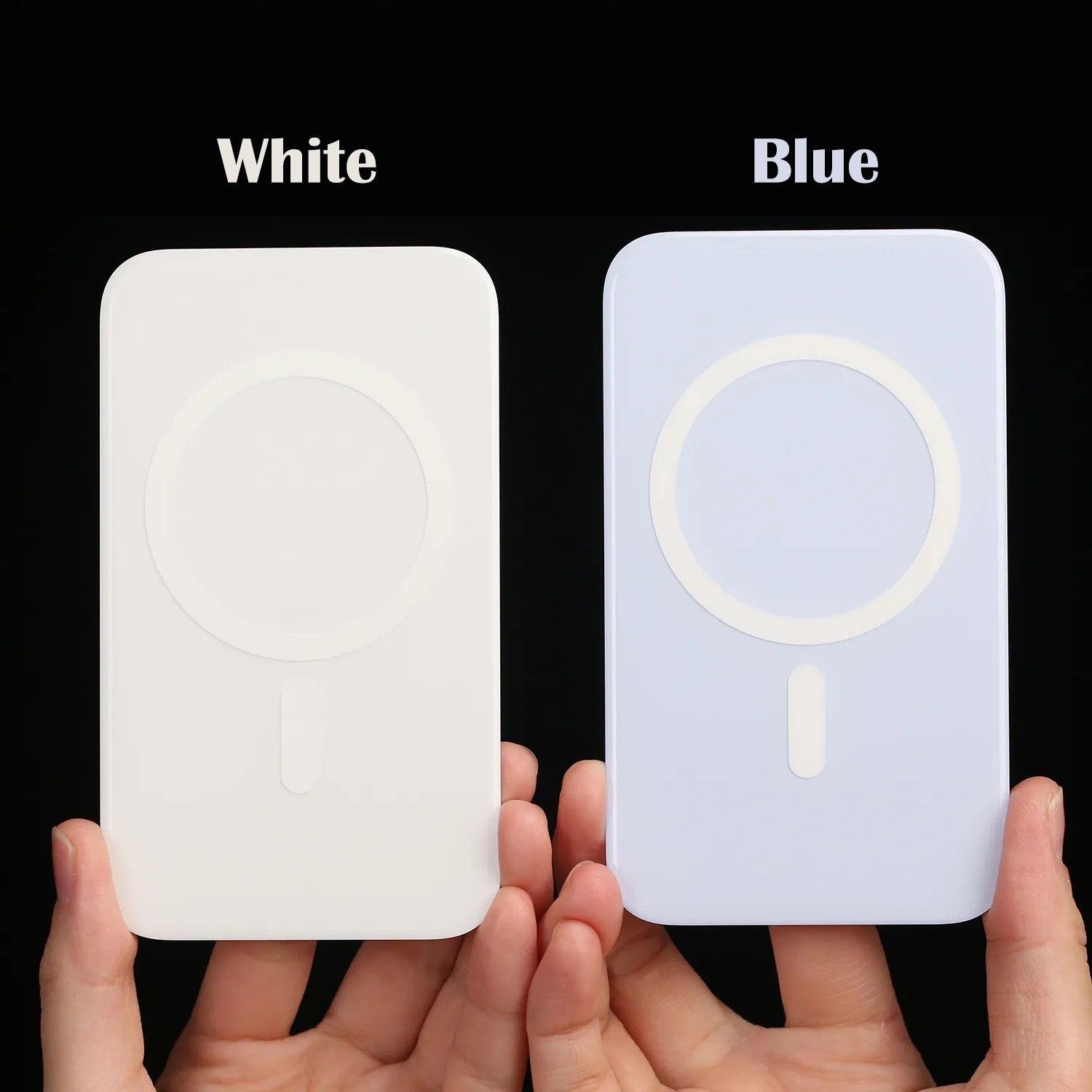
ZEERA MagSkin Air
A Ultra-Thin Magnetic MagSafe Back Plate can help reduce this risk without changing the feel of the phone.
It does not fully cover the phone like a case, but instead adds a minimal layer of protection to the back surface.

2. Camera Stability and Wobble Issue
Another common issue is the camera bump.
When the phone is placed on a flat table, it does not sit evenly and tends to wobble.
This affects everyday use more than most people expect, especially when typing or tapping on the screen while the phone is on a desk.
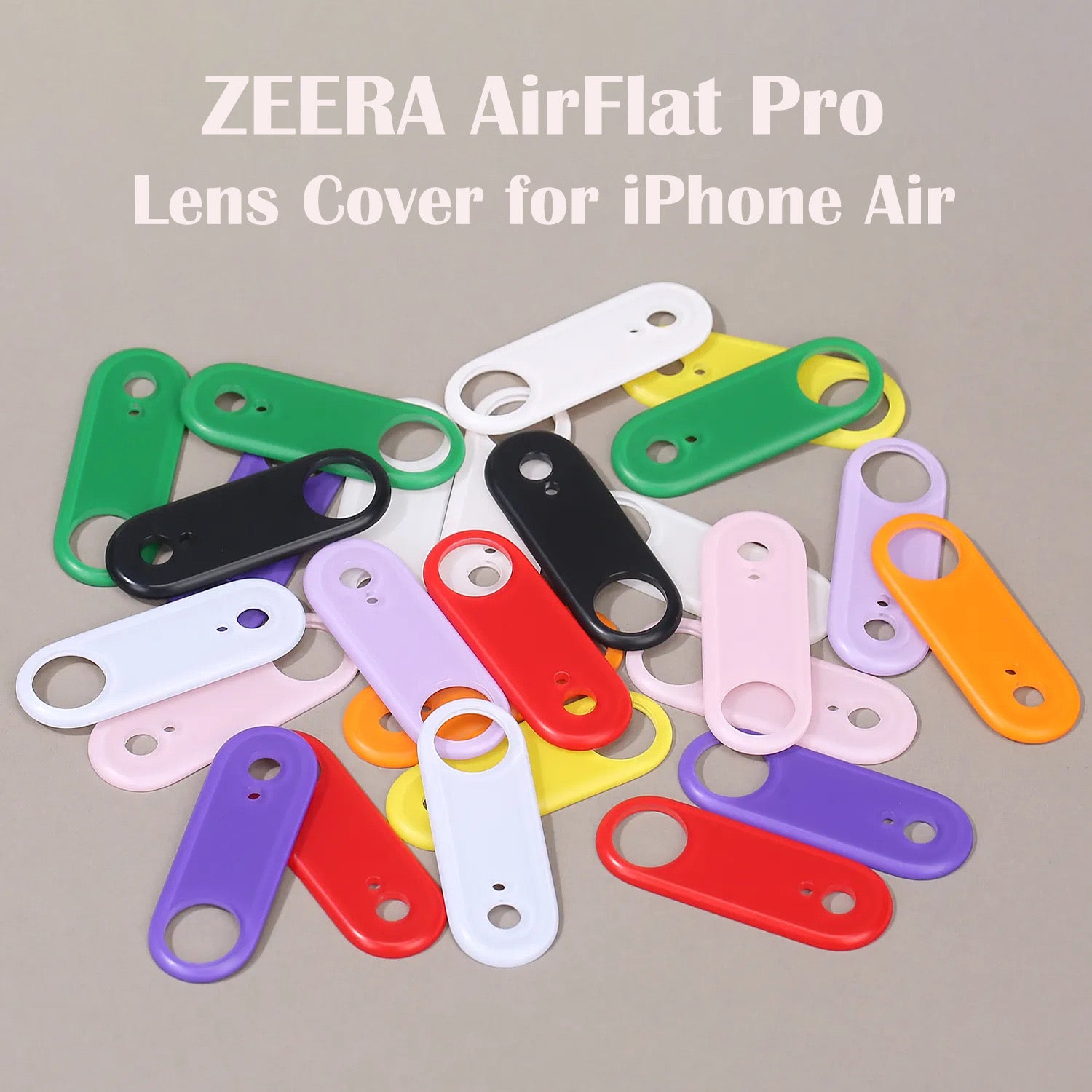
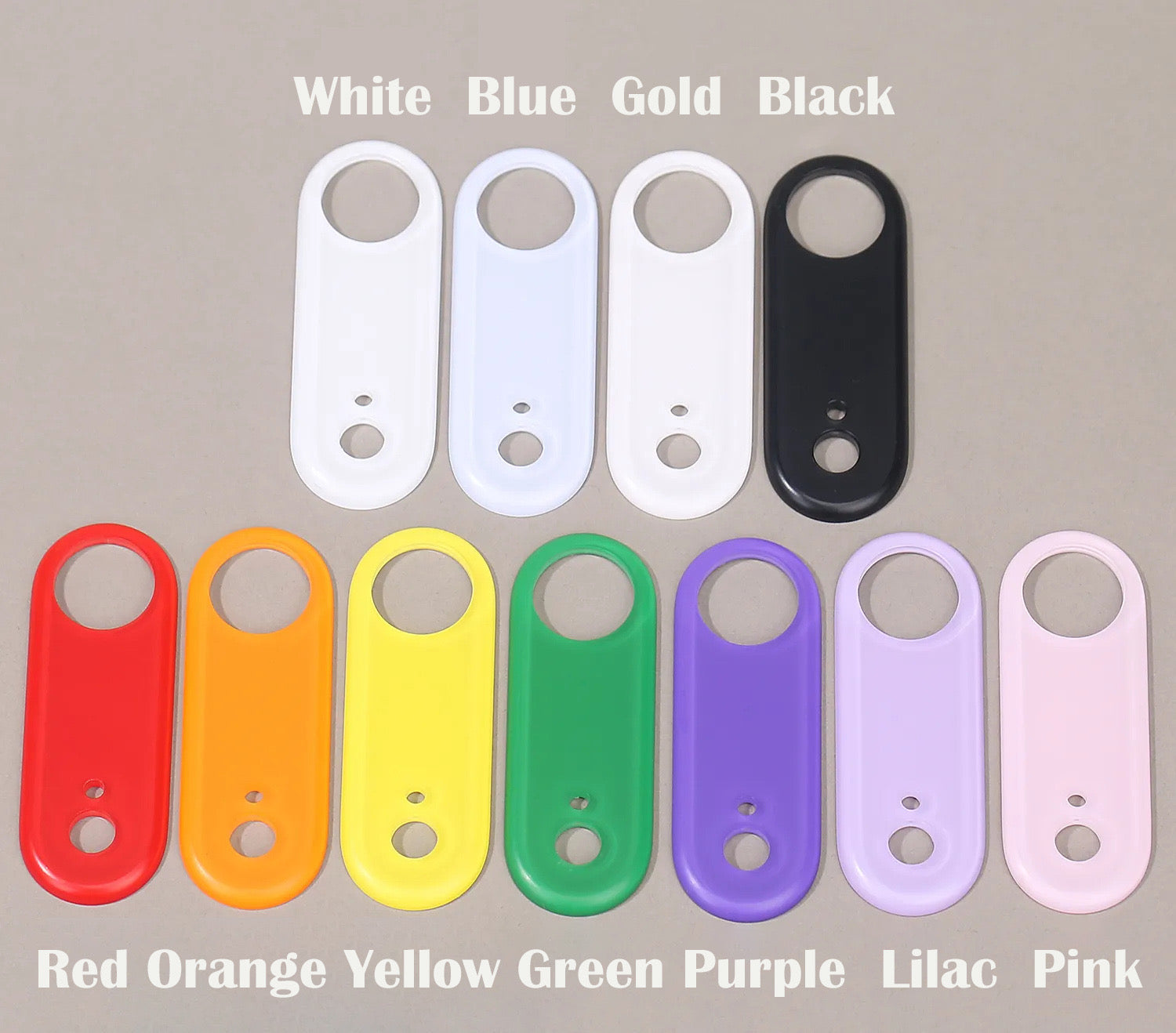
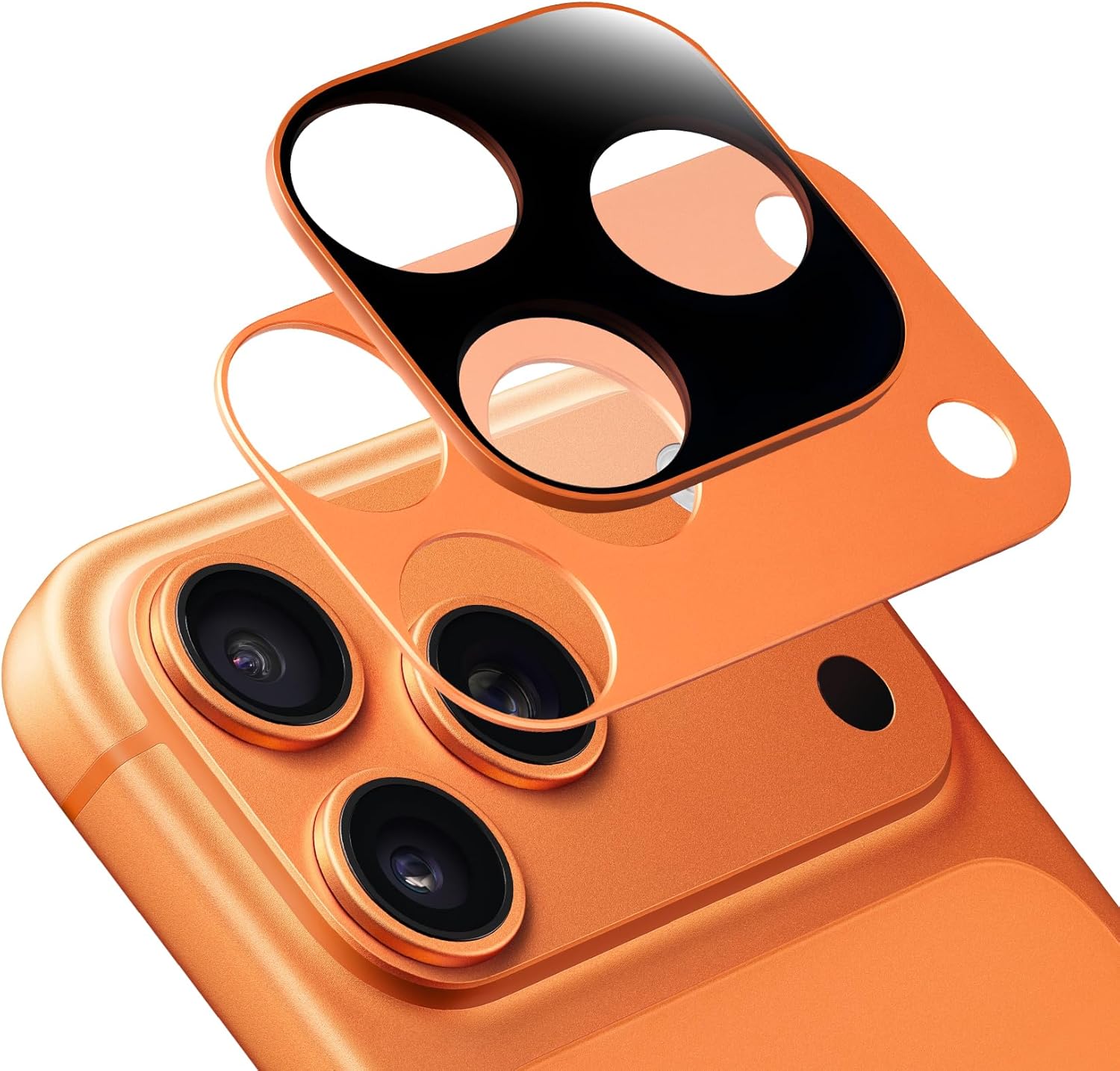
ZEERA AirFlat Pro
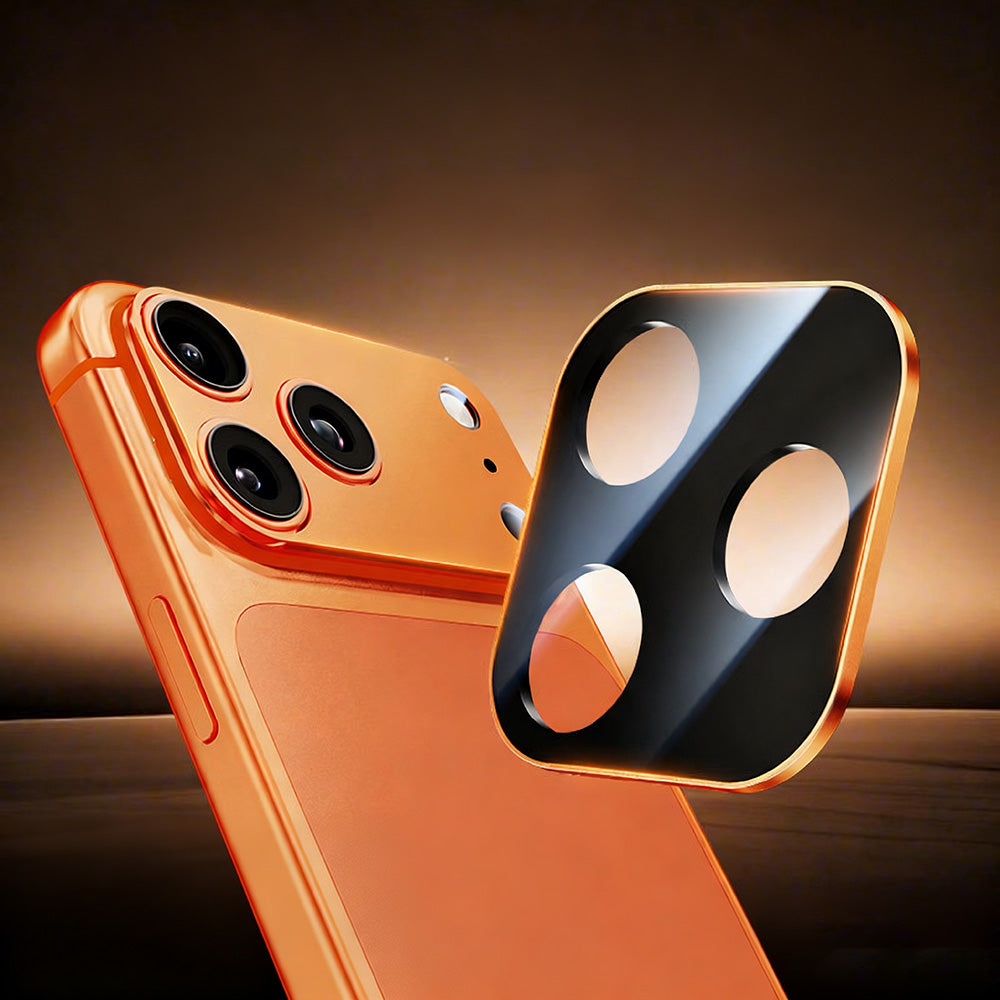
A Lens Cover can reduce this issue by making the back of the phone more stable when placed down.
It also adds protection to the camera area itself.


A Simple Caseless Setup for iPhone 17 Air
For users who want to use the iPhone Air without a case, a combination approach is often used:
- A Ultra-Thin Magnetic MagSafe Back Plate
- a flat camera lens cover
This setup does not fully enclose the phone, but it addresses the two main concerns: scratches and wobble.


Is Going Caseless Practical?
It depends on how the phone is used.
For users who prioritize feel and design, going caseless is already common.
The main requirement is not removing protection completely, but choosing what to protect.


Final Thoughts
Using an iPhone Air without a case is no longer unusual.
The more relevant question for many users is how to reduce risk while keeping the original design of the device.
Different users solve this in different ways, but most setups focus on the same two areas: surface protection and camera stability.