AirPods Max 1 vs AirPods Max 2: 7 Key Features Compared and Should You Upgrade?

Apple has finally refreshed its premium over-ear headphones with the release of AirPods Max 2. But instead of a complete redesign, Apple focused on something more important: performance, intelligence, and real-world usability.

So how does it compare to the original AirPods Max?

In this guide, we break down every meaningful difference, from sound quality and noise cancellation to AI-powered features—so you can decide if upgrading in 2026 is actually worth it.

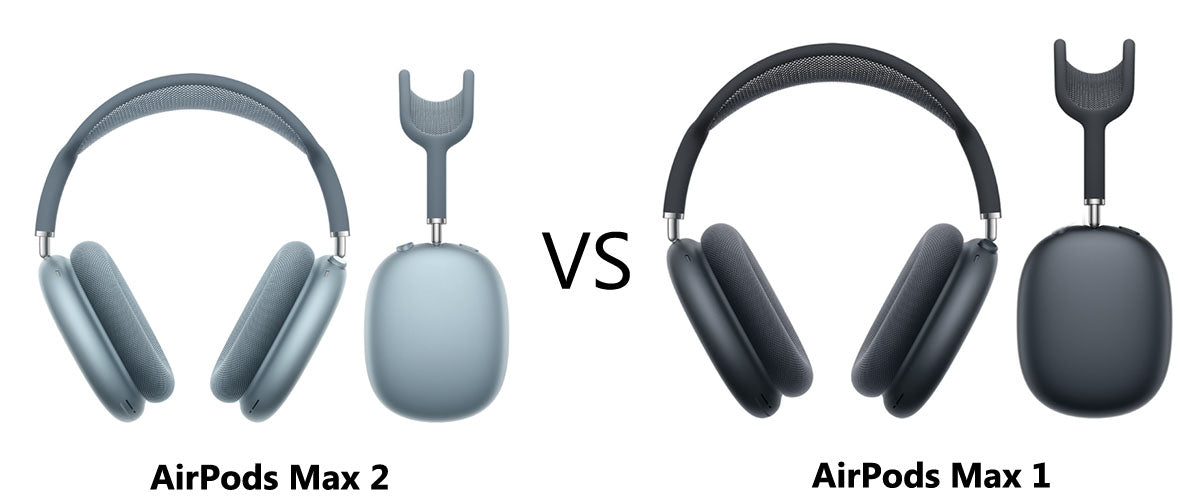
AirPods Max (1st Gen) vs. AirPods Max 2 (2026) Comparison

Feature AirPods Max (2020) AirPods Max 2 (2026)
Processor H1 Chip (each ear cup) H2 Chip (each ear cup)
Active Noise Cancellation Pro-level ANC Up to 1.5x More Powerful
Transparency Mode Standard Adaptive Transparency
Adaptive Audio ❌ No ✅ Yes
Conversation Awareness ❌ No ✅ Yes
Live Translation ❌ No ✅ Yes
Camera Remote ❌ No ✅ Yes
Bluetooth Bluetooth 5.0 Bluetooth 5.3
Audio Quality Standard Audio Native Lossless Support
Battery Life (with ANC) Up to 20 hours Up to 20 hours
Price $549 $549 (Same Price)
ZEERA Dopamine Collection
ZEERA MagFlat Deco
ZEERA MagFlat Deco
Camera Leveling Cover for iPhone 17 Pro / Pro Max / Air | Make Your iPhone Perfectly Flat
ZEERA ColorPop Pro
ZEERA ColorPop Pro
Dopamine Color-Block Protective Case for iPad Air / iPad Mini / iPad Pro

1. H1 vs H2 Chip: The Upgrade That Changes Everything

The most important difference between AirPods Max 2 and AirPods Max is the shift from the H1 chip to the newer H2 chip.

On paper, that might sound like a routine upgrade, but in practice it changes how the headphones behave. The original model still performs well, but it relies more on manual control.

With the H2 chip, AirPods Max 2 introduces a more adaptive experience, where features like smarter noise control and real-time adjustments happen automatically in the background. It’s less about raw speed and more about making the headphones feel aware of what you’re doing.

2. Smart Audio & Conversation Awareness

With AirPods Max 2, Apple introduces Adaptive Audio and Conversation Awareness, making listening far more seamless.

Unlike AirPods Max, which requires manual switching between ANC and Transparency—and pausing music when talking—the new model automatically adjusts noise control based on your environment.

Even better, when you start speaking, it instantly lowers your music and enhances surrounding voices. 👉 No buttons, no interruptions—just a smarter, hands-free listening experience.

3. Siri Interaction & Hands-Free Controls

AirPods Max 2 introduces smarter, more private ways to interact. Unlike AirPods Max, which relies on “Hey Siri” or physical buttons, the new model supports head gesture controls—you can nod to accept calls or shake your head to decline, avoiding awkward voice commands in public.

It also adds a remote camera control feature, letting you use the Digital Crown as a shutter button for your iPhone.


4. Active Noise Cancellation: Noticeably More Powerful

Noise cancellation was already a strong point of AirPods Max, but Apple has taken it further with the second generation, this is one of the most noticeable upgrades in daily use.

  • Up to 1.5× better ANC performance

  • Improved environmental noise filtering

  • More natural Transparency mode

2026 Best MagSafe Case for iPhone 17 Pro Max

ZEERA MagDefender Pro

Zeera MagDefender Pro

Shop Now
ZEERA MagWeave Pro

Zeera MagStand Pro

Shop Now
ZEERA MagSplit Pro

ZEERA MagSplit Pro

Shop Now
ZEERA Aluminum Alloy

ZEERA MagRipple Pro

Shop Now

5. Sound Quality: Cleaner, Not Completely Different

When it comes to sound quality, Apple didn’t completely reinvent the tuning, and that’s probably intentional. AirPods Max already offered a well-balanced and detailed sound profile, and the newer model builds on that foundation rather than replacing it.

With AirPods Max 2, audio comes across as slightly cleaner and more controlled, with better separation between instruments and improved clarity at higher volumes. 

6. USB-C + Lossless Audio (Quietly a Big Deal)

One of the more practical upgrades with AirPods Max 2 is the move to USB-C, replacing the Lightning port found on AirPods Max.

While that change alone is convenient, the bigger improvement is how it enables proper wired audio support. With a direct USB-C connection, the newer model can deliver lossless audio and lower latency, making it more useful for tasks like video editing, gaming, or high-quality music listening. It’s the kind of upgrade that might not stand out at first, but becomes increasingly valuable over time.

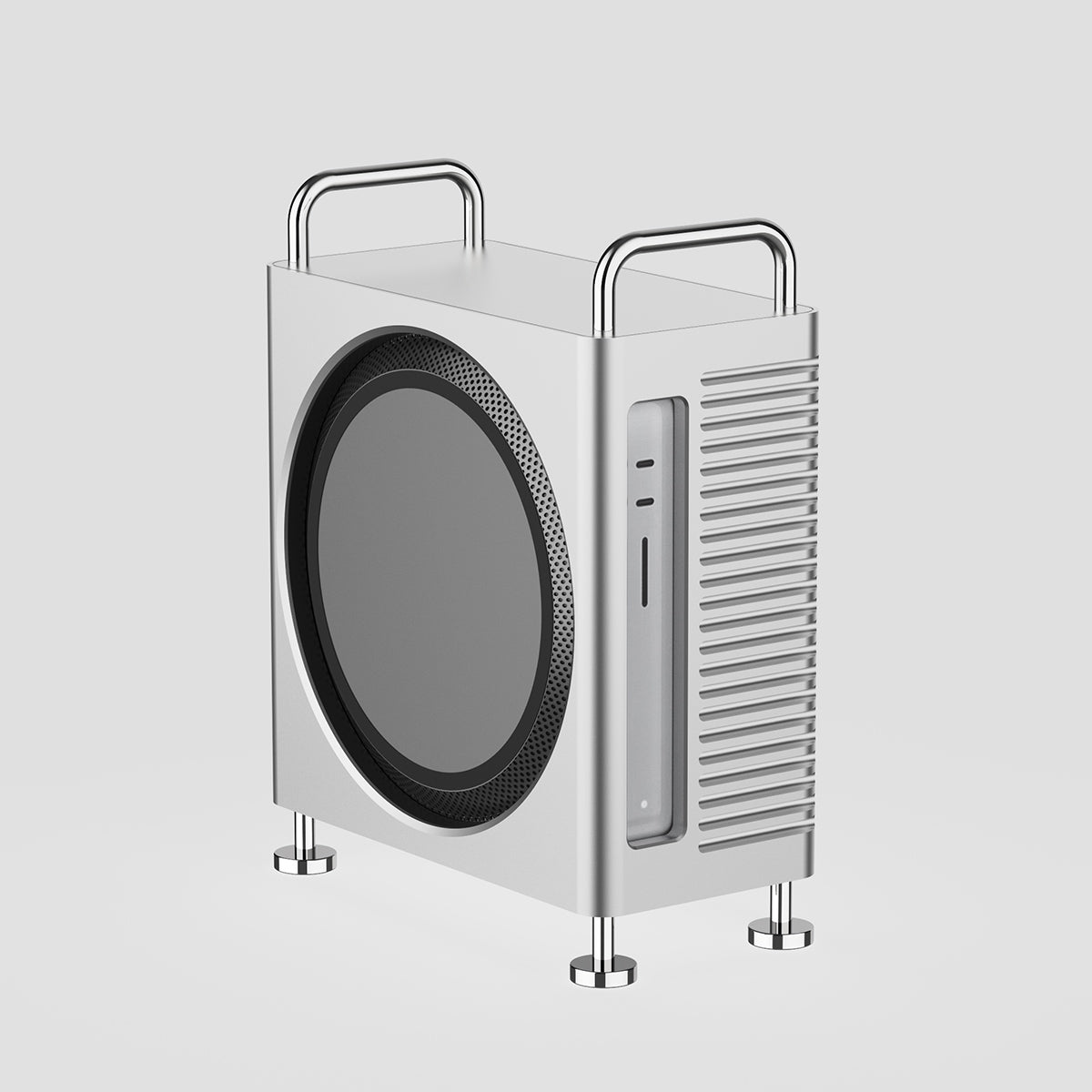
"Mac mini Pro" enclosure for M4 Mac mini and Mac Studio
ZEERA MacForge Gen1
ZEERA MacForge Gen1
For Mac Mini M4 & M4 Pro
ZEERA MacForge Studio
For Mac Studio M1/M2/M3 Ultra/M4 Max

7. Connectivity Improvements

Connectivity is another area where the differences are subtle but meaningful. AirPods Max 2 upgrades to Bluetooth 5.3, compared to Bluetooth 5.0 on AirPods Max, resulting in a more stable connection and slightly better efficiency.

In everyday use, this translates to fewer dropouts, smoother switching between devices, and improved performance when watching videos or playing games. It’s not the kind of feature you actively notice—but it contributes to a more reliable overall experience.

Should You Upgrade in 2026?

  • For owners of the 2024 USB-C AirPods Max:

    • Design, battery life, and overall sound are largely similar.

    • Main upgrades are the H2 chip and smarter adaptive features.

    • If you often switch modes, take calls, or want hands-free interaction, AirPods Max 2 can feel like a meaningful improvement.

    • If your current headphones already satisfy your listening needs, upgrading may not be necessary.

  • For first-time AirPods Max buyers:

    • AirPods Max 2 offers stronger noise cancellation, smarter AI features, and future-proof connectivity.

    • Buying the second generation gives you the full modern experience rather than an older platform.

    • It’s the recommended choice for anyone looking to enter Apple’s high-end headphone ecosystem.

FAQ 

Does AirPods Max 2 support lossless audio?

Yes, AirPods Max 2 supports 24-bit / 48kHz lossless audio via USB-C wired connection. Wireless playback is still compressed due to Bluetooth limitations.


What is the battery life of AirPods Max 2?

AirPods Max 2 offers up to 20 hours of listening time, the same as the original AirPods Max. This includes active noise cancellation and spatial audio enabled.


Is AirPods Max 2 worth upgrading from AirPods Max?

It depends. If you want better noise cancellation, AI features, and USB-C wired audio, then yes. Otherwise, the upgrade may not feel essential for casual users.


Does AirPods Max 2 have better noise cancellation?

Yes. Apple claims up to 1.5× improved active noise cancellation, with better real-world performance in noisy environments.


Is the design different on AirPods Max 2?

No. The design remains almost identical, including the controversial Smart Case.

Conclusion

AirPods Max 2 is less about flashy redesigns and more about refining the experience where it counts. With the H2 chip, smarter adaptive audio, hands-free conversation awareness, improved noise cancellation, and USB-C wired support, it brings meaningful upgrades for both new buyers and users seeking a smarter, more seamless experience. While existing owners of the 2024 USB-C AirPods Max may find some features incremental, first-time buyers get the full benefits of Apple’s latest innovations. Ultimately, AirPods Max 2 shows that Apple’s focus is on making headphones intelligent, practical, and effortless to use, rather than just changing how they look.


ZEERA WIRELESS
Guichang Chen · ✓ Verified
Tech Writer & Apple Enthusiast
Guichang Chen is a tech writer and Apple enthusiast who covers the latest developments in iPhone, iOS, and AI technology. With a focus on accurate reporting and clear analysis, he provides insights into Apple product rumors, software updates, and emerging tech trends.
⚠️ Reposting Notice: Please properly credit Guichang Chen · ZEERA WIRELESS when sharing or republishing this article.

Einen Kommentar hinterlassen