Updated: August 25, 2026
Quick Answer: Apple’s new Mac mini with the M6 chip starts at $899 in the United States, or $74.91 per month for 12 months with eligible Apple Card Monthly Installments. Pre-orders opened on August 25, 2026, and availability begins September 22.
The standard M6 model has a 12-core CPU, 12-core GPU, 16GB of starting unified memory, Wi-Fi 7, Bluetooth 6 and 2.5Gb Ethernet. Most buyers should choose the M6 model with at least 512GB of storage. Buyers who need more than 32GB of memory, Thunderbolt 5 or heavier professional performance should consider the Mac mini with M5 Pro instead.
Status: Officially announced by Apple. Pricing, specifications, performance claims and release dates in this guide come from Apple’s official announcement and technical specifications.

Mac mini M6 at a glance
- Pre-order date: August 25, 2026
- Release date: September 22, 2026
- Starting price: $899 in the U.S.
- Education price: From $799 in the U.S.
- Processor: Apple M6
- CPU and GPU: 12-core CPU and 12-core GPU
- Starting memory: 16GB unified memory
- Maximum memory: 32GB unified memory
- Storage: 256GB to 2TB SSD
- Wireless: Wi-Fi 7, Bluetooth 6 and Thread
- Rear ports: Three Thunderbolt 4 ports, HDMI and Ethernet
- External displays: Up to three
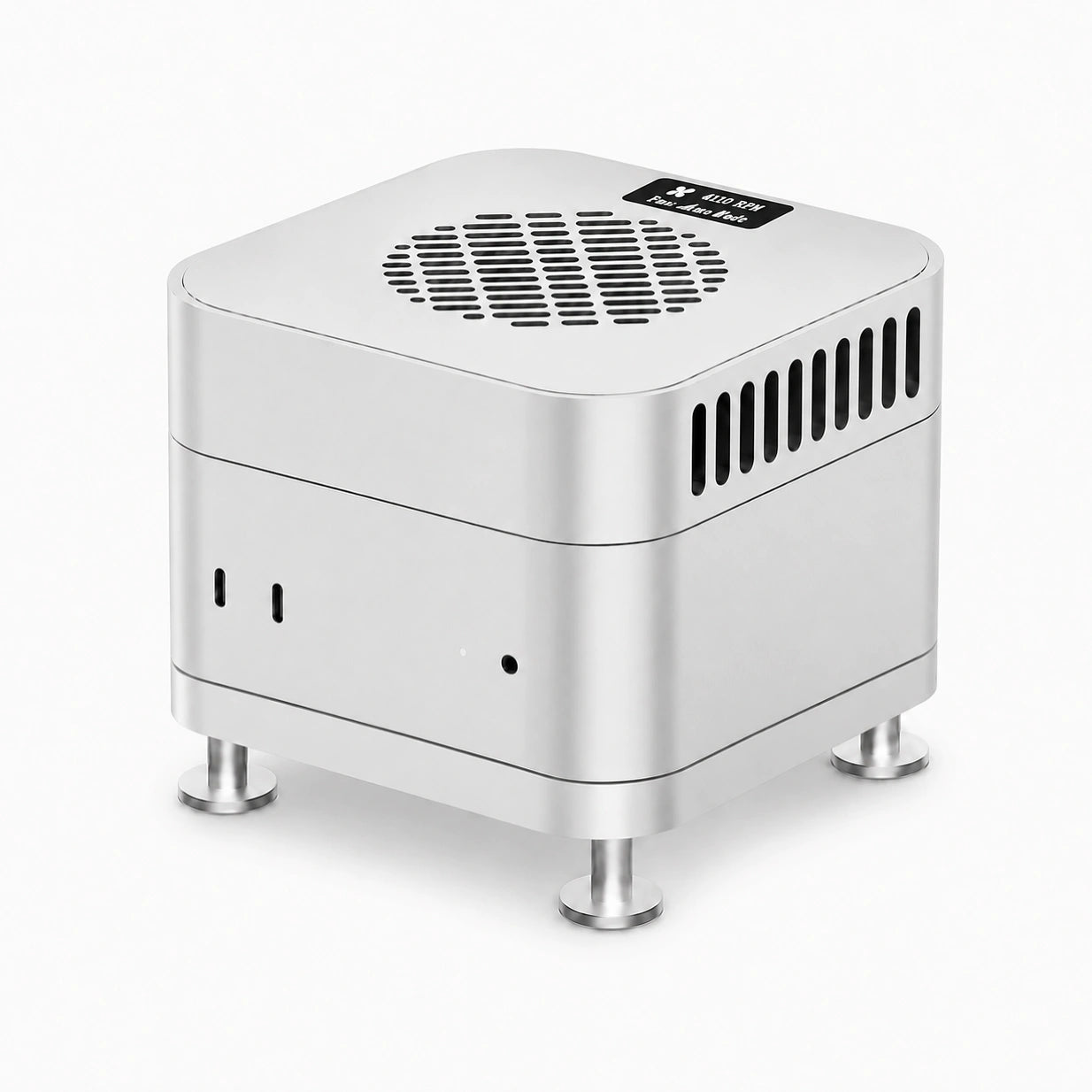
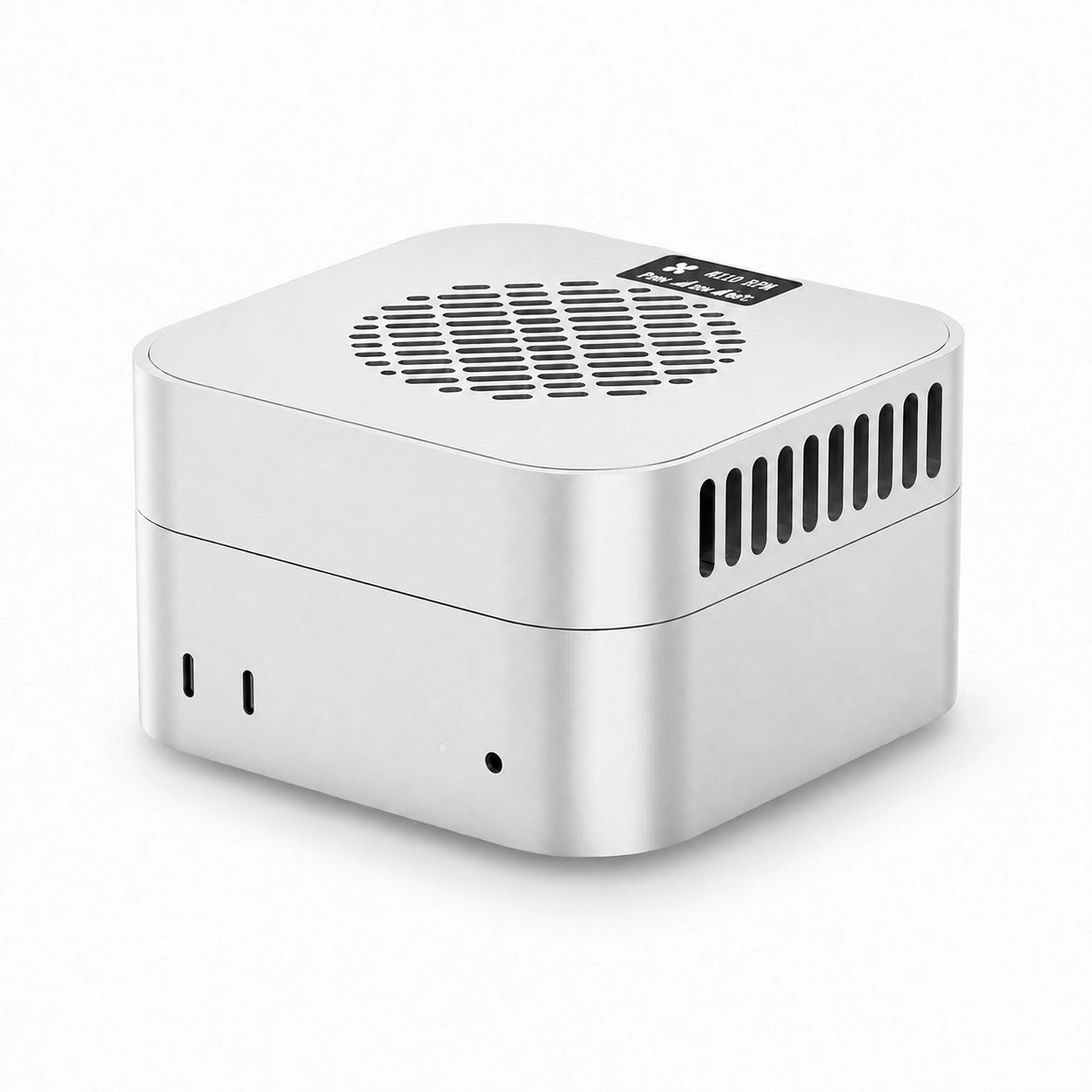
ZEERA MacFrost Pro Active Cooler for Mac Mini
- 30W TEC cooling
- CNC aluminum
- OLED monitoring
- 3 cooling modes
- M6 / M5 Pro / M4

ZEERA MacForge Gen3 CNC Aluminum Mac Mini Case
- Mac Pro grille
- CNC chassis
- Better airflow
- SSD expansion
- Front ports

How much does the Mac mini M6 cost?
The new Mac mini M6 starts at $899 in the United States. Apple also lists a starting payment of $74.91 per month for 12 months through eligible Apple Card Monthly Installments.
Education pricing starts at $799. The more powerful Mac mini with M5 Pro starts at $1,699, or $1,599 with eligible education pricing.
| Model | U.S. starting price | Education price | Best for |
|---|---|---|---|
| Mac mini with M6 | $899 | $799 | Everyday work, coding, photography and general creative use |
| Mac mini with M5 Pro | $1,699 | $1,599 | Large local AI models, 3D work, video production and demanding development |
These are starting prices. Additional memory, larger internal storage and the optional 10Gb Ethernet upgrade increase the final price.
The Mac mini also does not include a display, keyboard or mouse. Buyers moving from a laptop or an all-in-one computer should include those accessories when calculating the complete setup cost.
When can you pre-order the Mac mini M6?
Apple opened Mac mini M6 pre-orders on August 25, 2026, through the Apple Store website and Apple Store app.
Apple says the new Mac mini will begin arriving to customers and appearing in Apple Stores and authorized resellers on September 22, 2026.
Customized memory, storage or Ethernet configurations may receive different delivery estimates. The delivery date displayed during checkout is therefore more relevant than the general September 22 availability date.
You can check current configurations on Apple’s official Mac mini pre-order page.
What are the official Mac mini M6 specifications?
The M6 Mac mini uses a 12-core CPU containing two super cores, four performance cores and six efficiency cores. It also has a 12-core GPU with hardware-accelerated ray tracing and Neural Accelerators.
Apple has added a Dual 16-core Neural Engine for machine-learning and on-device AI workloads. Memory bandwidth reaches up to 170GB/s, depending on the configuration.
| Specification | Mac mini M6 |
|---|---|
| CPU | 12 cores: 2 super, 4 performance and 6 efficiency cores |
| GPU | 12 cores with Neural Accelerators and hardware-accelerated ray tracing |
| Neural Engine | Dual 16-core Neural Engine |
| Memory | 16GB standard; configurable to 24GB or 32GB |
| Memory bandwidth | Up to 170GB/s |
| Storage | 256GB, 512GB, 1TB or 2TB SSD |
| Media engine | H.264, HEVC, ProRes, ProRes RAW and AV1 decode |
| Wireless | Wi-Fi 7, Bluetooth 6 and Thread |
| Ethernet | 2.5Gb standard; configurable to 10Gb |
| Dimensions | 5 × 5 × 2 inches |
| Weight | 1.5 pounds / 0.67kg |
The physical design remains extremely compact. Apple includes the Mac mini and a 1.8-meter power cord in the box.


How much faster is the M6 Mac mini than the M4 model?
Apple says the M6 Mac mini delivers up to 40% faster CPU performance, 2x faster graphics, up to 4x faster AI performance and 2x faster storage than the previous M4 generation.
The M6 CPU and GPU each gain two cores over the M4 configuration used in Apple’s comparison. Neural Accelerators are also built into every GPU core for the first time on Mac mini.
In Apple’s individual workload tests, the M6 Mac mini delivered:
- Up to 4.8x faster LLM prompt processing in LM Studio than M4.
- Up to 1.5x faster Microsoft Excel spreadsheet calculations than M4.
- Up to 2x faster ray-traced gaming performance in Cyberpunk 2077: Ultimate Edition than M4.
These are Apple’s “up to” results from selected configurations and workloads, not a promise that every application will run two or four times faster.
For web browsing, email and ordinary office work, the perceived difference from an M4 Mac mini may be smaller. The larger improvements are more relevant to local AI, GPU-accelerated creative applications, ray-traced games and storage-intensive workflows.
The performance figures used in Apple’s launch video match the company’s official Mac mini M6 announcement. Apple compared the M6 system with an M4 Mac mini equipped with a 10-core CPU, 10-core GPU, 32GB of unified memory and a 2TB SSD.
You can also watch Apple’s official Mac mini M6 video.
What ports does the Mac mini M6 have?
The front of the M6 Mac mini has two USB-C ports supporting USB 3 speeds up to 10Gb/s, along with a 3.5mm headphone jack that supports high-impedance headphones.
The rear includes:
- Three Thunderbolt 4 ports with speeds up to 40Gb/s
- One HDMI port
- One 2.5Gb Ethernet port
- One power connection
The standard Ethernet connection is now 2.5Gb, while 10Gb Ethernet remains a configure-to-order option.
One detail buyers should notice is that the M6 model uses Thunderbolt 4. Thunderbolt 5 is reserved for the M5 Pro version. The Mac mini also has no USB-A port, so older wired accessories may require an adapter or hub.
How many displays can the Mac mini M6 support?
The Mac mini M6 supports up to three external displays through its Thunderbolt and HDMI connections.
A three-display setup can include two displays at up to 6K 60Hz or 4K 165Hz, plus a third display at up to 5K 60Hz through Thunderbolt or 4K 60Hz through HDMI.
For a two-display setup, the M6 Mac mini can drive one display at up to 8K 60Hz, 5K 120Hz or 4K 240Hz, plus a second display at up to 5K 60Hz through Thunderbolt or 4K 60Hz through HDMI.
This makes the standard M6 configuration suitable for most multi-monitor offices, development desks and home studios. Buyers who need Thunderbolt 5 display bandwidth or more demanding professional I/O should consider M5 Pro.
iPhone 18 Pro Max MagSafe Charger & Stand
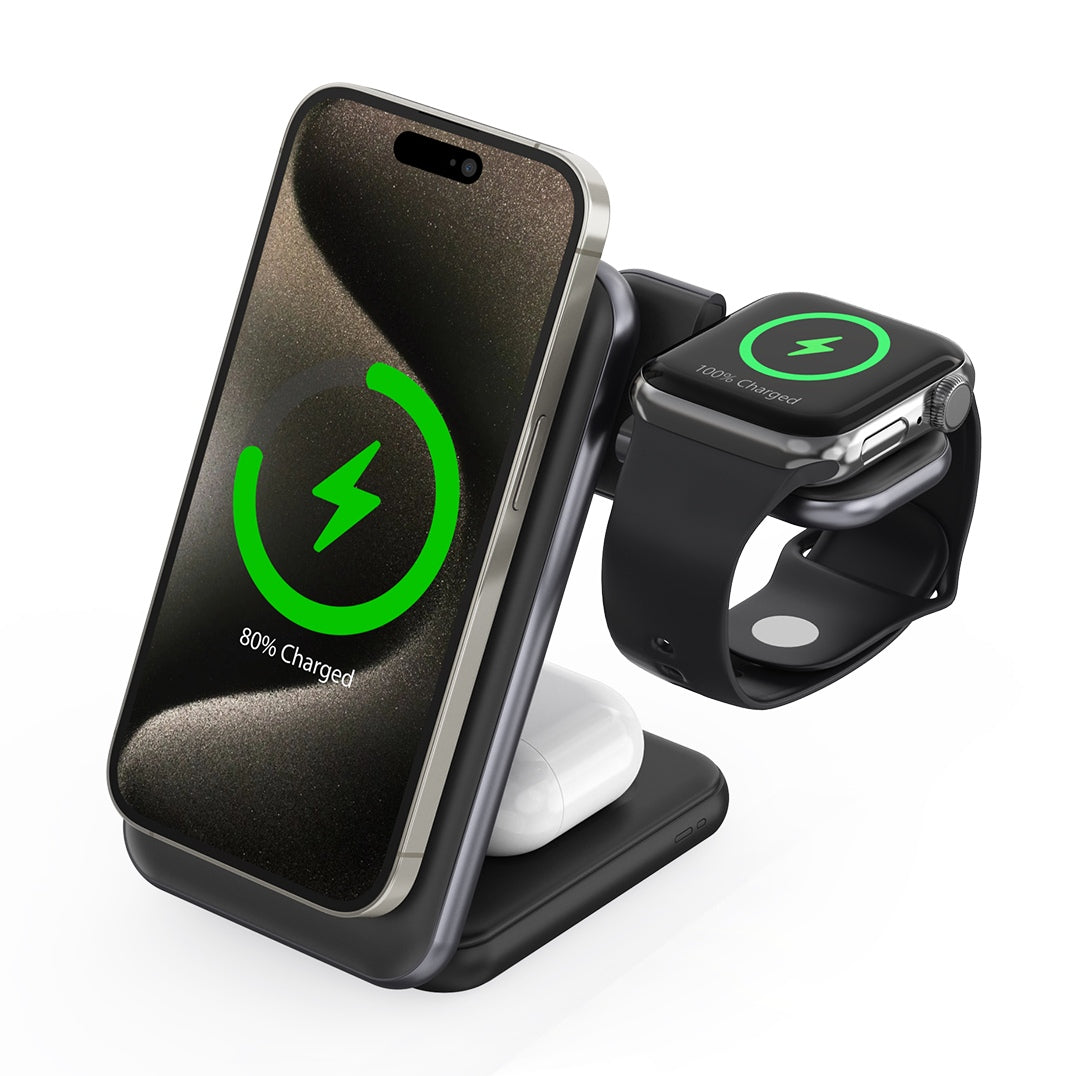
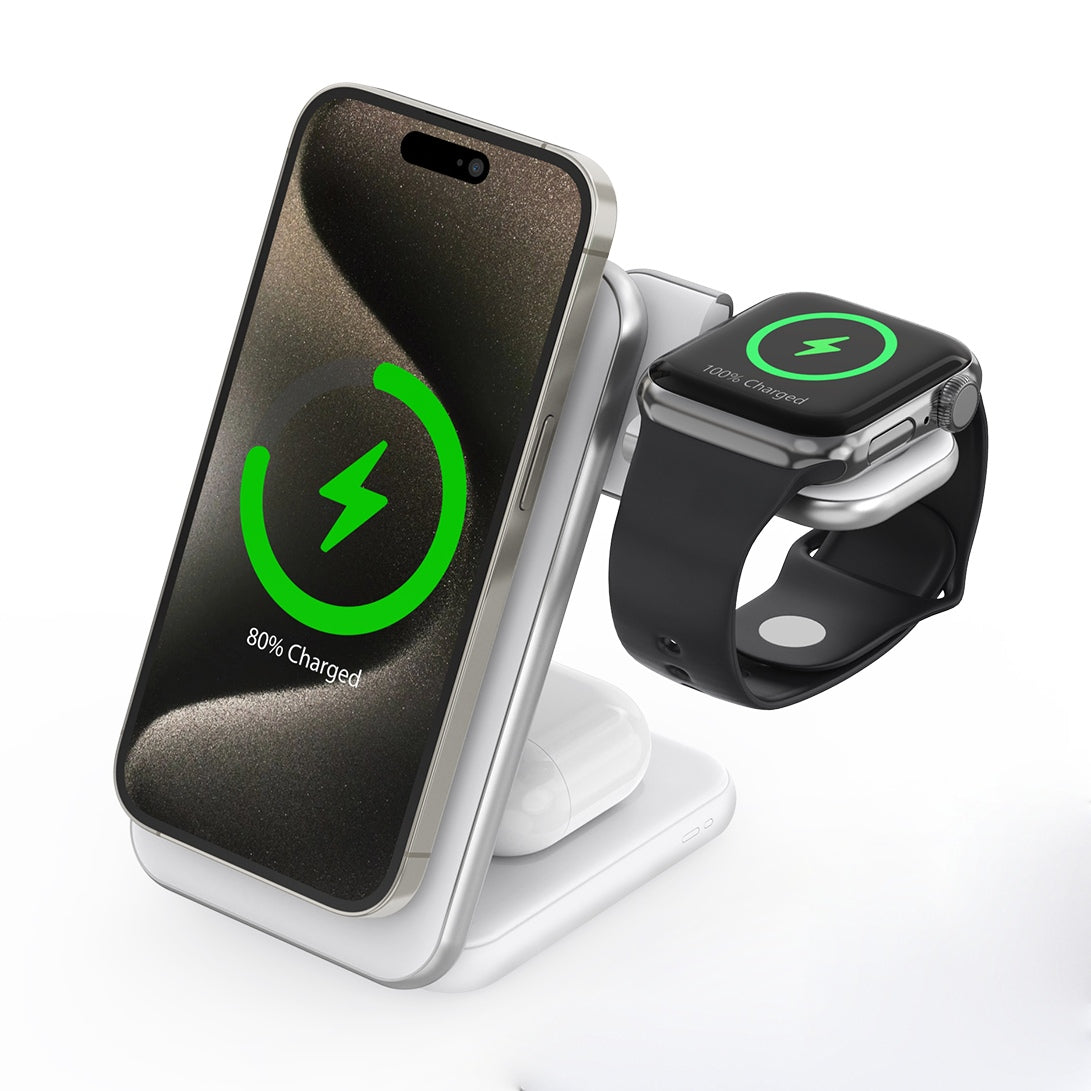
ZEERA MagTri Gen2 Qi2.2 Foldable MagSafe Charger
- 25W Qi2.2
- 3-in-1 fold
- Active cooling
- Travel size
- 3-device ready
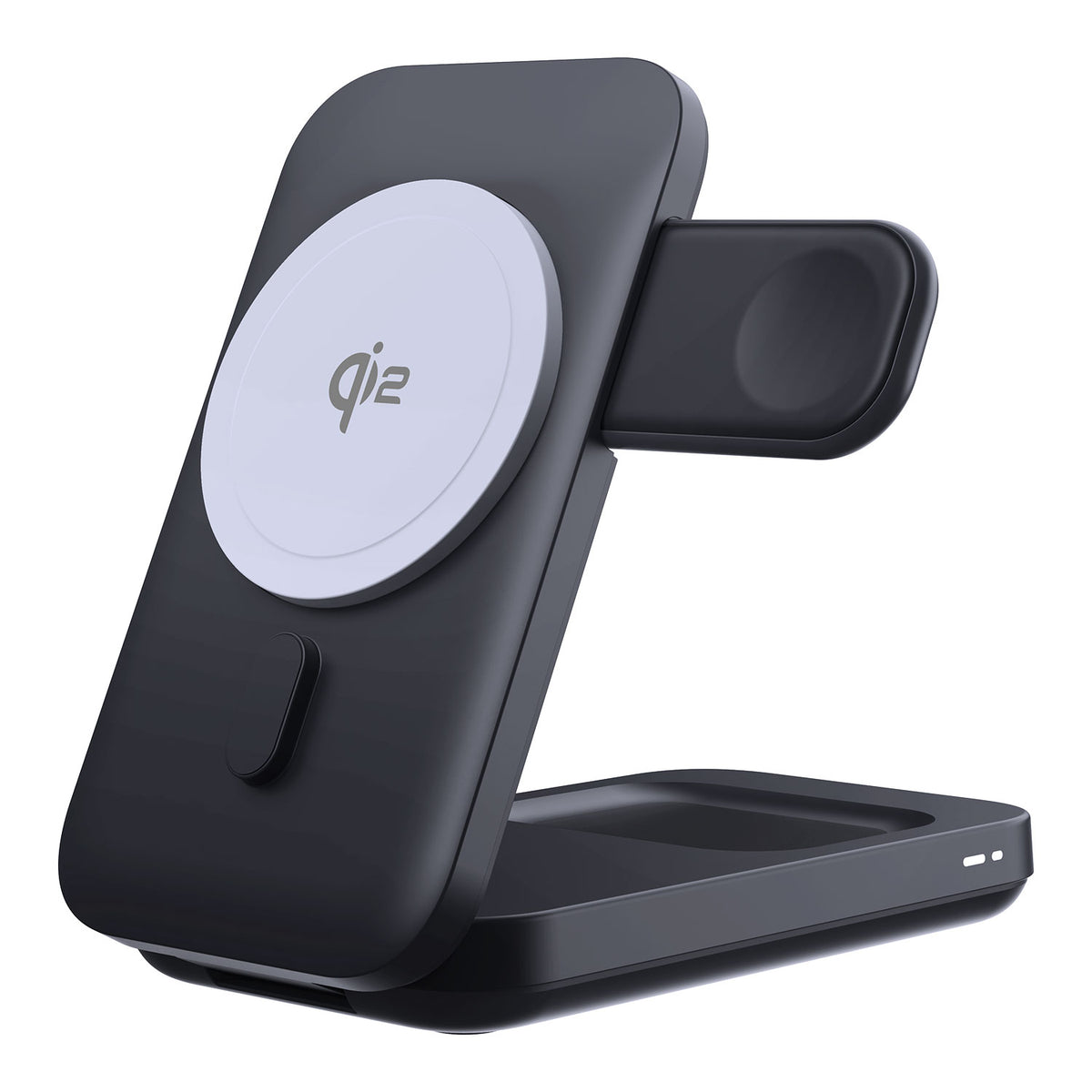
ZEERA MagSion 5-in-1 Dual MagSafe Charger Stand
- Dual MagSafe
- 5-in-1 stand
- Watch charging
- Angle adjust
- Clean setup
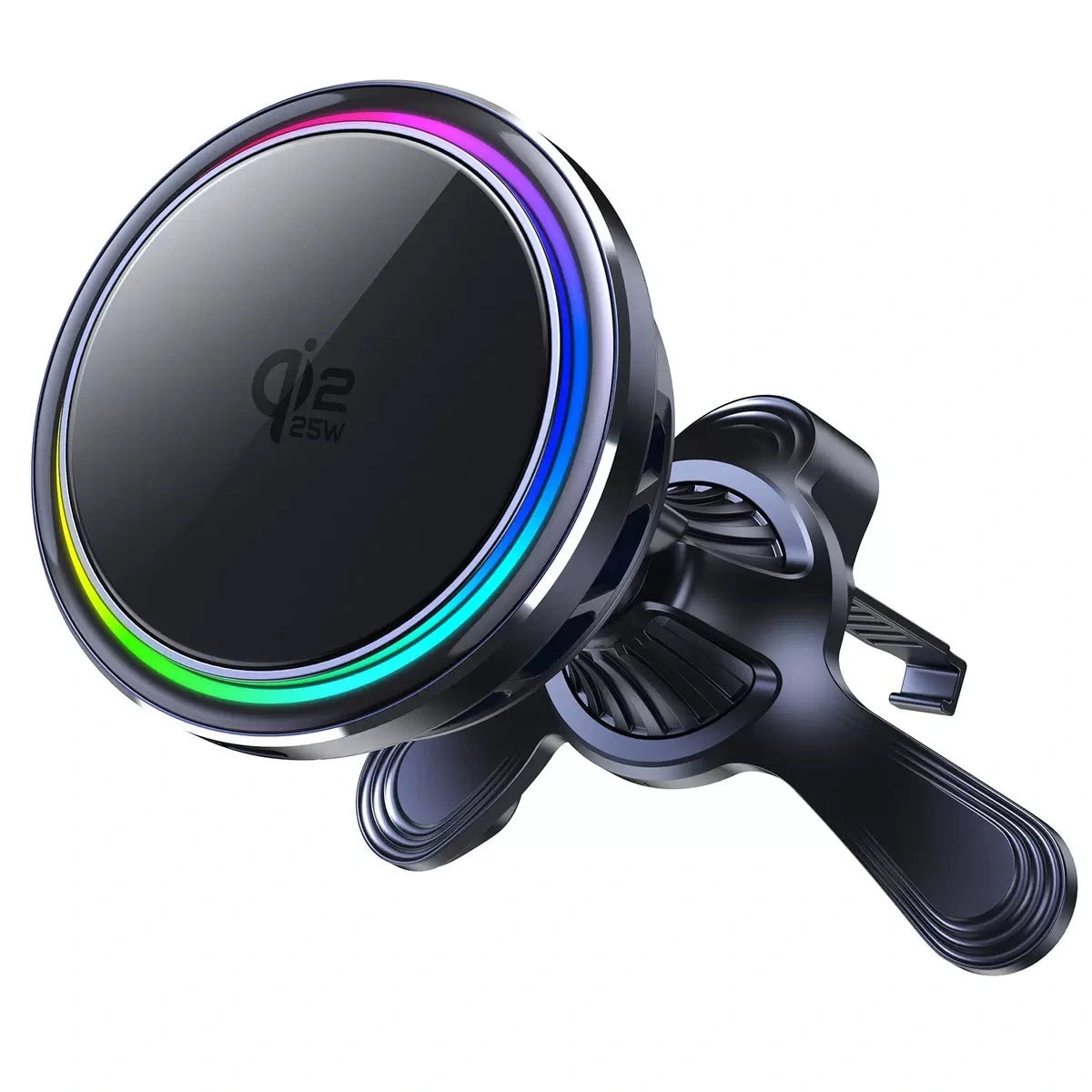
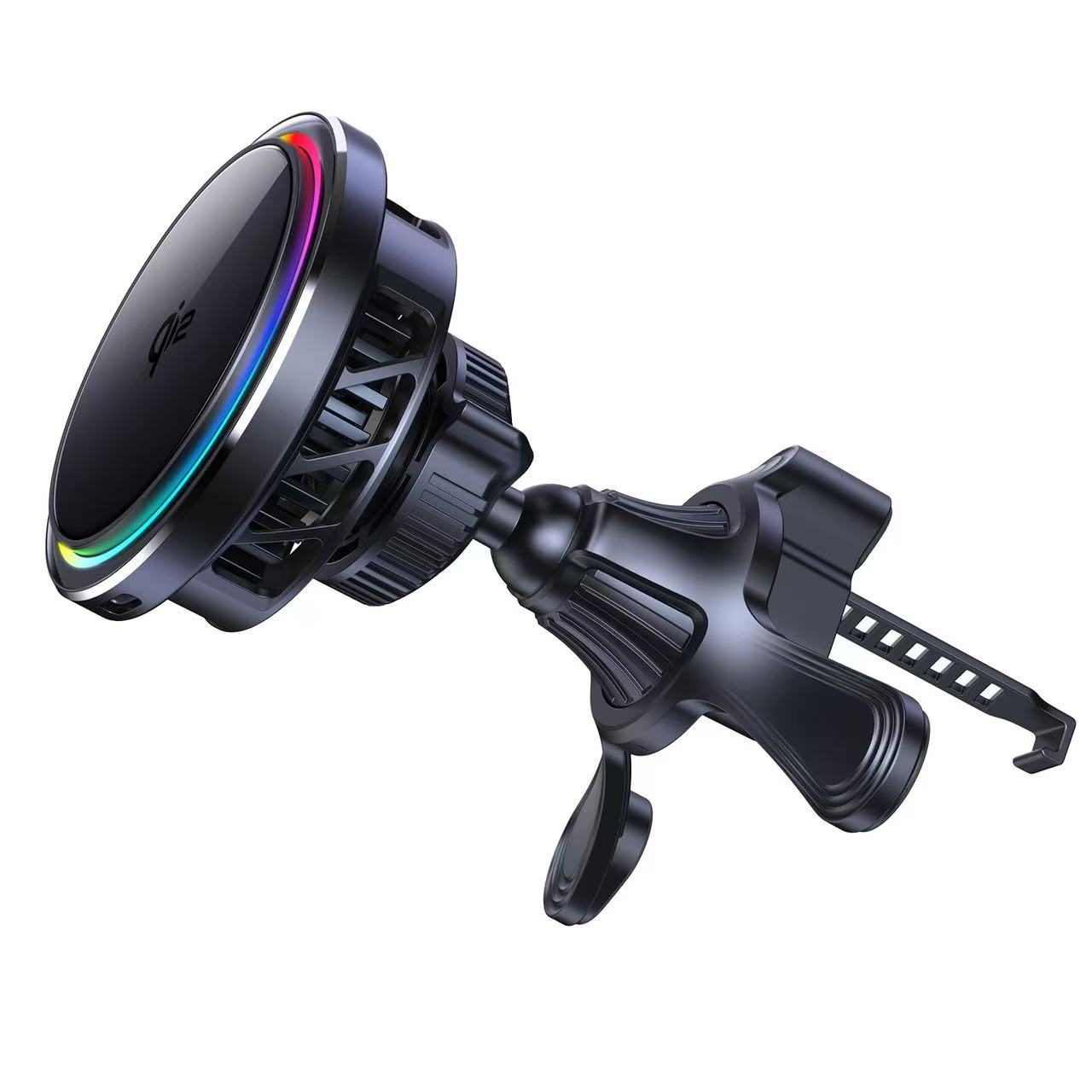
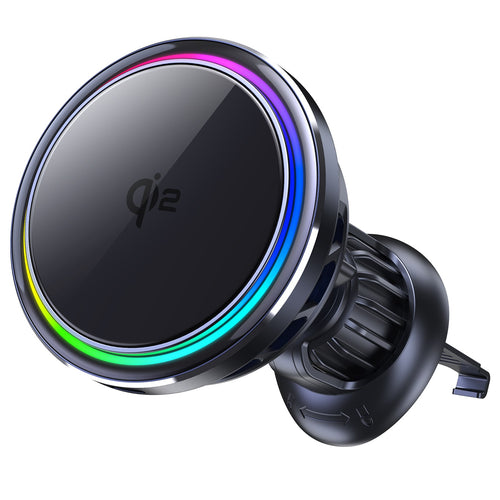
ZEERA SuVolt Gen5 Qi2.2 Active Cooling Car Charger
- 25W Qi2.2
- Active cooling
- Strong magnet
- CarPlay ready
- Heat control
What is the difference between Mac mini M6 and M5 Pro?
The M6 is the better-value choice for most buyers. The M5 Pro is designed for workloads that need more CPU and GPU cores, substantially more memory bandwidth, more unified memory or Thunderbolt 5.
| Feature | M6 | M5 Pro |
|---|---|---|
| Starting price | $899 | $1,699 |
| CPU | 12 cores | 15 cores; configurable to 18 |
| GPU | 12 cores | 16 cores; configurable to 20 |
| Maximum memory | 32GB | 64GB |
| Memory bandwidth | Up to 170GB/s | 307GB/s |
| Maximum storage | 2TB | 8TB |
| Rear Thunderbolt ports | Thunderbolt 4 | Thunderbolt 5 |
Choose M6 for office work, coding, web development, music production, photography, moderate video editing and most home setups.
Choose M5 Pro if your work regularly involves large local AI models, complex 3D scenes, scientific datasets, sustained video rendering, large ProRes RAW projects or Thunderbolt 5 storage arrays.
There is no Mac mini with an “M6 Pro” chip in this lineup. Apple pairs the standard Mac mini with M6 and the higher-end version with M5 Pro.
Which Mac mini M6 configuration should you buy?
For most buyers, the best-balanced configuration is an M6 Mac mini with 16GB of memory and 512GB of storage.
The 12-core CPU and 12-core GPU are shared across the M6 configurations. Your main decisions are therefore memory, storage and Ethernet.
Best budget configuration
16GB memory and 256GB storage is suitable for web browsing, documents, streaming, schoolwork and light coding, especially if you already use cloud storage or an external SSD.
The limitation is storage capacity rather than processor speed. After macOS, applications, caches and local files, 256GB can become restrictive quickly.
Best configuration for most people
16GB memory and 512GB storage provides more practical internal space without moving into professional pricing.
This is the strongest choice for general office work, everyday development, photography and moderate creative use.
Best configuration for creators and local AI
Choose 24GB or 32GB of unified memory if you edit larger media projects, keep many professional applications open, run virtual machines or experiment with local AI models.
Because unified memory cannot be upgraded after purchase, buying more memory now may be more valuable than maximizing internal storage. External storage can be added later; unified memory cannot.
When to choose M5 Pro instead
If you are already configuring the M6 model with 32GB of memory, a large SSD and 10Gb Ethernet, compare the final price with the M5 Pro model before checking out.
M5 Pro offers up to 64GB of memory, 307GB/s memory bandwidth and Thunderbolt 5. Those capabilities may provide more long-term value for demanding professional workflows.
Is the 256GB Mac mini M6 worth buying?
The 256GB model is worth considering if price is the priority and you are comfortable using external or cloud storage.
It is less suitable for buyers who plan to keep the Mac for many years, store large photo or video libraries locally, install large development tools or download local AI models.
A fast external SSD can reduce the storage limitation at a lower cost than Apple’s larger internal SSD options. However, it also adds a drive, cable and enclosure to a desktop whose main advantage is its compact design.
For that reason, 512GB is the more convenient starting point for most buyers, while 256GB remains the value-focused option.
Should M4 Mac mini owners upgrade to M6?
Most M4 Mac mini owners do not need to upgrade for ordinary productivity. The M4 remains fast enough for browsing, office work, media playback, coding and many creative tasks.
An M6 upgrade makes more sense if you can directly use its faster GPU, stronger local AI performance, faster storage, Wi-Fi 7 or standard 2.5Gb Ethernet.
Users moving from an Intel Mac mini, M1 or an earlier system will notice a much larger overall improvement. They gain the smaller enclosure, front USB-C ports, modern wireless connectivity, faster Apple silicon and much stronger graphics and AI acceleration.
How does ZEERA MacForge Gen3 improve a Mac mini setup?
The Mac mini’s compact design saves desk space, but external SSDs, loose cables and limited port access can make a small workstation feel less organized.
The ZEERA MacForge Gen3 CNC aluminum Mac mini case is designed to address those physical setup problems rather than change the computer’s internal performance.
Its CNC-machined aluminum structure protects and elevates the Mac mini while giving it a Mac Pro-inspired desktop appearance. The enclosure uses an open grille and internal airflow channels intended to reduce thermal congestion during sustained workloads.
Both versions include a full-function extension system that relocates the Mac mini’s two front USB-C ports and headphone jack to the top of the enclosure. This makes the ports easier to reach when the Mac mini is installed inside the case.
The version with the top SSD expansion module provides a dedicated space for a user-supplied external SSD enclosure measuring up to 120 × 60 × 19mm. The module does not contain an SSD or SSD enclosure; it is an organized mounting space for hardware you already own or purchase separately.
MacForge Gen3 is most useful for buyers who want better desktop organization, easier front-port access, a protected aluminum exterior and a dedicated location for an external SSD enclosure.

Should you pre-order the Mac mini M6?
The Mac mini M6 is a strong pre-order choice if you are replacing an Intel Mac, an older Apple silicon Mac or a Windows desktop and already know which memory and storage configuration you need.
The $899 starting model combines a much faster M6 chip with 16GB of standard memory, Wi-Fi 7, Bluetooth 6 and 2.5Gb Ethernet. Those upgrades make it a more complete long-term desktop than a processor-only refresh.
If you already own an M4 Mac mini, waiting for independent benchmarks is the better decision unless you have a specific AI, graphics or storage workload that benefits from Apple’s announced improvements.
Professional buyers should also compare an upgraded M6 configuration with the $1,699 M5 Pro model. The extra memory capacity, much higher memory bandwidth and Thunderbolt 5 support can matter more than the newer chip generation.
Official sources
- Apple Newsroom: Mac mini with M6 and M5 Pro
- Apple Mac mini technical specifications
- Apple Mac mini pre-order page
- Apple’s official Mac mini M6 video
Frequently asked questions
How much is the Mac mini M6?
The Mac mini M6 starts at $899 in the United States. Education pricing starts at $799.
When will the Mac mini M6 be released?
Pre-orders opened on August 25, 2026. Customer deliveries and in-store availability begin September 22, 2026.
Does the Mac mini M6 start with 16GB of RAM?
Yes. It includes 16GB of unified memory as standard and can be configured with 24GB or 32GB.
Is 256GB enough for the Mac mini M6?
It is enough for light work and cloud-based storage. Most long-term buyers will find 512GB more practical.
Can the memory be upgraded later?
No. Unified memory is integrated into Apple silicon and must be selected when ordering.
Does the Mac mini M6 have Thunderbolt 5?
No. The M6 model has three Thunderbolt 4 ports. Thunderbolt 5 is available on the Mac mini with M5 Pro.
How many monitors can the Mac mini M6 support?
It supports up to three external displays, although the maximum resolution and refresh rate depend on the display combination.
Does the Mac mini include a keyboard and mouse?
No. The box contains the Mac mini and its power cord. A display, keyboard and mouse are sold separately.
Is there a Mac mini M6 Pro?
No. Apple’s 2026 lineup combines the standard M6 chip with the higher-performance M5 Pro chip.
Is MacForge Gen3 officially compatible with Mac mini M6?
Yes. ZEERA has confirmed that the MacForge Gen3 is universally compatible with the current compact Mac mini design, including the new Mac mini M6. Its 5 × 5 × 2-inch structure and port layout are designed to support the latest Mac mini models.
Explore ZEERA Apple Accessories
Discover protective cases, charging solutions and aluminum desktop accessories designed for the latest Apple devices.