Multiple authoritative tech media outlets and supply-chain sources suggest that Apple is preparing to launch iPhone 17e on February 19, 2026. While Apple has not made any official announcement, the growing consistency across reports makes this one of the most credible iPhone e‑series leaks so far.

iPhone 16e vs. iPhone 17e: Expected Upgrades at a Glance
| Feature | iPhone 16e (Previous) | iPhone 17e (Rumored) |
|---|---|---|
| Wireless Charging | 7.5W (Qi only) | 15W–25W (MagSafe) |
| Modem | Qualcomm 5G | Apple-designed C1 modem |
| Connectivity | Standard 5G | UWB with Precision Finding |
| Design | Notch | Notch (Still) |
| Price (Estimated) | $499–$599 | $499–$599 |
This comparison highlights why the iPhone 17e, despite a familiar design, represents a meaningful functional upgrade for users invested in Apple’s ecosystem.
2026 Best MagSafe Case for iPhone 17 Pro Max


iPhone 17e Release Date: Why February 19 Matters
According to several reports citing accessory manufacturers and distribution partners, Apple is expected to introduce the iPhone 17e via a press release rather than a full keynote.
Notably, February 19 aligns almost exactly with the launch timing of the previous iPhone e‑series model, reinforcing the idea that Apple is establishing a fixed early‑year refresh window for this lineup.
Apple also tends to reserve quieter mid‑week dates for lower‑profile launches, making February 19 a realistic candidate.

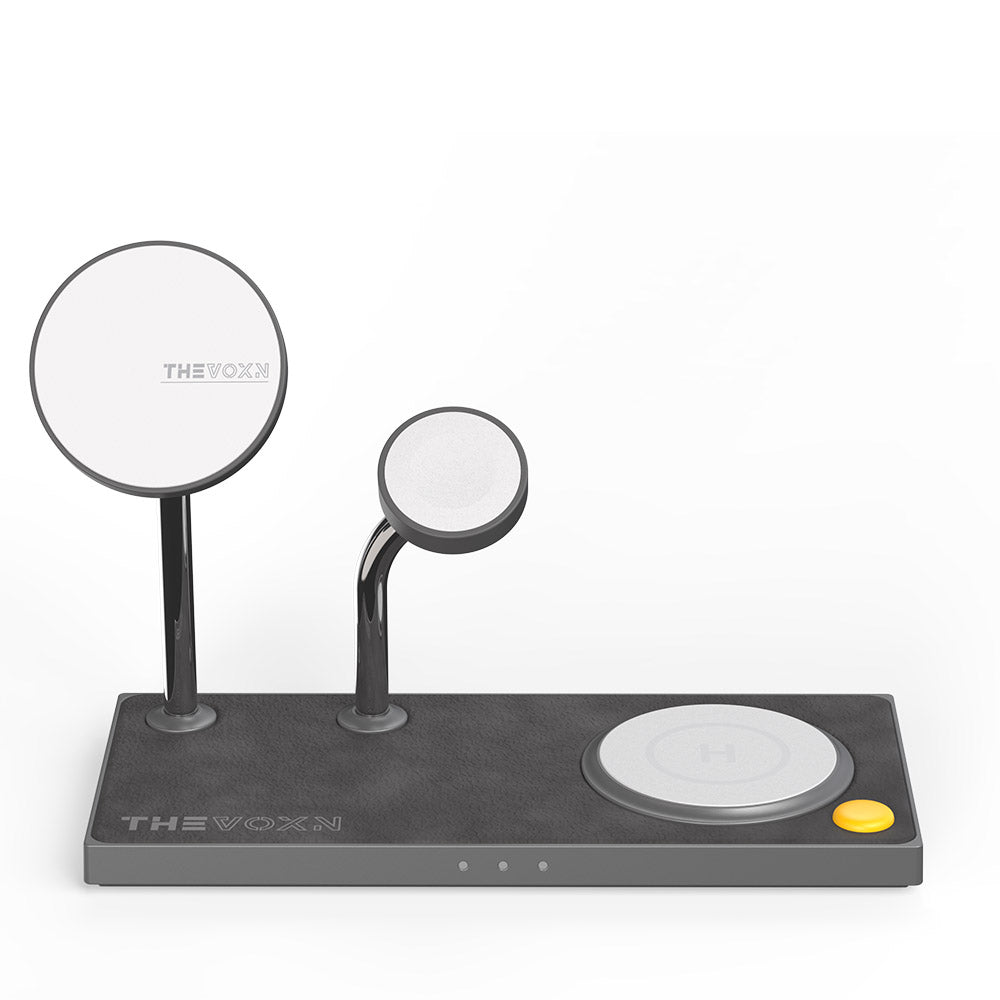
MagSafe Expected to Return to the e‑Series
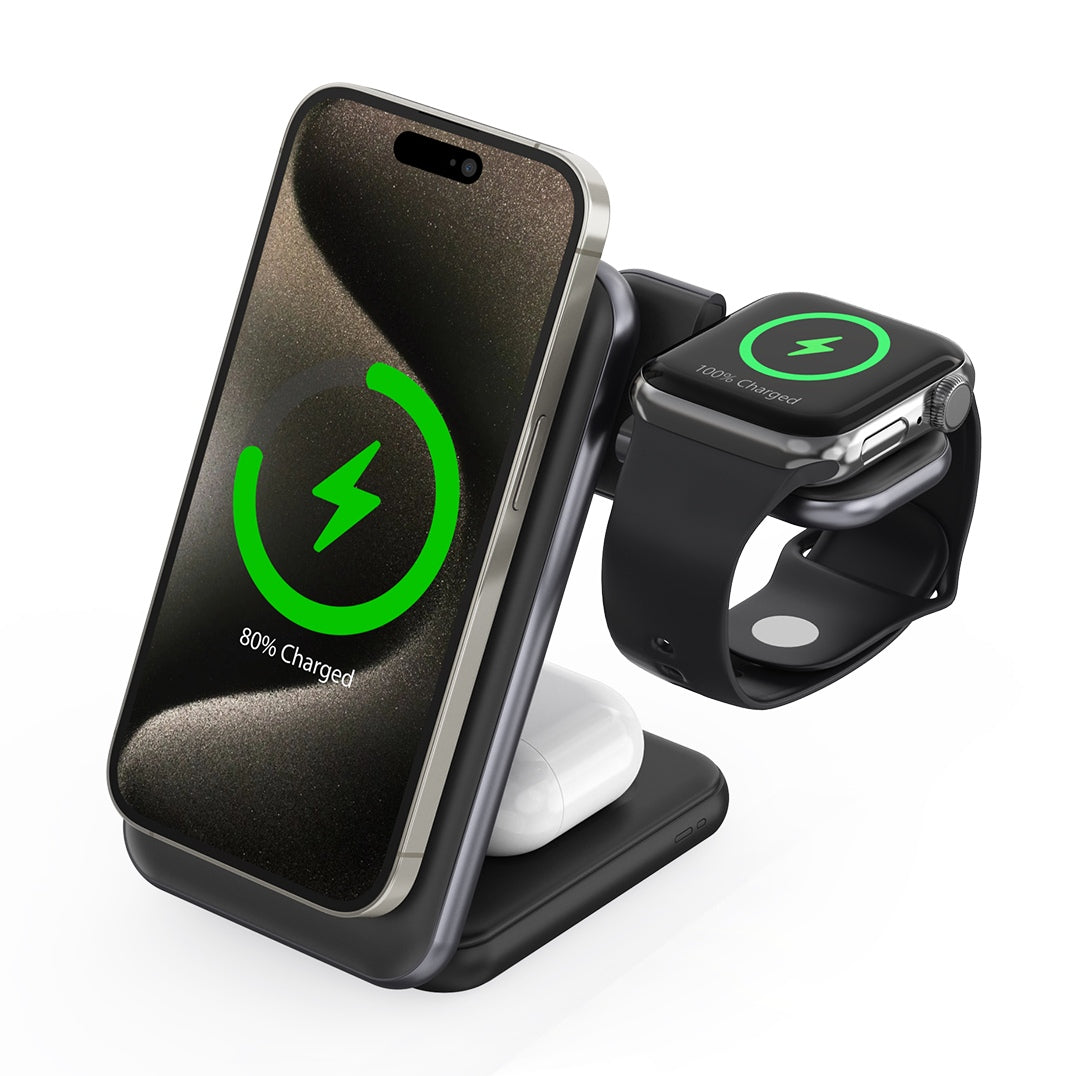
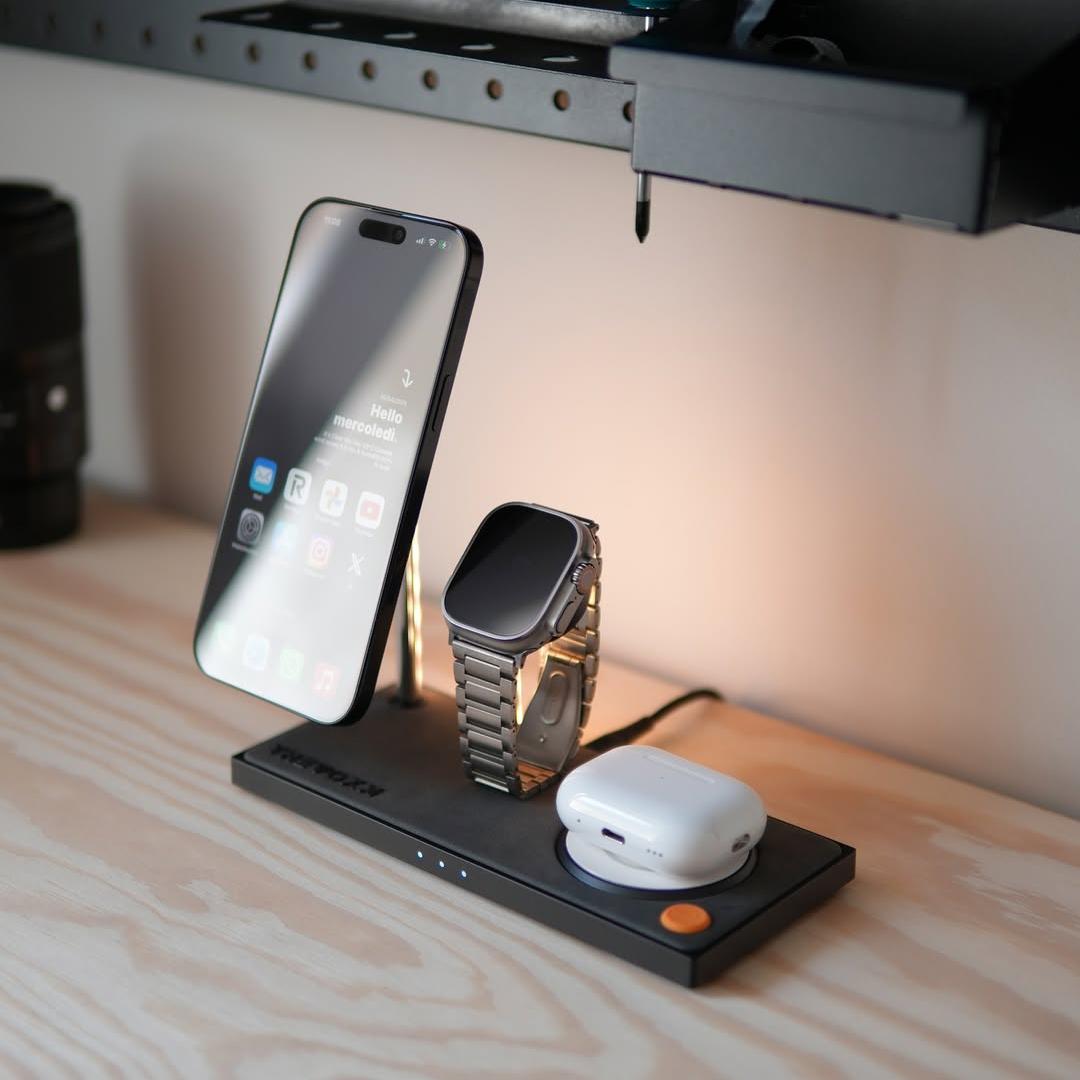
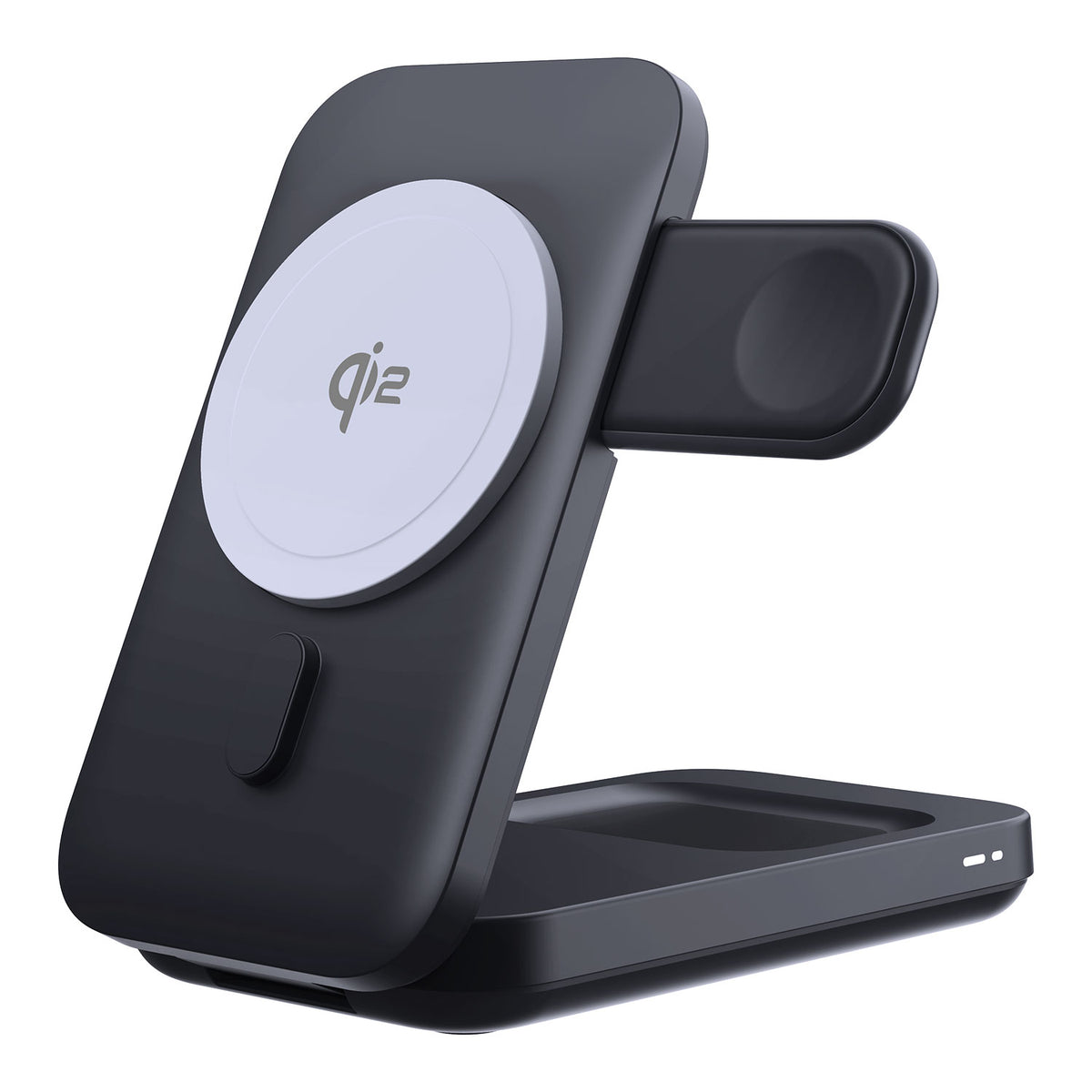
One of the most significant rumored upgrades is the addition of MagSafe support — something notably missing from the previous iPhone 16e.

If accurate, this would allow iPhone 17e users to:
-
Use MagSafe chargers and magnetic battery packs
-
Attach MagSafe wallets and car mounts
-
Benefit from more stable wireless charging alignment
Charging speeds are rumored to reach up to 25W, a major leap over the 7.5W Qi‑only wireless charging limitation on earlier e‑series models.
For many users, MagSafe alone could be the deciding upgrade.

Design: Apple Likely Keeps the Notch
Despite Apple’s gradual push toward Dynamic Island across its flagship lineup, iPhone 17e is widely expected to retain the classic notch design.
The Strategy Behind the Notch
From a product strategy perspective, keeping the notch is not simply about cost savings — it is about clear lineup differentiation.
By reserving Dynamic Island for the standard iPhone 17 and Pro models, Apple can:
-
Preserve a strong visual incentive to upgrade
-
Prevent feature overlap between entry-level and mainstream models
-
Maintain higher margins on premium devices
This approach mirrors Apple’s long-standing strategy with features like ProMotion displays and advanced camera systems. In that context, the notch becomes a deliberate positioning tool, not a technological limitation.

UWB Chip Likely Added for Precision Finding
Beyond the modem upgrade, Apple is very likely to add a U1 or U2 Ultra Wideband (UWB) chip to iPhone 17e.
This expectation is closely tied to the upcoming new‑generation AirTag, which relies heavily on UWB for its flagship Precision Finding feature.
If included, UWB would enable:
-
Precision Finding in the Find My app
-
Accurate directional tracking of AirTags and compatible accessories
-
Better spatial awareness for future ecosystem features
The absence of UWB on earlier e‑series models has been a long‑standing limitation, and iPhone 17e may finally close this gap.

Display and Other Expected Specs
Based on current leaks, iPhone 17e is likely to feature:
-
6.1‑inch OLED display
-
60Hz refresh rate (no ProMotion)
-
A‑series chip positioned below Pro models
-
Single or dual‑camera setup focused on computational photography
These choices align with Apple’s strategy of offering strong core performance while reserving premium display and camera features for higher‑priced models.

Should You Wait for iPhone 17e?
If these rumors hold true, iPhone 17e could become the most compelling e‑series model yet — finally combining:
-
MagSafe support
-
Improved cellular performance
-
UWB Precision Finding
-
Familiar design at a lower price point
For users coming from older iPhones or anyone invested in Apple’s accessory ecosystem, waiting until mid‑February could be well worth it.