According to a recent report from The Information, Apple is internally developing as many as eight new iPhone models simultaneously, signaling one of the most aggressive product expansion cycles in iPhone history.
For iPhone users, 2026 and 2027 are shaping up to be unusually dense years, marked by new form factors, major chip transitions, and a long-awaited move toward a truly all-screen iPhone.
Rather than a single “annual upgrade,” Apple appears to be transitioning into a multi-tier, multi-season iPhone strategy, designed to serve budget users, professionals, and early adopters at the same time.

Quick Preview: Apple’s 2026–2027 iPhone Lineup (Rumored)
| Model | Launch Date | Key Innovation |
|---|---|---|
| iPhone 17e | Spring 2026 | Dynamic Island on entry model, MagSafe support |
| iPhone 18 Pro / Pro Max | Fall 2026 | Under-display Face ID, Variable Aperture camera |
| iPhone Fold | Fall 2026* | Foldable 7.7" display, compact 5.3" folded |
| iPhone 18 | Spring 2027 | Refined design, incremental upgrades |
| iPhone 18e | Spring 2027 | Entry-level, budget-friendly |
| iPhone Air 2 | Spring 2027 | Ultra-thin design, lighter chassis |
| iPhone 20 | Fall 2027 | 20th anniversary edition, full-screen Face ID |
iPhone 17e (Spring 2026): Apple’s Modem Strategy Goes Public
The iPhone 17e is expected to open Apple’s 2026 lineup, continuing the “e-series” positioning as a more affordable iPhone option.
However, this model is strategically important for a different reason.
It is widely rumored to debut Apple’s self-designed C1 modem, marking a critical step away from Qualcomm dependency. Industry analysts suggest this modem will initially focus on efficiency and stability rather than peak 5G speeds, making the 17e a safe testing ground.

Additional rumors point to:
-
A 6.1-inch display
-
Possible introduction of Dynamic Island to the e-series
-
A price point designed to protect Apple’s margins while expanding reach
This makes the iPhone 17e less about innovation and more about infrastructure control, which could have long-term implications across Apple’s entire product lineup.
2025 Best MagSafe Case for iPhone 17 Pro Max


iPhone 18 Pro & Pro Max (Fall 2026): The 2nm Powerhouse
Apple’s 2026 Pro models are shaping up to be the most meaningful leap since the iPhone X.
At the heart of the upgrade is the A20 chip, expected to be built on TSMC’s 2nm process. This isn’t just about raw performance; the real gain is power efficiency, with early estimates suggesting up to 30% lower power consumption, enabling thinner designs and longer battery life.

Key highlights include:
-
Under-display Face ID, finally removing the visible sensor cutout
-
A front-facing camer a relocated to the corner
-
Variable aperture camera system, designed not just for better bokeh, but for improved night photography and macro control
Taken together, the iPhone 18 Pro represents Apple’s vision of a more seamless, performance-focused flagship rather than a cosmetic refresh.
Check more information here: iPhone 18 Pro Max Rumours 2026: Release Date, New Camera Relocation & Under-Display Face ID


iPhone Fold: Ambition Meets Reality
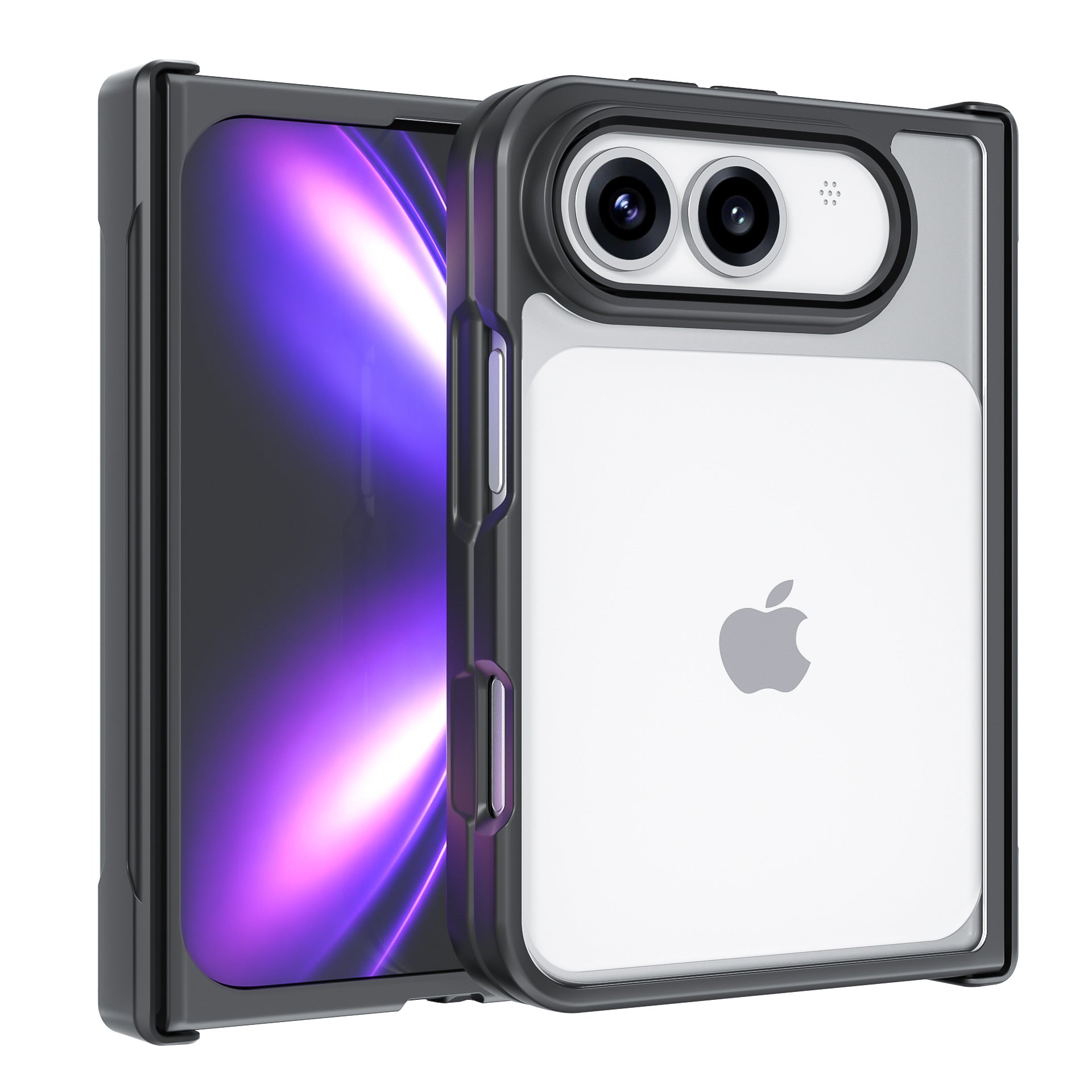
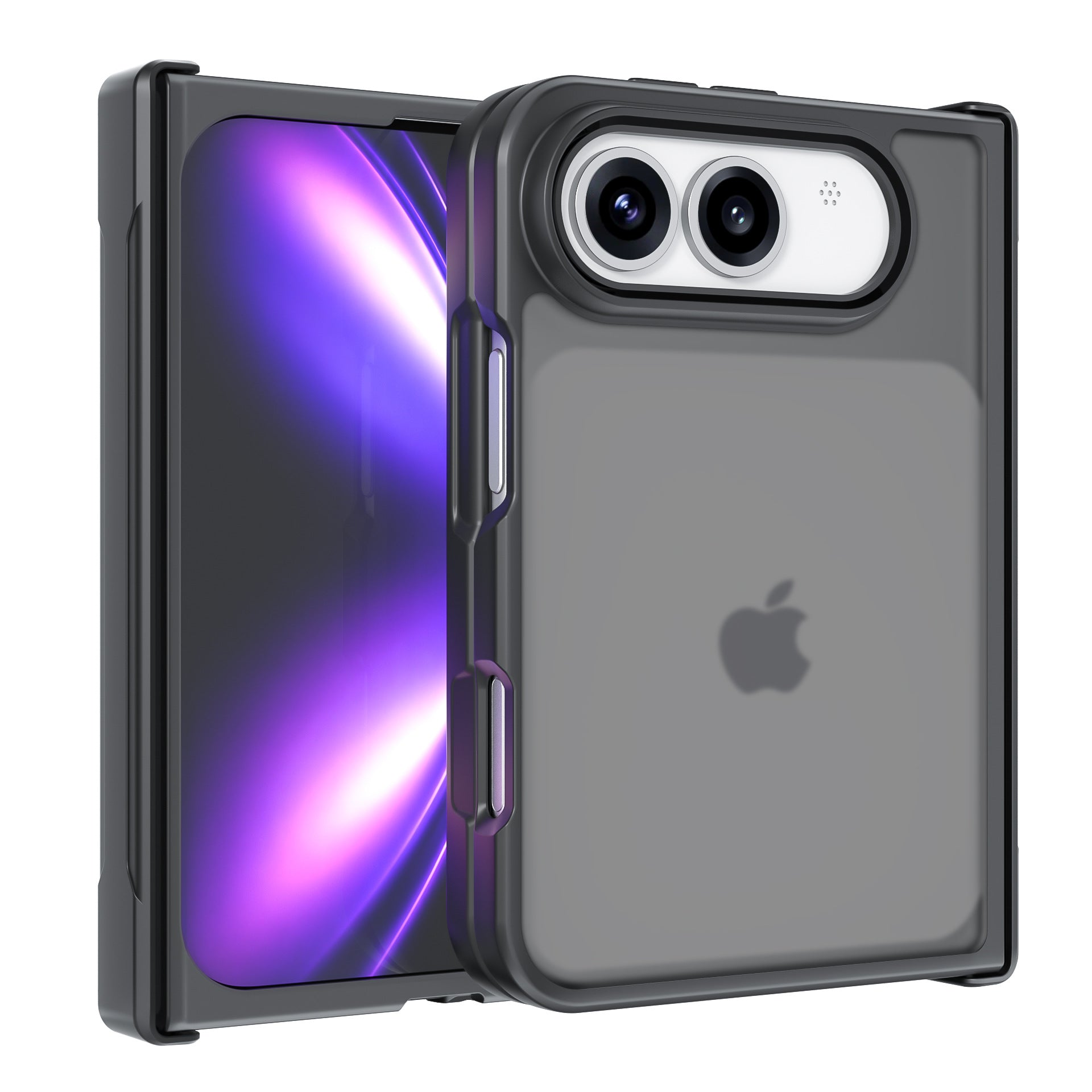
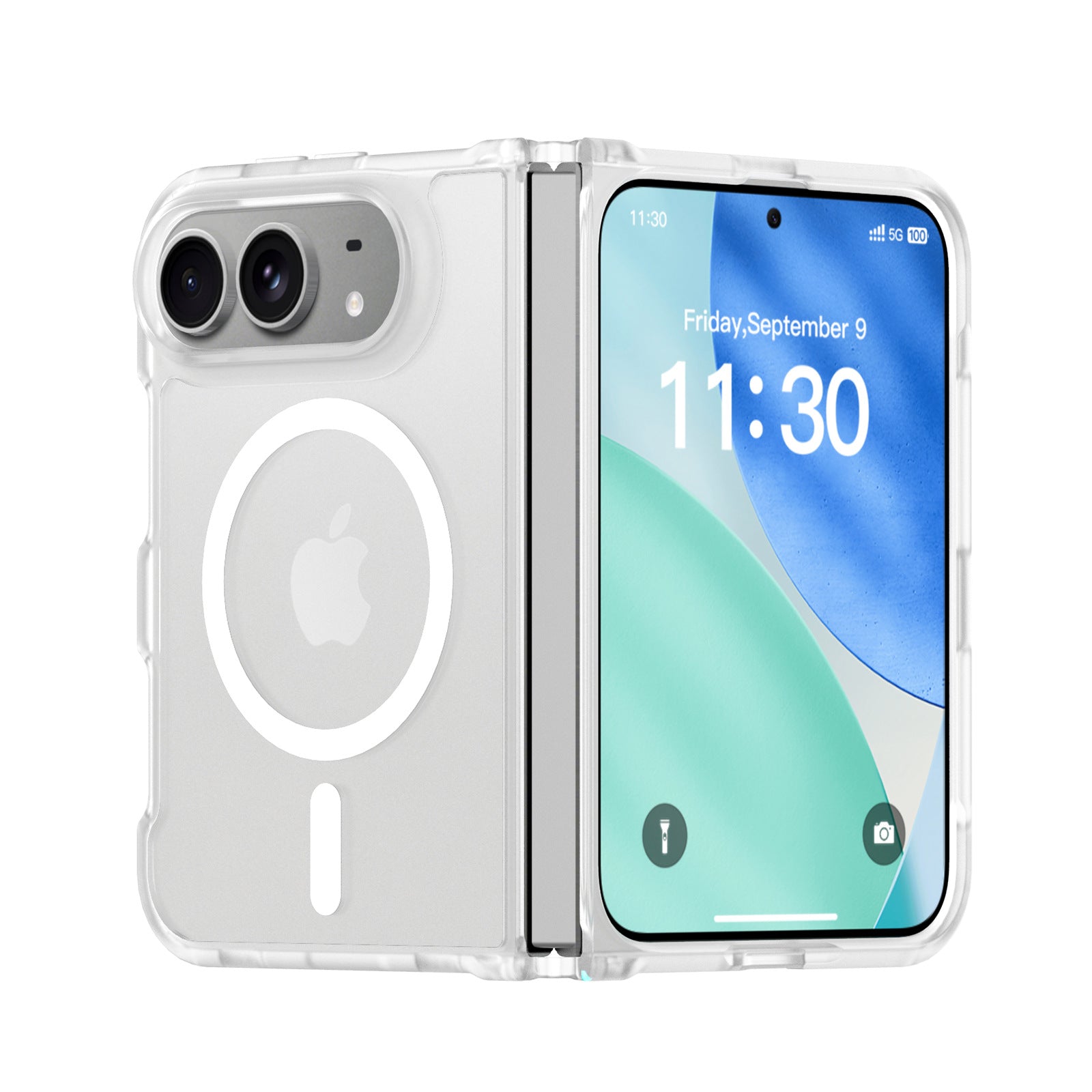
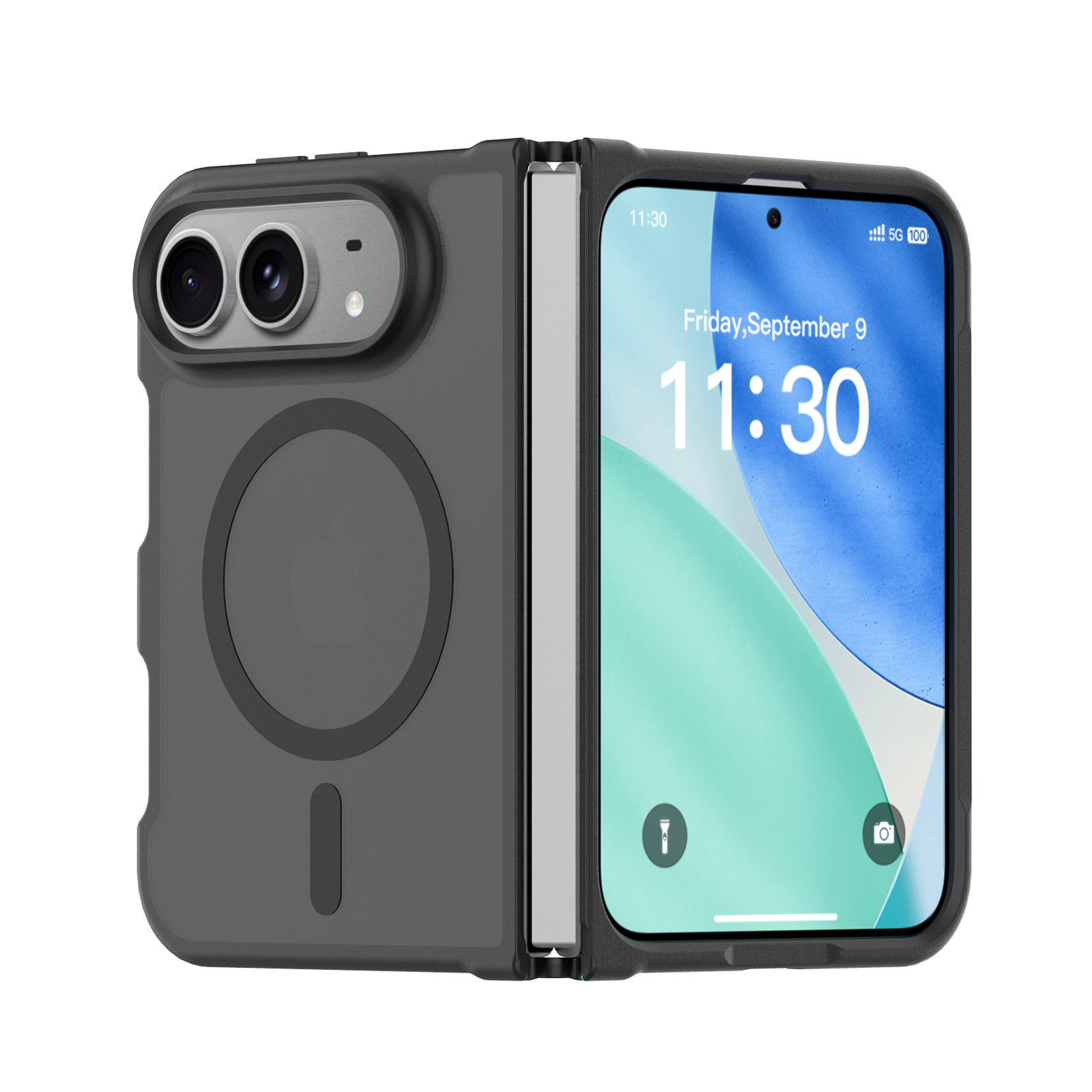
Apple’s first foldable iPhone has been rumored for years, and current leaks suggest a book-style foldable with a ~7.7-inch inner display and a compact outer screen.
That said, multiple supply chain reports — including those cited by Ming-Chi Kuo — indicate that display crease durability and hinge reliability remain unresolved challenges. From an objective standpoint, Apple is unlikely to rush this product to market if it fails to meet long-term reliability standards.
If the Fold is delayed into 2027, it may actually strengthen Apple’s brand positioning. Historically, Apple’s restraint — waiting until technology matures — has often resulted in more refined first-generation products than its competitors.

For more details on the iPhone Fold, including design insights and potential release updates, check out our dedicated article: iPhone Fold 2026: CAD Leaks, 7.76" Display, Release Date & Dimensions
iPhone 18, 18e & iPhone Air 2 (Spring 2027): A Three-Tier Strategy
By 2027, Apple’s spring launches are expected to expand beyond a single “budget refresh.”
-
iPhone 18: Standard annual upgrade for mainstream users
-
iPhone 18e: Cost-focused model, potentially manufactured first in India as Apple continues supply chain diversification
-
iPhone Air 2: An ultra-thin, design-first iPhone aimed at users who prioritize aesthetics and portability over camera hardware
This three-tier approach signals that Apple is no longer designing iPhones around one “default user.”

iPhone 20 (Fall 2027): The True All-Screen iPhone
The 20th anniversary iPhone is rumored to be Apple’s boldest design shift in over a decade.
Rather than continuing numerical order, Apple may skip “iPhone 19” entirely — echoing the transition from iPhone 8 to iPhone X.
The iPhone 20 is expected to feature:
-
Full under-display Face ID
-
No visible camera cutouts
-
Curved glass wrapping all four sides
-
A dramatically thinner metal frame
This device is widely seen as Apple’s final step into the true all-screen era — the design many users have been waiting for since Face ID was introduced.

ZEERA MacForge Studio:CNC Aluminum Cooling Case for Mac Studio
CNC Aluminum Cooling Case for Mac Studio with Mac Pro Enclosure Design
Shop NowFinal Thoughts
With eight iPhone models reportedly in development, Apple is clearly moving away from a one-size-fits-all strategy. Instead, it’s building a diversified lineup that spans affordability, performance, design, and experimentation.
The next two years won’t just be about faster chips — they’ll redefine what an iPhone can be.
Which model are you most excited about?
The ultra-thin iPhone Air 2, the foldable iPhone, or the radical iPhone 20? Let us know in the comments.