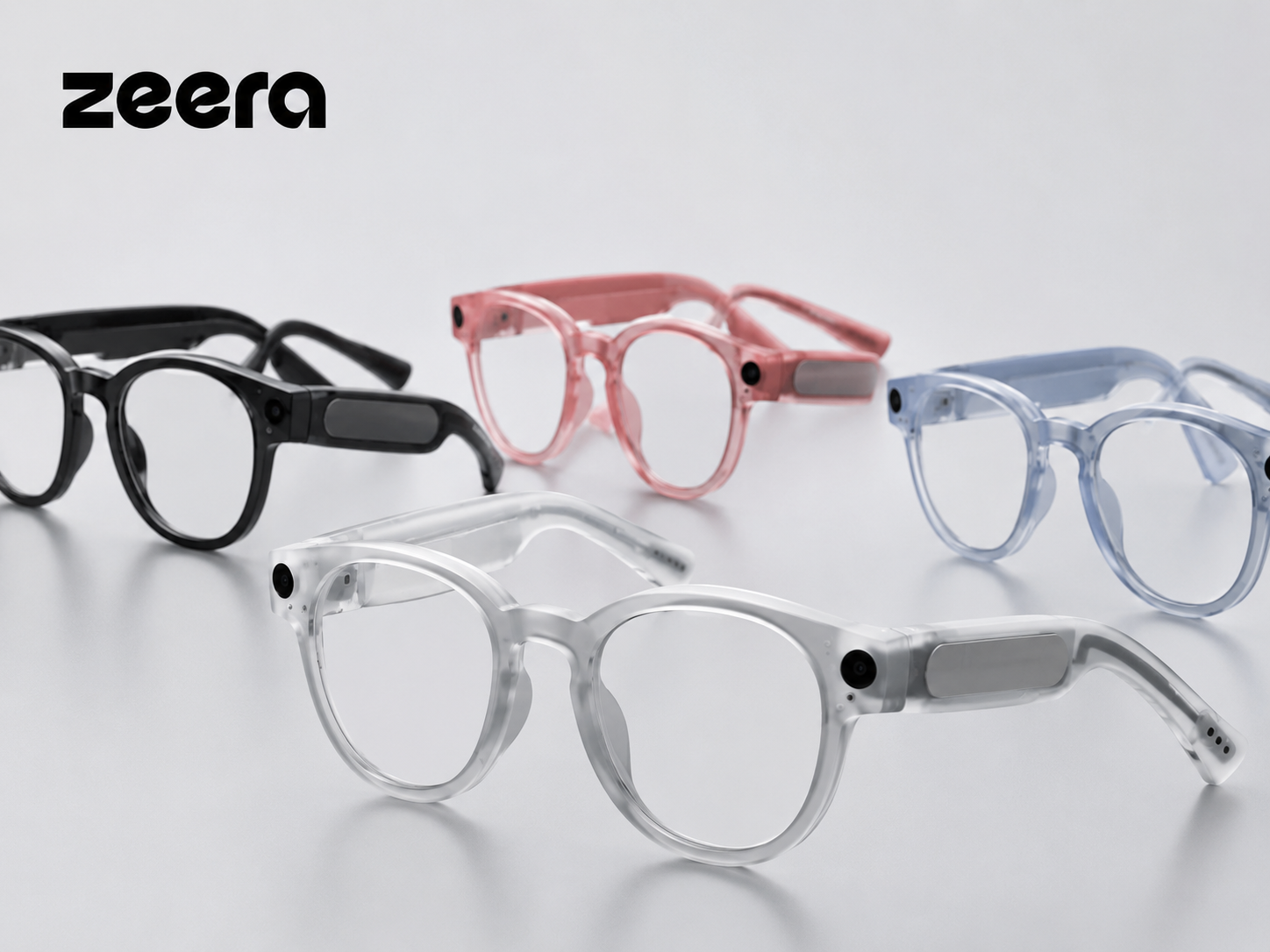
Apple Glasses are becoming one of the most talked-about upcoming Apple products. But the most important thing to understand is this: Apple Glasses are not expected to be another Vision Pro-style headset.
Based on the latest reports, Apple’s first smart glasses are more likely to look like normal everyday glasses. They are expected to focus on AI, cameras, voice interaction, iPhone pairing, real-time translation, navigation, music, calls, and lightweight hands-free assistance.
In simple terms, Apple Glasses may become Apple’s answer to Ray-Ban Meta smart glasses — not a bulky VR headset, but a daily wearable AI assistant.
ZEERA Mac Aluminum Case Series
ZEERA MacForge CNC Mac Studio Aluminum Case
- CNC aluminum
- Mac Pro style
- Cooling grille
- Tool-free fit
- Studio guard

ZEERA MacForge Gen3 CNC Aluminum Mac Mini Case
- Mac Pro grille
- CNC chassis
- Better airflow
- SSD expansion
- Front ports

Apple Glasses Quick Summary
| Category | Latest Rumored Details |
|---|---|
| Product type | AI smart glasses, not a Vision Pro-style headset |
| Internal codename | N50 |
| Design | Normal-looking glasses with multiple frame styles |
| Display | First model is expected to have no built-in display |
| Main features | Siri, Apple Intelligence, cameras, audio, translation, navigation, light capture |
| Connection | Expected to work closely with iPhone |
| Possible preview | Late 2026 or early 2027 |
| Possible release | Sometime in 2027 |
What Are Apple Glasses?
Apple Glasses are expected to be Apple’s first mainstream AI smart glasses. Unlike Apple Vision Pro, they are not expected to cover your face, run immersive spatial apps, or use large internal displays.
Instead, Apple Glasses may look much closer to regular optical glasses or sunglasses. The idea is simple: wear them all day, connect them to your iPhone, and use them as a lightweight AI assistant for daily life.
This makes Apple Glasses a very different product from Vision Pro. Vision Pro is a spatial computing headset. Apple Glasses are expected to be an AI wearable.
Apple Glasses Are Not Vision Pro
Many early rumors made people imagine Apple Glasses as a tiny version of Vision Pro. That no longer seems to be the direction for the first generation.
| Product | Design | Main Use | Display |
|---|---|---|---|
| Apple Vision Pro | Large headset | Spatial computing, immersive apps, media | Yes, high-resolution internal displays |
| Apple Glasses | Normal-looking glasses | AI assistant, camera, audio, Siri, iPhone companion | First model likely no display |
This difference matters. Apple Glasses are not trying to replace your Mac screen or create a full virtual workspace. They are more likely to help you take quick photos, ask Siri about your surroundings, listen to music, translate signs, receive directions, and stay connected without always pulling out your iPhone.
Apple Glasses Release Date: 2026 Preview, 2027 Launch?
Apple has not officially announced Apple Glasses. However, multiple reports suggest that Apple is targeting a preview around late 2026 or early 2027, with sales more likely to begin sometime in 2027.
The product is reportedly known internally as N50. It is expected to be part of Apple’s broader push into AI wearables, especially as the company looks for new ways to bring Apple Intelligence beyond the iPhone, Mac, iPad, and Vision Pro.
A 2027 release window also makes strategic sense. Meta has already built strong market awareness with Ray-Ban Meta smart glasses, and Apple likely does not want to let Meta dominate the next major wearable category.
Design: Normal Glasses, Multiple Frame Styles
The most exciting part of Apple Glasses may not be the specs. It may be the design.
Apple is reportedly testing several styles, including different frame shapes and colors. That suggests Apple wants this product to feel like normal eyewear, not a tech gadget that makes users look awkward in public.
This is the key difference from Vision Pro. Apple Glasses need to be light, stylish, comfortable, and socially acceptable. If people do not want to wear them every day, the product will fail no matter how powerful the AI features are.
Possible design directions include square frames, round frames, prescription-friendly options, sunglasses-style models, and premium materials such as acetate. But final materials, weight, and color options are still unconfirmed.
Will Apple Glasses Have a Display?
The first Apple Glasses are widely expected to launch without a built-in display. That means they may not show floating apps, AR windows, or digital objects in front of your eyes.
At first, this may sound disappointing. But from a product strategy perspective, it makes sense.
- No display means lower weight.
- No display means better battery efficiency.
- No display means less heat near the face.
- No display makes the glasses easier to design like normal eyewear.
- No display can help Apple keep the product closer to mainstream pricing.
A future version with a built-in display may come later. But the first generation appears to be focused on AI, audio, cameras, and iPhone collaboration.
Apple Glasses Rumored Specs and Features
Because Apple has not announced the product, the following details should be treated as rumors, not confirmed specifications.
| Feature | Expected Details | Confidence |
|---|---|---|
| Form factor | Regular glasses-style design | High |
| Display | No built-in display in the first model | High |
| Cameras | Built-in cameras for photo, video, visual AI, and possibly gesture input | Medium to high |
| Microphones | Voice commands, calls, Siri, and AI interaction | High |
| Speakers | Open-ear audio for calls, music, notifications, and Siri responses | High |
| AI | Apple Intelligence, visual understanding, upgraded Siri | High |
| iPhone pairing | Expected to rely on iPhone for processing, connectivity, and app ecosystem | High |
| Battery life | Unknown; several-hour daily use is expected but not confirmed | Low |
| Price | Unknown; likely premium but far below Vision Pro | Low |
AI Will Be the Core of Apple Glasses
Apple Glasses are not just about taking photos from your face. The real goal is to give Apple Intelligence a pair of eyes and ears.
With built-in cameras and microphones, Apple Glasses could understand what you are seeing and hearing. That could make Siri much more useful in real-world situations.
Possible AI features include:
- Ask Siri what object you are looking at
- Translate signs, menus, and conversations
- Identify landmarks, products, plants, or documents
- Read text aloud from the real world
- Give walking directions through voice guidance
- Capture quick photos and videos hands-free
- Summarize visual information around you
- Provide reminders based on what the glasses can see
This is why Apple Glasses could become more important than they first appear. They may not show AR graphics, but they could make Apple Intelligence more contextual and more useful in daily life.
Siri Needs a Major Upgrade
Apple Glasses will depend heavily on Siri. Since the first version may not have a screen, users will need to control most features by voice, gestures, or simple touch input.
That means Siri cannot feel like the old Siri. It needs to become faster, more conversational, more context-aware, and better connected to Apple apps and third-party apps.
If Apple can deliver a truly upgraded Siri, Apple Glasses could feel like a natural AI companion. If Siri remains limited, the product may struggle even with great hardware.
Camera System: Photos, Video and Visual Intelligence
Apple Glasses are expected to include cameras. Some reports suggest a two-camera system: one higher-resolution camera for photos and videos, and another lower-resolution wide-angle camera for visual input, environment sensing, or possible gesture recognition.
The photo and video camera could make Apple Glasses useful for travel, family moments, cycling, walking, events, and hands-free content capture. Instead of taking out your iPhone, you could quickly capture what you see.
The visual AI camera may be even more important. It could help Siri understand your surroundings, recognize objects, scan text, and provide real-time information.
However, Apple must handle privacy carefully. A camera on glasses can make people nearby uncomfortable. Apple will likely need clear recording indicators, visible privacy signals, and strong camera permissions.
Gesture Control: Possible, But Not Confirmed
Some rumors suggest Apple Glasses may support hand gesture controls inspired by Vision Pro. For example, a wide-angle camera could detect simple gestures and turn them into input commands.
This would make sense because glasses without a display still need some kind of quick interaction. Voice is useful, but not every situation is suitable for talking to Siri in public.
Still, gesture control in such a small glasses form factor is technically difficult. It should be treated as a possible feature, not a confirmed one.
Real-Time Translation Could Be a Killer Feature
Real-time translation may become one of the most useful Apple Glasses features.
Imagine walking in another country and looking at a restaurant menu, road sign, product label, or train notice. Apple Glasses could use cameras and Apple Intelligence to understand the text, then deliver the translation through audio.
For travelers, students, creators, and business users, this may be more practical than full AR. Even without a display, spoken translation and visual understanding could make the glasses extremely useful.
Navigation and Daily Assistance
Apple Glasses could also improve navigation. Instead of constantly checking your iPhone, you could receive audio directions through the glasses.
For walking, cycling, airport navigation, or city travel, this could be more natural than holding a phone. If Apple combines Maps, Siri, and camera-based environmental awareness, the glasses could become a lightweight guide for the real world.
How Apple Glasses May Work With iPhone
Apple Glasses are expected to work closely with the iPhone, similar to how Apple Watch depends on the iPhone for setup, connectivity, and ecosystem features.
The glasses may handle sensors, cameras, microphones, speakers, and simple on-device tasks. The iPhone may provide heavier processing, app data, internet access, privacy settings, and Apple Intelligence support.
This strategy would help Apple keep the glasses smaller, lighter, and more efficient.
Could Apple Glasses Connect to Mac or visionOS?
Some speculation suggests Apple may eventually connect smart glasses with Mac, iPhone, and visionOS-style experiences. In theory, future Apple Glasses could act differently depending on the device they connect to.
For example, connected to iPhone, they could work as a lightweight AI assistant. Connected to Mac, they might eventually provide productivity or display-related features. Connected to future Apple spatial devices, they could become part of a larger spatial computing ecosystem.
However, this is a long-term possibility rather than a confirmed first-generation feature. For the first Apple Glasses, the safest expectation is iPhone-first AI smart glasses.
ZEERA ColorPop Pro iPad Protective Case
- Color block
- Matte feel
- Pencil slot
- Raised edge
- Daily guard

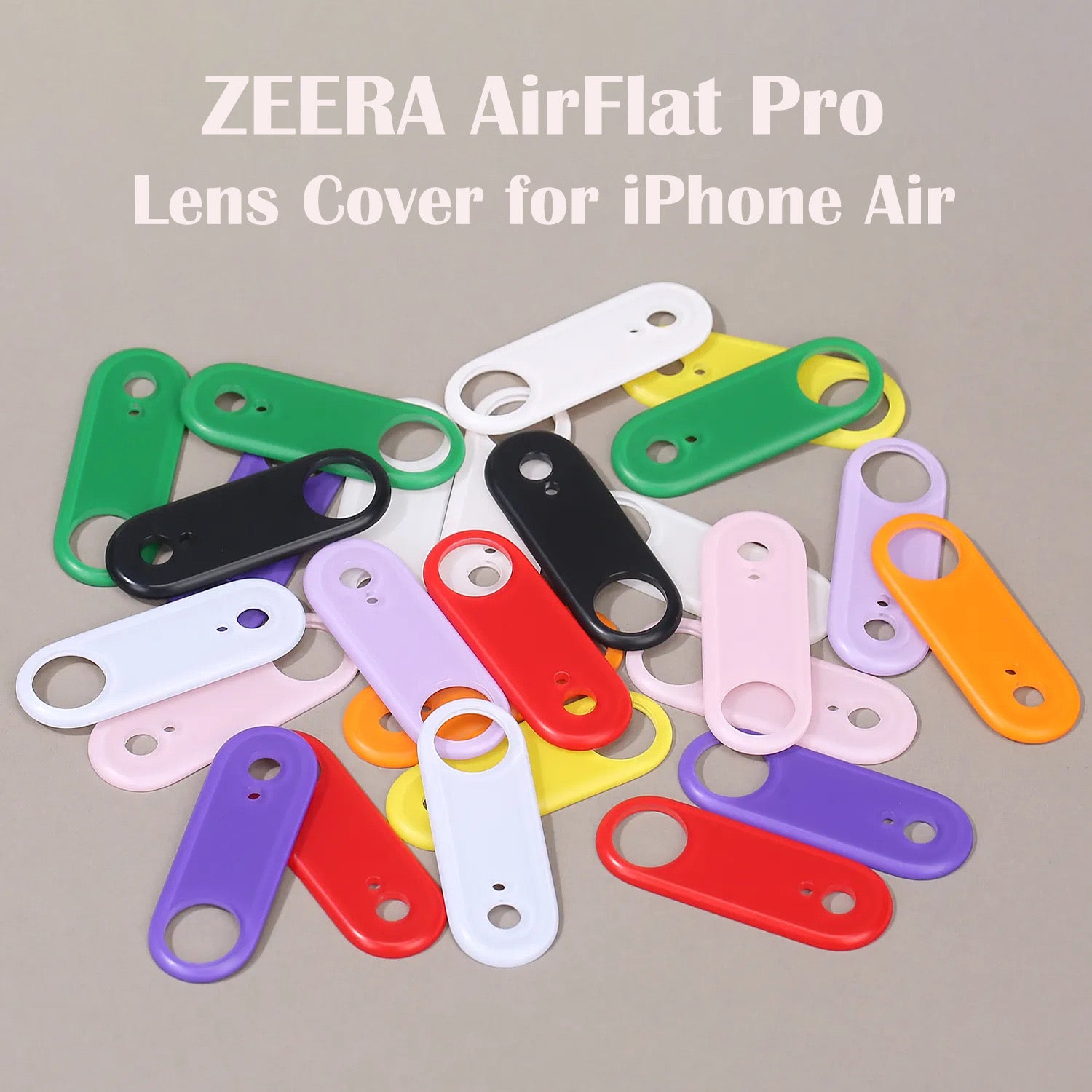
ZEERA FlatCam Deco Camera Leveling Cover
- No wobble
- Flat back
- Lens guard
- Color match
- Clean look
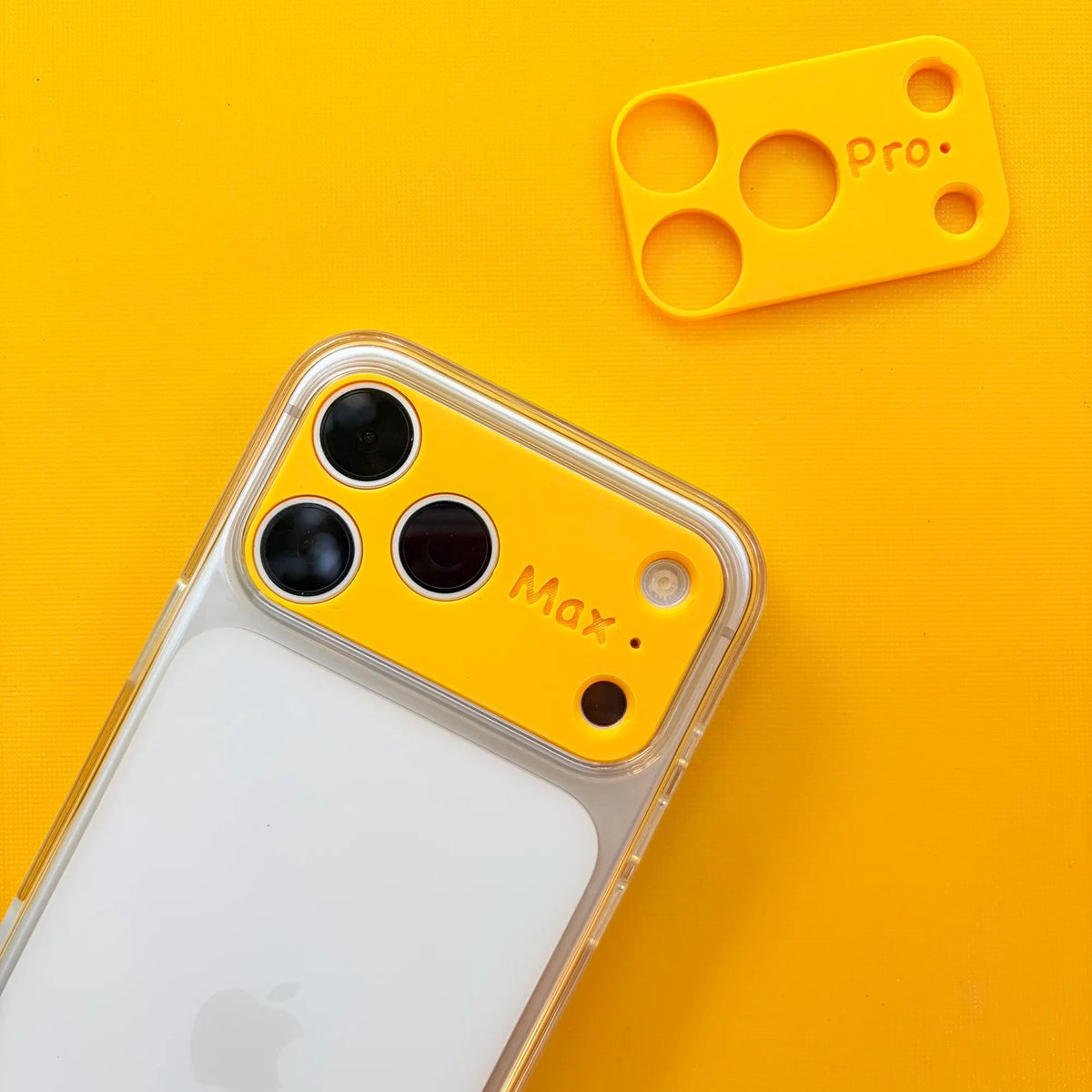
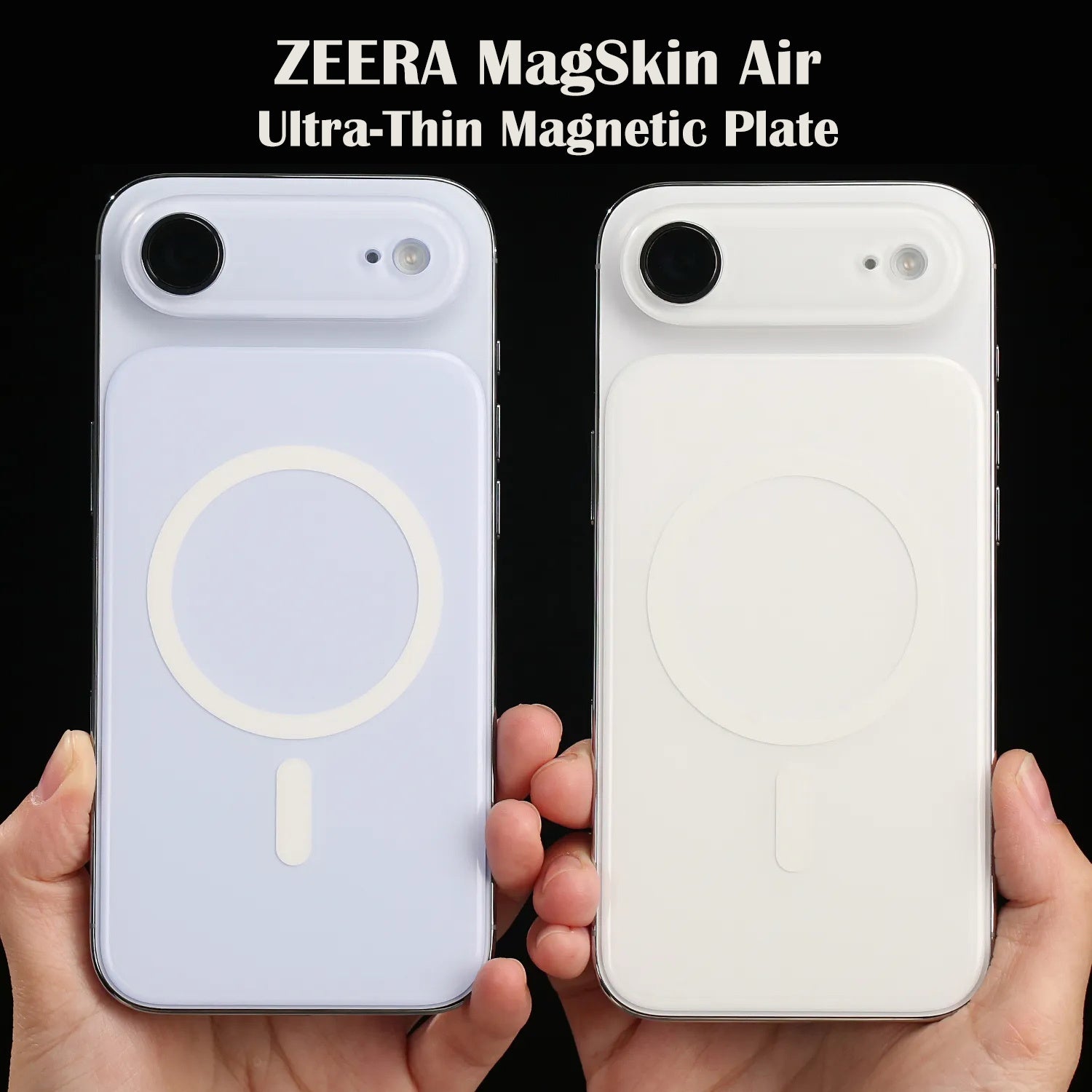
ZEERA MagPlate Eco Magnetic Back Plate
- 3D printed
- MagSafe fit
- Bare feel
- Color combo
- Slim setup
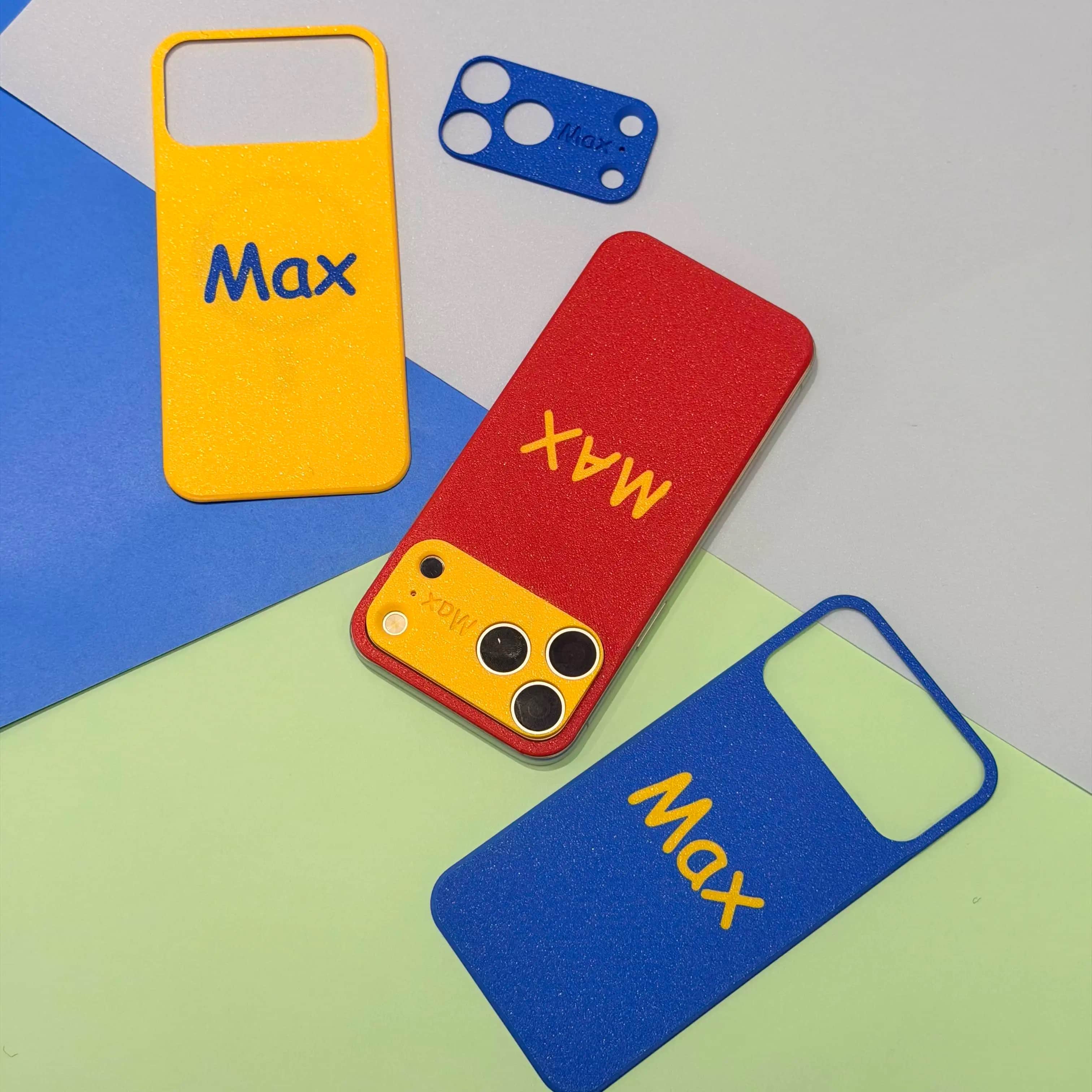
ZEERA MagPop Duo MagSafe Case Set
- Case + cover
- MagSafe ready
- Color match
- Lens guard
- Bold style

Apple Glasses vs Ray-Ban Meta Smart Glasses
The clearest competitor for Apple Glasses is Ray-Ban Meta. Meta has already proven that normal-looking smart glasses can be useful for photos, video, calls, music, and AI features.
| Feature | Apple Glasses Rumors | Ray-Ban Meta |
|---|---|---|
| Status | Unannounced | Already available |
| Design | Normal-looking Apple-designed glasses | Ray-Ban eyewear design |
| AI assistant | Siri and Apple Intelligence | Meta AI |
| Ecosystem | iPhone, Apple Watch, AirPods, Mac, Apple services | Meta AI, Instagram, Facebook, WhatsApp |
| Display | First model likely no display | No display on standard model; display model also exists |
| Main advantage | Apple ecosystem and privacy positioning | Earlier market entry and social app integration |
Apple’s biggest advantage will be ecosystem integration. If Apple Glasses can work naturally with iPhone, AirPods, Apple Watch, Maps, Messages, FaceTime, Photos, and Apple Intelligence, they could feel more polished than competing products.
But Meta has the advantage of time. Its smart glasses are already on the market, already improving, and already training users to accept camera glasses.
What About Automatic Prescription Adjustment?
Some online discussions claim that Apple Glasses may automatically adjust prescription strength for nearsightedness, farsightedness, astigmatism, or presbyopia.
This idea sounds exciting, but it should be treated very carefully. As of now, there is no strong mainstream confirmation that Apple’s first smart glasses will include automatic prescription adjustment.
Apple may explore advanced optics in patents or long-term research, but patents do not always become real products. For the first-generation Apple Glasses, the more realistic expectation is prescription lens support, not automatic eye prescription adjustment.
Apple Glasses Price: How Much Could They Cost?
There is no confirmed Apple Glasses price.
Some rumors mention prices around $800, but that number is not confirmed. A more careful way to estimate the price is to compare Apple Glasses with existing products.
| Product | Product Type | Price Position |
|---|---|---|
| Ray-Ban Meta | AI camera glasses | Mainstream premium eyewear range |
| Meta Ray-Ban Display | Smart glasses with display | Higher-end smart glasses range |
| Apple Vision Pro | Spatial computing headset | Ultra-premium at launch |
| Apple Glasses | AI smart glasses | Likely premium, but far below Vision Pro |
If Apple wants the product to go mainstream, the price needs to be much closer to premium eyewear than to Vision Pro. A price above ordinary smart glasses is possible, but a Vision Pro-level price would make little sense for a daily wearable.
Battery Life: What Should We Expect?
Apple Glasses battery life is still unknown. Some online rumors mention 6 to 8 hours, but there is no confirmed specification.
For daily use, Apple likely needs several hours of mixed usage, including music, calls, camera capture, Siri requests, and navigation. A charging case may also be possible, similar to AirPods, but this remains unconfirmed.
Battery life will be one of the biggest technical challenges. The glasses must be light enough to wear, but still powerful enough to support cameras, audio, wireless connection, sensors, and AI features.
Privacy Will Be a Major Challenge
Smart glasses with cameras are useful, but they also create privacy concerns. People may not feel comfortable around glasses that can record video or capture images.
Apple will likely need a clear recording indicator, strong privacy controls, visible camera status, app permissions, and possibly hardware-level protections.
This could become one of Apple’s strongest selling points. If Apple can make users and people around them feel safer, Apple Glasses may have a better chance of being accepted in public.
Why Apple May Have Shifted Focus Away From Vision Pro
Apple Vision Pro is technically impressive, but it is expensive, heavy, and difficult to make mainstream. AI smart glasses are a different opportunity.
Instead of asking users to wear a large headset, Apple Glasses could become a product people wear naturally every day. That gives Apple a better chance to build a mass-market AI wearable.
The strategy is clear: make AI more ambient, more personal, and more connected to the real world.
Industry Impact: Why Apple Glasses Could Matter
If Apple enters the AI glasses market, it could push the entire industry forward.
Smart glasses are currently still a niche category. But Apple has a history of turning existing categories into mainstream products. The iPod was not the first MP3 player. The iPhone was not the first smartphone. The Apple Watch was not the first smartwatch. AirPods were not the first wireless earbuds.
If Apple Glasses deliver the right mix of design, AI, battery life, privacy, and iPhone integration, they could become the product that makes AI glasses feel normal.
What Apple Still Needs to Solve
Apple Glasses still face several major challenges:
- Weight: The glasses must feel comfortable for long periods.
- Battery life: Users will expect practical daily use.
- Privacy: Camera recording must be clear and trustworthy.
- Siri: Apple needs a much smarter voice assistant.
- AI accuracy: Visual recognition and translation must be reliable.
- Design: The glasses must look like normal eyewear.
- Price: The product must be premium but not unreachable.
Should You Wait for Apple Glasses?
If you are waiting for full AR glasses that display apps in front of your eyes, Apple Glasses may not be that product yet.
But if you want normal-looking glasses that can take photos, answer questions, translate text, guide navigation, play music, handle calls, and work as an AI assistant, Apple Glasses could be one of Apple’s most important new products in years.
The first generation may not feel futuristic in the Vision Pro sense. It may feel useful, simple, and wearable. That could be exactly why it matters.
Final Take: Apple Glasses Could Be Apple’s First Real AI Wearable
Apple Glasses are not expected to be a bulky headset. They are expected to be ordinary-looking smart glasses powered by AI.
The rumored N50 model may pair with iPhone, use cameras and microphones to understand the real world, rely on an upgraded Siri, and deliver everyday features such as translation, navigation, photo capture, calls, music, and notifications.
The biggest question is not whether Apple can build smart glasses. The real question is whether Apple can make AI glasses feel normal enough for everyday life.
If Apple gets the design, Siri experience, privacy controls, and iPhone integration right, Apple Glasses could become the company’s next major wearable category after Apple Watch and AirPods.
FAQ: Apple Glasses
Are Apple Glasses officially announced?
No. Apple has not officially announced Apple Glasses. Current information is based on reports, leaks, and industry analysis.
Are Apple Glasses the same as Vision Pro?
No. Apple Glasses are expected to look like normal glasses and focus on AI, cameras, audio, and iPhone pairing. Vision Pro is a large spatial computing headset with internal displays.
When will Apple Glasses be released?
Current reports suggest Apple Glasses may be previewed in late 2026 or early 2027, with a possible release sometime in 2027.
Will Apple Glasses have a screen?
The first model is expected to have no built-in display. A more advanced version with a display may come later.
What is the Apple Glasses codename?
The rumored internal codename is N50.
Will Apple Glasses need an iPhone?
Yes, Apple Glasses are expected to work closely with iPhone, similar to how Apple Watch depends on the iPhone for setup and ecosystem features.
Will Apple Glasses support automatic prescription adjustment?
This is not confirmed. While some online rumors mention advanced adjustable optics, there is no strong evidence that the first Apple Glasses will automatically adjust prescription strength. Prescription lens support is a more realistic expectation.
How much will Apple Glasses cost?
The price is unknown. Some rumors mention around $800, but this is not confirmed. Apple Glasses will likely be premium smart glasses, but much cheaper than Vision Pro.
What will Apple Glasses be used for?
Expected uses include hands-free photos and videos, music, calls, notifications, Siri, real-time translation, navigation, visual search, and AI-powered environment recognition.
Why are Apple Glasses important?
Apple Glasses could turn Apple Intelligence into a real-world wearable assistant, giving Siri access to visual context and making AI more useful in daily life.
Sources and Notes
This article is based on current public reports from 9to5Mac, Bloomberg-related coverage, Reuters, MacRumors, AppleInsider, and other technology publications. Apple has not confirmed the final design, specifications, price, or release date of Apple Glasses. All details should be treated as rumors until Apple makes an official announcement.