

This article was updated in April 2026.
Apple’s next ultra-thin laptop is already generating strong interest. The M5 MacBook Air (2026) is expected to refine the Air lineup with improved AI acceleration, enhanced 3nm chip efficiency, and continued focus on thin, fanless performance.
Unlike past years where base RAM was a debate, 16GB is now firmly the new standard — and that shifts the upgrade conversation entirely.
Below is a structured breakdown of everything we know so far.

🔎 Quick Comparison: M4 vs M5 MacBook Air
| Feature | MacBook Air M4 (Current) | MacBook Air M5 (Expected) |
|---|---|---|
| Processor | M4 Chip (3nm) | M5 Chip (Enhanced 3nm / N3P) |
| Base RAM | 16GB | 16GB (24GB & possibly 32GB options) |
| Display | Liquid Retina (LCD) | Liquid Retina (LCD, possible coating upgrades) |
| AI Performance | ~38 TOPS (Neural Engine) | 45+ TOPS / Enhanced AI Acceleration |
| Release Date | March 2025 | March 2026 (Expected) |
This structure highlights the real story: AI capability and memory configuration matter more than raw CPU percentage gains.
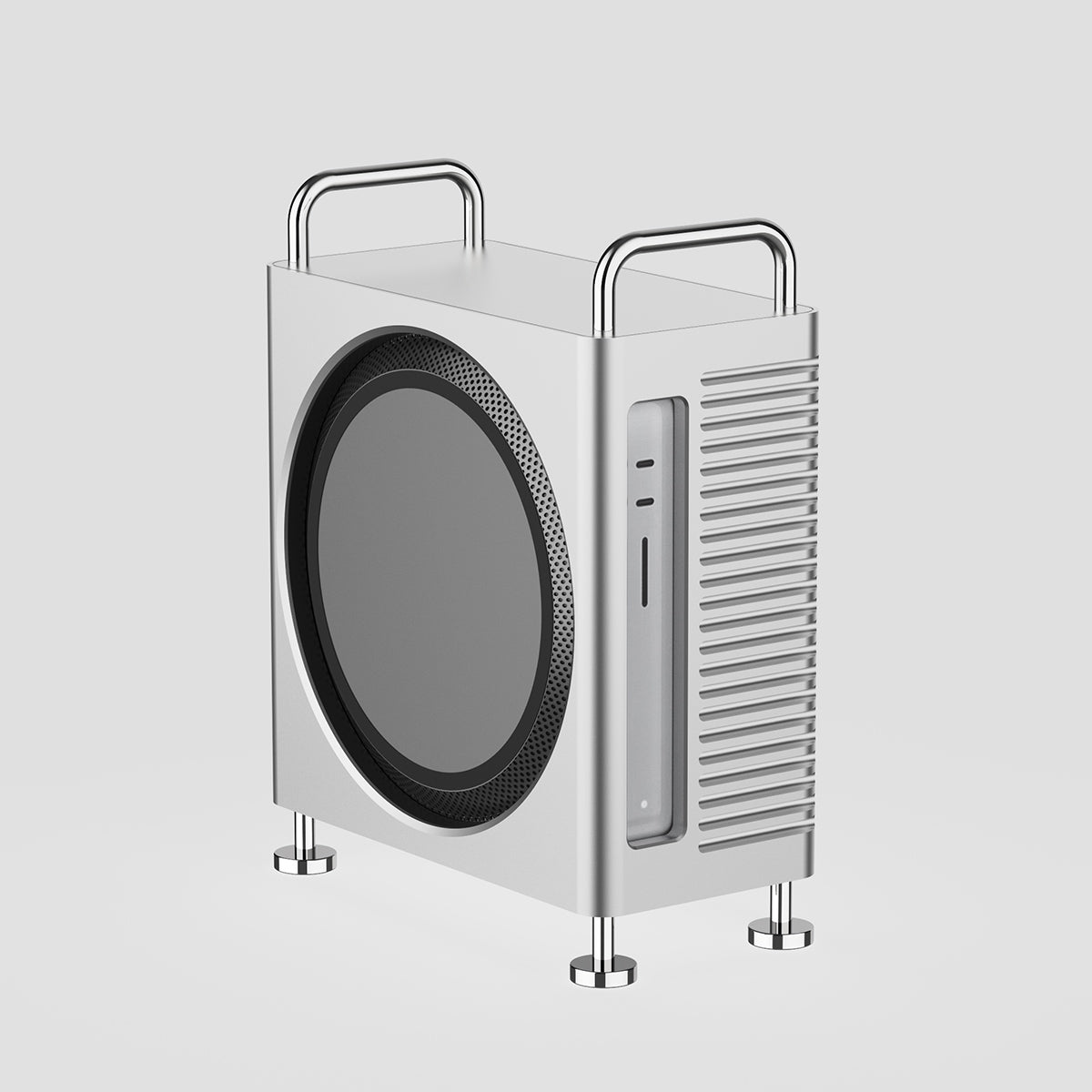
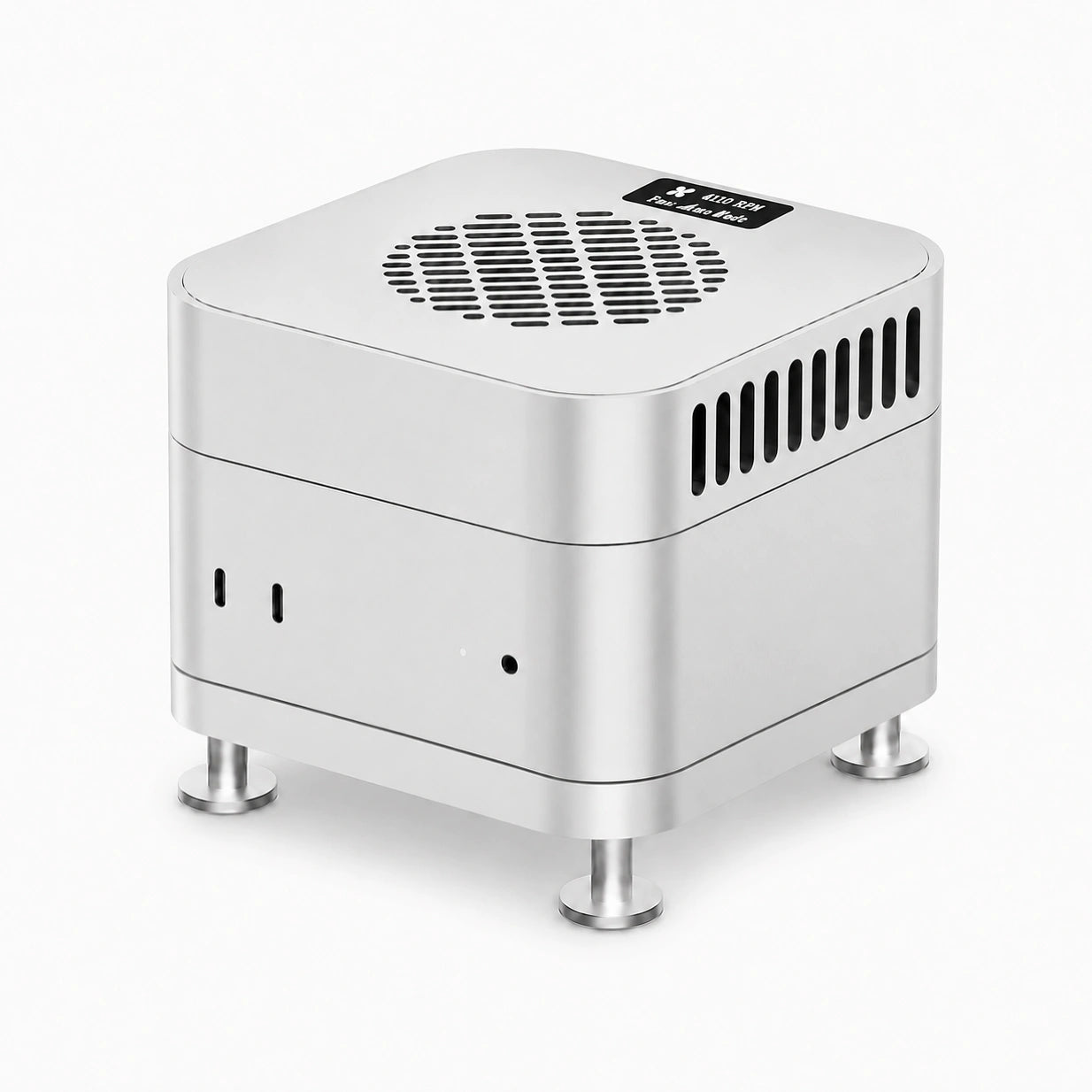
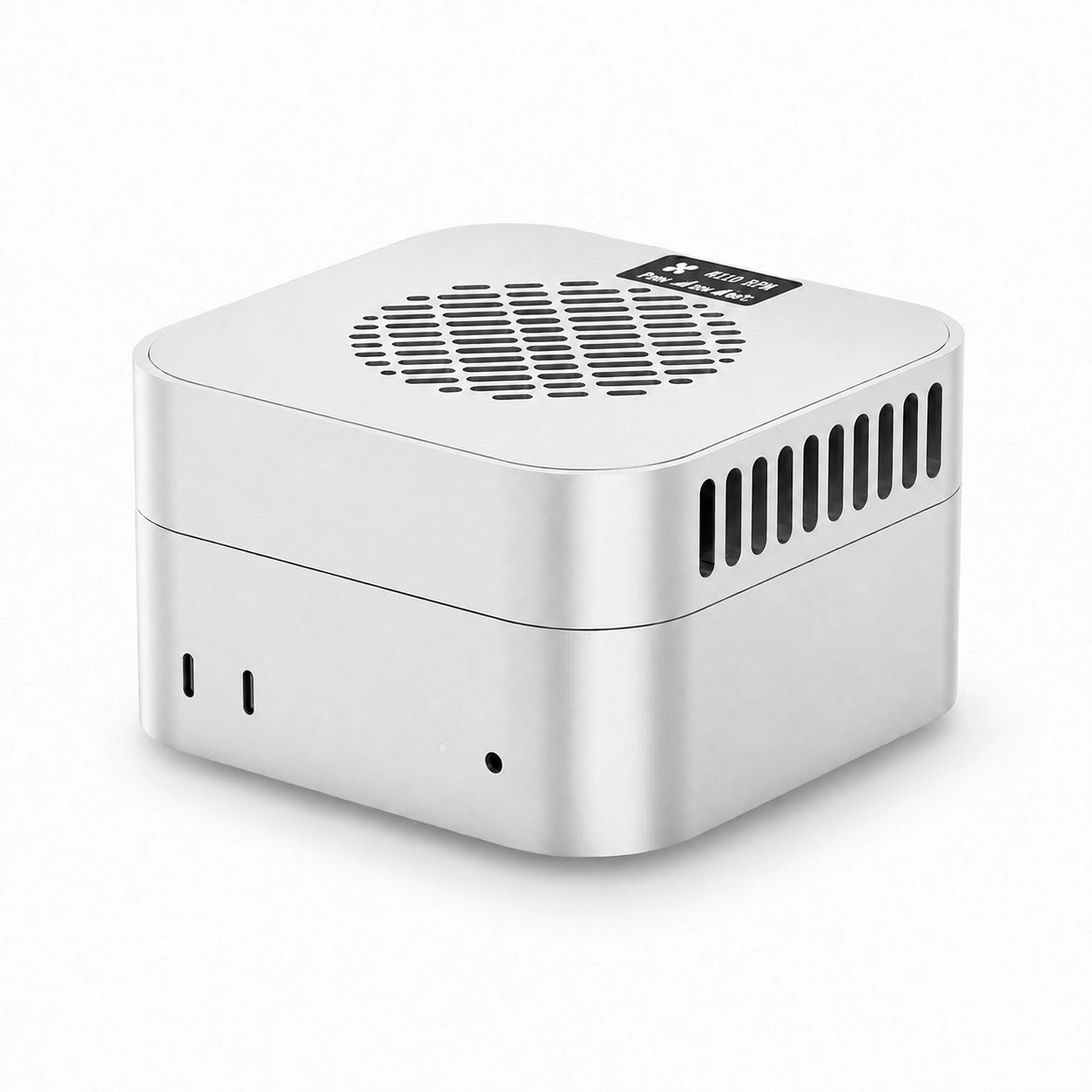
ZEERA MacForge Studio:CNC Aluminum Cooling Case for Mac Studio
CNC Aluminum Cooling Case for Mac Studio with Mac Pro Enclosure Design
Shop Now
Expected Release Date: March 2026
Following Apple’s traditional update cadence — Pro models first, Air models later — the M5 MacBook Air is expected to launch in Spring 2026, likely around March.
Apple has consistently refreshed the Air in early spring during previous Apple Silicon generations. Unless Apple shifts strategy dramatically, March 2026 remains the most realistic launch window.
2026 Best MagSafe Case for iPhone 17 Pro Max


M5 MacBook Air Features, Specs & Rumors
1. Next-Generation Apple Silicon M5 Chip
The M5 chip is expected to remain on TSMC’s advanced 3nm process (likely N3P refinement) rather than moving to 2nm. That means efficiency and density improvements — but not a node leap.
Estimated improvements over M4:
-
CPU performance: ~10–15% increase
-
GPU performance: ~30–45% increase depending on core configuration
-
Higher unified memory bandwidth
However, the bigger story is AI.
The M5 is expected to feature upgraded Neural Accelerators optimized for on-device Apple Intelligence tasks. Rather than focusing solely on Geekbench numbers, Apple appears to be prioritizing:
-
Faster local large language model execution
-
Improved AI-driven photo and video workflows
-
Smarter background processing and real-time inference
-
Higher TOPS rating (potentially 45+ TOPS)
This positions the M5 MacBook Air as an AI-ready machine for Apple Intelligence features rolling out across macOS.

2. Base Model Still Expected to Start at 256GB SSD
Unlike older Air generations that started at 8GB, Apple already raised the baseline to 16GB RAM in the M4 MacBook Air.
That changes the narrative:
-
16GB is no longer an upgrade — it’s the default.
-
24GB configurations are expected.
-
The key question is whether Apple maintains a 32GB maximum option, as supported in higher M4 configurations.
If Apple keeps 32GB as an upper tier option, the Air becomes far more viable for developers, AI workflows, and heavier multitasking.

Expected Storage & Memory Configurations
| Configuration | Description |
|---|---|
| 10-core CPU + 8-core GPU / 16GB RAM / 256GB SSD | Entry model |
| 10-core CPU + 10-core GPU / 16GB RAM / 256GB SSD | Higher GPU tier |
| 10-core CPU + 10-core GPU / 24GB RAM / 512GB SSD | High-performance option |
| Possible 32GB RAM tier | Premium configuration (unconfirmed) |
Thunderbolt 4 ports are expected across all models.
Base storage likely remains 256GB SSD, with no confirmed jump to 512GB at entry level.
3. Display: Still LCD — But Possible Coating Upgrades
The M5 MacBook Air is expected to retain the Liquid Retina LCD panel, not OLED.
Apple is reportedly prioritizing OLED panels for higher-end Pro models first, delaying OLED adoption in the Air lineup until possibly 2027 or later.
However, the interesting development could be in surface technology:
-
Improved anti-reflective coating
-
Potential nano-texture glass option (currently limited to higher-tier devices)
If Apple introduces nano-texture or enhanced anti-glare treatment to the Air, it would significantly improve usability in bright environments without changing the panel type itself.

4. Design: Same Thin, Fanless Chassis (13" & 15")
No major redesign is expected.
The M5 MacBook Air will likely continue with:
-
Ultra-thin aluminum unibody
-
Fanless cooling system
-
13-inch and 15-inch size options
Apple redesigned the Air in 2022, and that design language appears set to continue into 2026.

Expected Price
Current projections suggest Apple will keep pricing aligned with the previous generation.
Estimated starting prices:
-
13-inch M5 MacBook Air: Around $999
-
15-inch model: Around $1,299
-
Higher RAM/storage tiers priced accordingly
No significant price hike is expected — Apple appears focused on value positioning through performance and AI gains rather than aggressive pricing changes.
FAQ
Is the M5 MacBook Air getting an OLED screen?
No strong reports suggest OLED in 2026. The M5 MacBook Air is expected to continue using a Liquid Retina LCD display. OLED adoption is more likely to appear in Pro models first.
Will the M5 MacBook Air have a new design?
Unlikely. Apple redesigned the Air chassis in 2022, and the M5 version is expected to retain the same thin, fanless aluminum body in both 13-inch and 15-inch sizes.
Is M5 worth waiting for if I have an M2 or M3?
If you rely heavily on AI workflows, multitasking, or want 16GB as standard, waiting for M5 could make sense. If you already own an M3 or M4 model, the upgrade may feel incremental unless AI performance becomes a priority in your workflow.
Final thought






2 comments
Joe Pistone
AI slop is the biggest scam ever. Looking forward to speed enhancements but not AI slop
Joe Pistone
AI slop is the biggest scam ever. Looking forward to speed enhancements but not AI slop