May 2026 Update: Tim Cook Confirms Mac mini and Mac Studio Supply Constraints
Apple CEO Tim Cook has confirmed that Mac mini and Mac Studio supply may remain constrained for the next several months, as demand continues to outpace supply.
At the same time, Apple appears to be adjusting the Mac mini lineup in multiple markets. Reports indicate that the 16GB + 256GB base Mac mini configuration has been removed from Apple’s official website in the U.S. and several other regions, making the 16GB + 512GB model the new entry point. In the U.S., this effectively raises the Mac mini starting price from $599 to $799.
Reports from China also indicate that the entry configuration has shifted to 16GB + 512GB, with the starting price rising from 4499 RMB to 5999 RMB. Similar changes have also been reported in markets such as Hong Kong and Japan.
Together, these updates suggest the shortage is no longer just a temporary inventory issue. It may reflect a broader shift driven by AI workloads, memory pressure, high-end configuration demand, and Apple’s future Mac hardware roadmap.

What Changed in May 2026?
Two updates changed the meaning of the current Mac mini and Mac Studio shortage.
First, Tim Cook’s comments gave the shortage a stronger official explanation: demand is higher than Apple expected, especially as more users recognize these Macs as capable platforms for AI and agentic workflows.
Second, Apple appears to have removed the 16GB + 256GB base Mac mini configuration from its official website in the U.S. and several other markets, making the 16GB + 512GB model the new practical entry point.
This means the issue is no longer only about delayed shipping. It may also change the real entry price buyers need to pay for a Mac mini, especially in markets where the 16GB + 256GB model is no longer available.

What’s Actually Out of Stock Right Now?
Recent reports showed that several Mac mini and Mac Studio configurations became unavailable or difficult to order through Apple’s official U.S. store, especially higher-memory options.
These included:
- Mac mini configurations with higher RAM options
- Mac Studio configurations with 128GB / 256GB RAM
- Some base Mac mini configurations in selected markets
This was not just a normal shipping delay. In some cases, certain configurations could not be selected or purchased at all, which is relatively unusual for Apple products.
Even when some configurations remained available, delivery estimates were extended — especially for higher-memory models.

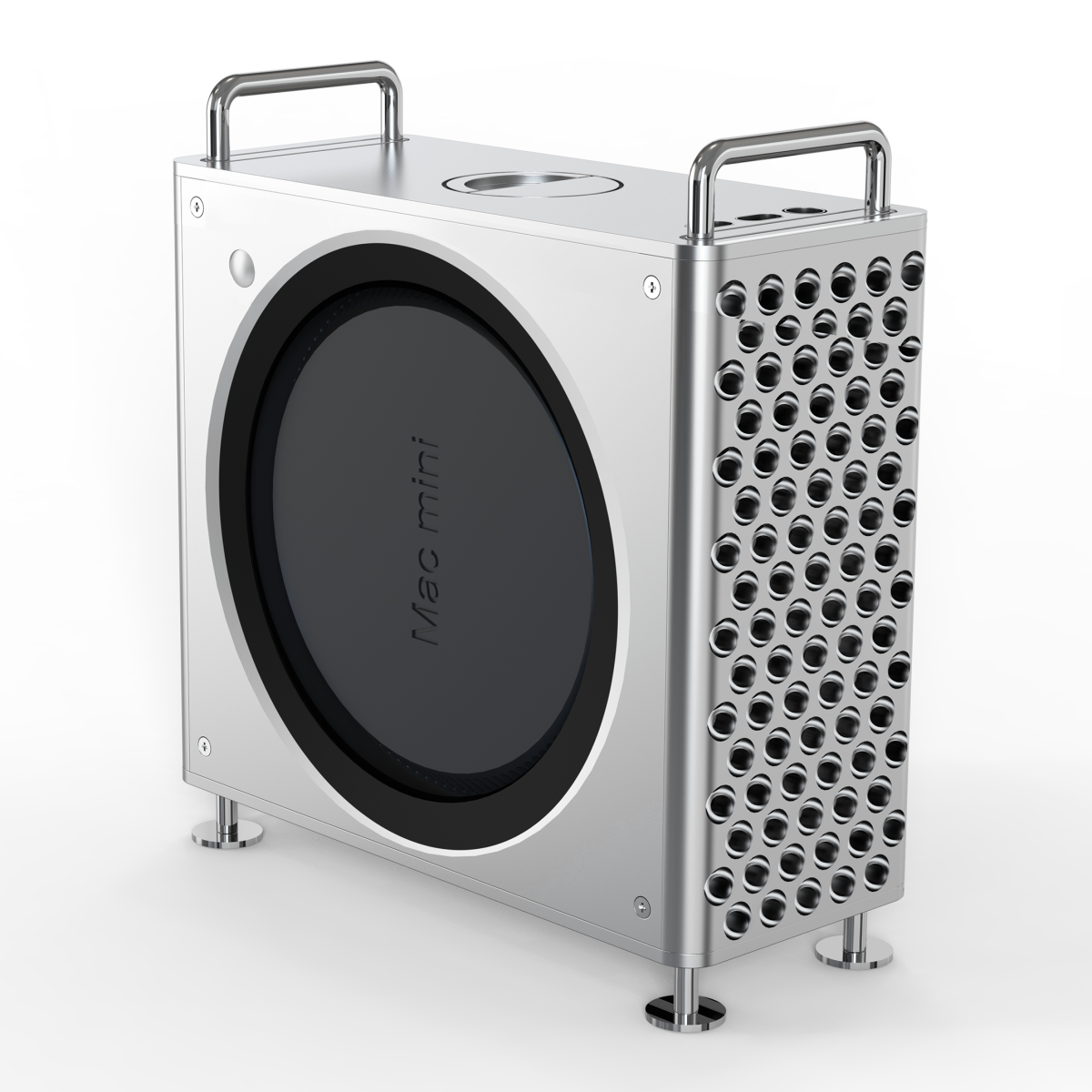
Mac Mini M4 Aluminum Cooling Case
CNC aluminum enclosure for Mac Mini M4 / Mac Mini M4 Pro, improves heat dissipation,
reduces thermal throttling, and enhances Mac Pro-style aesthetics with
premium build quality for desktop setups.
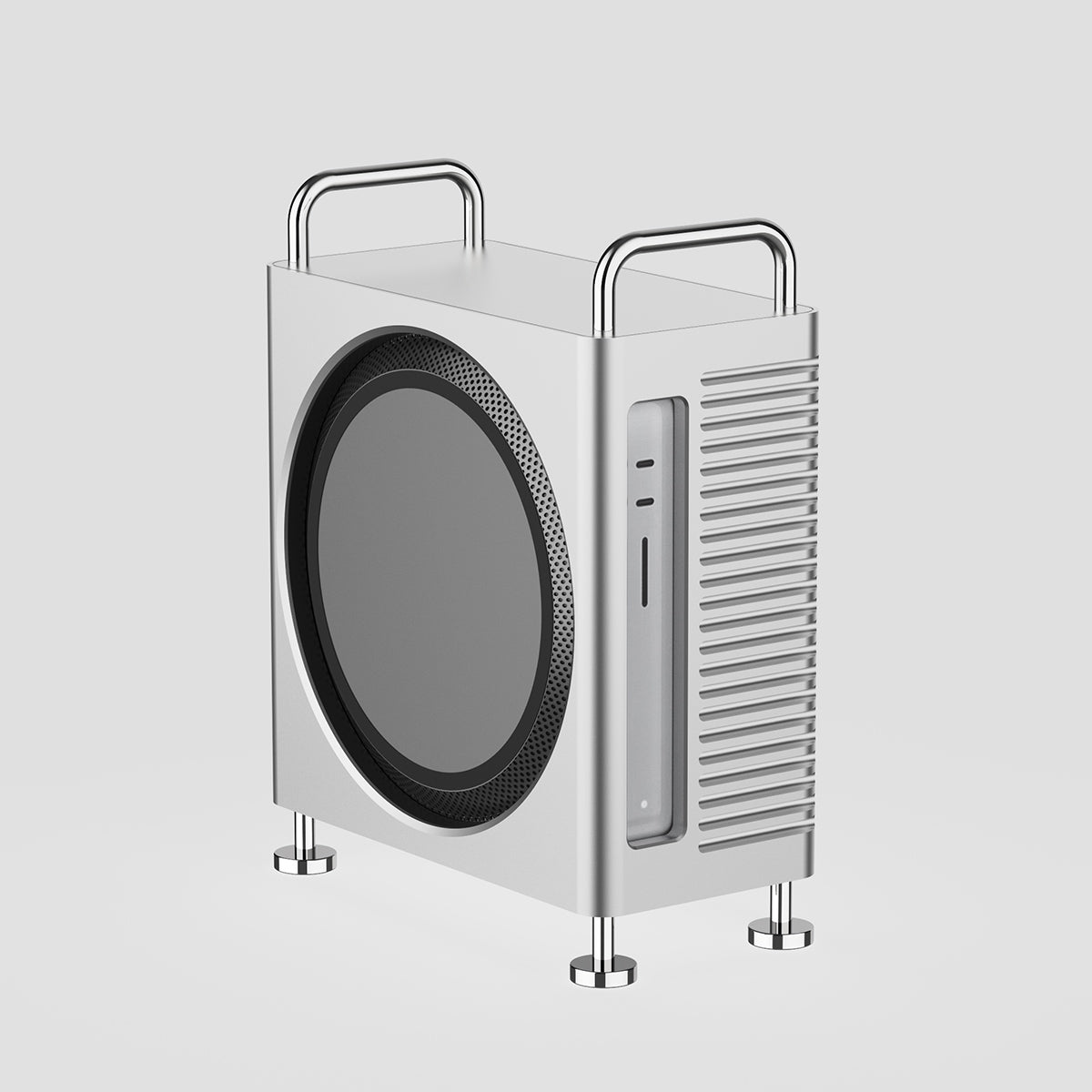
Mac Studio Aluminum Enclosure Case
CNC aluminum enclosure for Mac Studio, improves airflow and thermal performance,
designed for heavy workloads with Mac Pro-inspired structure and stable
high-performance cooling architecture.
Why Are Mac mini and Mac Studio in Short Supply?
The current shortage appears to be caused by more than one factor.
Tim Cook’s comments suggest that demand for Mac mini and Mac Studio has grown faster than Apple expected, especially among users exploring AI and agentic tool workflows. These desktop Macs offer strong performance in compact form factors, making them attractive for developers, creators, and users who want powerful Apple silicon desktops without buying a Mac Pro.
At the same time, high-memory configurations are more sensitive to memory component availability. If demand is concentrated around higher RAM and storage options, Apple may need more time to balance supply across Mac mini and Mac Studio configurations.
1. AI Demand Is Driving Desktop Mac Sales
One of the biggest changes is how users now view the Mac mini and Mac Studio.
Instead of being seen only as compact desktop Macs, they are increasingly being used for AI tools, local development, automation workflows, creative production, and high-memory tasks.
That explains why demand may be stronger than expected. For many users, the Mac mini offers a compact and relatively affordable way to access Apple silicon performance, while Mac Studio remains the more powerful option for heavier workflows.

2. Memory Pressure and High-End Configuration Constraints
Memory pressure is another important part of the story.
AI workloads have increased demand for high-performance memory across the industry. When memory components become harder to source or more expensive, high-memory Mac configurations are usually affected first.
This helps explain why higher-memory Mac mini and Mac Studio configurations may face longer delays than standard models. If demand is concentrated around the exact configurations that power users want, Apple may need more time to balance supply across the lineup.
3. Base Mac mini Configuration Removed: Why It Matters
The removal of the 16GB + 256GB Mac mini configuration is important because it changes the practical entry point for buyers.
Previously, the 16GB + 256GB Mac mini gave users a lower-cost entry into Apple’s desktop Mac ecosystem. With the lowest configuration now shifting to 16GB + 512GB in some markets, the entry price becomes higher even if Apple does not officially describe it as a price increase.
For buyers, this creates a new decision: buy the higher-storage model now, wait for restocks, or consider whether Apple is preparing the lineup for future M5 Mac mini models.

4. Is Apple Preparing for M5 Mac mini or M5 Mac Studio?
The disappearance of the base Mac mini configuration does not automatically confirm that an M5 Mac mini or M5 Mac Studio is coming soon.
However, Apple often manages inventory carefully before major hardware transitions. When supply becomes constrained, configurations disappear, and shipping windows extend, buyers naturally start asking whether a product refresh is approaching.
The safer interpretation is that both factors may be involved: stronger-than-expected AI-driven demand is clearly affecting availability, while Apple’s broader Mac roadmap may also influence how aggressively it restocks certain configurations.

Where Does Mac Studio Stand Now?
With the Mac Pro seeing minimal updates and serving a much narrower audience, the Mac Studio has effectively become Apple’s most relevant high-end desktop for the majority of users.
For many professionals and power users, Mac Studio now sits at the top of Apple’s practical desktop lineup — offering a balance of performance, size, and accessibility that Mac Pro no longer targets.

Should You Buy Now or Wait for M5 Mac mini?
If you need a Mac mini or Mac Studio for work, development, editing, AI tools, or daily productivity, waiting several months may not be practical. The current models remain strong options, especially if you can find the memory and storage configuration you need.
However, if your main concern is future-proofing, AI performance, or a possible M5 upgrade, waiting may make sense — especially if current availability remains limited and entry pricing continues to rise.
In short:
- Buy now if you need a desktop Mac for immediate work.
- Wait if you can afford to delay and want to see whether M5 models arrive.
- Avoid overpaying for limited stock unless the configuration fits your actual workflow.
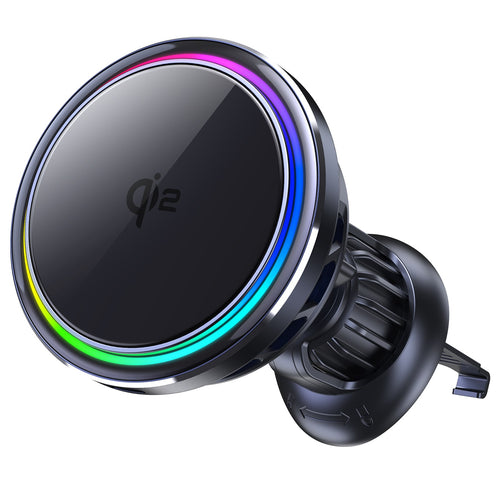
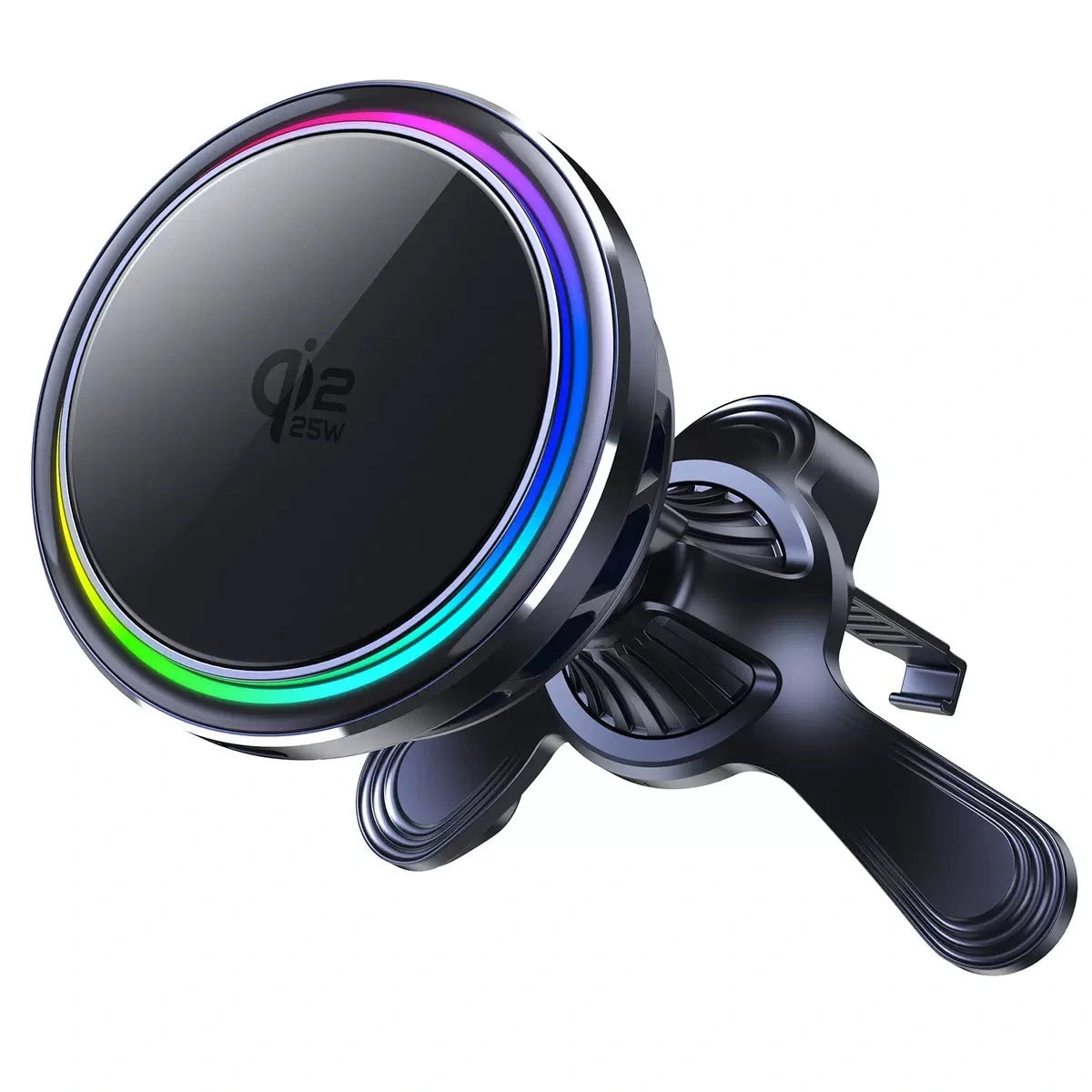
SuVolt Gen5 Qi2.2 25W Car Charger
Qi2.2 active cooling car charger for stable high-speed wireless charging.
Supports up to 25W fast charging with intelligent temperature control system.
Built for navigation, long drives, and secure magnetic mounting stability.
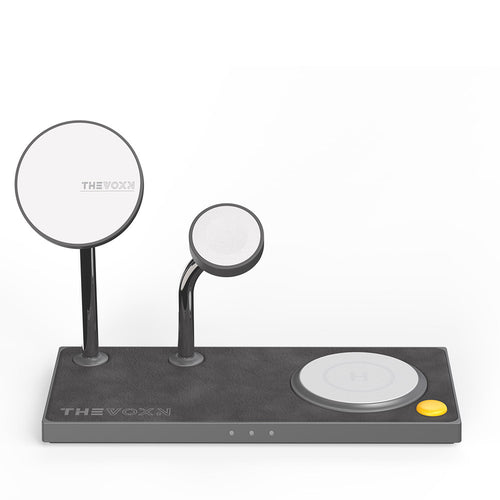
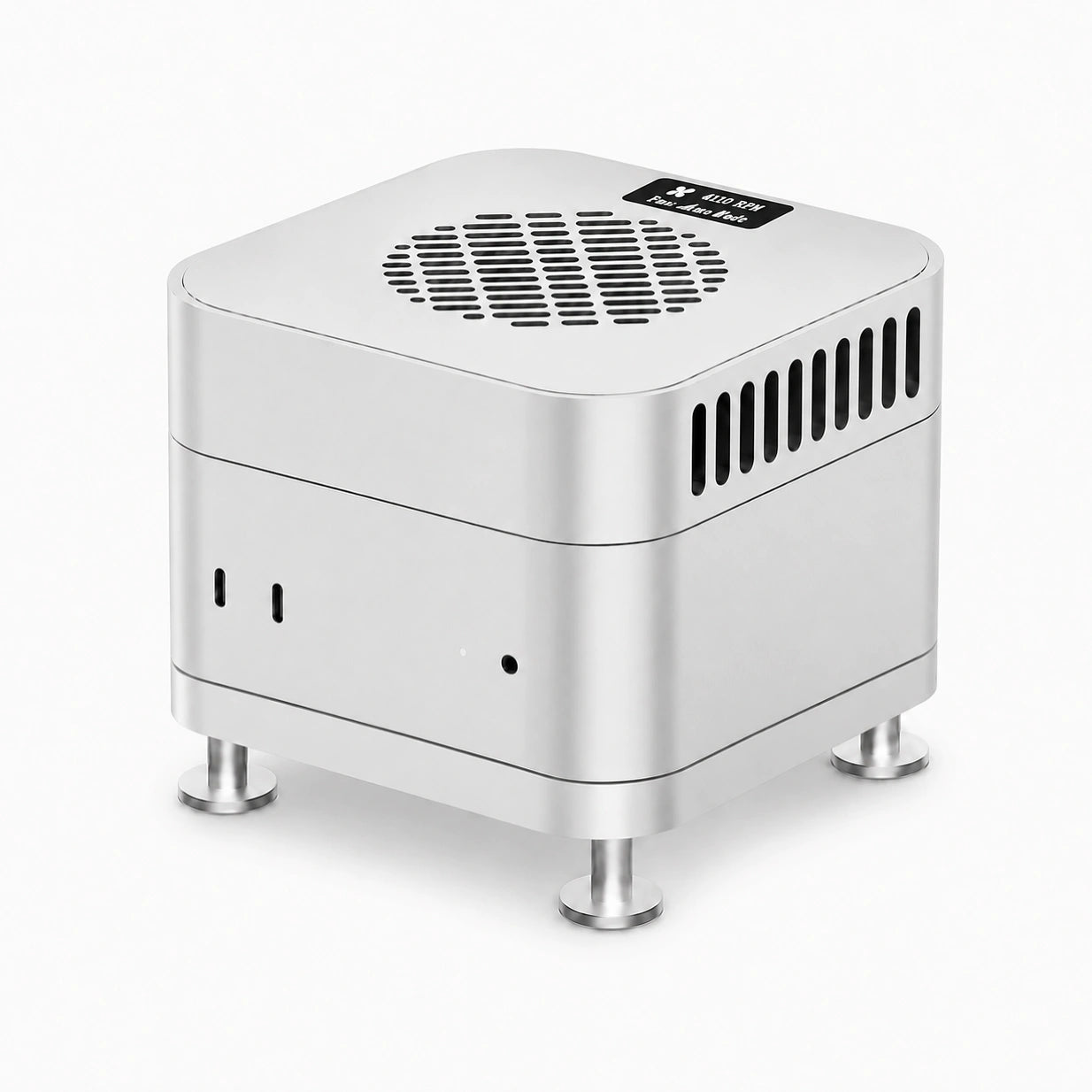
THEVOXN 5-in-1 MagSafe Charging Stand
All-in-one 5-in-1 charging station for iPhone, AirPods, and Apple Watch.
Dual MagSafe alignment ensures stable multi-device charging efficiency.
Clean desktop setup with organized and fast charging experience.
What This Means for Mac mini and Mac Studio Buyers
For buyers, the current situation creates three practical changes.
First, the lowest-cost entry point for Mac mini may be higher in some markets if the 256GB base configuration is no longer available.
Second, higher-memory Mac mini and Mac Studio configurations may continue to face longer wait times because AI-related demand and memory pressure affect the exact configurations many power users want.
Third, uncertainty around future M5 Macs makes the buying decision more complicated. Users who need a machine now may still be better served by current models, while those focused on long-term AI performance may prefer to wait.