Quick Answer
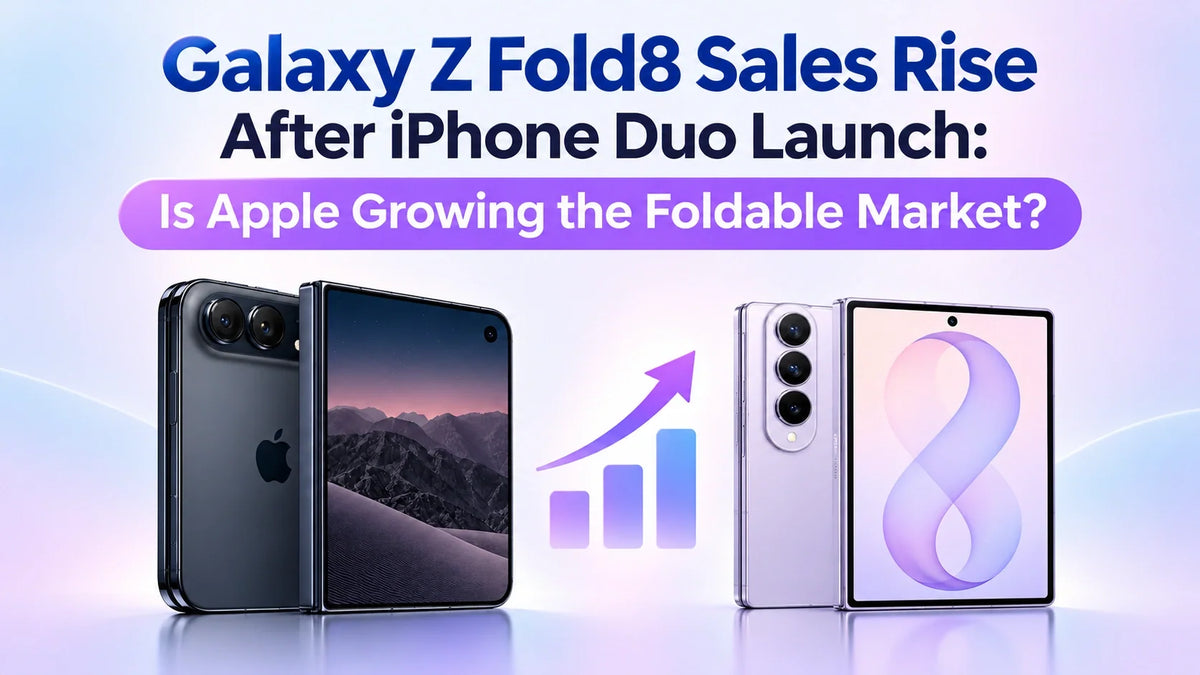
Galaxy Z Fold8 sales in South Korea increased over 20% week over week on October 23–29, 2026, after iPhone Duo launched, reports The Korea Herald.
Apple may be attracting new foldable shoppers, while increased carrier subsidies offer another explanation. The result alone cannot establish growth across the whole market.
What the Korean sales report actually measures
The November 3 report cites local telecom-industry figures without unit totals. Its percentage describes one model’s weekly retail sales, rather than Samsung’s worldwide performance.
No confirmed evidence connects Duo returns to Fold8 purchases. For the separate display story, see our iPhone Duo screen issues and stock update.
Carrier subsidies give Samsung a separate advantage
The commercial backdrop was changing before launch day. The Korea Herald reports that KT increased Fold8 subsidies on October 21, followed by SK Telecom and LG Uplus on October 22. Maximum support reached ₩600,000 on eligible premium plans.
Earlier, ChosunBiz’s October 17 store visits found retailers recommending Samsung on price. Its reported 256GB list prices were ₩3.29 million for Duo and ₩2,278,100 for Fold8, with additional shop discounts widening the gap under specific contract conditions.
Attention and affordability can work together
A launch may prompt someone to consider a folding phone; a discount may determine which one they buy. Those mechanisms can coexist. Measuring sales after both changed cannot isolate the contribution of either.
Could Apple expand the foldable market?
Yes, that is a plausible interpretation. A new entrant can introduce a device format to people who previously ignored it, and some of those shoppers may ultimately choose a rival. This is an explanation to test, rather than a finding established by the Korean sales figure.
New demand
A conventional-phone owner buys a foldable for the first time after comparing the available options. That adds a customer to the category, whichever brand wins the sale.
Demand moved between brands or weeks
An existing foldable buyer chooses a different manufacturer, or buys sooner because of a promotion. That can lift one model’s weekly result without increasing the category’s longer-term customer base.
For shoppers making that comparison, our iPhone Duo vs Galaxy Z Fold8 guide looks at the devices themselves. The market story asks a different question: how many people choose a foldable at all?
Why a strong week can coexist with a weak annual forecast
Our earlier Android foldable shipment forecast article covered a global, full-year outlook excluding Apple. The new Korean observation uses a different geography, product group, measurement and comparison period.
| Measure | Korean report | Earlier forecast |
|---|---|---|
| Coverage | Galaxy Z Fold8 in South Korea | Android foldables globally |
| Time window | October 23–29 versus the prior week | Full year versus the prior year |
| Data type | Reported retail sales | Projected shipments |
A model can rebound locally while a broader segment finishes the year lower. Shipments into distribution can also differ from purchases by end customers as inventory builds or sells down. Revising an annual outlook requires evidence that matches its scope.
What would establish a broader foldable recovery?
The next useful evidence would connect the local sales movement to category totals and buyer behavior:
- Total category sales: comparable retail figures across brands, showing whether foldables are gaining customers overall.
- A longer observation period: several weeks or a quarter, with promotion dates and stock availability accounted for.
- Previous-device data: evidence distinguishing first-time foldable buyers from existing owners changing brands.
ZEERA’s reading is that Apple’s arrival could help rivals compete for a larger audience. Establishing that effect requires category-wide evidence; a successful Samsung sales week is an early observation to follow.
FAQ
Could Samsung sell more foldables while losing market share?
Yes. Market share measures a brand’s proportion of total sales. If the overall category grows faster than Samsung’s volume, Samsung can sell more devices while accounting for a smaller percentage.
Does the biggest subsidy always mean the cheapest contract?
Compare the total commitment: device payments, required plan costs and any eligibility conditions. A larger upfront discount can be offset by a more expensive plan. Korean offers also cannot be assumed to apply in other countries.
Published November 4, 2026. Sales reporting: The Korea Herald, November 3. Retail pricing context: ChosunBiz, October 17.