Updated: August 28, 2026
Quick Answer: For most people buying the M6 Mac mini, 24GB is the best memory configuration.
The reason is not just the extra 8GB of unified memory. Apple's specifications show that the 16GB M6 configuration has 153GB/s of memory bandwidth, while the 24GB and 32GB configurations reach 170GB/s.
Choose 16GB for everyday productivity and lighter workloads, 24GB for the best balance of performance and longevity, and 32GB if you regularly run local AI models, Docker containers, Xcode simulators, large Adobe projects or heavier video workflows.
Mac mini M6 16GB vs 24GB vs 32GB at a Glance
| Memory | Bandwidth | Best For | Recommendation |
|---|---|---|---|
| 16GB | 153GB/s | Office, web, everyday apps, light coding, normal Photoshop | Best for budget buyers |
| 24GB | 170GB/s | Heavy multitasking, creative work, development, moderate local AI | Best overall choice |
| 32GB | 170GB/s | Local AI, Docker, Xcode, large photo projects, heavier video workflows | Best when capacity matters |
The most important difference is easy to miss: 24GB is the point where the M6 moves from 153GB/s to 170GB/s memory bandwidth.
Moving from 24GB to 32GB gives you more capacity, but it does not increase memory bandwidth again.
Why Is the 24GB M6 Mac mini Different?
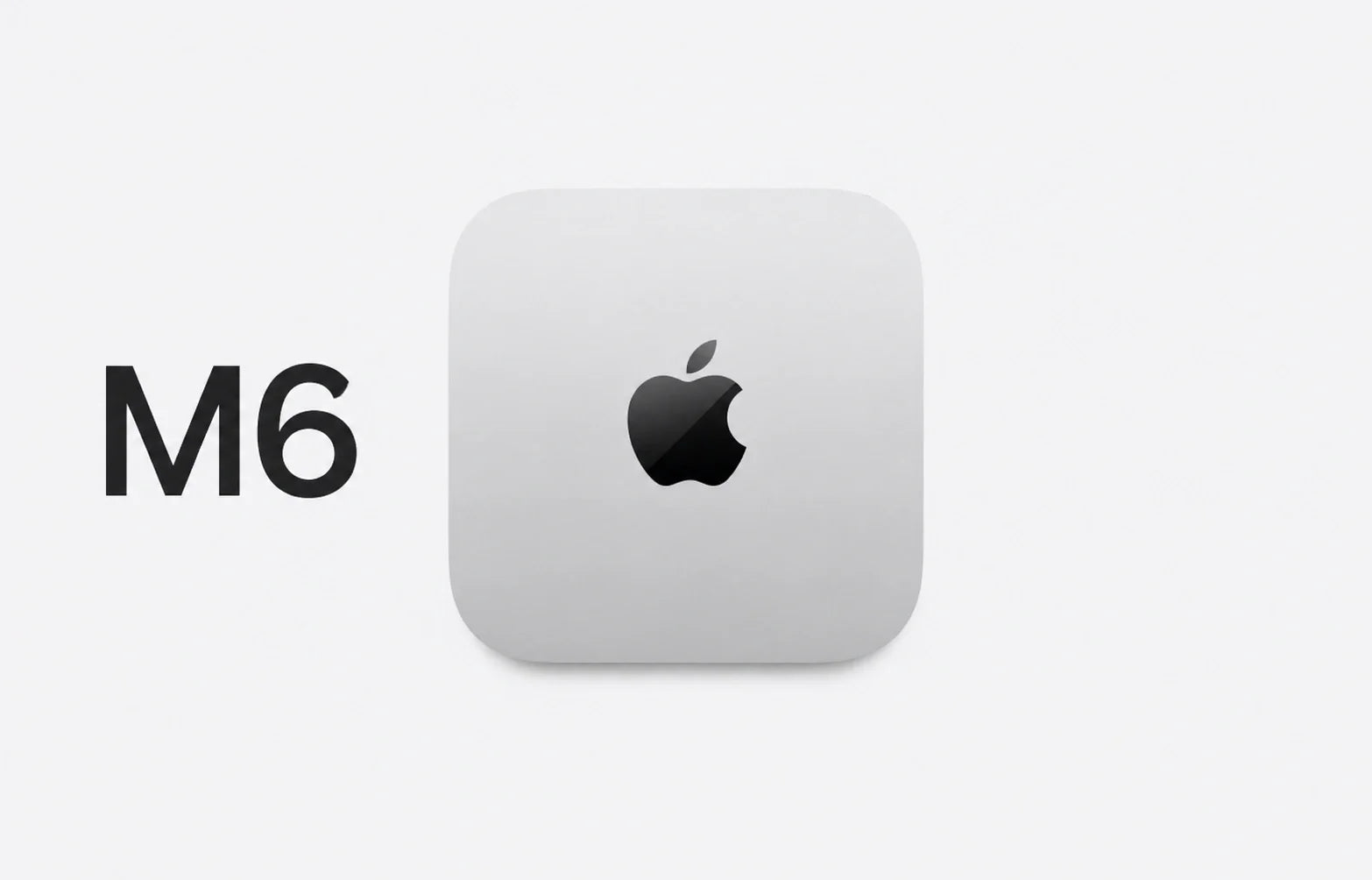
Apple markets the M6 as offering up to 170GB/s of unified memory bandwidth. But that maximum figure does not apply to every M6 Mac mini configuration.
Apple's technical specifications list the 16GB configuration at 153GB/s. Selecting 24GB or 32GB raises bandwidth to 170GB/s.
That is roughly an 11% increase in theoretical memory bandwidth.
16GB → 24GB is therefore a double upgrade: you get 50% more unified memory capacity and higher memory bandwidth.
This does not mean a 24GB Mac mini will be 11% faster in every app.
Safari, Word, email and basic office work are unlikely to show a meaningful difference from bandwidth alone. The advantage becomes more relevant when the CPU, GPU or AI workload needs to move large amounts of data through unified memory.
Is 16GB Enough for the M6 Mac mini?
Yes. 16GB is still enough for a large number of Mac mini users.
It makes sense if your typical day includes Safari or Chrome, Office, Slack, email, streaming, light coding and normal photo editing.
It is also reasonable for a home Mac, office workstation, media computer or general-purpose desktop.
The M6 itself is still the same 12-core CPU and 12-core GPU platform. Choosing 16GB does not turn it into a slow computer.
The limitation appears when several memory-heavy tasks begin competing for the same unified memory.
For example, dozens of browser tabs combined with Photoshop, Lightroom, development tools, virtual machines or local AI can push memory pressure much higher than basic productivity workloads.
When available memory becomes tight, macOS can rely more heavily on swap storage. That can keep applications running, but it is not the same as having enough physical unified memory available in the first place.
Who Should Buy the 24GB M6 Mac mini?
24GB is the configuration we would recommend to the widest range of M6 Mac mini buyers.
It gives you significantly more breathing room than 16GB without automatically paying for the maximum 32GB configuration.
More importantly, it is the first memory tier that gives the M6 its full 170GB/s memory bandwidth.
24GB is particularly attractive for users who regularly work with:
- Photoshop and Lightroom
- Final Cut Pro or similar video editors
- Xcode
- Multiple development tools
- Moderate Docker workloads
- Large browser sessions
- Occasional local AI models
- Heavy multitasking
It is also the safer option if you plan to keep the Mac mini for several years.
Apps, browsers and AI features are unlikely to become less memory-intensive over time. Buying additional unified memory now can therefore matter more than choosing extra internal storage that could later be supplemented externally.


Who Actually Needs 32GB?
The move from 24GB to 32GB is different.
Both configurations provide the same 170GB/s memory bandwidth.
You are therefore paying for a larger working memory pool, not another increase in memory bandwidth.
That distinction matters.
32GB makes sense when your workload can genuinely consume more than 24GB, including:
- Running larger local AI models
- Keeping several Docker containers active
- Running multiple Xcode simulators
- Working with large Lightroom catalogs
- Editing complex Photoshop documents
- Working with larger video timelines
- Using multiple professional applications simultaneously
If a project fits comfortably inside 24GB, the 32GB configuration should not suddenly become faster simply because it has another 8GB available.
But once a 24GB system begins running short of memory and relying heavily on swap, the additional capacity of the 32GB model can make a much bigger practical difference.
Does 153GB/s vs 170GB/s Matter for Local AI?
Local AI is one of the strongest reasons to pay attention to memory bandwidth rather than looking only at RAM capacity.
Large language models need to move model data through memory continuously during inference. Memory bandwidth can therefore influence how quickly data reaches the GPU and other processing units.
The jump from 153GB/s to 170GB/s does not guarantee an identical percentage increase in AI performance. Model architecture, quantization, GPU utilization, context length and software optimization all affect actual speed.
But the distinction between capacity and bandwidth is useful:
- Memory capacity helps determine what models and workloads can fit comfortably in memory.
- Memory bandwidth helps determine how quickly that data can be moved and processed.
This is another reason the 24GB configuration is unusually interesting.
It increases both at once.
The 32GB model goes one step further primarily on capacity, giving developers and AI users more room for models, context, applications and background processes.
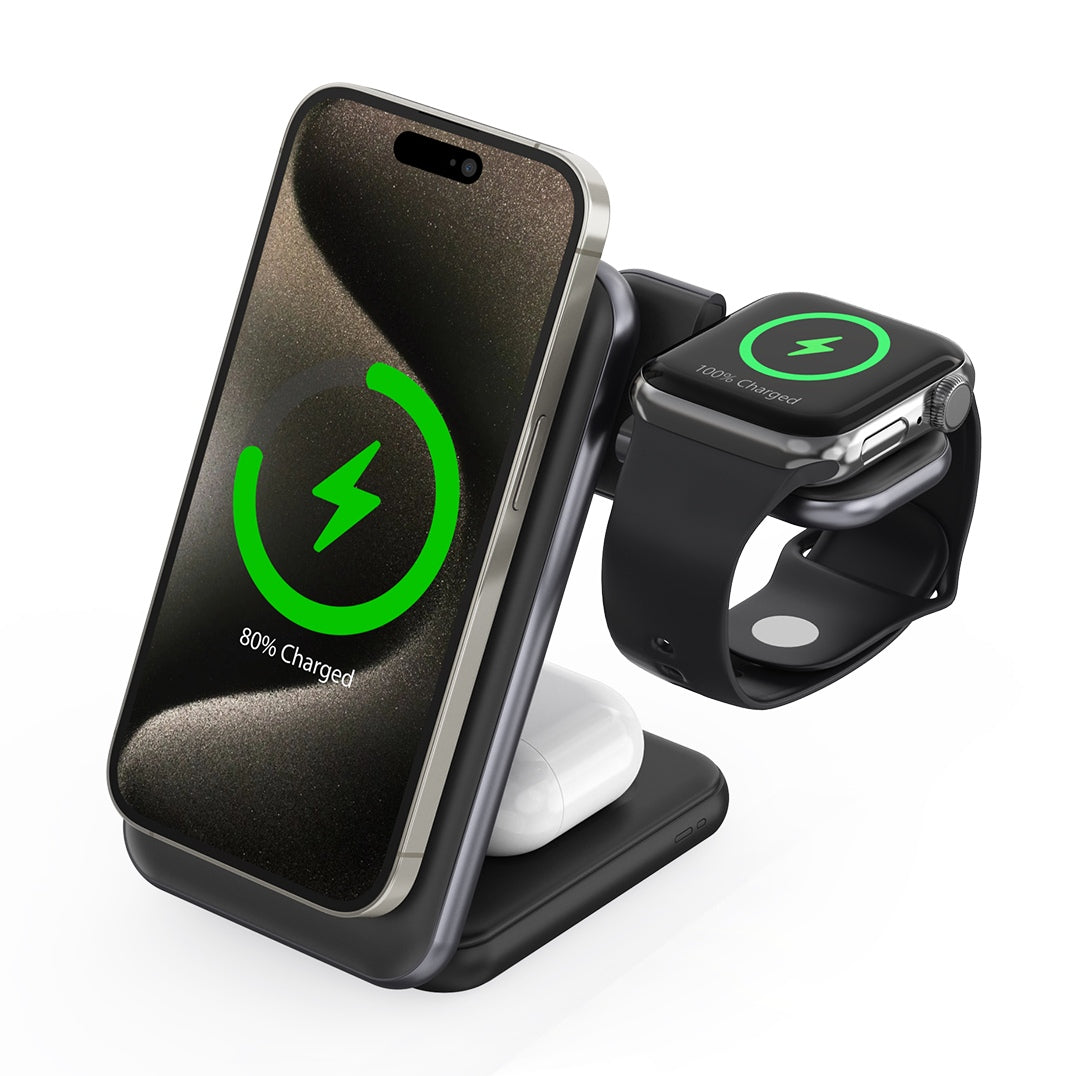
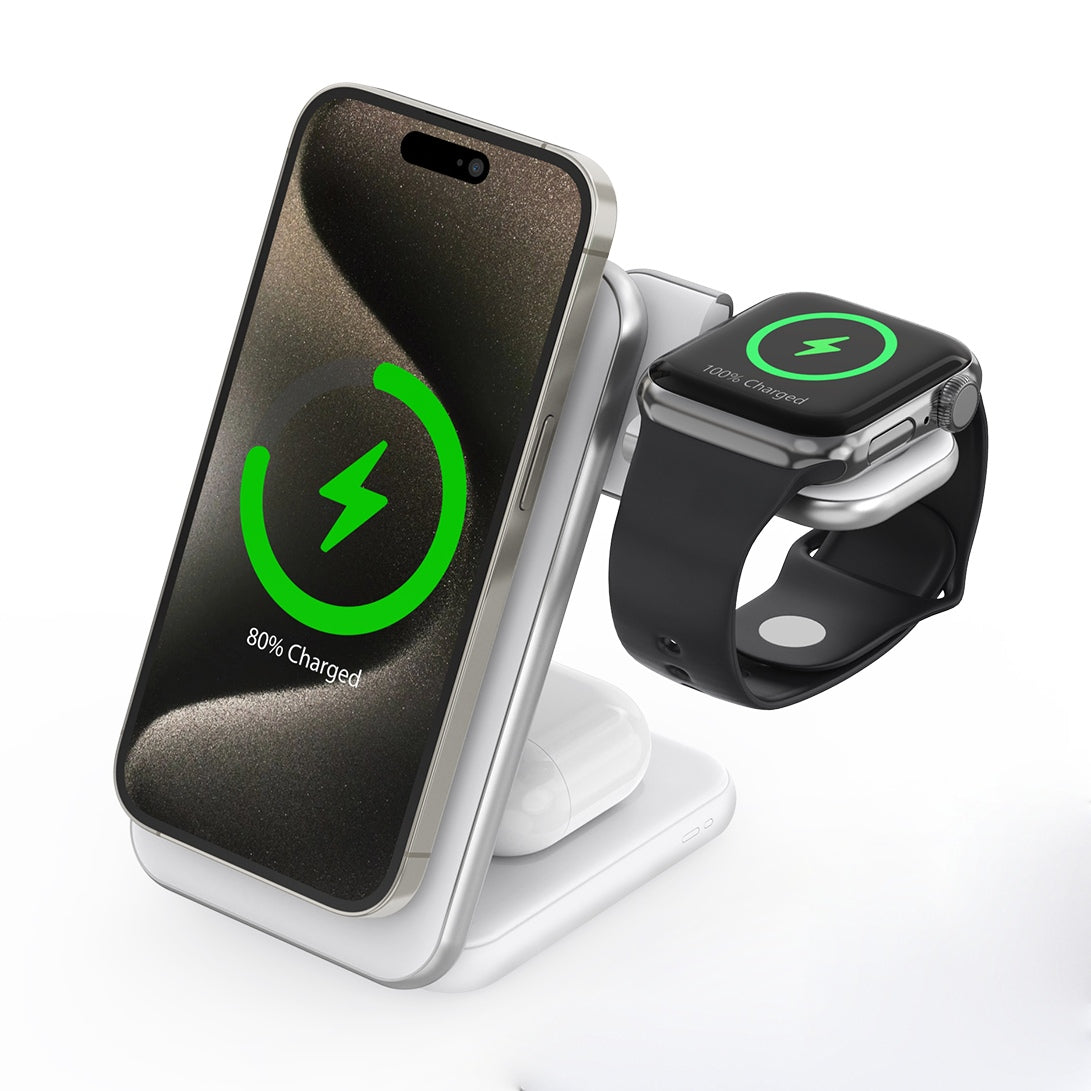
iPhone 18 Pro Max MagSafe Charger & Stand
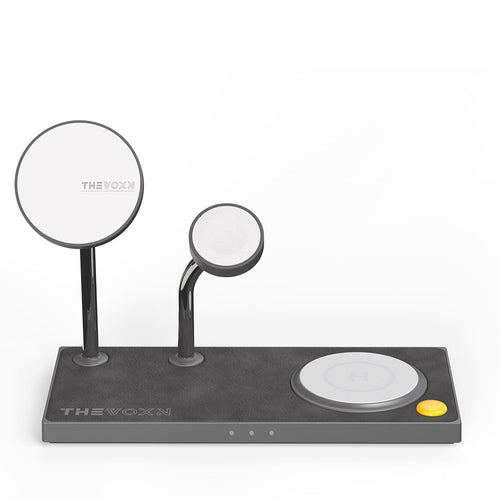
ZEERA MagTri Gen2 Qi2.2 Foldable MagSafe Charger
- 25W Qi2.2
- 3-in-1 fold
- Active cooling
- Travel size
- 3-device ready
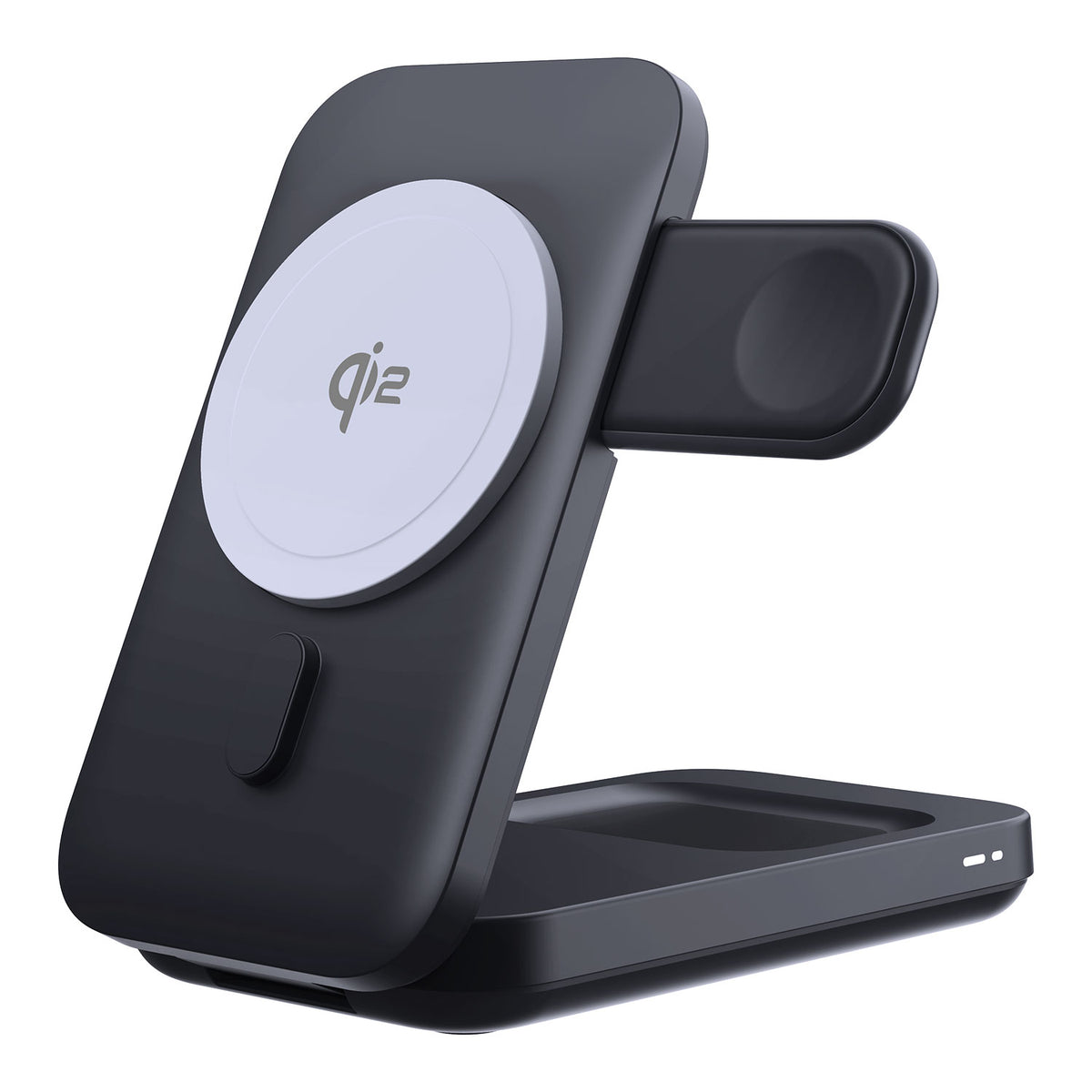
ZEERA MagSion 5-in-1 Dual MagSafe Charger Stand
- Dual MagSafe
- 5-in-1 stand
- Watch charging
- Angle adjust
- Clean setup
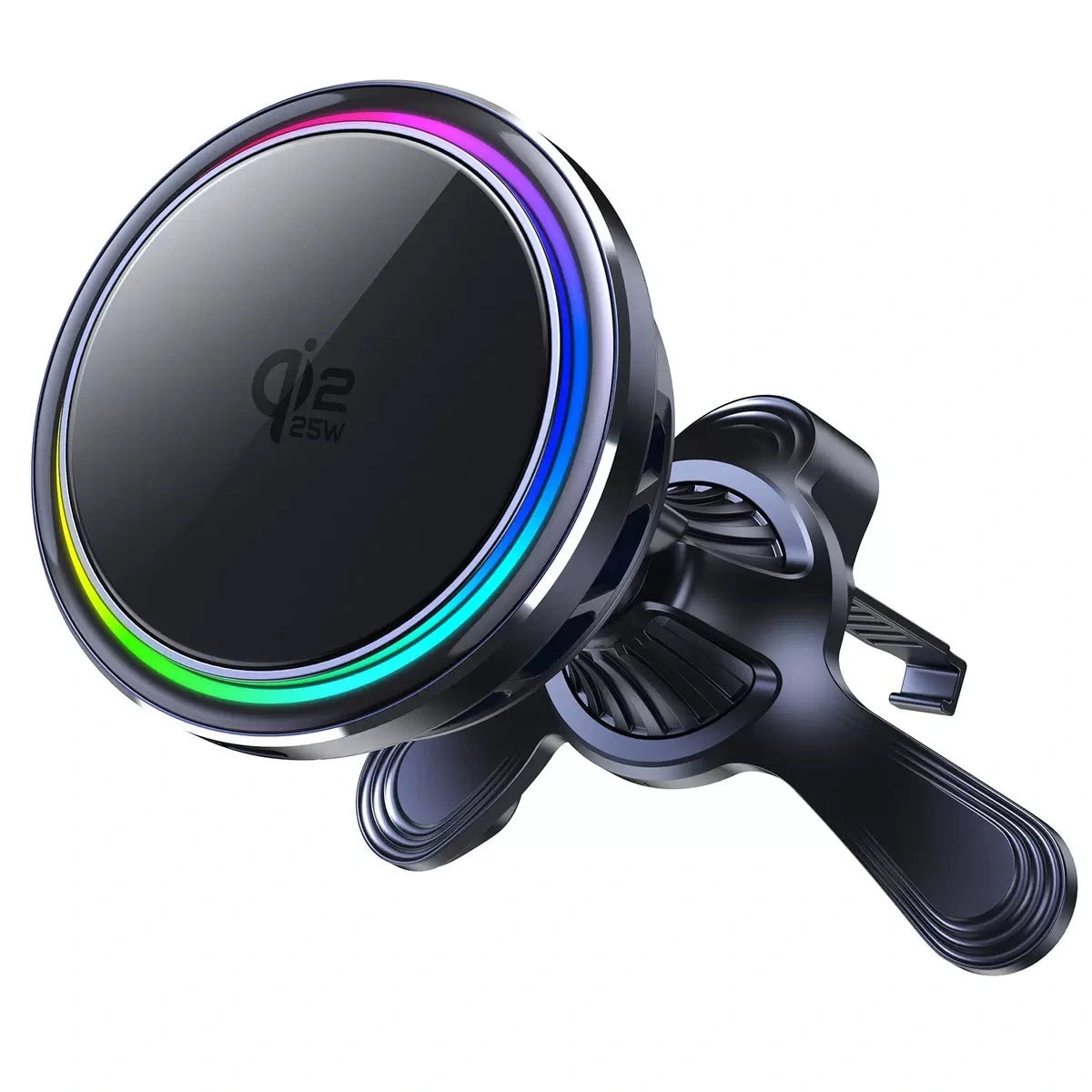
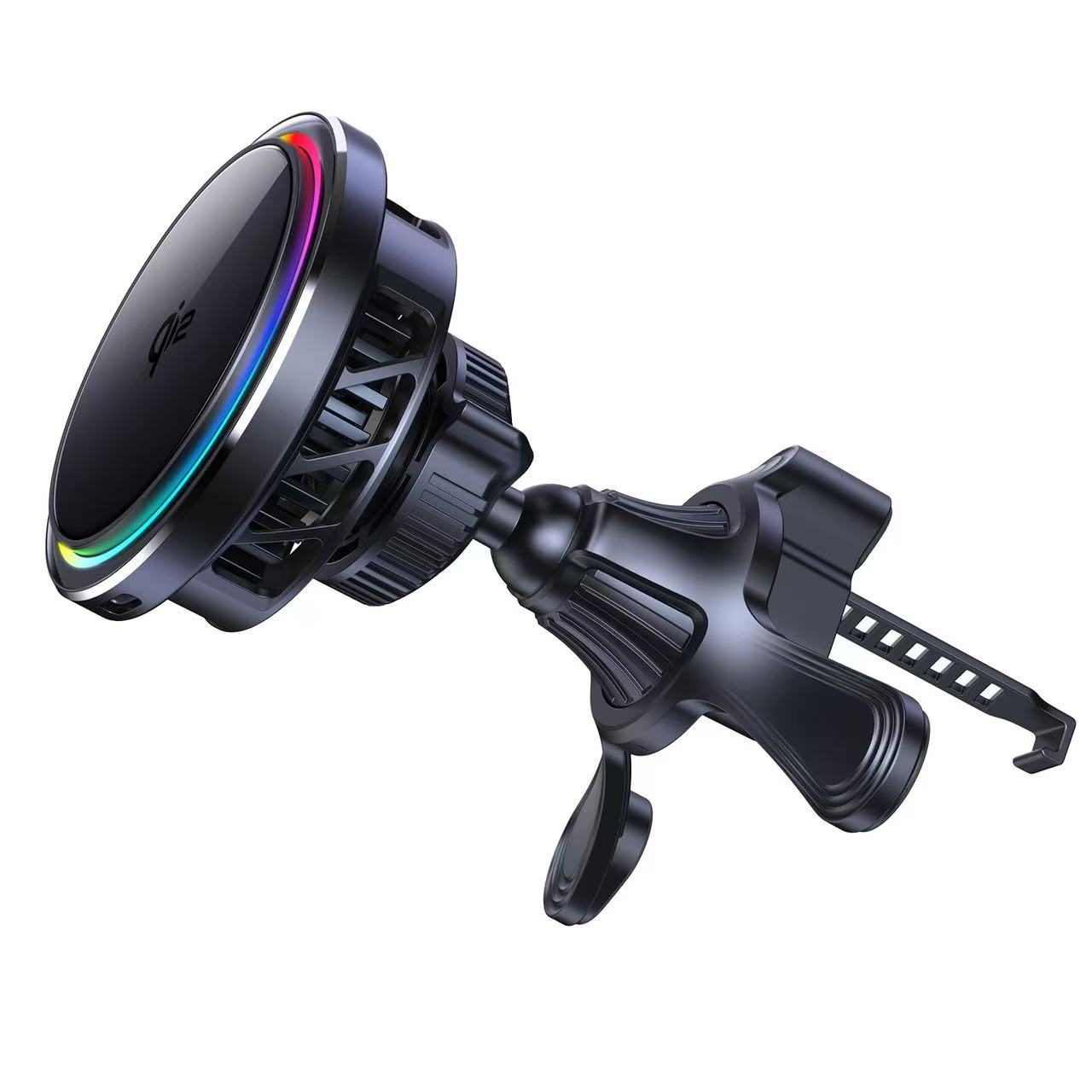
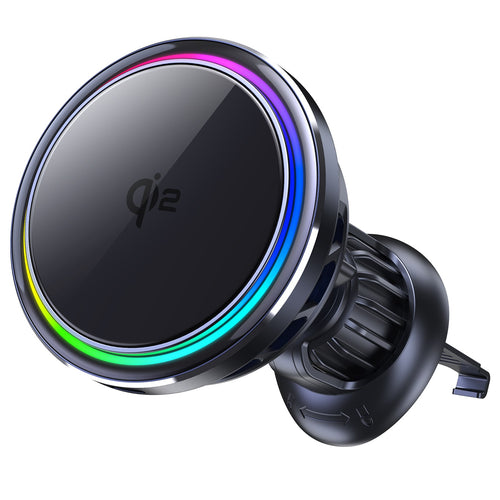
ZEERA SuVolt Gen5 Qi2.2 Active Cooling Car Charger
- 25W Qi2.2
- Active cooling
- Strong magnet
- CarPlay ready
- Heat control
Should You Upgrade RAM or SSD First?
If your budget only allows one upgrade, we would prioritize moving from 16GB to 24GB unified memory before increasing the internal SSD for most performance-focused buyers.
There are two reasons.
First, the memory upgrade gives you more capacity and moves the M6 from 153GB/s to 170GB/s.
Second, unified memory cannot simply be expanded later with a normal RAM module.
Storage is different in practice.
Although the Mac mini's internal SSD is not a conventional user-upgradable drive, the M6 Mac mini includes Thunderbolt 4 and USB connectivity, making high-speed external storage a practical option for media libraries, project files and archives.
Our preferred upgrade order for most buyers:
- 24GB unified memory
- 512GB or larger internal SSD
- 32GB memory if your workload genuinely needs the extra capacity
There is one obvious exception.
If you only use lightweight applications but already know that 256GB cannot hold your files, applications and photo library, increasing internal storage can be more useful than buying memory you will rarely use.
But for developers, creators and users interested in local AI, the 24GB memory upgrade is especially compelling on M6 because it also unlocks the higher bandwidth tier.
Mac mini Setup
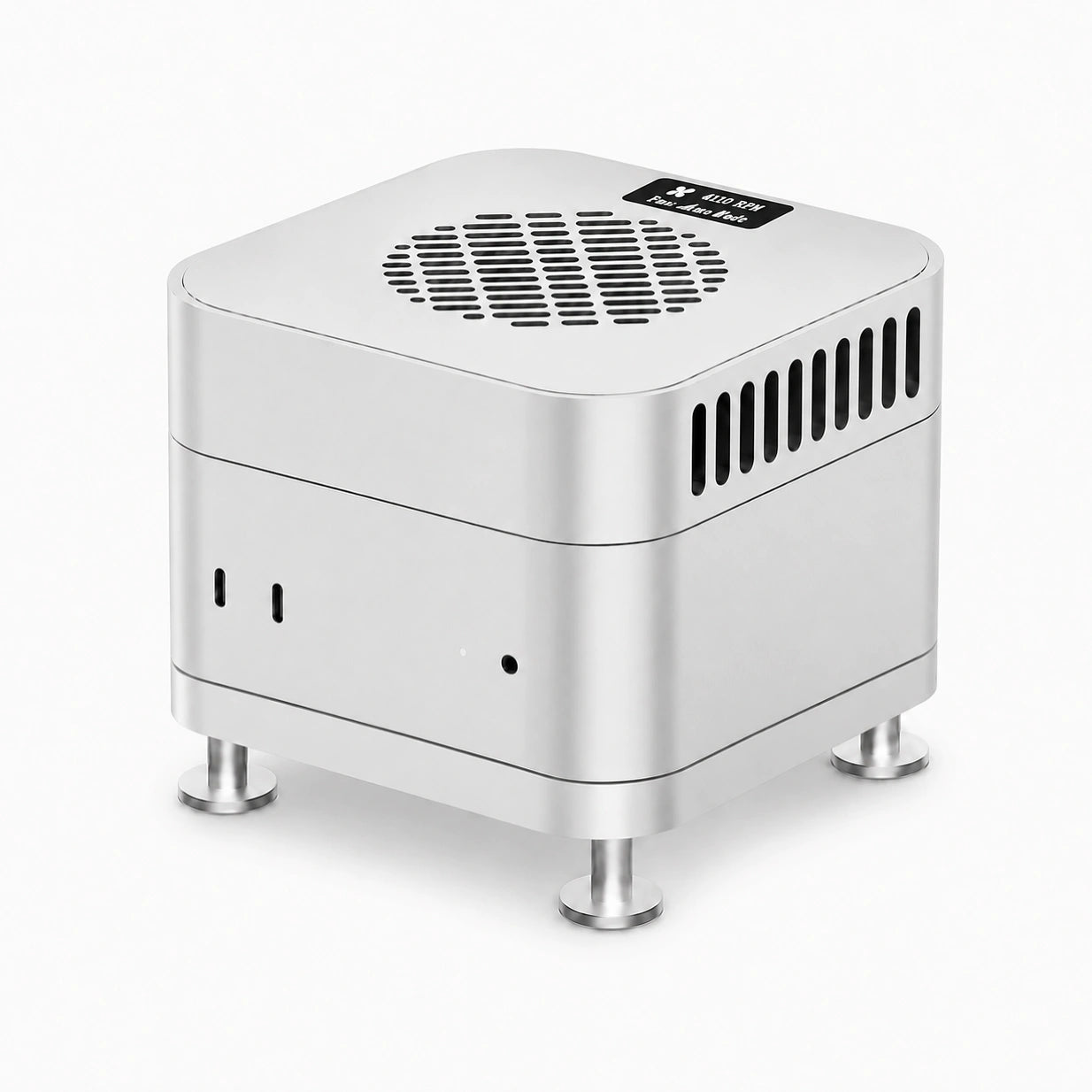
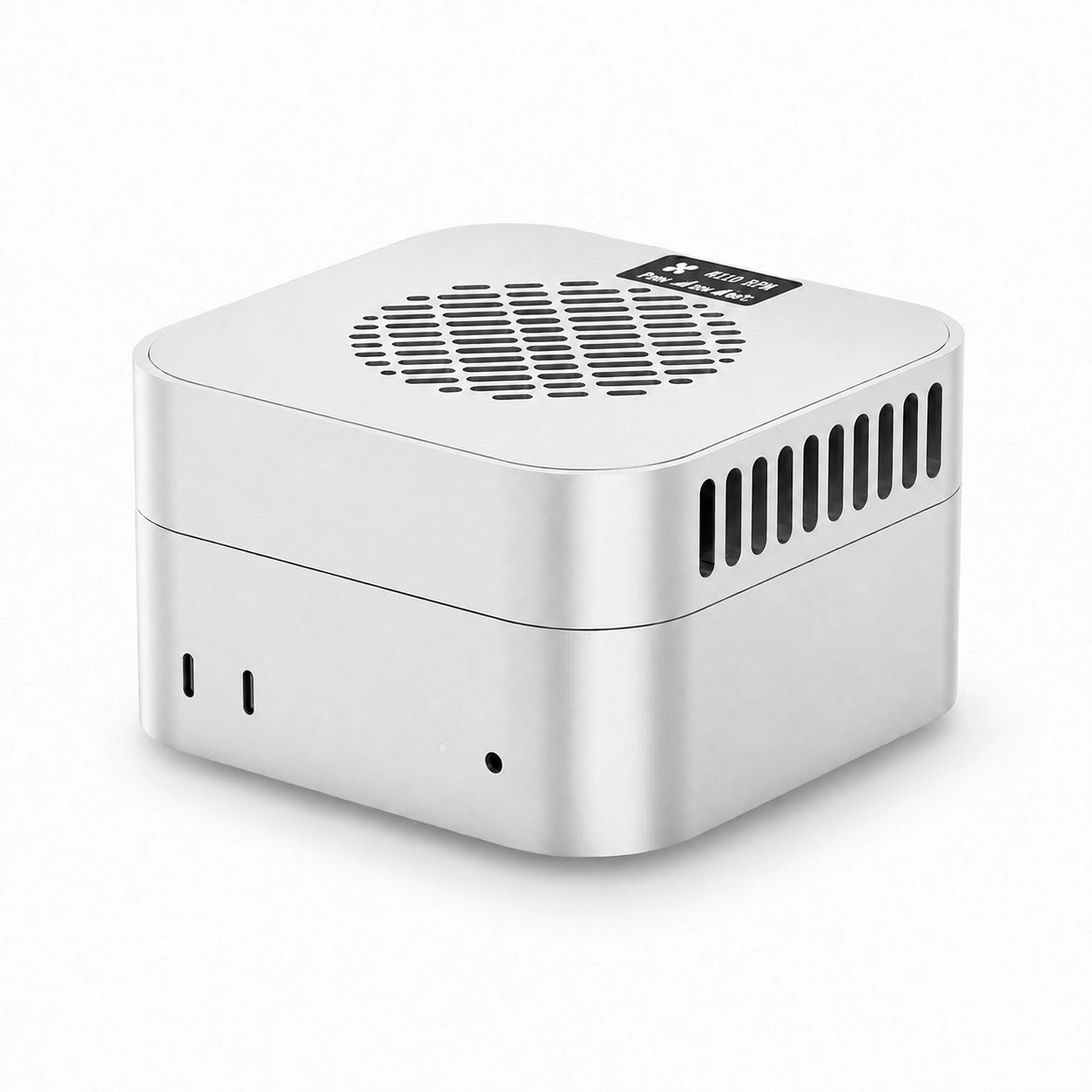
ZEERA MacForge Gen3 CNC Aluminum Mac Mini Case
The M6 Mac mini keeps the compact 5-inch desktop design, which makes external storage and cable organization an important part of a complete setup.
The ZEERA MacForge Gen3 transforms the Mac mini into a Mac Pro-inspired CNC aluminum desktop enclosure with an airflow-focused grille design and integrated space for a compatible external SSD enclosure.
This can be particularly useful if you choose to spend your upgrade budget on 24GB or 32GB unified memory first and expand your working storage externally later.

So Which M6 Mac mini Memory Should You Buy?
Buy 16GB if you mainly use your Mac for office work, browsing, entertainment, light coding and occasional creative tasks.
Buy 24GB if you want the best overall M6 Mac mini configuration. You get 50% more memory than the base model and the jump from 153GB/s to 170GB/s memory bandwidth.
Buy 32GB if you already know that your workflows regularly benefit from more than 24GB of unified memory, especially local AI, development, Docker, larger Adobe projects or heavier video work.
Bottom line:
For the M6 generation, 24GB is not simply the middle RAM option. It is the configuration where you gain both more unified memory and the M6's full 170GB/s memory bandwidth, making it the strongest value for many buyers.
FAQ
Is 16GB enough for the M6 Mac mini?
Yes. 16GB is enough for web browsing, Office, media, general productivity, light coding and normal photo editing. Heavy multitasking, local AI and professional creative workflows are stronger reasons to choose 24GB or 32GB.
Is 24GB worth it on the M6 Mac mini?
For many buyers, yes. In addition to providing 8GB more unified memory, the 24GB configuration increases memory bandwidth from 153GB/s to 170GB/s.
Is the 32GB M6 Mac mini faster than the 24GB model?
Both 24GB and 32GB configurations have up to 170GB/s memory bandwidth. The main advantage of 32GB is additional memory capacity. It can perform better when a 24GB system would otherwise run short of memory and rely heavily on swap.
Does the 16GB M6 Mac mini have 170GB/s memory bandwidth?
No. Apple's current technical specifications list the 16GB M6 configuration at 153GB/s. The 24GB and 32GB configurations are listed at 170GB/s.
Is 24GB enough for local AI on Mac mini M6?
24GB is a strong starting point for experimenting with local AI and smaller or moderately sized quantized models. The exact model you can run depends on model size, quantization, context length and memory used by macOS and other applications.
Should I get 24GB or 32GB for local AI?
Choose 24GB for occasional or moderate local AI use. Choose 32GB if local models are a major reason you are buying the Mac mini and you want more memory available for model weights, longer contexts and other applications.
Should I upgrade Mac mini RAM or SSD first?
For most performance-focused M6 buyers, upgrading from 16GB to 24GB unified memory first makes more sense. It increases both memory capacity and bandwidth, while storage can be supplemented later with a fast external SSD.
What is the best M6 Mac mini configuration for most people?
For users who want better longevity without moving into a much more expensive professional configuration, an M6 Mac mini with 24GB unified memory and at least 512GB of internal storage is one of the most balanced choices.