更新日:2026年9月2日:以下の価格はすべて、米国での消費税別の開始価格です。最終価格は、ストレージ容量、国、為替レート、通信キャリアのオファーによって異なる場合があります。
クイックアンサー
iPhone Fold(iPhone Ultraとも広く呼ばれています)は、約1,999ドルからという新たなプレミアム価格帯に位置付けられる可能性があります。そうなればAppleは、iPhone 18 Proを1,099ドル、iPhone 18 Pro Maxを1,199ドルに維持しやすくなります。
メモリ、ストレージ、次世代コンポーネントの価格上昇に対応するため、100ドル程度の値上げは依然としてあり得ます。ただしProモデルの価格を据え置く方が、より大きな戦略的メリットを生む可能性があります。買い替え需要の増加、市場シェアの拡大、そして長期的なサービス収益の向上です。
重要なのは、各iPhoneの製造コストだけではありません。主力Proモデルを意外なほど手に取りやすく感じさせることで、Appleがエコシステム全体でより多くの収益を得られるかどうかです。
iPhone 18 ProとiPhone Foldはいくらになる?
現在の価格予想は、大きく3つのシナリオに分けられます。最初のシナリオは、Appleの実験的な折りたたみハードウェアと、販売台数の多いProラインを明確に分ける点で特に興味深いものです。
| 価格シナリオ | iPhone 18 Pro | iPhone 18 Pro Max | iPhone Fold / Ultra | 想定される影響 |
|---|---|---|---|---|
| 価格据え置き | 1,099ドル | 1,199ドル | 約1,999ドル | 販売台数の伸びと市場シェア拡大の可能性が最も高い |
| 小幅な値上げ | 1,199ドル | 1,299ドル | 1,999〜2,199ドル | 部品コストと消費者需要のバランスを取れる |
| 大幅な値上げ | 1,299ドル以上 | 1,399ドル以上 | 2,299〜2,499ドル | ハードウェア利益率は守れるが、買い替えへの抵抗が強まる |
折りたたみiPhoneの1,999ドルという予想は、消費者にとってより攻めた、手に取りやすいシナリオです。より新しいアナリスト予想では、折りたたみディスプレイ、ヒンジ、高度な素材、初期生産の少なさを理由に、2,000ドルを超える価格帯に置かれています。
この差は重要です。AppleはiPhone Foldを、比較的手に取りやすい折りたたみスマートフォンへの入口として出すことも、少量販売の高級製品として出すこともできます。
過去のiPhone Pro発売時価格
Appleの米国におけるProモデルの価格推移は、多くの人が記憶しているより安定しています。標準Proモデルは6世代連続で999ドルを維持し、その後iPhone 17 Proで開始ストレージが2倍になり、1,099ドルへ上がりました。
| 世代 | Pro開始価格 | Pro Max開始価格 | 開始ストレージ |
|---|---|---|---|
| iPhone 11 Pro | 999ドル | 1,099ドル | 64GB |
| iPhone 12 Pro | 999ドル | 1,099ドル | 128GB |
| iPhone 13 Pro | 999ドル | 1,099ドル | 128GB |
| iPhone 14 Pro | 999ドル | 1,099ドル | 128GB |
| iPhone 15 Pro | 999ドル | 1,199ドル | Pro 128GB / Pro Max 256GB |
| iPhone 16 Pro | 999ドル | 1,199ドル | Pro 128GB / Pro Max 256GB |
| iPhone 17 Pro | 1,099ドル | 1,199ドル | 256GB |
| iPhone 18の予想価格 | 1,099〜1,199ドル | 1,199〜1,299ドル | 256GBから開始する見込み |
米国での過去の発売時価格は、iPhone 11 Pro、iPhone 14 Pro、iPhone 15 Pro、iPhone 16 Pro、iPhone 17 Proに関するApple公式発表にもとづいています。
これらの価格を比較する際は、ストレージを考慮する必要があります。iPhone 17 Proが999ドルから1,099ドルへ上がった際には、128GBから256GBへの増量も伴っていました。同一構成で単純に100ドル上がったわけではありません。

Mac miniにおすすめ
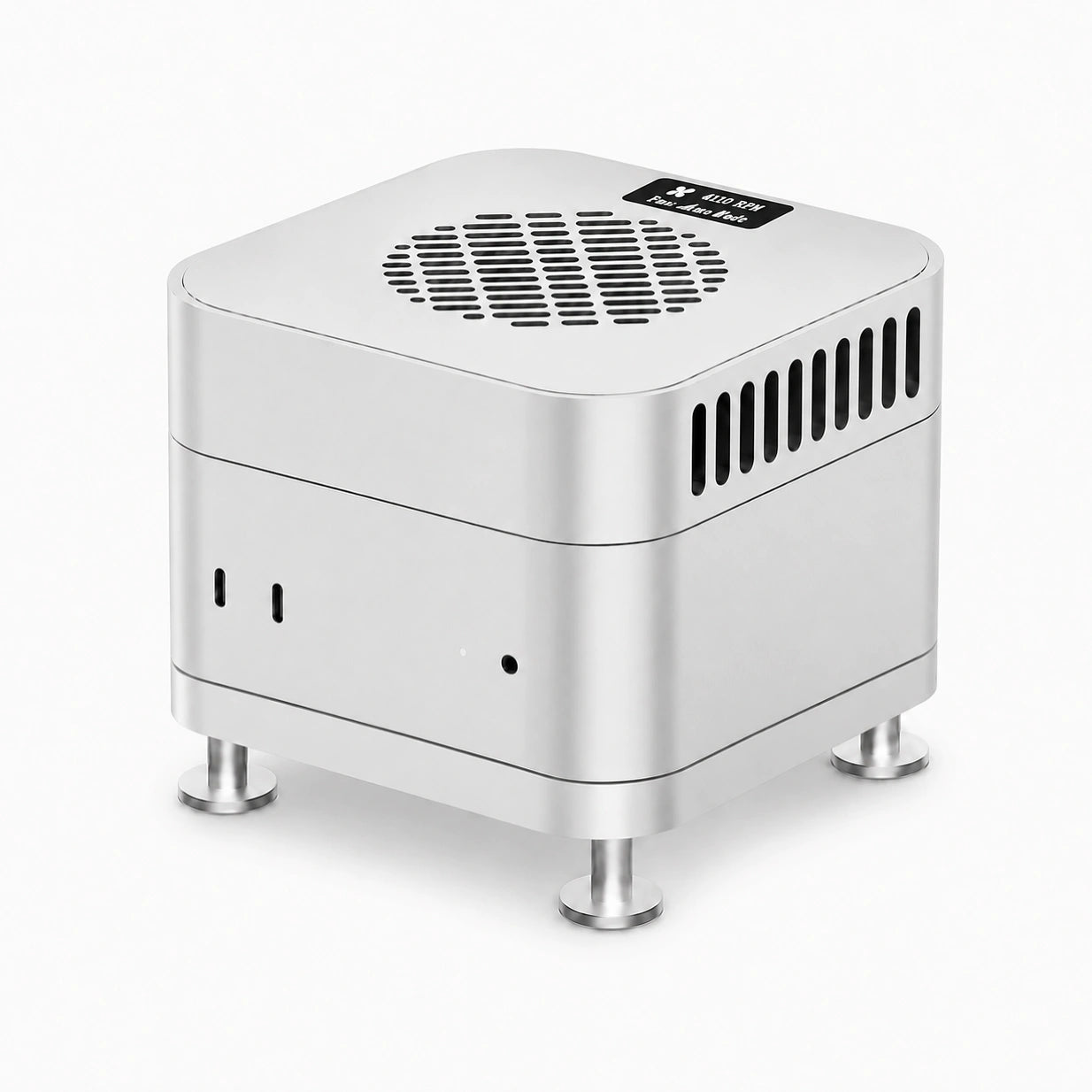
ZEERA MacFrost Pro:Mac Mini M6、M5 Pro、M4用 30W熱電式アクティブクーラー+アルミニウムスタンド
ZEERA MacFrost Proは、長時間の負荷を想定して設計され、30W熱電式アクティブクーラーとCNCアルミニウムスタンドを組み合わせています。Mac miniに追加の熱的余裕を与えながら、底面のエアフローも改善します。長時間のビデオ書き出し、ローカルAI処理、3Dレンダリング、大規模なコードビルドに適しています。
今すぐ購入AppleがiPhone 18 Proの価格を据え置く可能性がある理由
1. 大幅値上げへの予想がAppleに有利に働く可能性
メモリコスト、高度なチップ、その他の部品コストの上昇により、多くの消費者はiPhone 18 Proの大幅な値上げを予想しています。
Appleが代わりに1,099ドルと1,199ドルの開始価格を発表すれば、その数字は1年前よりも魅力的に感じられるかもしれません。予想されていた値上げが行われないことは、実際の価格が下がらなくても、ほとんど値引きのように機能します。
これにより発売時の反応が強まり、迷っているユーザーの買い替えを後押しし、さらに1年購入を延期する人を減らせる可能性があります。
2. 競合が値上げする中で、価格の安定は市場シェアを獲得できる
スマートフォン市場全体も同様のコスト圧力を受けています。メモリ、ストレージ、ディスプレイ、AI関連ハードウェアの価格上昇は、多くのメーカーの平均販売価格を押し上げています。
競合のフラッグシップスマートフォンが高くなり、iPhone 18 Proが1,099ドルを維持すれば、Appleの相対的な価値は高まります。iPhone自体が安くなる必要はなく、競合製品より値上がり幅が小さければよいのです。
これは、すでにプラットフォーム変更を検討しているAndroidユーザーに特に有効かもしれません。ソフトウェアサポート、リセールバリュー、エコシステムの互換性を判断に含めると、価格差が小さいほどiPhoneを選びやすくなります。
3. AppleはiPhone販売後も長期的に収益を得る
Appleは、購入当日に生まれる利益だけでiPhoneユーザーを評価しているわけではありません。アクティブなiPhoneが1台増えるごとに、iCloud、AppleCare、App Store、Apple Music、Apple TV、アクセサリー、その他のサービスを通じて将来の収益を生み出す可能性があります。
Appleの2025年度の報告では、iPhoneの純売上高は2,096億ドル、総純売上高は4,162億ドルでした。つまりiPhoneは、Appleの年間売上高の約50.4%を直接占めていました。
サービス部門はさらに1,092億ドルを生み、ハードウェアよりはるかに高い粗利益率を持っています。そのためAppleは、価格の安定によってより多くのユーザーを長期的なエコシステムへ迎え入れられるなら、iPhone 18 Pro 1台あたりの利益を少し抑える可能性があります。
4. iPhone Foldが新しいプレミアム価格の上限を作る
1,999ドルのiPhone Foldがあれば、iPhone 18 Pro Maxは比較的手に届きやすく見えます。これは価格アンカー効果と呼ばれるものです。大幅に高いモデルが存在することで、その下にあるモデルの評価が変わります。
1,199ドルなら、Pro Maxは高価なフラッグシップではなく、実用的なフラッグシップに見え始めるかもしれません。Foldに魅力を感じても1,999ドルを正当化できないユーザーは、買い替えをせずApple Storeを去るのではなく、Pro Maxへ移る可能性があります。
したがってFoldは、アーリーアダプターからより多くの収益を得ながら、通常のProラインをより妥当な価格に見せるという2つの形で売上を支えることができます。
5. Appleはイノベーションのコストと主力販売台数を分けられる
第1世代の折りたたみiPhoneには、すべてのProモデルへ追加する必要のない高価な部品が必要です。折りたたみディスプレイ、ヒンジシステム、内部構造、特殊な製造工程は、1つのプレミアム製品に集約できます。
これによりAppleは、最も実験的なハードウェアに高い価格を付けながら、iPhone 18 Proの購入者全員に同じコストを負担させずに済みます。
この構造ではiPhone Foldが技術のショーケースとなり、iPhone 18 Proは販売台数の多いフラッグシップであり続けます。
6. 販売台数の増加がAppleの成長目標を支える
Appleは、より強い成長期待の中でこの製品サイクルに入りました。2026年度第3四半期の売上高は1,094億ドルに達し、前年同期比16%増となりました。業界予測では、2026年のiPhone生産台数見通しも引き上げられています。
Appleは通年のiPhone販売台数目標を固定値として発表していません。しかし、生産期待の高まりとiPhone売上への依存度を考えると、発売時の価格設定は、より高い売上水準を目指すための非常に強力な手段です。
値上げは1台あたりの売上を増やしますが、価格を維持すれば販売台数の合計を増やせる可能性があります。需要が十分に強く反応すれば、後者の戦略は導入済みデバイスの基盤を広げながら、より大きな総売上を生むことができます。
7. 通信キャリアの販促がより説得力を持つ
米国では、多くの購入者が定価全額よりも、月額の支払額や下取りオファーを重視します。
開始価格が1,099ドルなら、Appleと通信キャリアのパートナーは、手に取りやすい月額料金を打ち出しやすくなります。「対象端末の下取りで実質無料」や大幅割引のキャンペーンも設計しやすくなります。
大きな値上げはこれらの訴求を弱めるか、キャリアにより多くの補助金を負担させることになります。価格の安定は、買い替えのストーリーを分かりやすく保ちます。
8. iPhoneのリセールバリューの循環を守れる
高いリセールバリューは、多くの顧客がiPhoneを使い続ける理由の一つです。ユーザーは既存端末を下取りに出したり売却したりして、次の端末の費用を下げることがよくあります。
新しいiPhoneの価格が急速に上がりすぎると、古い端末の下取り価値だけでは差額を埋められない可能性があります。購入者はそれでも大幅に多い自己負担を求められます。
iPhone 18 Proを現行価格に近い水準へ抑えることは、この買い替えサイクルを守り、ユーザーが古いスマートフォンをもう1年使い続けるリスクを減らします。


小幅な値上げが最も現実的な結果となる理由
完全な価格据え置きは需要に強く働く可能性がありますが、Appleは上昇する製造コストにも対応しなければなりません。
iPhone 18 Proには新世代のAppleシリコンが搭載されると予想され、メモリとストレージの価格は電子機器業界全体で上がっています。Appleはカメラハードウェア、ディスプレイ、物流、地域別関税でもコスト上昇に直面するかもしれません。
100ドルの値上げは中間案になります。AppleはiPhone 18 Proを1,199ドル、Pro Maxを1,299ドルに設定しても、200ドルや300ドルの値上げで生じるような衝撃を避けられます。
標準ストレージを増やす、下取り額を改善する、月額分割払いで価格を提示するといった方法で、Appleはこの変更を和らげることができます。ただし開始ストレージが256GBのままであれば、顧客は新価格をiPhone 17 Proラインと直接比較するでしょう。
最もバランスの良いシナリオ:Appleは少なくとも1つのProモデルを現在の価格に近く保ち、必要な場合の値上げを約100ドルに抑え、Pro Maxより上の需要をiPhone Foldで取り込む。
Appleが最終価格を決める前に考慮すべきこと
ハードウェア利益率への圧力
Apple製品の粗利益率は、サービス事業より低くなっています。特に需要が期待ほど強くない場合、より多くの部品コストを吸収すると、1台あたりの利益を減らす可能性があります。
価格の安定は、低下した1台あたりの利益率を補えるだけの追加販売を生み出せる場合に、最も有効に機能します。
iPhone Foldによるカニバリゼーションの可能性
1,999ドルの折りたたみiPhoneは、本来なら大容量のiPhone 18 Pro Maxを買う顧客を引き付ける可能性があります。Appleはより高額な販売を得られますが、Foldがモデル間の分かりやすい価格階層を崩す可能性もあります。
各デバイスの役割を明確にするには、Pro MaxとFoldの間に十分な価格差が必要です。
折りたたみiPhoneの供給は限られる可能性
第1世代の製造は、発売時に入手できるFoldの台数を制限するかもしれません。1,999ドルという価格は、Appleがすぐに満たせない需要を生む可能性があります。
より高い価格は需要を抑え、利益率を改善しますが、初の折りたたみiPhoneが既存の折りたたみスマートフォンと比べて競争力に欠けるように見える可能性もあります。
地域別価格は上がる可能性がある
Appleが米国価格を維持したとしても、ヨーロッパ、日本、英国、その他の市場の購入者は、通貨、税金、地域の運営コストにより価格変動を目にする可能性があります。
そのため「値上げなし」は、すべての国が同じ小売価格を維持する保証ではなく、あくまで米国で採られる可能性のある価格戦略として理解すべきです。
Pro Maxとの価格差は調整が必要かもしれない
iPhone 17 ProとPro Maxは開始構成で100ドルしか差がありません。この小さな差額は、より大きな画面とバッテリー駆動時間を求める購入者にとって、大型モデルを魅力的にしています。
AppleがiPhone 18 Proを1,099ドルに維持するなら、アップグレードを最大化するためPro Maxを1,199ドルに保つか、Foldの下に余裕を作るため1,299ドルへ上げるかを選べます。

この価格戦略が購入者に意味すること
iPhone 18 Proが1,099ドルを維持すれば、新しいハードウェア、長期的な使いやすさ、価格のバランスが最も良い選択肢になるかもしれません。購入者は、iPhone Foldに伴う第1世代プレミアムを支払うことなく、通常のフラッグシップを手にできます。
Pro Maxは、バッテリー駆動時間と大きなディスプレイを優先するユーザーにとって、引き続き良い選択肢です。Foldは、タブレットに近い画面と新しいフォームファクターに明確な価値を感じる購入者を対象にします。
アクセサリーにも異なる互換性ルールが適用されます。iPhone Foldには、ヒンジと折りたたみ構造に合わせて設計されたケースが必要ですが、iPhone 18 Proケースは引き続きモデル専用です。
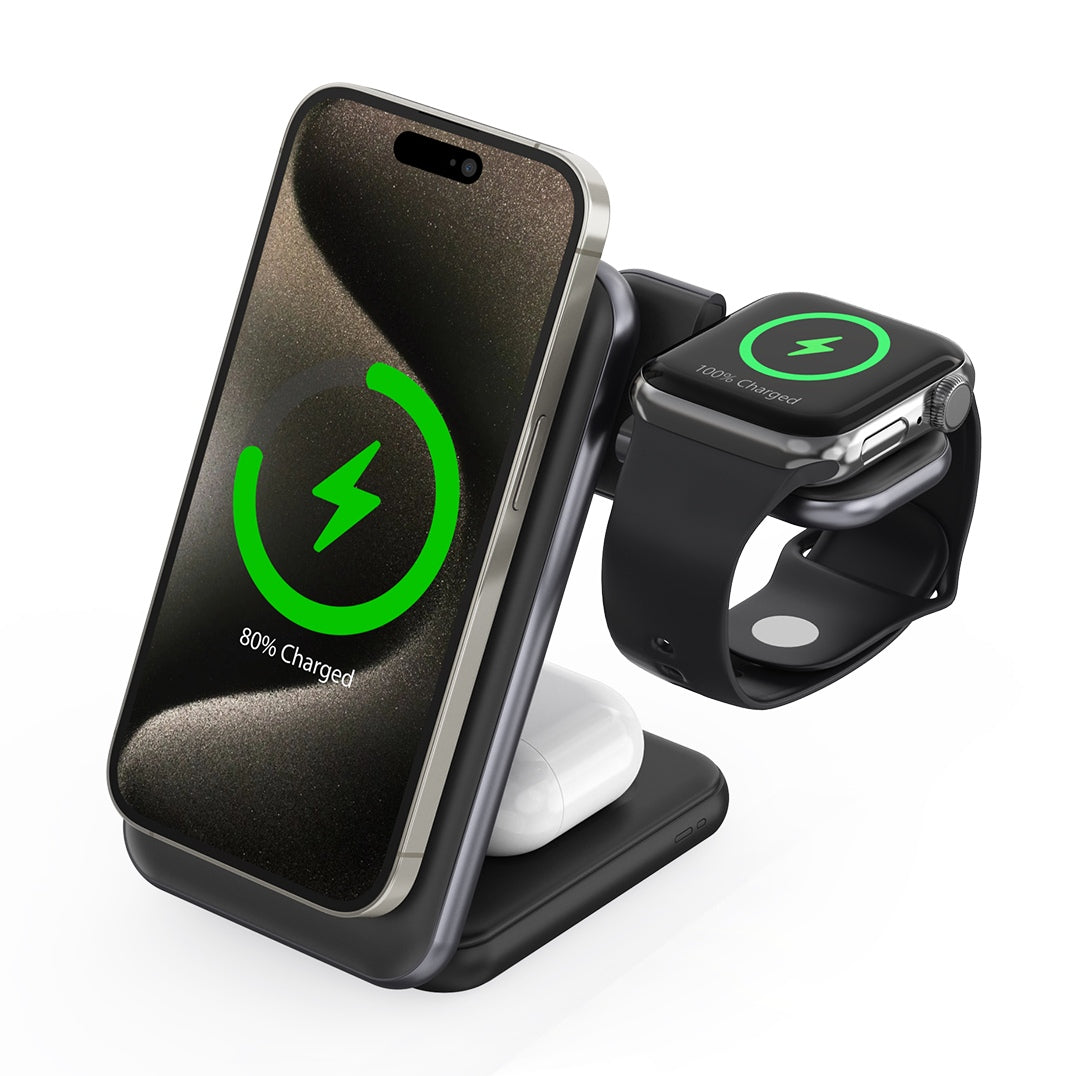
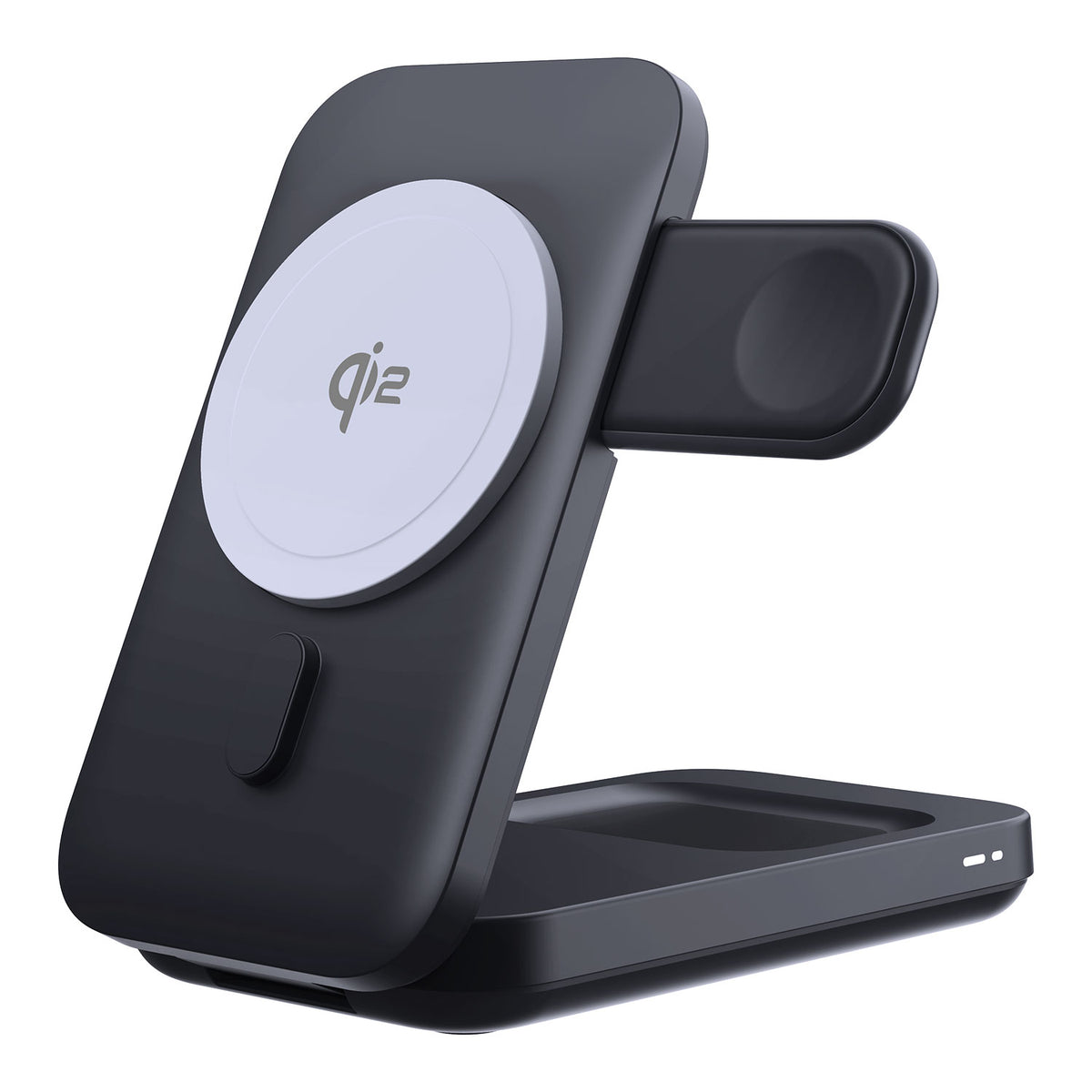
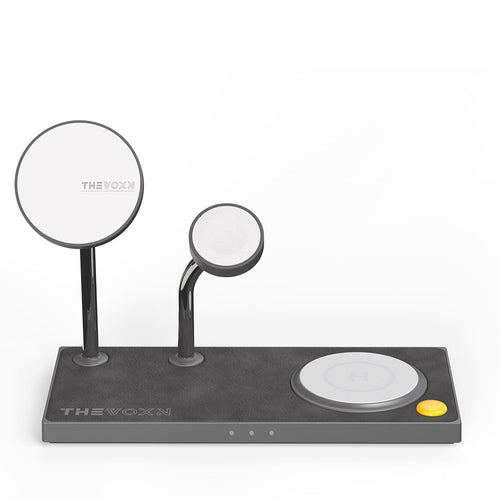
事前に準備したい購入者は、今後登場するiPhone Ultra・折りたたみiPhoneケース、iPhone 18 Pro・Pro Maxケース、iPhone 18 Proシリーズ用MagSafe充電器を確認できます。
価格を比較する前に、開始ストレージ、キャリアの条件、下取り額、地域の税金を確認してください。表示上の価格が低くても、必ずしも総所有コストが最も低いとは限りません。
結論
約1,999ドルから始まるiPhone Foldは、Proライン全体を大幅に高い価格帯へ押し上げることなく、Appleが上位方向へ製品を拡張する手段になる可能性があります。
iPhone 18 Proを1,099ドル、Pro Maxを1,199ドルに維持すると、ハードウェア利益率には圧力がかかります。しかし、消費者が大幅な値上げを予想しているまさにそのタイミングで、より強い需要を引き出せる可能性もあります。
そのメリットは発売初日の売上にとどまりません。市場シェアの拡大、アクティブデバイス基盤の増加、より強いサービス収益、健全な下取り活動、そして価格が上がり続けるAndroidフラッグシップとの比較での優位性にもつながる可能性があります。
100ドル程度の小幅な値上げは、現実的な妥協点として残ります。大きな値上げもあり得ますが、その場合Appleはハードウェアの改善が追加コストに見合うことを、より強く証明する必要があります。
Appleにとって最も利益の出る価格は、請求できる最高価格とは限りません。iPhone Foldのプレミアムな位置付けを弱めず、最も多くの顧客をエコシステムへ迎え入れられる価格かもしれません。
よくある質問
iPhone 18 Proはいくらになりますか?
iPhone 18 Proは、米国で1,099ドルを維持する可能性があります。Appleが上昇した部品コストの一部を顧客へ転嫁する場合は、約1,199ドルへの小幅な値上げもあり得ます。
iPhone 18 Pro Maxは高くなりますか?
iPhone 18 Pro Maxは開始価格1,199ドルを維持するか、約1,299ドルへ上がる可能性があります。AppleはPro、Pro Max、折りたたみiPhoneの間により明確な差を作るため、Pro Max価格を上げるかもしれません。
iPhone FoldまたはiPhone Ultraはいくらになる可能性がありますか?
可能性のある開始価格の一つは1,999ドルで、1,199ドルのPro Maxより800ドル高い設定です。折りたたみディスプレイ、ヒンジ、第1世代の限られた生産を理由に、2,000ドルを超える価格を予想する見方もあります。
なぜAppleはiPhone 18 Proの価格を据え置くのでしょうか?
価格の安定は買い替え需要を高め、より高価な競合スマートフォンに対するAppleの立場を改善し、その後サービス、アクセサリー、サブスクリプション収益を生むユーザーを増やす可能性があります。
iPhoneはApple売上の半分以上を生み出していますか?
2025年度のiPhone純売上高は2,096億ドル、Apple全体では4,162億ドルで、年間売上高の約50.4%に相当します。
折りたたみiPhoneの1,999ドルは確定していますか?
いいえ。最終的な小売価格は発表されていません。1,999ドルは一つの価格シナリオであり、別の予想では折りたたみモデルをおよそ2,299〜2,499ドルに置く可能性も示されています。
米国価格が同じでも、海外のiPhone 18価格は上がる可能性がありますか?
はい。Appleが米国の開始価格を維持しても、為替レート、税金、地域別の価格判断により、米国外では価格が上がることがあります。