Updated: August 28, 2026
Quick Answer
When you game while charging, the connected charger normally supplies most of the power your iPhone needs. Any remaining power can charge the battery. If the game consumes more power than the charger can provide, the battery supplies the difference and may still lose charge. The main long-term concern is heat: sustained high temperatures can slow charging, reduce performance and accelerate battery aging.
Key Facts
| Situation | What happens |
|---|---|
| Charger output exceeds iPhone power use | The charger powers the phone and uses the remaining power to charge the battery. |
| Battery reaches its charging limit | The iPhone reduces or pauses battery charging while external power covers most of the current workload. |
| Game uses more power than the charger supplies | The battery supplements the charger, so the battery percentage can fall even while plugged in. |
| iPhone becomes too warm | Charging may slow or pause, and system performance can be temporarily reduced. |
| Large data transfer | Heat can affect sustained transfer performance, but the iPhone port, cable and connected device determine the maximum speed. |
Does an iPhone Use the Charger or Battery While Gaming?
Direct answer
When the charger can supply enough power, it provides most of the energy needed to run the iPhone. The phone’s power-management system then directs any available surplus to the battery.
The iPhone does not advertise a manually controlled “bypass charging” mode like some gaming phones. Instead, iOS continuously manages the charger, system workload and battery together.
Evidence: three possible power situations
-
Charger output is higher than iPhone consumption, and the battery is not full.
The charger powers the phone while also charging the battery. -
Charger output is higher than consumption, and the battery has reached its limit.
Charging is reduced or paused while the adapter covers most of the phone’s immediate power needs. -
Charger output is lower than iPhone consumption.
The battery supplies the missing power. This is why an iPhone can slowly lose charge while gaming, recording video or running navigation even though it is plugged in.
What this means for you
If the battery percentage remains flat during a demanding game, the charger may be supplying just enough power to run the phone but not enough to charge it quickly.
If the percentage falls, check the charger output, cable, background apps and phone temperature before assuming that the battery or charging port is defective.
Does Gaming While Charging Damage iPhone Battery Health?
Direct answer
Using an iPhone while it is charging is not automatically harmful. The more important risk is keeping the battery at a high temperature for long periods.
Gaming uses the processor, GPU, display, speakers and network connection. Charging produces additional heat. When both happen together, the temperature can rise more quickly than during normal charging.
Heat comparison
| Activity | Typical heat load | Battery-health concern |
|---|---|---|
| Screen off while charging | Low | Normally minimal |
| Web browsing while charging | Low to moderate | Usually not a concern |
| Gaming while charging | High | Repeated long, hot sessions can accelerate battery aging |
| Navigation in a hot car | Very high | Sunlight, GPS, mobile data and charging can combine |
| Large data transfer while charging | Moderate to high | Heat can reduce charging and sustained transfer performance |
Conclusion
Charging while gaming is usually safe when the iPhone remains within a comfortable temperature range. If the phone becomes noticeably hot, reducing the workload or adding active cooling is more useful than simply switching to a higher-watt charger.
Can Cooling Help an iPhone Transfer Data Faster?
Direct answer
Active cooling cannot increase the theoretical speed of an iPhone’s USB-C port or Wi-Fi connection. However, it can improve real-world consistency by reducing the chance of heat-related charging slowdowns, performance throttling or transfer interruptions.
This matters during long Quick Start migrations, iCloud restores, AirDrop sessions, ProRes video exports and transfers to an external SSD.
Wireless and wired transfers work differently
- Quick Start, AirDrop, Wi-Fi and cloud transfers: the iPhone can remain attached to a cooling wireless charger, helping maintain battery level and manage heat throughout the transfer.
- USB-C transfers: the cable carries the data. Active cooling can still help control temperature, but it does not replace the data cable.
A cooler iPhone may complete a large transfer at a more consistent practical speed because it is less likely to enter heat-protection behavior. It will not exceed the maximum speed supported by the slowest part of the connection.
Original ZEERA Insight: The Three-Budget Rule
For gaming, charging and data transfer, ZEERA recommends evaluating three separate limits instead of looking only at charger wattage.
1. Power budget
Charger output − current phone workload = power available for the battery.
If the remaining power is close to zero, the battery percentage will stay almost unchanged. If the workload exceeds input power, the battery will fall.
2. Thermal budget
Gaming, charging, data processing, direct sunlight and a thick case all add heat. Once the combined thermal load becomes too high, iOS may limit charging or performance.
3. Data budget
Actual transfer speed is limited by the slowest component: the iPhone port, cable, computer, hub or storage device.
ZEERA recommendation: use sufficient power, active cooling and a full-function data cable as three separate parts of the setup. One high-watt charger cannot solve every limitation.


iPhone Charging and Data Transfer Comparison
| Use case | Recommended setup | Main benefit |
|---|---|---|
| Normal daily charging | Quality wired or wireless charger | Simple and sufficient for light use |
| Gaming while charging | Capable power adapter + active cooling | Helps maintain battery level and control heat |
| CarPlay and navigation | Active-cooling magnetic car charger | Reduces heat from sunlight, GPS, mobile data and charging |
| Quick Start or wireless migration | Active-cooling wireless charger | Maintains power and supports more consistent performance |
| Large USB-C file transfer | Full-function high-speed USB-C cable | Provides the required wired data connection |
| Long wired transfer under heavy load | High-speed USB-C cable + active cooling | Combines reliable data bandwidth with temperature control |
Product Solutions
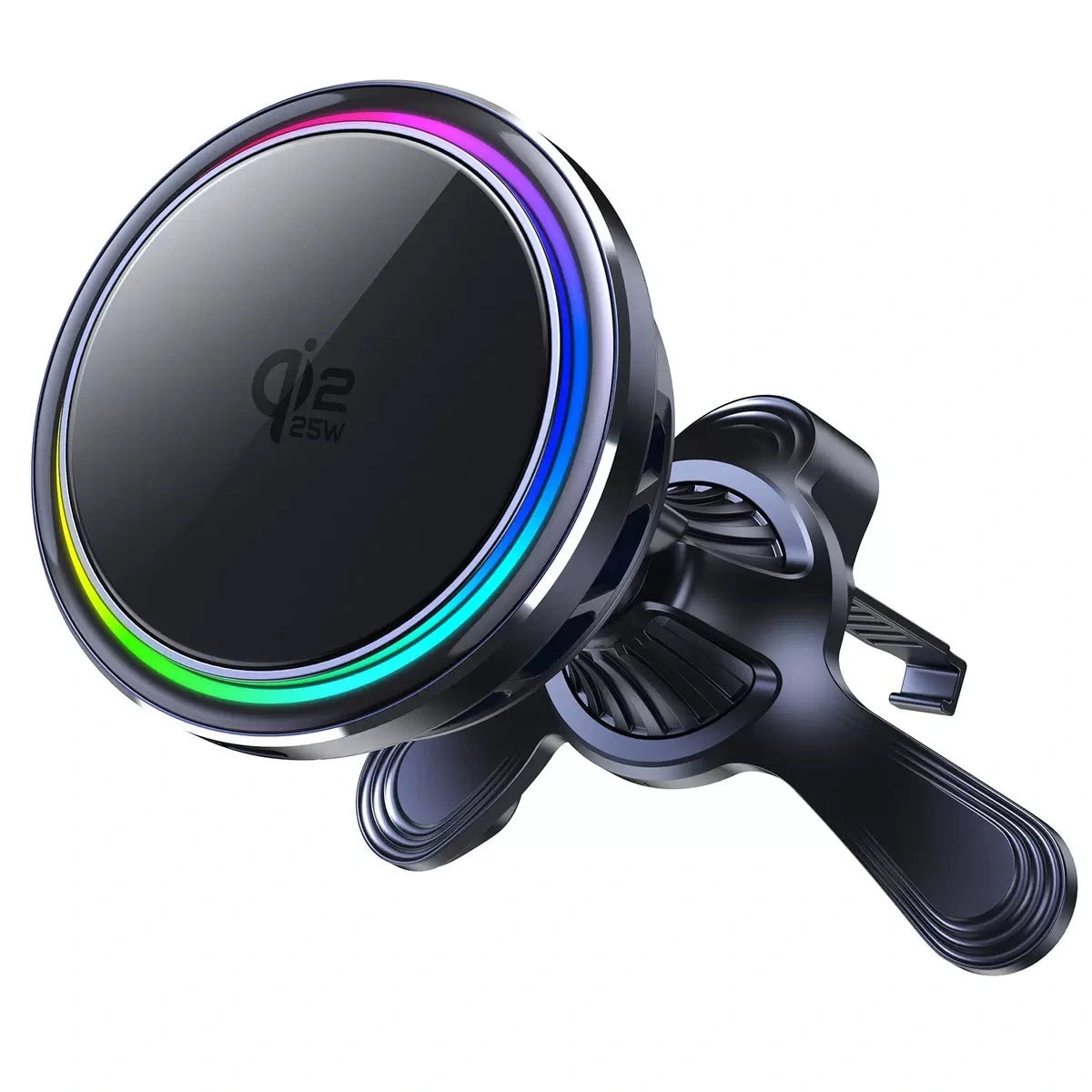
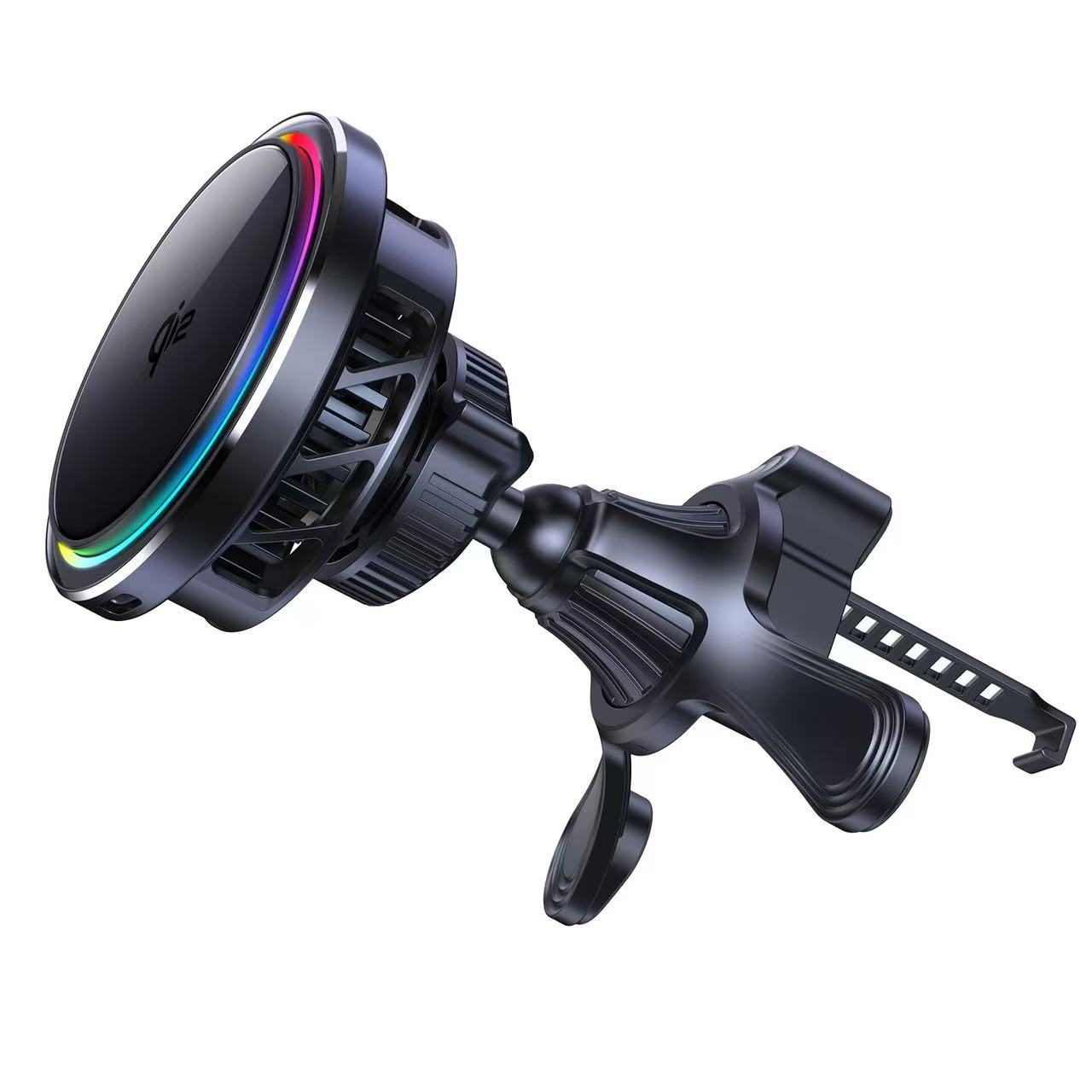
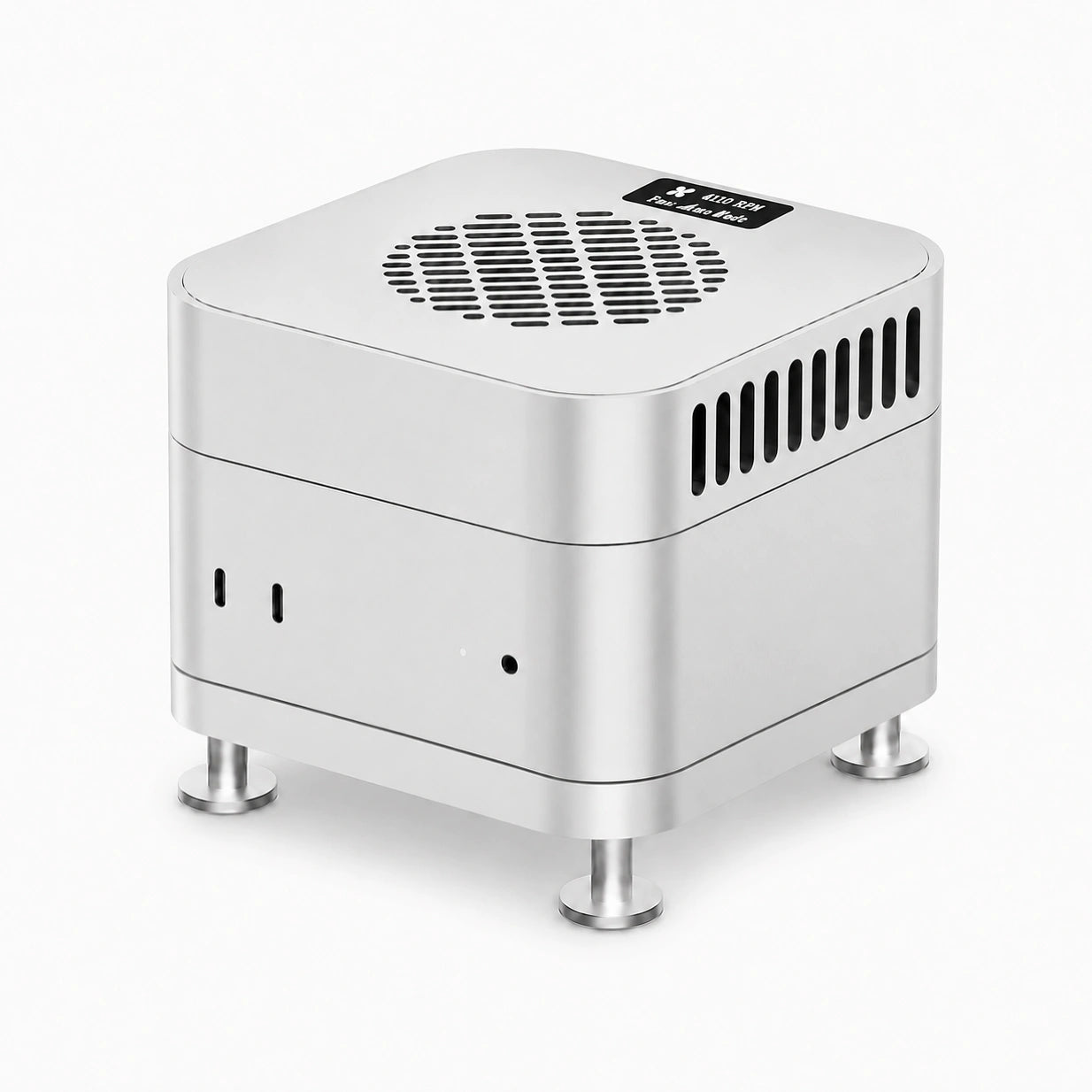
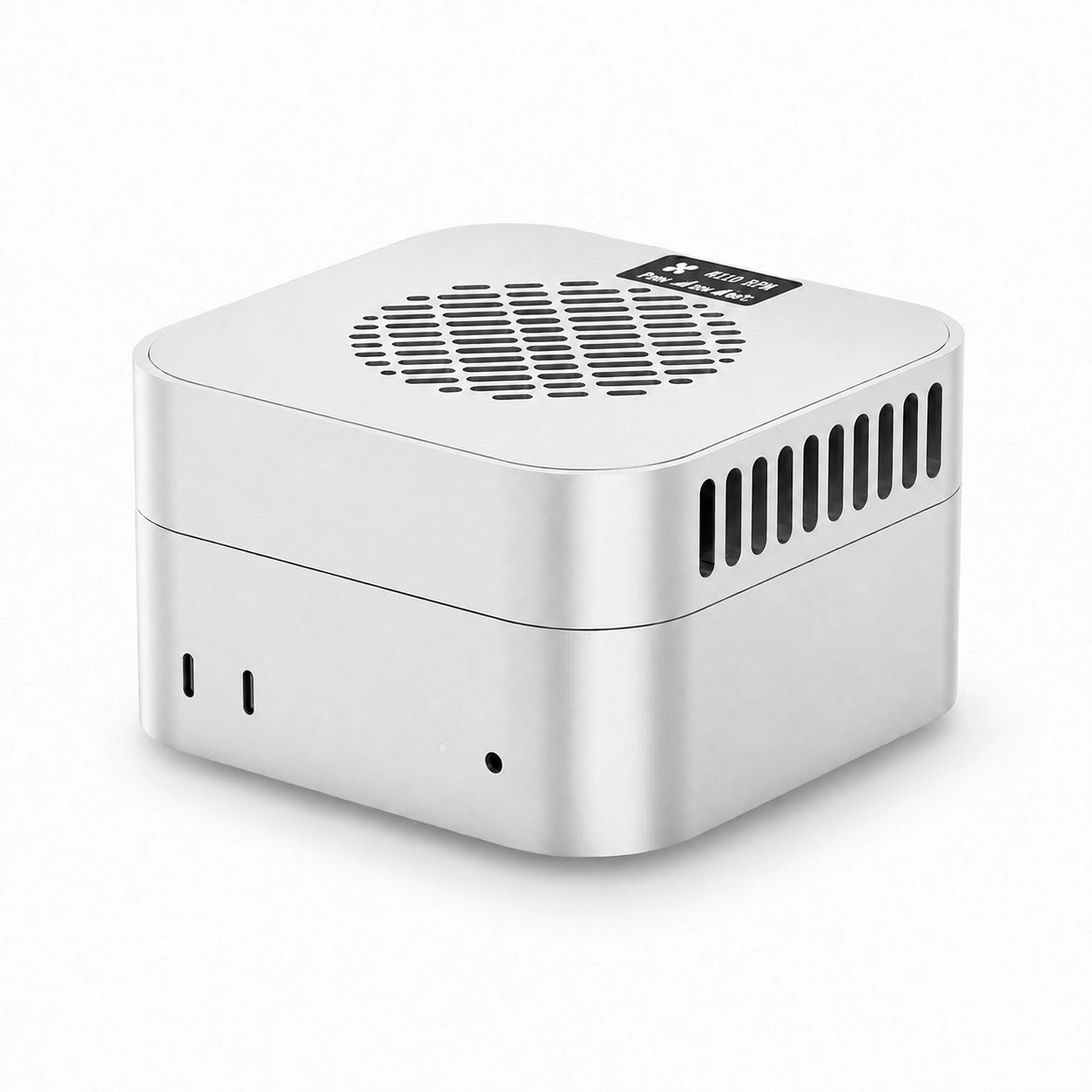
ZEERA SuVolt Gen5: Qi2.2 25W Active Cooling Wireless Car Charger
ZEERA SuVolt Gen5 combines up to 25W Qi2.2 wireless charging with active cooling. It is designed for situations where the iPhone is charging while simultaneously running a demanding task.
During Quick Start, AirDrop, cloud restoration or other wireless data transfers, SuVolt Gen5 can help maintain battery level while actively removing heat. This can reduce the likelihood of temperature-related charging slowdowns and help the transfer maintain more consistent real-world performance.
For long-term use, reducing repeated high-temperature charging sessions can also help limit unnecessary battery stress and support better battery health over time.


How to Protect iPhone Battery Health While Charging
- Control heat first: move the phone out of direct sunlight and avoid leaving it on insulating surfaces.
- Use sufficient power: a low-output adapter may force the battery to supplement power during demanding tasks.
- Use active cooling when necessary: cooling is most valuable during gaming, navigation, video recording and long data transfers.
- Remove an overly insulating case: thick materials can make it harder for heat to escape during intensive use.
- Use a suitable data cable: a charge-only or USB 2 cable can severely limit wired transfer performance.
- Take a break if the phone becomes very hot: allow the iPhone to cool before continuing a demanding workload.
FAQ
Is it bad to play games while charging an iPhone?
No. Gaming while charging is not automatically harmful. The main concern is allowing the phone to remain hot for long periods.
Why does my iPhone lose battery while it is plugged in?
The game or app may be consuming more power than the charger can provide. Heat can also cause iOS to reduce or temporarily pause charging.
Does an iPhone use the battery after reaching 100%?
When the charge limit is reached, iOS reduces or pauses active charging and uses incoming adapter power for most of the immediate workload. The battery may still buffer changes in power demand.
Can an active-cooling charger charge an iPhone faster?
Cooling does not exceed the iPhone’s supported charging limit. It can help the phone maintain a more consistent charging rate by reducing heat-related slowdowns.
Can SuVolt Gen5 transfer iPhone data?
SuVolt Gen5 provides wireless power and active cooling; it does not carry the data itself. It is most useful during wireless transfers such as Quick Start, AirDrop or cloud restoration. Use a USB-C cable for wired transfers.
Does a 40Gbps cable make every iPhone transfer at 40Gbps?
No. Transfer speed is limited by the iPhone port, computer, hub and storage device. A 40Gbps cable provides bandwidth headroom but cannot exceed the slowest device in the connection.