Apple may be preparing one of its most controversial display decisions in years. According to multiple supply chain reports and industry coverage from sources like MacRumors and 9to5Mac, the iPhone 18 display could see a strategic downgrade—driven not by lack of innovation, but by rising component costs.
If true, this would mark a significant shift in Apple’s product strategy, especially as the iPhone 18 Pro display is expected to move in the opposite direction.

Why Apple Might Downgrade the iPhone 18 Display
The key factor isn’t technology—it’s cost.
Recent reports suggest that Apple is facing increased pressure from rising memory and component prices, particularly driven by AI-related demand. As highlighted by Tom's Guide, Apple may need to cut costs in certain hardware areas to maintain its current pricing structure.
What does this mean for the iPhone 18 screen?
- Apple is unlikely to significantly increase the base price
- Hardware compromises become necessary
- The display is one of the most expensive components
👉 In simple terms:
If Apple wants to keep the price stable, something has to give—and the screen is a prime candidate.

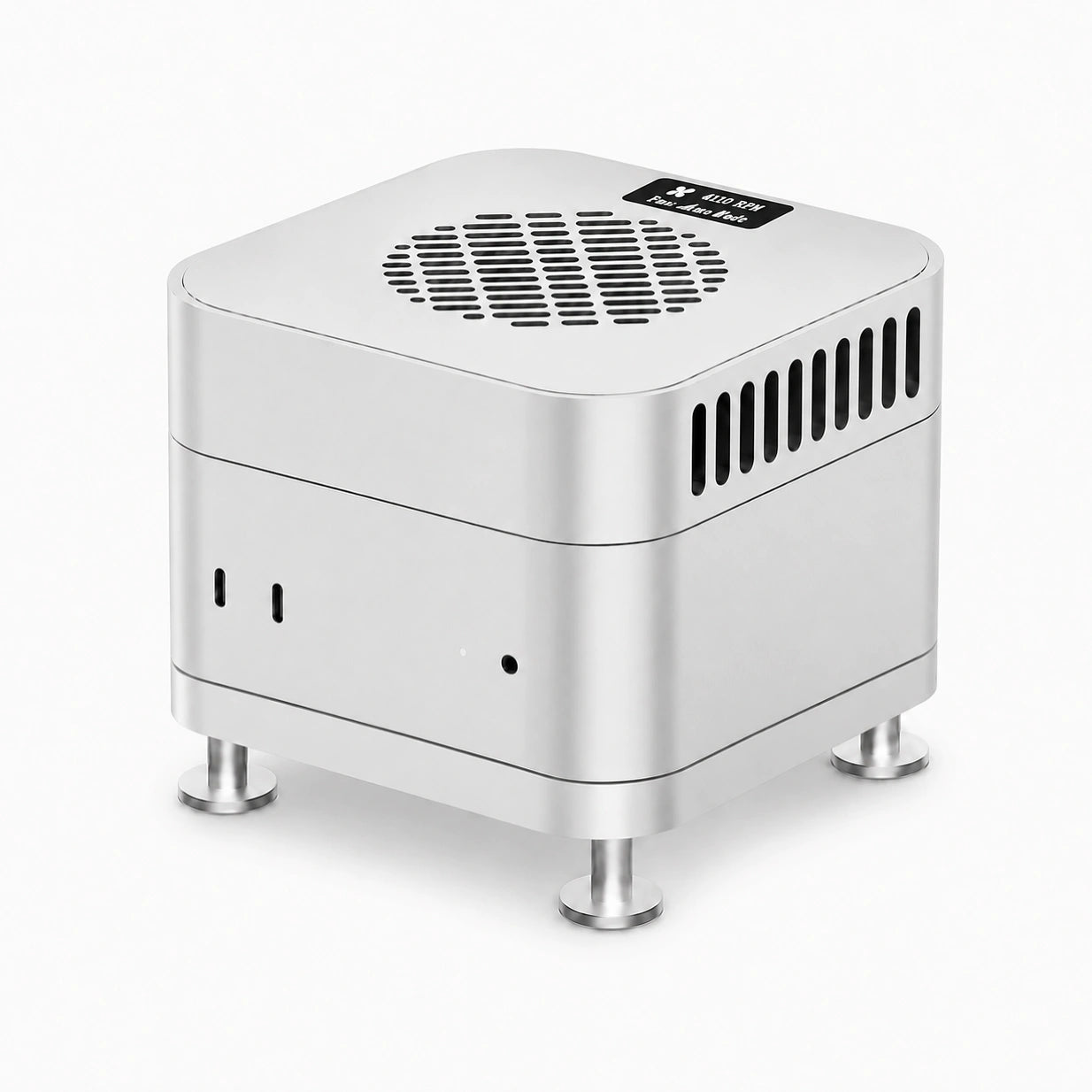
Mac Mini M4 Aluminum Cooling Case
CNC aluminum enclosure for Mac Mini M4 / Mac Mini M4 Pro, improves heat dissipation,
reduces thermal throttling, and enhances Mac Pro-style aesthetics with
premium build quality for desktop setups.
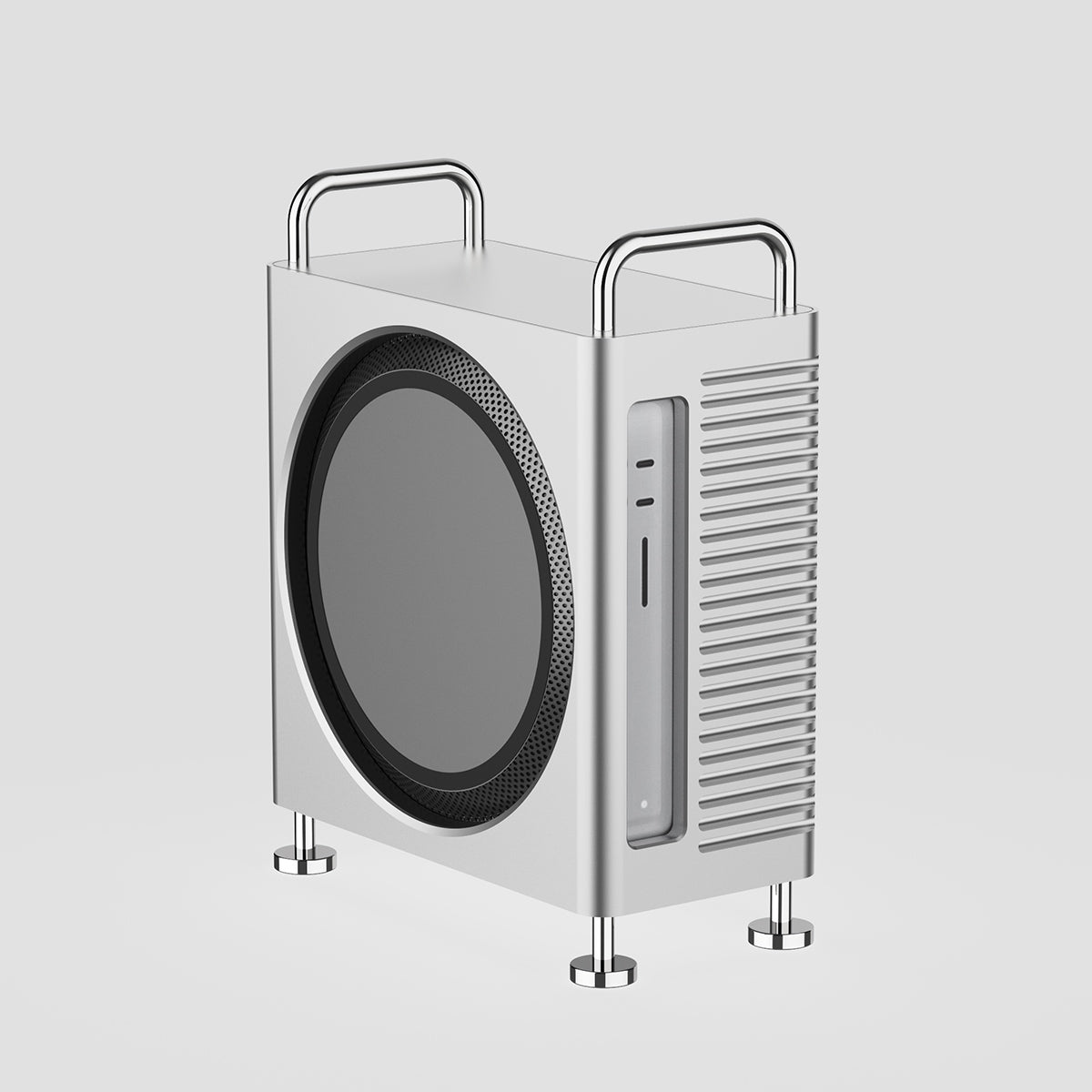
Mac Studio Aluminum Enclosure Case
CNC aluminum enclosure for Mac Studio, improves airflow and thermal performance,
designed for heavy workloads with Mac Pro-inspired structure and stable
high-performance cooling architecture.
iPhone 18 Display Changes: What the Leaks Suggest
Recent reports point to a clear shift in Apple’s display strategy—one driven more by cost control than innovation.
1. Older OLED Materials (M12-Level)
Current supply chain insights suggest the standard iPhone 18 may utilize the M12 OLED material set. For context, this architecture was widely used around the iPhone 14 Pro generation.
While the iPhone 18 Pro is rumored to move toward next-generation M16 efficiency optimized for iOS 26, the standard model appears to prioritize cost stability over aggressive hardware upgrades.
-
Limited Brightness Ceiling: Rather than pushing peak brightness levels, the iPhone 18 may stay close to current standards. It should still perform well outdoors, but without the “Pro-level” intensity.
-
Efficiency Considerations: While the M12 material set is known for stability, it does not benefit from the latest power efficiency improvements. This may become more noticeable under heavier workloads introduced in newer iOS features.
-
Refining the Familiar: Instead of adopting newer display technologies, Apple may continue using a proven and widely manufactured setup to maintain pricing competitiveness in a high-cost environment.

2. “Display Regression” Signals
According to reporting from 9to5Mac, the iPhone 18 may introduce “subtle regressions” in display specifications, marking a rare shift in Apple’s typical year-over-year upgrade cycle.
Rather than a dramatic downgrade, this points to a more nuanced strategy in how Apple positions its display technology across the lineup.
What This “Regression” Likely Indicates
-
A Shift in Upgrade Priority: Instead of every component advancing uniformly, the standard iPhone 18 may focus more on stability and cost efficiency, while display improvements become less aggressive compared to previous generations.
-
Cost Optimization Pressure: With rising component and manufacturing costs across the smartphone supply chain, the display appears to be one of the areas where Apple can adjust margins without heavily impacting core performance expectations.
-
A Clearer Product Segmentation: This signal aligns with a broader pattern: display technology is becoming a more important differentiator between standard and Pro models, rather than a shared upgrade across the entire lineup.

ZEERA AirFlat – Anti-Wobble Lens Cover
Ultra-flat lens cover designed for iPhone Air camera stability.
Reduces wobble and improves flat placement on any surface.

ZEERA MagSkin – Ultra-Thin MagSafe Back Plate
Minimalist magnetic back plate for MagSafe compatibility.
Ultra-thin design keeps iPhone Air lightweight and protected.
iPhone 18 vs iPhone 18 Pro Display: A Growing Gap
While the standard model may hold back, the Pro lineup is expected to push forward.
Expected iPhone 18 Pro Display Upgrades
Reports across the industry suggest the Pro models could include:
- Next-generation OLED materials
- Improved power efficiency
- Potential shift toward blue phosphorescent OLED
- Smaller cutout or under-display Face ID
This creates a clear contrast:
| Model | Display Strategy |
|---|---|
| iPhone 18 | Cost control, limited upgrades |
| iPhone 18 Pro | Innovation, advanced display tech |
👉 The result:
The gap between standard and Pro displays could become the largest in recent iPhone history.

iPhone 18 Rumors: Features, Price & Release Date
Early leaks suggest the iPhone 18 will focus on refinements rather than major redesigns, continuing Apple’s recent trend of incremental upgrades.
1. Expected Features
-
A20 chip (2nm process): Brings better performance and improved power efficiency, especially for AI-related tasks.
-
More RAM (rumored increase): Likely aimed at supporting iOS 26 features and background AI processing.
-
Minor Dynamic Island refinement: No full redesign expected, only small size or integration improvements.
2. Release Date (Rumored Timeline)
- iPhone 18 Pro series: Fall 2026
- Standard iPhone 18: Possibly early 2027
- Possible split launch strategy, similar to recent product cycles
3. Price Expectations (Estimated Range)
- Starting price: around $799 (US base model)
- iPhone 18 Pro: likely $999–$1,199 range
- Pro Max: potentially $1,199–$1,399

What This Means for Users
If you’re considering upgrading to the iPhone 18, here’s what to keep in mind:
You may not see a better screen
- Visual quality may feel similar to previous models
- Improvements could be minimal or invisible
The Pro model becomes more attractive
- Bigger display leap
- Better long-term value
- More future-proof technology
The lineup is becoming more segmented
Apple is clearly pushing toward:
Standard = value stability
Pro = innovation

SuVolt Gen5 Qi2.2 25W Car Charger
Qi2.2 active cooling car charger for stable high-speed wireless charging.
Supports up to 25W fast charging with intelligent temperature control system.
Built for navigation, long drives, and secure magnetic mounting stability.
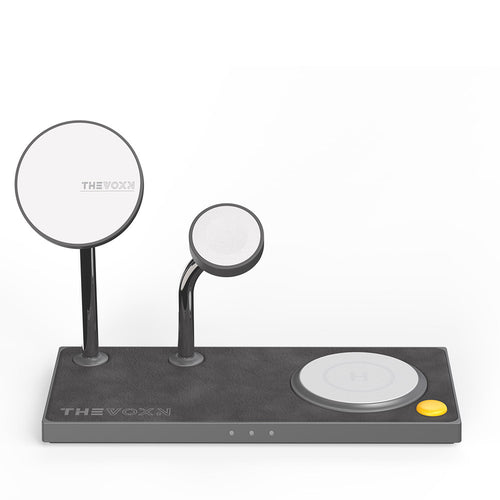
THEVOXN 5-in-1 MagSafe Charging Stand
All-in-one 5-in-1 charging station for iPhone, AirPods, and Apple Watch.
Dual MagSafe alignment ensures stable multi-device charging efficiency.
Clean desktop setup with organized and fast charging experience.
Final Thoughts
The iPhone 18 display strategy reflects a broader shift in Apple’s product approach. Rather than delivering uniform upgrades across the entire lineup, the company appears to be taking a more segmented direction—carefully managing costs on entry-level models while concentrating display innovation on the Pro series.
In this context, the standard iPhone 18 screen may not necessarily represent a downgrade in quality, but it could signal a slowdown in meaningful display improvements compared to previous generations. Meanwhile, the Pro models are expected to continue receiving the most advanced panel technologies, further widening the gap between the two tiers.