Apple Confirms Major CEO Transition
Apple has officially confirmed a major leadership transition: Tim Cook will step down as CEO, and John Ternus will take over the role starting September 1, 2026.
Cook will transition into the role of Executive Chairman, while Ternus—currently Apple’s hardware engineering chief—will become responsible for leading the company into its next product era.

Why Tim Cook Is Stepping Down Now
After more than a decade leading Apple, Tim Cook is stepping down as CEO as part of a carefully planned leadership transition.
Unlike most executive changes, this move comes at a moment of strength—strong financial performance, a mature product ecosystem, and a well-defined roadmap. Cook has described the goal as achieving a “perfect transition,” ensuring Apple remains stable while preparing for its next phase.

What Tim Cook Actually Built at Apple
To understand what changes next, you first need to understand what Cook changed.
Under Tim Cook, Apple did not just release products—it reshaped its entire structure.
1. The iPhone Became a Refinement Machine
The iPhone evolved from rapid redesign cycles into a highly optimized product line.
Instead of yearly revolutions, Apple focused on:
- Performance stability
- Battery efficiency
- Camera and chip refinement
- Ecosystem consistency
This shift reflects a deliberate strategy under Tim Cook to prioritize scale, manufacturing efficiency, and long-term user satisfaction over frequent visual redesigns. As a result, the iPhone became less about surprise changes and more about predictable, incremental improvement that strengthens user trust over time.

2. Apple Expanded Into Wearables and New Categories
Cook-era Apple expanded beyond smartphones:
- Apple Watch became a health and lifestyle device
- AirPods defined mainstream wireless audio
- Accessories became ecosystem extensions
This expansion was not just product diversification—it was a structural move to reduce dependence on the iPhone. By turning wearables into always-connected devices, Apple increased daily user engagement and created multiple entry points into its ecosystem beyond the smartphone.

3. Services Became a Core Revenue Engine
Beyond hardware, Apple strengthened its services layer:
- iCloud
- App Store
- Apple Music
- Subscription ecosystem expansion
The rise of services transformed Apple from a hardware-sales-driven company into a recurring-revenue platform. Instead of relying solely on device upgrades, Apple now benefits from continuous monetization across its installed user base, which significantly improves revenue stability and ecosystem lock-in.

ZEERA AirFlat – Anti-Wobble Lens Cover
Ultra-flat lens cover designed for iPhone Air camera stability.
Reduces wobble and improves flat placement on any surface.

ZEERA MagSkin – Ultra-Thin MagSafe Back Plate
Minimalist magnetic back plate for MagSafe compatibility.
Ultra-thin design keeps iPhone Air lightweight and protected.
4. The Final "Cook" Masterclass: Mac mini M4 & MacBook Neo
While stability was Cook's hallmark, his final years signaled a bold shift toward aggressive hardware innovation. The Mac mini M4 (2024) first broke a 14-year design plateau with its ultra-compact 5x5 inch frame, setting a new precedent for the record-breaking MacBook Neo. By combining a high-performance A18 Pro chip with a disruptive $599 price point, the Neo effectively sold out through April 2026, with Apple ramping production to 10 million units to meet surging demand. These aren't just products; they are proof that Apple is becoming less predictable and more engineering-driven—perfectly aligning with the product-first vision of the incoming CEO, John Ternus.

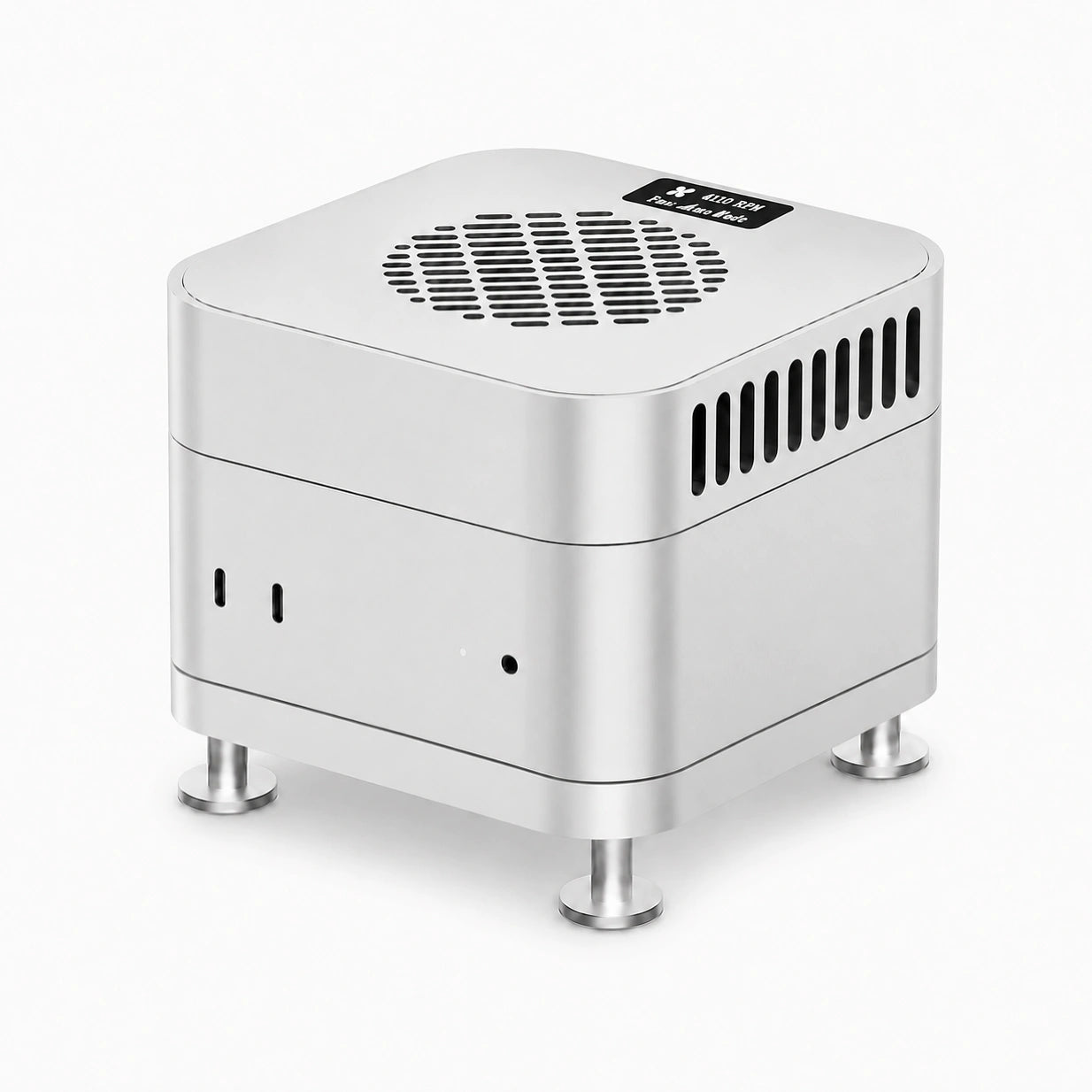
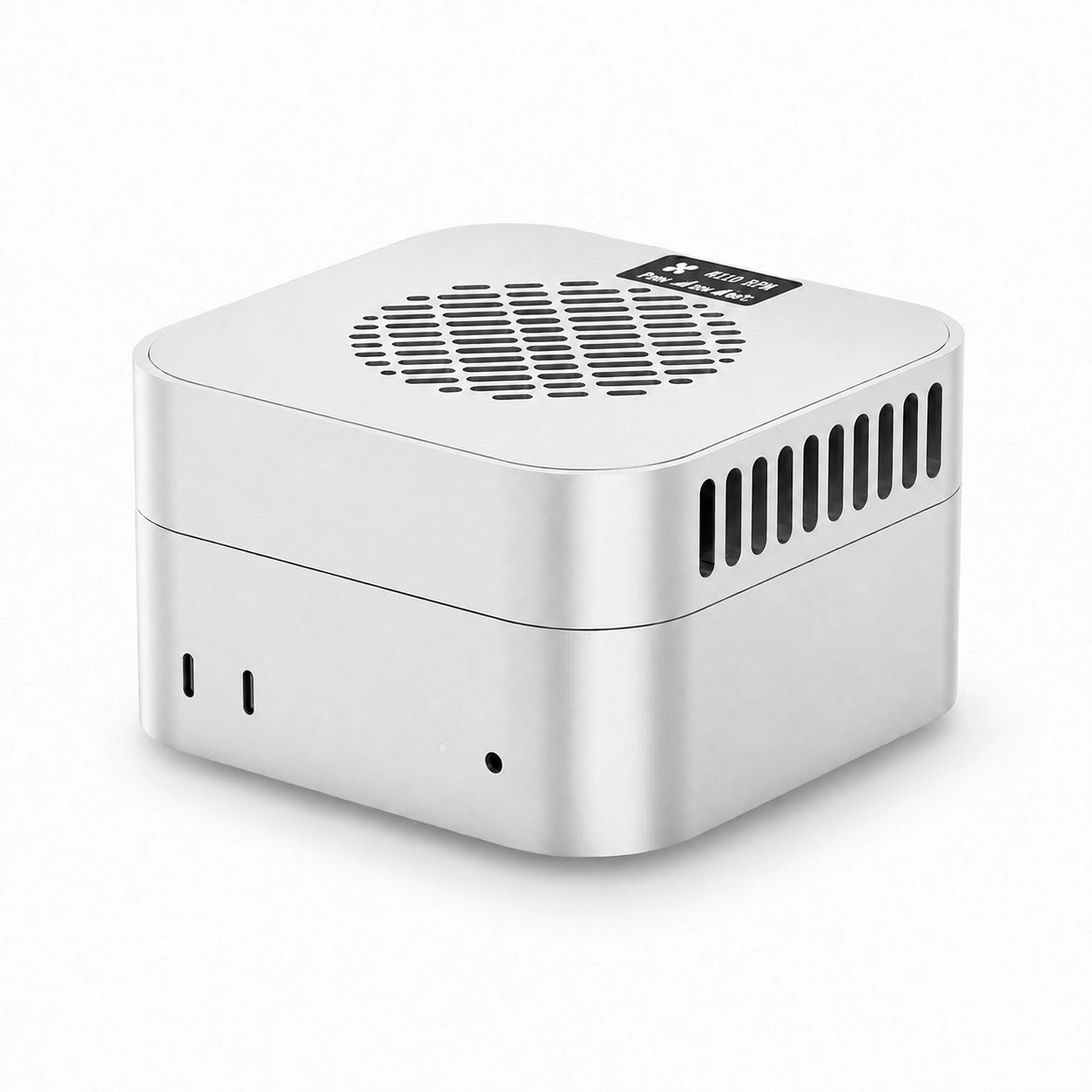
Mac Mini M4 Aluminum Cooling Case
CNC aluminum enclosure for Mac Mini M4 / Mac Mini M4 Pro, improves heat dissipation,
reduces thermal throttling, and enhances Mac Pro-style aesthetics with
premium build quality for desktop setups.
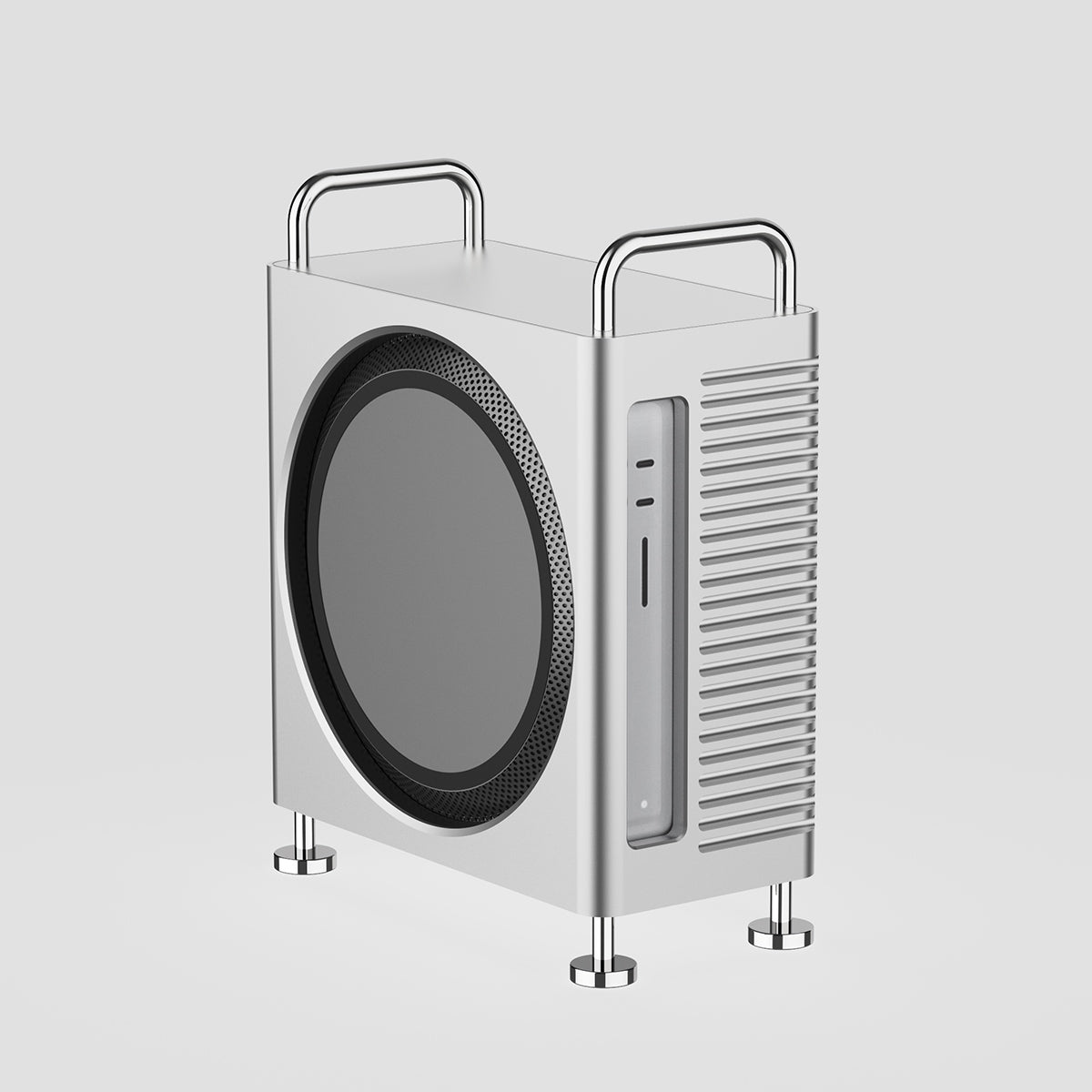
Mac Studio Aluminum Enclosure Case
CNC aluminum enclosure for Mac Studio, improves airflow and thermal performance,
designed for heavy workloads with Mac Pro-inspired structure and stable
high-performance cooling architecture.
From Tim Cook to John Ternus
The transition to John Ternus signals a shift in leadership philosophy.
| Leadership Focus | Tim Cook Era | John Ternus Era |
|---|---|---|
| Core Strength | Operational Efficiency | Hardware Engineering |
| Product Strategy | Predictable Iteration | Innovation-Driven Development |
| Risk Profile | Low Risk, High Stability | Higher Innovation Potential |
👉 Interpretation:
Apple may gradually move from optimization-focused leadership to engineering-driven innovation.
iPhone 18 and Beyond: Will Hardware Innovation Accelerate?
For users, the biggest question is not about leadership—it’s about the iPhone.
Under Cook, iPhone upgrades followed a predictable rhythm. That consistency built trust, but also limited visible disruption.
With John Ternus, expectations may shift toward:
- Faster hardware iteration
- More visible design evolution
- Deeper integration of on-device intelligence
This does not mean radical yearly redesigns—but it increases the probability of more meaningful generational changes.

What This Means for Apple Users
For everyday users, the transition will not feel immediate.
Short term (2026–2027)
- No visible disruption
- Existing product roadmap continues
Long term (2027–2030)
- More noticeable hardware innovation
- Faster feature evolution
- Gradual shift in product philosophy
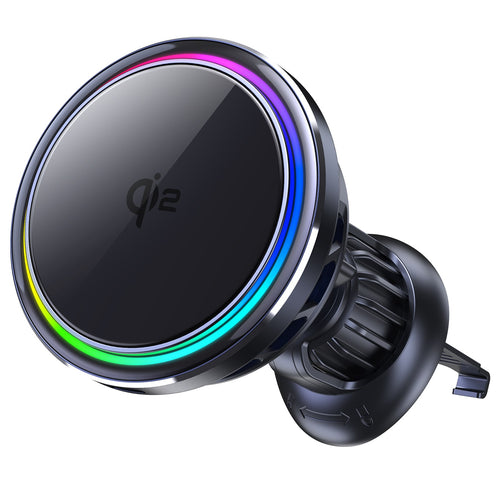
SuVolt Gen5 Qi2.2 25W Car Charger
Qi2.2 active cooling car charger for stable high-speed wireless charging.
Supports up to 25W fast charging with intelligent temperature control system.
Built for navigation, long drives, and secure magnetic mounting stability.
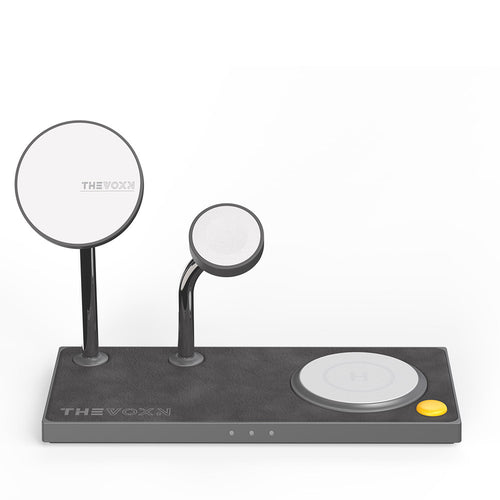
THEVOXN 5-in-1 MagSafe Charging Stand
All-in-one 5-in-1 charging station for iPhone, AirPods, and Apple Watch.
Dual MagSafe alignment ensures stable multi-device charging efficiency.
Clean desktop setup with organized and fast charging experience.