Quick Answer
No, Apple has not officially told iPhone 18 Pro owners to stop using screen protectors.
Hardware Engineering VP Tom Marieb personally said they make his “skin crawl” because Apple worked hard on the Ceramic Shield 2 surface.
Ceramic Shield 2 may be tougher, but tougher does not mean scratch-proof or drop-proof.
A U.S. iPhone 18 Pro screen repair is estimated at $379 without AppleCare; AppleCare still carries service fees.
ZEERA’s view: use a protective case with a raised screen lip, and add a quality screen protector if you do not have AppleCare or want the lowest practical risk.
What Did Apple VP Tom Marieb Actually Say?
In a September 2026 interview with TechRadar, Apple Vice President of Hardware Engineering Tom Marieb said that seeing someone put a screen protector on an iPhone “makes my skin crawl.”
That reaction came from an engineer who wants customers to experience the display surface Apple designed. Marieb explained that the team worked to balance two goals in Ceramic Shield 2: resisting sharp objects that can scratch the screen and resisting gradual surface wear from years of touching and wiping.
He also said Apple builds accelerated tests around real customer use and attempts to compress roughly five years—or more—of wear into a much shorter engineering cycle.
Important distinction
Marieb expressed a personal design preference. He did not announce an Apple policy, warranty promise, or blanket recommendation that every iPhone owner should remove a screen protector.
Why Apple Believes Ceramic Shield 2 Can Be Used Bare
The iPhone 18 Pro continues to use Ceramic Shield 2 on the front. Apple’s current iPhone overview describes the material as offering better scratch resistance, while Marieb’s comments add useful context: maximum scratch resistance alone was not the goal.
A coating can perform well against a sharp point but wear poorly after thousands of swipes, cleanings and pocket cycles. Apple says it optimized both properties together for long-term use. That helps explain why an Apple hardware executive would rather see the engineered glass directly than another layer of adhesive, tempered glass or plastic above it.
What Apple optimized
Scratch resistance + wear resistance
What Apple did not promise
A screen that can never scratch or crack
There are real benefits to using the screen bare: you preserve the intended anti-reflective behavior, oleophobic feel, optical clarity, edge gestures and touch response. Cheap protectors can add glare, collect dust around the edges, alter the feel of swipes, or interfere with some cases.
But none of those benefits makes accidental damage free. A harder screen can still meet concrete at an unfavorable angle, and small mineral particles can be harder than the materials people normally associate with pocket scratches.
Does iPhone 18 Pro Still Need a Screen Protector?
There is no universal answer. The right choice depends less on Apple’s confidence and more on your coverage, environment, habits and tolerance for cosmetic wear.
Going without one can make sense if…
- You have active AppleCare coverage.
- You strongly prefer the original display feel.
- Your phone has its own clean pocket or bag compartment.
- Minor hairline marks do not bother you.
- You use a grippy case with a raised display edge.
A protector is the safer choice if…
- You do not have AppleCare.
- You work around sand, dust, tools or hard debris.
- Your iPhone shares space with keys or other objects.
- You plan to maximize resale value.
- You would be upset by even a fine permanent scratch.
If you choose a protector, buy one designed for the exact iPhone 18 Pro or Pro Max size and check that it works with your case. A protector that sits too close to the case edge can lift, trap debris or develop bubbles.
The Repair Bill Changes the Answer
Apple’s engineering confidence does not remove the owner’s financial risk. As of September 20, 2026, Apple’s U.S. estimator lists the following iPhone 18 Pro service prices without AppleCare:
AppleCare reduces the immediate bill, but it does not make accidental damage cost-free. Apple currently lists a $29 service fee for iPhone screen and back-glass damage and $99 for other accidental damage. Those fees are charged per repair or replacement, on top of the cost of the coverage plan itself.
Apple’s standard limited warranty covers manufacturing issues, not accidental damage. In practical terms, the decision to use the phone bare is also a decision about how much repair risk you are willing to keep.
ZEERA’s View: A Case Still Matters More Than the Quote
Tom Marieb is right about one thing: the iPhone display was designed to be seen and touched directly. But ZEERA does not think an engineer’s aesthetic preference should decide every customer’s risk level.
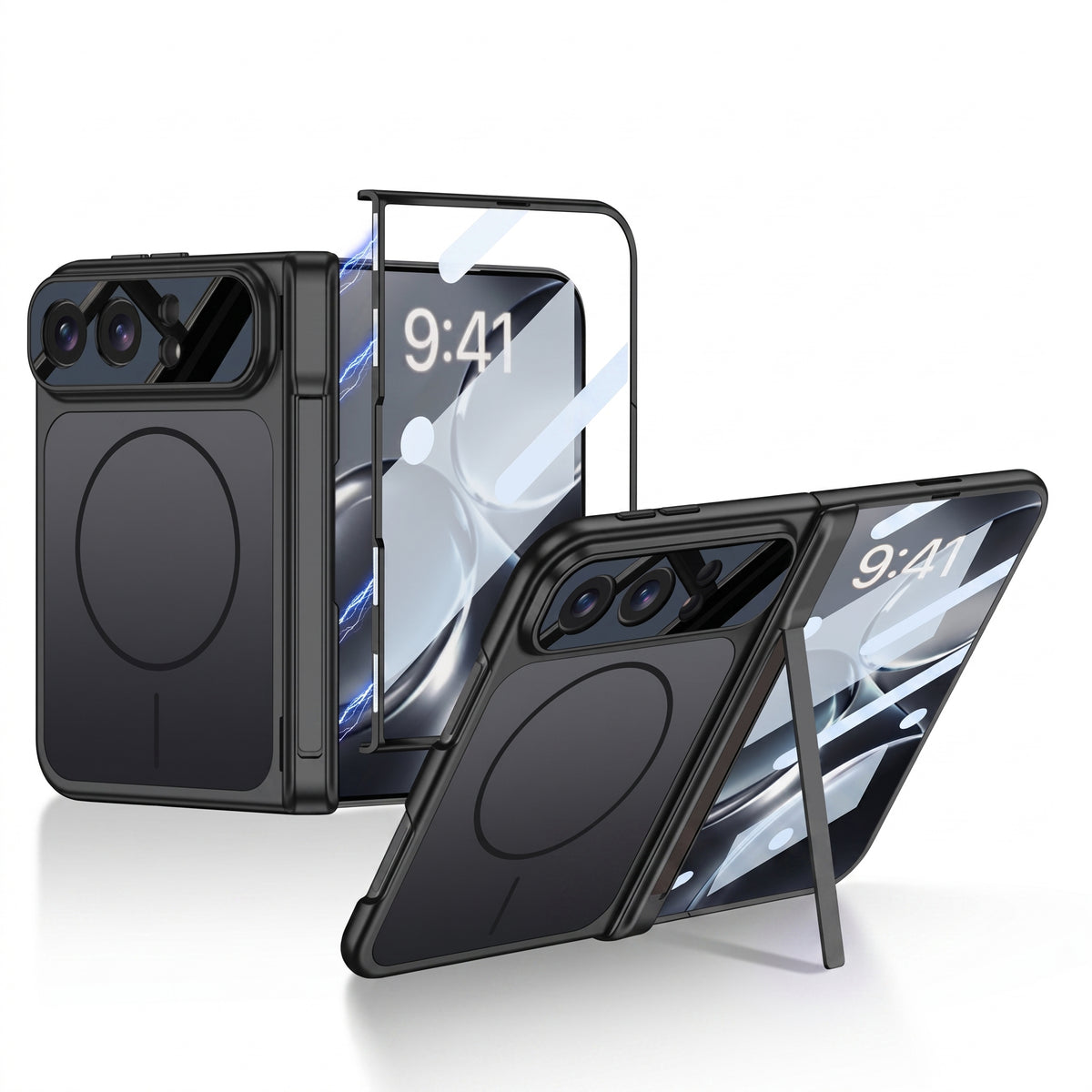
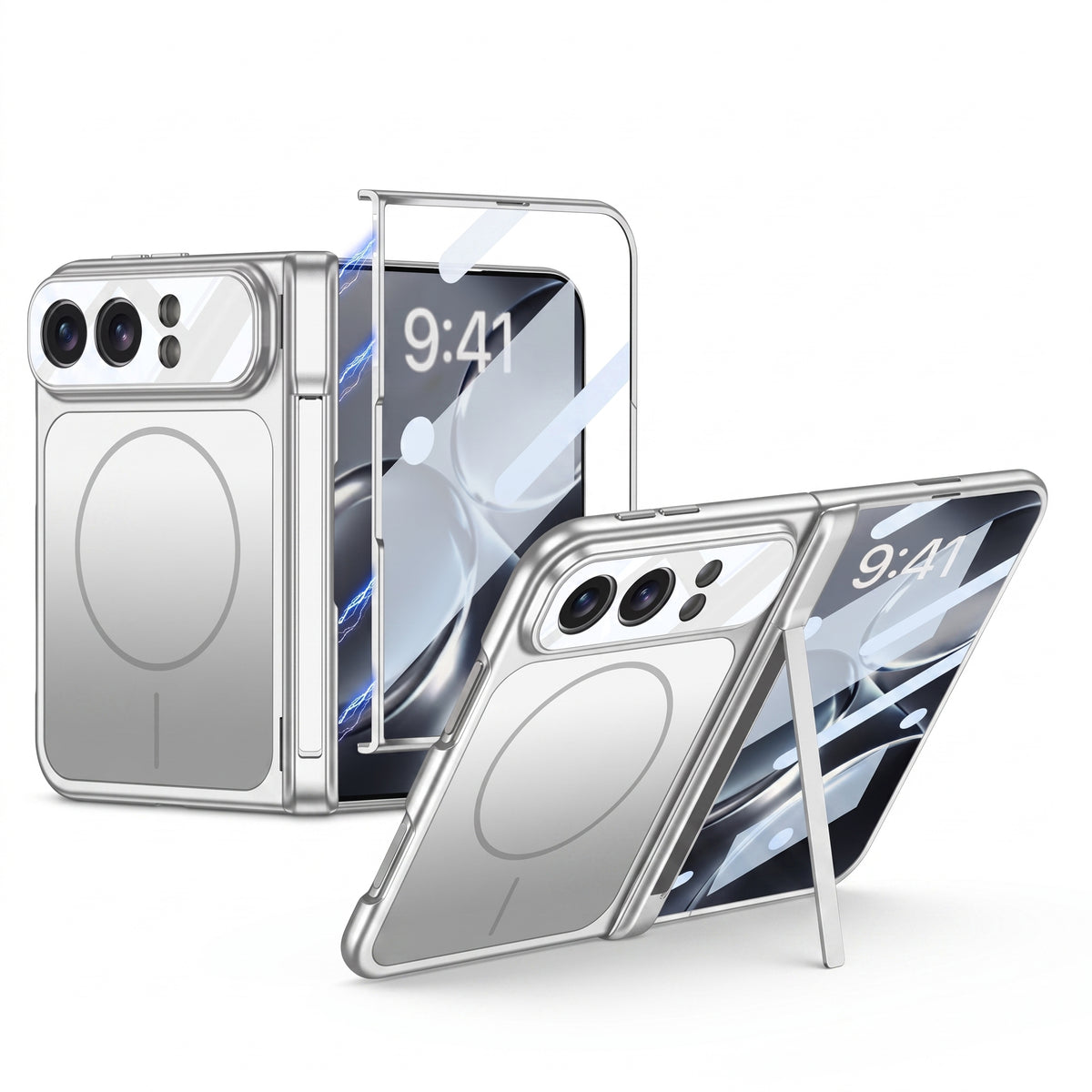
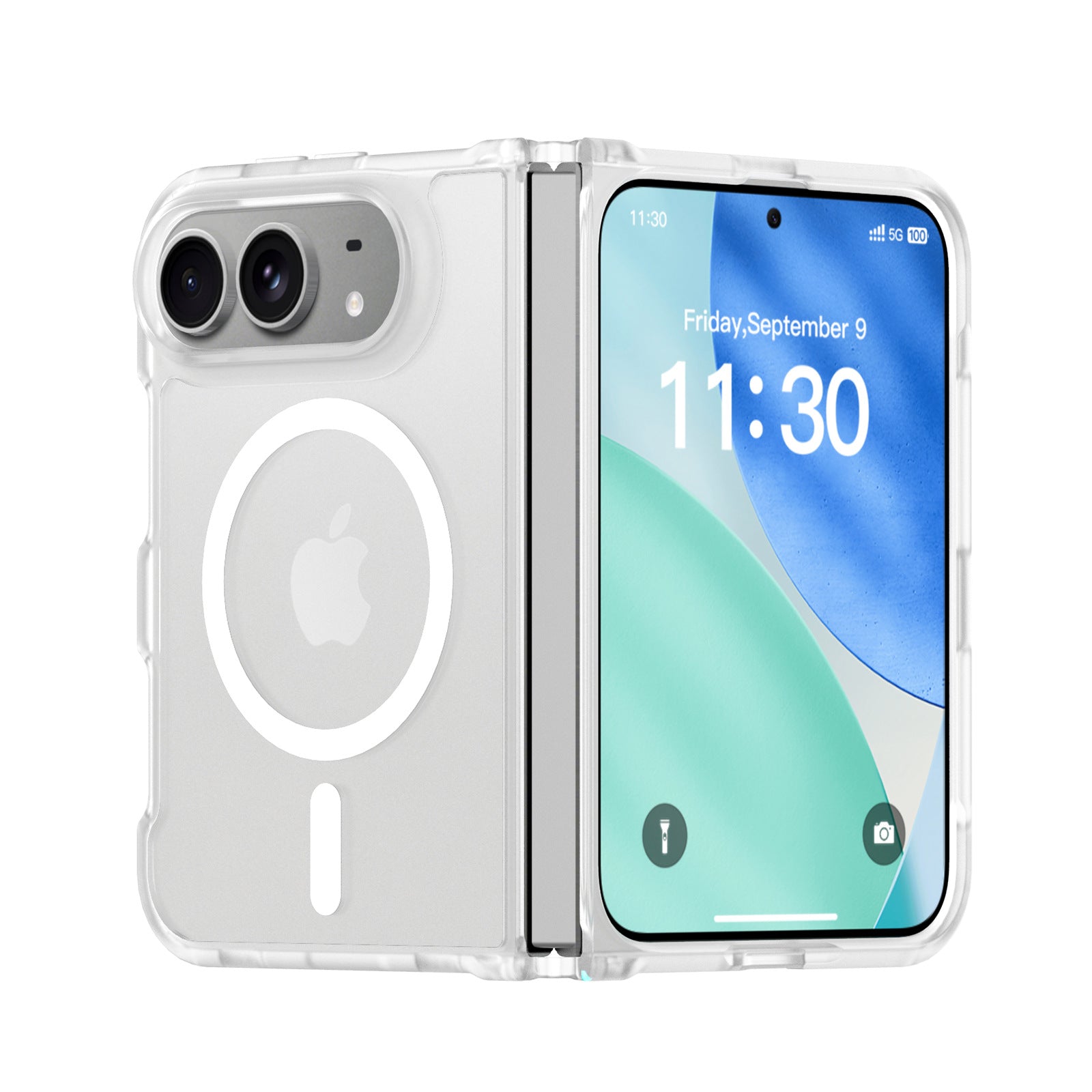
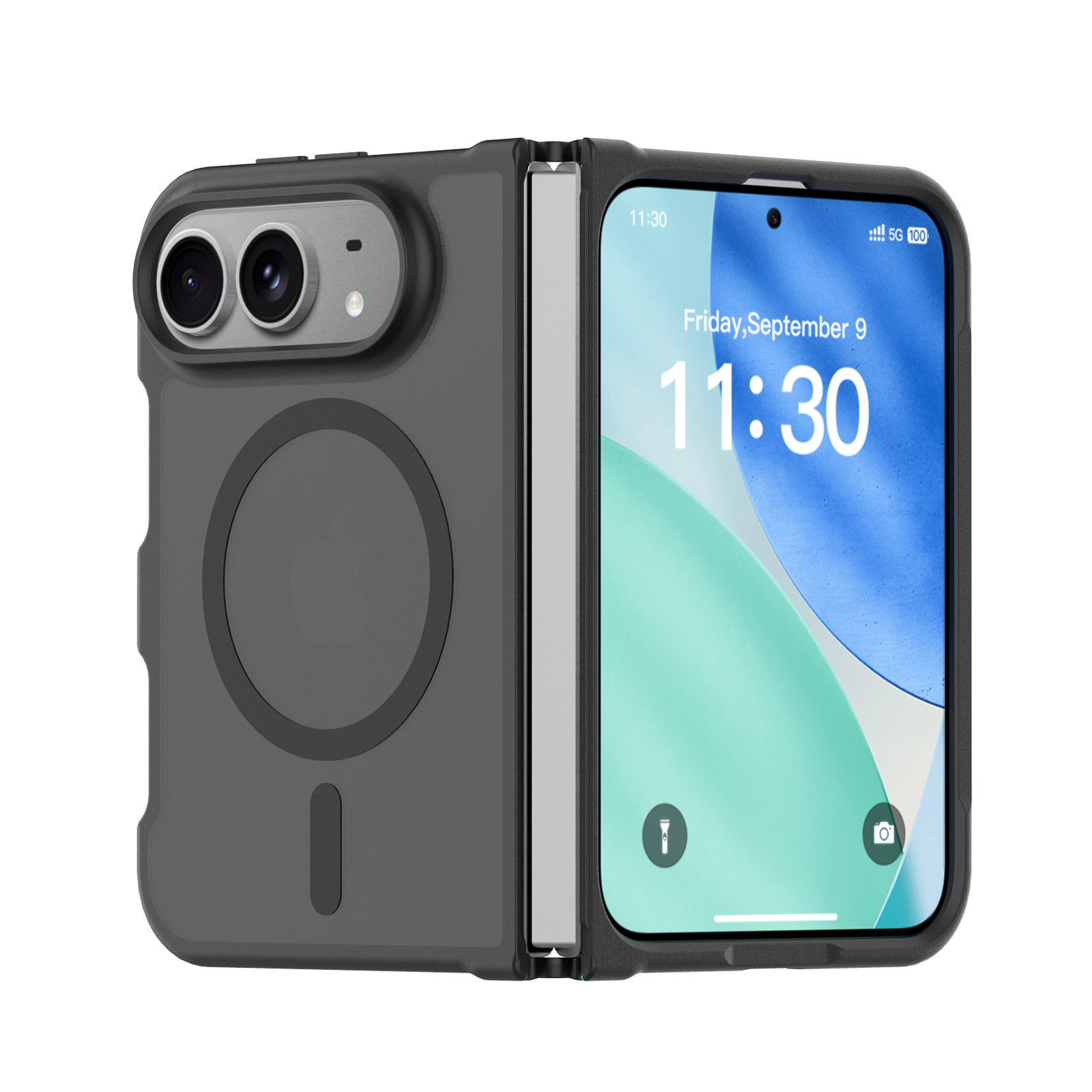
If you do not have AppleCare, we recommend using an iPhone 18 Pro case from day one. A well-designed case can improve grip, reinforce the corners and place a raised lip around the display. That lip may keep the glass from contacting a flat surface during a face-down fall.
A case cannot guarantee that the screen will survive every drop. It also cannot prevent a sharp object from touching the center of the glass. However, it can reduce several common paths to screen damage while also protecting the aluminum frame, back glass and camera area.
The practical protection setup
- Start with a grippy case that has protected corners and a raised front edge.
- Add a screen protector if you lack AppleCare, work around grit, or care strongly about resale condition.
- Keep the phone away from keys and debris; no accessory makes careless storage risk-free.
- Clean under the case periodically so trapped sand does not abrade the frame.
This same logic applies to the finish as well as the glass. Owners considering a bare phone should also read our guide to the worst iPhone 18 Pro color for caseless use.
What About iPhone Duo’s Foldable Display?
Marieb also discussed the iPhone Duo’s durability. Apple spent substantial time tuning the hinge so it feels stable when fully open, fully closed and held in half-folded positions. He compared the intended closing feel to a high-end car door rather than a loose or fragile mechanism.
The Duo’s 7.6-inch inner display uses a matte nano-texture surface. Marieb said the matte finish does more than reduce reflections: it also makes small topology changes around the hinge less visually obvious than they would be on a glossy surface. He invited reviewers to hold Apple accountable over long-term use.
That is not the same as saying the foldable inner display should be treated like the iPhone 18 Pro’s conventional front glass. Do not assume that a third-party protector intended for a rigid iPhone screen is safe for a flexible inner display. Follow Apple’s model-specific care guidance and use a case designed around the Duo’s screens and hinge. For more context, see our iPhone Duo case vs. folio comparison.
Final Verdict: Should You Follow Apple’s VP?
Do not read Tom Marieb’s comment as an instruction to remove your screen protector. Read it as a statement of confidence in Ceramic Shield 2 and pride in the surface Apple engineered.
For careful owners with AppleCare who value the purest display feel, using the iPhone 18 Pro without a protector is a reasonable choice. For owners without coverage—or anyone who dislikes scratches and expensive repair surprises—a quality protector remains inexpensive risk reduction.
Either way, ZEERA recommends a protective case. It will not make the screen indestructible, but stronger corner protection, improved grip and a raised display lip can reduce the chance that everyday drops become a $379 screen repair or something worse.
Frequently Asked Questions
Did Apple say not to use a screen protector on iPhone 18 Pro?
No. Tom Marieb gave a personal reaction in an interview. Apple has not issued a universal rule telling iPhone 18 Pro owners to remove screen protectors.
Is Ceramic Shield 2 scratch-proof?
No. It is engineered for better scratch and wear resistance, but Apple does not claim that it can never scratch or crack.
How much does an iPhone 18 Pro screen repair cost without AppleCare?
Apple’s U.S. estimator listed $379 for screen damage as of September 20, 2026. Final costs can change after inspection, and regional prices vary.
Does AppleCare make screen repairs free?
No. Apple currently lists a $29 service fee for screen and back-glass damage. The coverage plan itself also has a separate cost.
Can a phone case protect the iPhone 18 Pro screen?
A case with reinforced corners and a raised display lip can reduce risk during some drops, especially onto flat surfaces. It cannot prevent every impact or protect the center glass from direct contact.
Should I put a screen protector on the iPhone Duo inner display?
Do not apply a conventional rigid-iPhone protector to the flexible inner display. Follow Apple’s model-specific care guidance and use accessories designed specifically for iPhone Duo.
Related iPhone Guides