Quick Answer
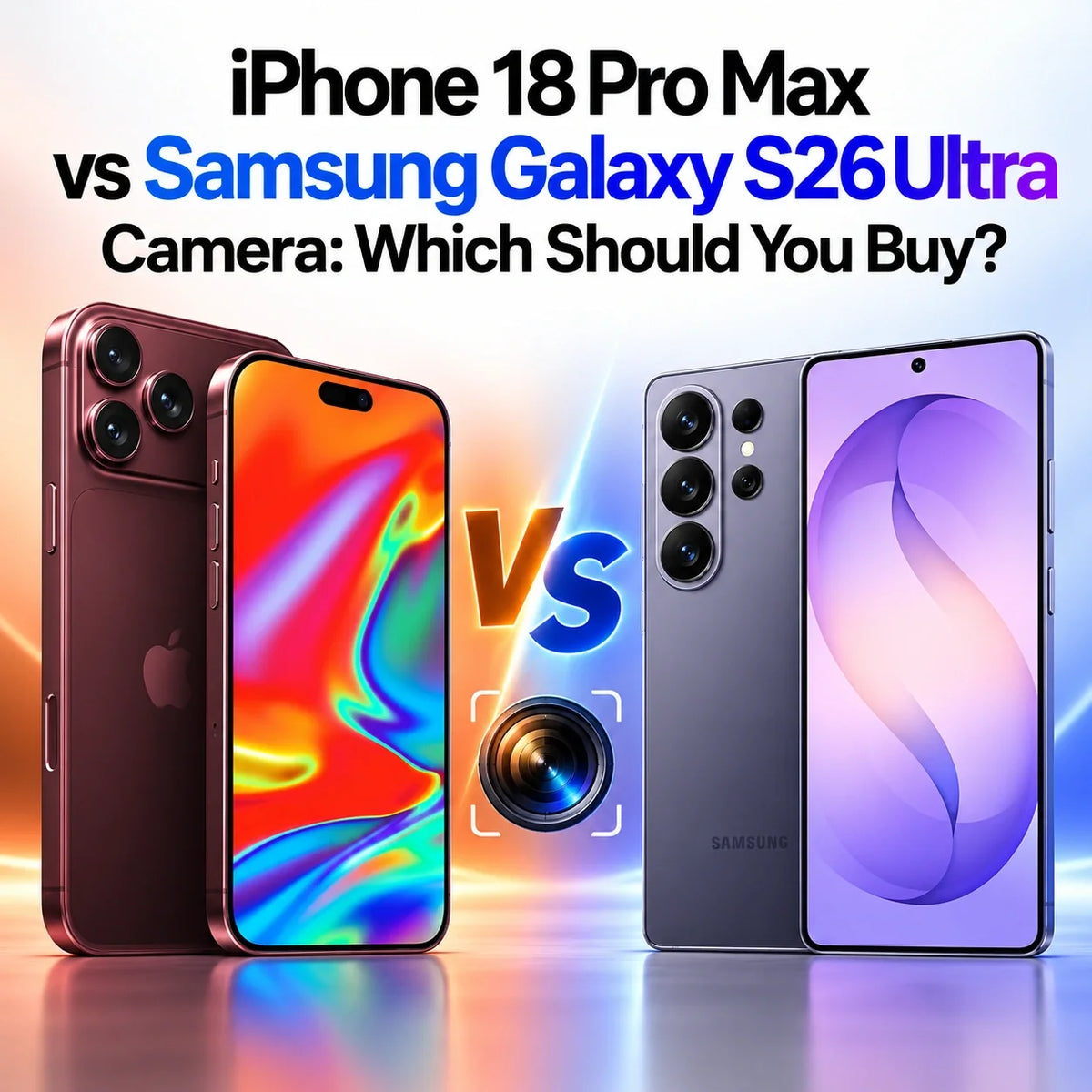
The Tech Chap picked the iPhone 18 Pro Max as his overall camera winner after a Hawaii trip with the Galaxy S26 Ultra.
His clearest preference was for iPhone selfies and backlit selfie video.
Samsung offered more native telephoto choices and sometimes more natural portrait skin tones.
Both had low-light weaknesses, including flare; neither won every scene.
Choose around the shots you take most, rather than megapixels or variable aperture alone. [1]
What does this camera comparison actually show?
This iPhone 18 Pro Max vs Samsung Galaxy S26 Ultra camera comparison draws on The Tech Chap’s Road to Hana video and the supplied auto-generated transcript. He says he took more than 1,000 photos across both phones, with standard video mainly recorded at 4K/60fps. It is a travel comparison, not an exhaustive lab test. [1]
After reviewing the transcript and official camera specifications, ZEERA’s assessment is that the most useful differences concern people, processing and shooting workflow. The sample observations below belong to the reviewer; ZEERA did not perform this side-by-side test.
Camera specs: which differences matter?
iPhone 18 Pro Max: 48MP main, ultrawide and native 4× telephoto cameras; main-camera aperture from ƒ/1.48 to ƒ/4; 18MP Center Stage front camera. [2]
Galaxy S26 Ultra: 200MP main, 50MP ultrawide, 10MP 3× telephoto and 50MP 5× telephoto cameras; 12MP front camera. [3]
The high-resolution sensors do not make every everyday photo a 48MP or 200MP file. The reviewer used Samsung’s optional 24MP setting for most daylight shots to bring output closer to the iPhone, while noting that Samsung reverted to 12MP in low light. [1]
That matters when judging detail: a comparison of different output settings can tell you about those settings, without proving that one camera is always sharper.
Daylight photos and portraits: brighter or more natural?
In the reviewer’s daylight examples, iPhone processing often lifted shadows and restrained highlights. That made scenes easy to read, but sometimes reduced contrast enough to look flatter than the Samsung image. [1]
Samsung tended toward deeper shadows, cooler color and stronger saturation. The result could look more dramatic, although the reviewer also noticed lost shadow detail and occasional trouble with bright backgrounds.
Skin tones were a separate decision. In some difficult lighting, he found the iPhone pushed darker skin toward yellow, while Samsung produced a portrait tone he preferred. That is a scene-specific observation, not a guarantee for every complexion or light source.
For family photos, compare faces in your usual indoor lighting before judging landscapes. A phone that makes a blue sky look appealing may process a face differently.
Selfies and video: why did the reviewer prefer iPhone?
The backlit beach selfie comparison was one of his strongest reasons to favor iPhone. He preferred its facial exposure, color and wider framing; the Samsung sample looked more washed out around the strong sunlight. He also leaned toward iPhone for the selfie photo examples. [1]
Apple’s Center Stage front camera lets you adjust framing and orientation without physically rotating the phone. Rear-camera video also offers Cinematic recording up to 4K/60fps and Cinematic effects after capture on the main camera. [2]
Those options can matter if you film yourself, record travel clips or want flexibility when editing. For a practical starting point, see our iPhone 18 Pro Max camera settings guide.
Samsung has its own creator tools, including APV recording and Super Steady horizontal lock. The reviewer demonstrated stable footage on a rough road from both phones, so his overall iPhone verdict should not be read as a Samsung stabilization failure. [1] [3]
He did not conduct a controlled Instagram or TikTok upload comparison. The video therefore does not establish that every social platform delivers better quality from an iPhone.
Zoom: is Galaxy S26 Ultra better at 3× and 5×?
Samsung gives you dedicated 3× and 5× telephoto cameras; iPhone has a native 4× telephoto. Those are different starting points, so a fixed zoom setting can favor one phone’s hardware. [2] [3]
The reviewer moved between 3×, 5× and 10× rather than treating one setting as definitive. He described the results as close and emphasized processing differences. His test supports Samsung’s flexibility, without establishing an automatic Samsung win at every zoom level. [1]
For concerts, distant architecture or travel details, compare the framing you actually use. A native telephoto option is useful, but light, subject movement and image processing still affect the final shot.
Night photos and lens flare: does either phone solve it?
The low-light examples did not produce a universal winner. In one scene, the reviewer preferred how iPhone preserved the appearance of light spilling onto a face and dress; Samsung reduced the exposure more aggressively. He also acknowledged that he had fewer nighttime samples than daylight ones. [1]
In a difficult 4K/60fps night-video sequence, he called out glare on Samsung and small green flare artifacts on iPhone. A brighter image alone was not enough to decide which result looked more believable.
For your own night shooting, clean the lens glass and try a slightly different angle around streetlights. Our iPhone 18 Pro Max lens flare guide explains the checks in more detail.
A CPL filter is a tool for managing certain reflections, such as glare from water or glass. Treat it as a creative accessory, with results that depend on the scene and angle; it is not a universal cure for internal green lens flare or an automatic improvement for night video.
Is iPhone 18 Pro Max variable aperture worth upgrading for?
Apple’s adjustable main lens controls light intake and depth of field, with manual aperture, shutter-speed and white-balance controls in the Camera app. That adds useful creative choices. [4]
However, The Tech Chap found the visible background-blur change modest and did not consider variable aperture the main reason to choose the iPhone. He valued the broader camera experience more. [1]
If your current phone already delivers the photos you want, this comparison offers little reason to upgrade for aperture alone. Read our variable-aperture guide to decide whether you would use the extra control.
Travel shooting: plan charging alongside the camera
At the end of the Road to Hana outing, the reviewer recalled 20% battery remaining on iPhone and 9% on Samsung. He did not capture those readings on video or provide a controlled battery protocol, so treat them as an anecdote from that trip rather than a battery-life ranking. [1]
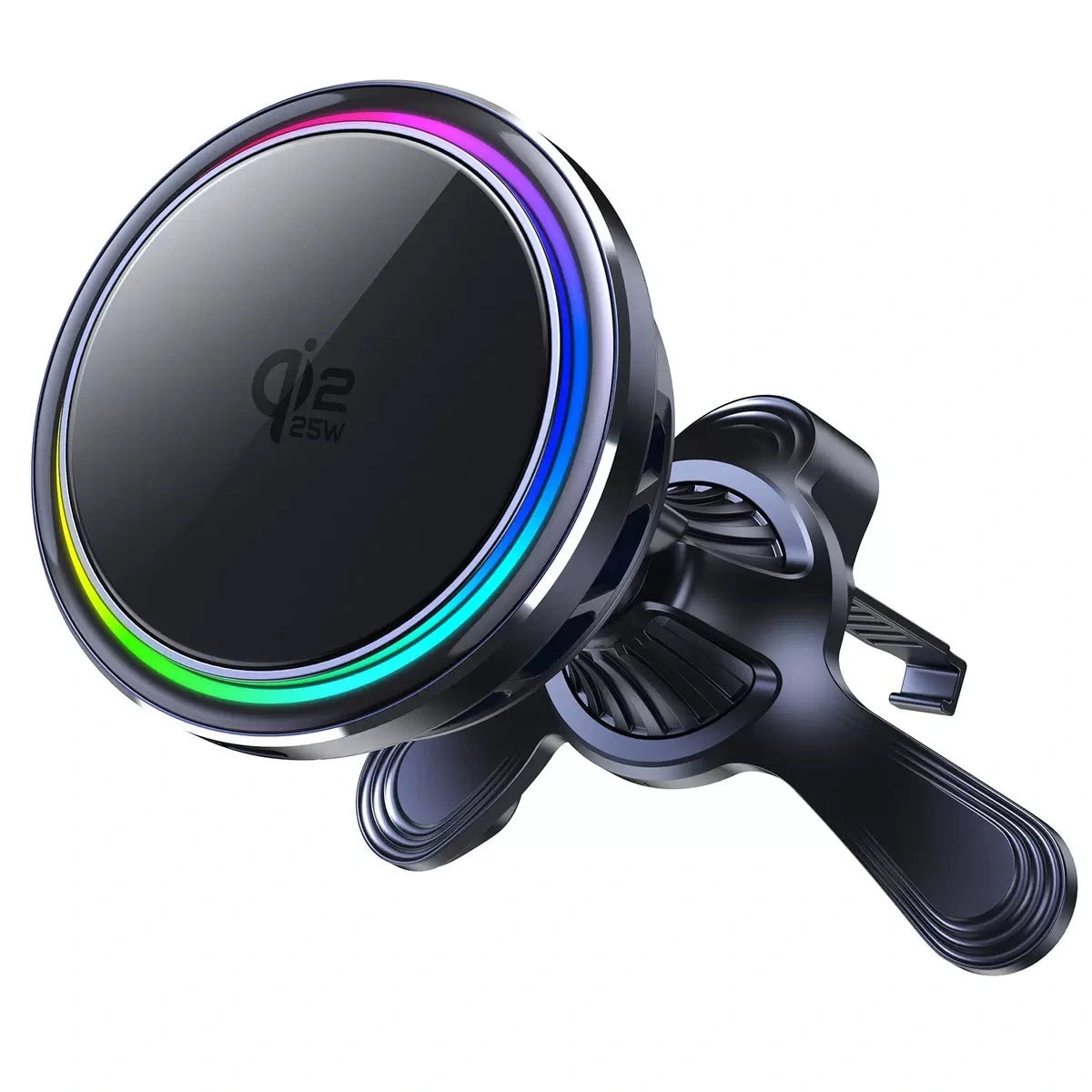
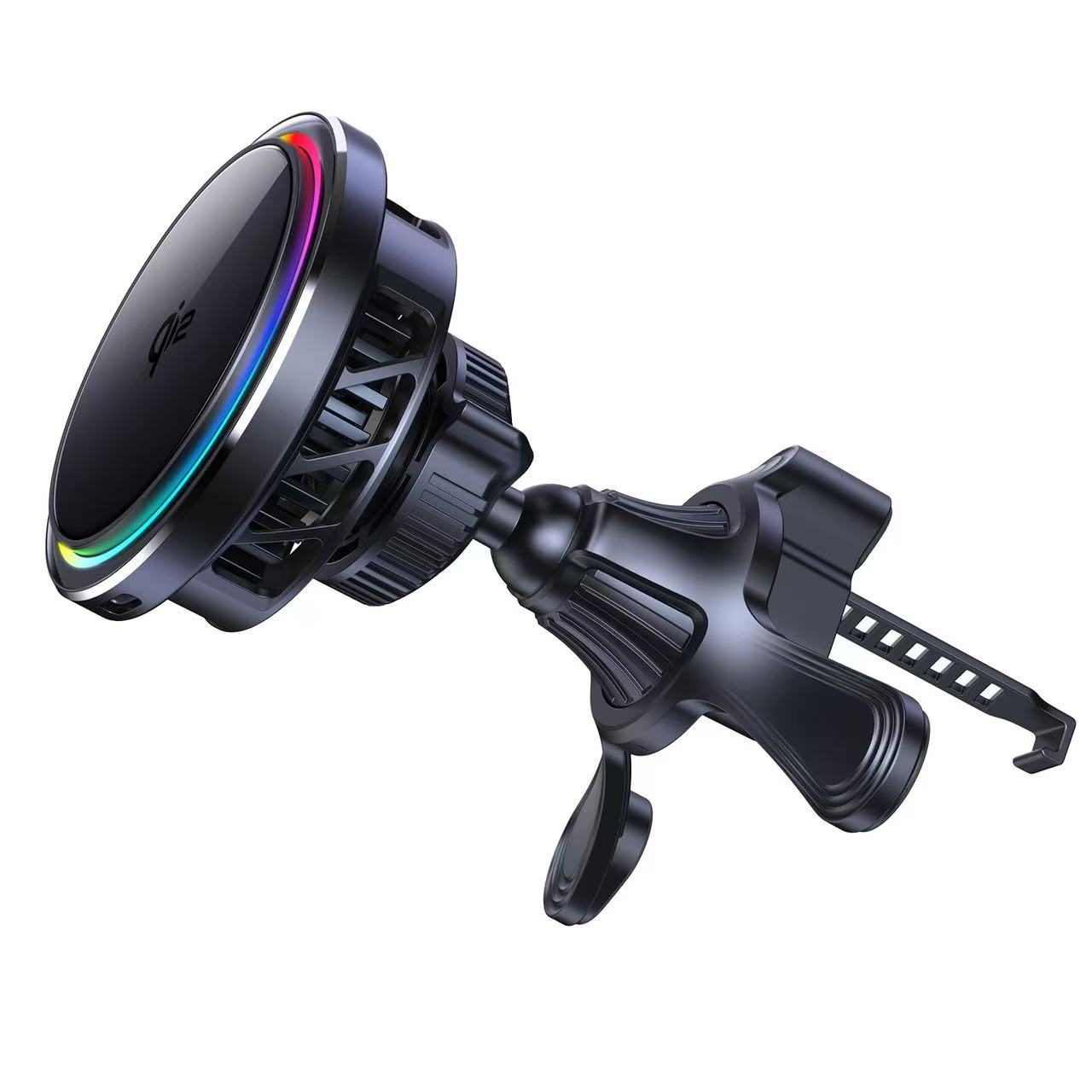
For a day of photos, navigation and video, plan a charging stop and enough storage before leaving. A compatible magnetic car charger can fit naturally into the drive between locations.
Which camera phone should you buy?
Lean toward iPhone 18 Pro Max if the reviewer’s selfie results match your priorities and you want Apple’s video and editing workflow.
Lean toward Galaxy S26 Ultra if dedicated 3×/5× framing, Samsung’s portrait rendering and its camera tools fit your shooting habits.
Keep your current phone if neither option fixes a problem you regularly encounter. Compare your own people, lighting and zoom needs before switching ecosystems.
ZEERA’s buying recommendation is to prioritize repeatable results in your most common scenes. The reviewer’s iPhone win is useful evidence, but Samsung remains a credible choice for a different photographer.
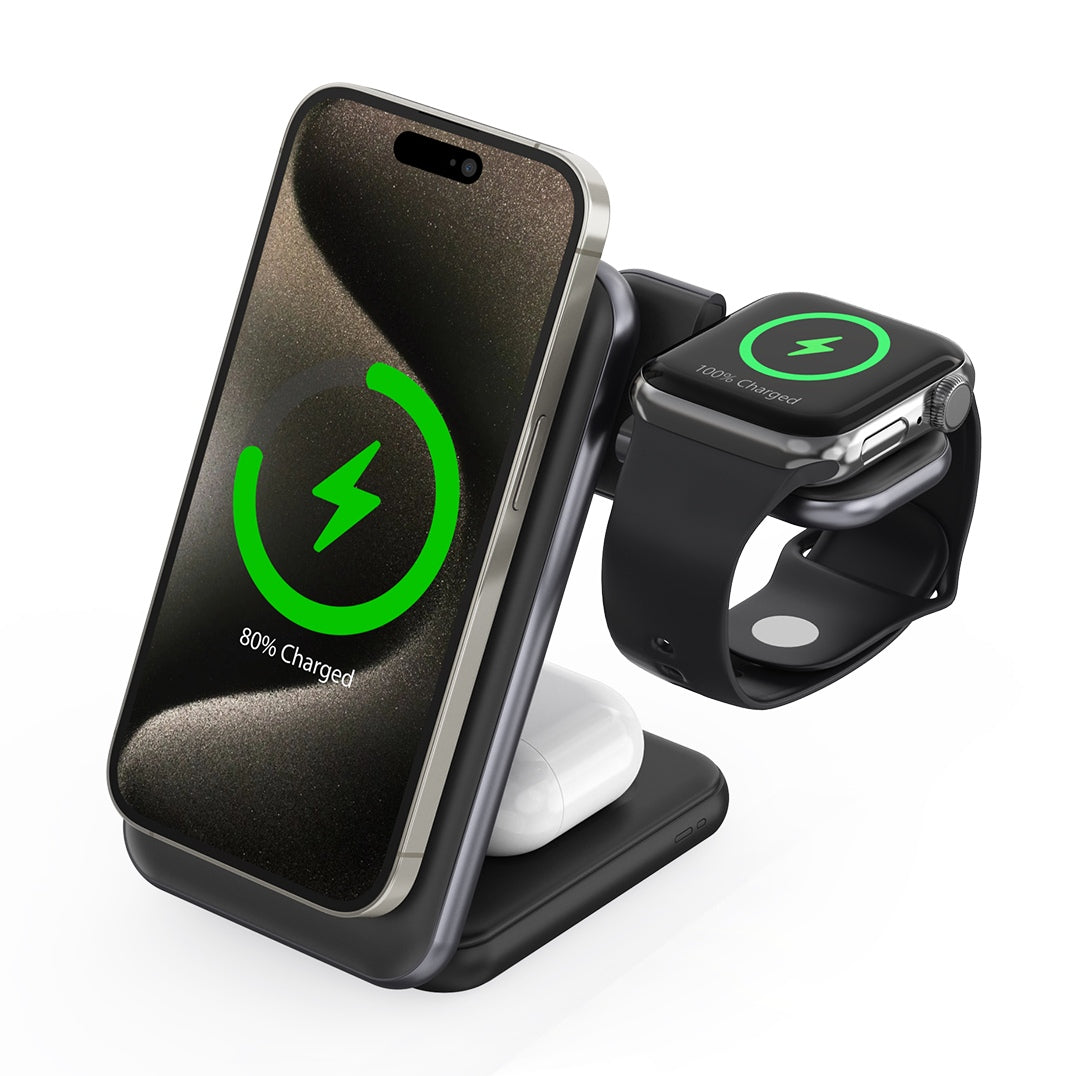
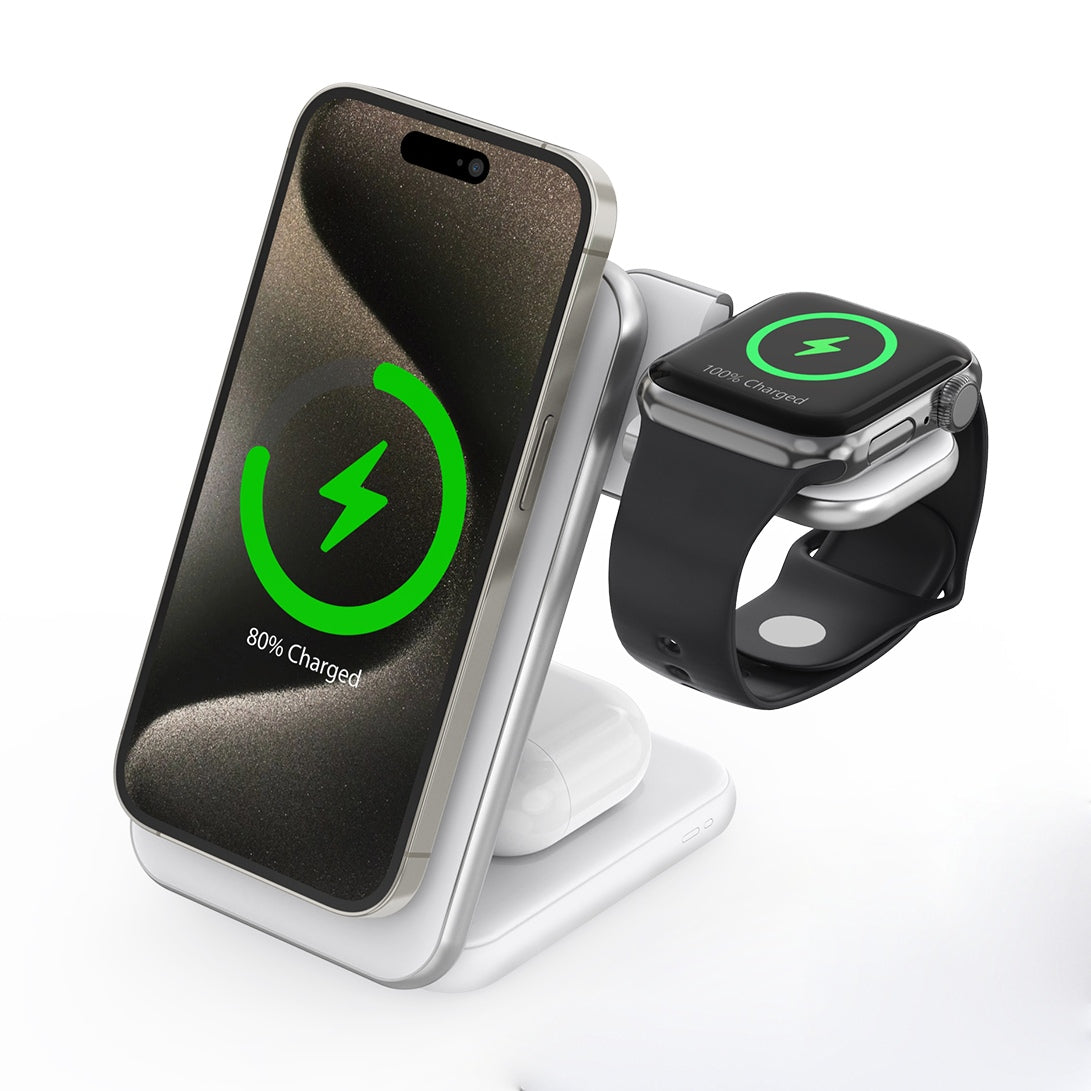
If you choose iPhone and travel with Apple Watch and AirPods, a folding charging station can simplify your hotel or desk setup between shoots.
Watch the original camera comparison
Video source: The Tech Chap. Watch the original side-by-side examples before deciding which processing style you prefer.
Watch the original video on YouTube.
Sources and editorial method
- The Tech Chap — iPhone 18 Pro Max vs Samsung Galaxy S26 Ultra: Which Camera Wins? Primary source for the reviewer’s preferences, travel observations and test setup; analyzed using the user-supplied auto-generated transcript. Its wording may contain transcription errors.
- Apple — iPhone 18 Pro and Pro Max technical specifications. Source for iPhone camera hardware and recording features.
- Samsung — Galaxy S26 series announcement and specifications. Source for Samsung hardware, APV and stabilization features.
- Apple — iPhone 18 Pro launch announcement. Source for variable aperture and native Camera app controls.
Reviewed October 12, 2026. ZEERA provides editorial interpretation of the supplied comparison, not an independent hands-on verdict. ZEERA accessory modules are commercial recommendations; the source creator is not presented as endorsing them.
Related ZEERA guides
- iPhone 18 Pro Max camera settings: 48MP photos and 4K video
- iPhone 18 Pro Max camera glare and lens flare checks
- Why iPhone 18 Pro lens flare can change with aperture
- iPhone 18 Pro Max variable aperture explained
- iPhone 18 Pro Max camera lag and choppy preview fixes
- Considering a foldable instead? Compare ZEERA iPhone Duo cases
FAQ
Does the Galaxy S26 Ultra’s 200MP camera guarantee better photos?
No. Megapixel count describes only part of the camera. The source comparison found important differences in exposure, color and skin tones; the reviewer did not judge the winner by resolution alone.
Should I buy iPhone 18 Pro Max for Instagram or TikTok?
Its selfie and video tools may suit your workflow, but this video does not measure platform upload quality. Choose around the clips you record and how you edit and share them.
Can I get the same framing at 3× on both phones?
You can select similar framing, but the phones use different native telephoto arrangements. Samsung has a dedicated 3× camera; iPhone’s native telephoto is 4×, so the capture path is not identical.
Will a CPL filter remove every iPhone green flare?
No. A CPL can help with certain polarized reflections. Internal lens flare from bright point lights is a different problem, and changing the shooting angle may still be necessary.
Is this a ZEERA hands-on camera test?
No. This article analyzes The Tech Chap’s supplied video transcript and checks hardware claims against Apple and Samsung sources. The sample preferences are attributed to the reviewer.