November 2, 2026 · By Guichang Chen · ZEERA WIRELESS
Quick Answer
iPhone 20, also discussed as iPhone XX, may retain a smaller Dynamic Island in 2027 if an under-display selfie camera cannot deliver the image quality Apple needs.
A September display leak describes testing of a smaller cutout, while the specific camera-quality claim dates to March. Neither establishes a final cancellation of the no-cutout design.
The broader anniversary redesign could still bring curved glass on all four edges, visually slimmer borders and a metal frame between the front and back glass.
Prototypes reportedly measure 6.41 and 6.96 inches. COE OLED, solid-state buttons, A21-series chips and battery upgrades remain development possibilities for the expected fall 2027 launch.
Why Could iPhone 20 Keep the Dynamic Island?
The camera-quality story is a rumor with a specific history. On March 31, 2026, MacRumors reported claims from @phonefuturist that Apple had evaluated an under-panel camera but found its imaging unsatisfactory. The account has a limited established track record, so that claim alone cannot establish Apple's final decision.
A separate September 21 report citing Digital Chat Station describes testing of a smaller Dynamic Island-style opening. That makes a reduced cutout a plausible alternative while leaving the overall curved-glass redesign in play.

Under-Display Face ID Is a Different Challenge
The iPhone 18 Pro already shows how Apple can shrink the visible opening without hiding the selfie camera. iFixit's September teardown found the Face ID infrared camera beneath the screen near the upper-left corner. The selfie camera and infrared dot projector remain in the central opening.
That distinction matters for iPhone 20. A sensor used for facial authentication needs a usable infrared signal; a selfie camera also needs to produce attractive full-color photos and video. Moving one Face ID component under the display does not solve both problems.
Why the screen can hurt camera quality
An OLED panel places material and a pixel pattern in front of the lens. Published under-display camera research documents reduced light transmission and diffraction, which can introduce noise, blur and color shifts. Image processing can help, but the optical compromise remains relevant to the design.
Four Curved Glass Edges Could Still Transform the Design
Mark Gurman's August 11 Bloomberg report describes two anniversary Pro devices, internally called V73 and V74, with front and rear glass curving toward the sides and a metal band between them.
The more ambitious seamless-glass concept proved difficult to realize and was reworked. The version described in that reporting retains structural metal. Combined with thinner-looking borders, it could still produce Apple's most substantial visual change since iPhone X.
Nearly borderless is a visual effect
Curved cover glass and the way light travels through its edges could make the frame less noticeable from the front. That does not establish that active OLED pixels wrap far down every side, or that the phone has literally no border. ZEERA previously explored this direction in our iPhone 19 Pro design report.

Larger Displays and a Thinner COE OLED Stack
The September Digital Chat Station leak gives two prototype display measurements: 6.41 inches for the Pro-size model and 6.96 inches for the Pro Max-size model. These point to a modest increase in diagonal size, with curved glass and slimmer borders potentially contributing more to the visual change.
What COE could change
Apple is reportedly considering Samsung OLED technology called Color Filter on Encapsulation (COE). Samsung Display explains that this polarizer-free approach integrates anti-reflection functions into the panel. Removing the conventional polarizer can reduce thickness and improve light efficiency, supporting brighter output or lower power consumption.
The display-efficiency benefit does not automatically make a hidden selfie camera photograph as well as an exposed one. Panel brightness and camera image quality remain separate engineering targets.

Solid-State Buttons Are Still Being Tested
Rumors summarized in the 20th-anniversary iPhone reporting also describe pressure-sensitive solid-state buttons. Instead of relying on conventional mechanical travel, they would use haptic feedback to simulate a click.
That could help the controls blend into the curved frame. The important question is how reliably they would respond through a case and during everyday handling; testing does not yet establish the final button arrangement.
A21, New Batteries and a Custom Camera Sensor
A21-series silicon
The 2027 generation is expected to move to an A21-series chip using a second-generation 2nm process. The specific chip designation, core configuration and performance gains remain unsettled.
Silicon-anode battery research
Reports also point to higher-silicon battery anodes, which could increase energy density. No final capacity or battery-life figure follows from that development work.
A custom high-dynamic-range sensor
Apple-customized HDR image-sensor development could improve the balance between bright highlights and dark areas. This concerns the imaging pipeline and sensor technology; it is separate from hiding the front camera under the display.
These projects should not be combined into a guaranteed specification list. They may progress at different speeds before the anniversary models reach production.

iPhone 20 or iPhone XX: Expected in Fall 2027
The anniversary Pro generation is expected in fall 2027. Apple may skip iPhone 19 and use iPhone 20, while iPhone XX is another anniversary name discussed in rumors. The retail name and launch date remain unannounced.
For the naming background, read our iPhone 19 versus iPhone 20 guide. If your decision is whether to upgrade now, our iPhone 18 Pro Max versus waiting for 2027 article covers that separate question.
The strongest reason to watch this generation is the combination of curved glass, a less visible frame and a cleaner front. Retaining a small camera opening would narrow the no-cutout ambition, while still allowing a substantial change in how the iPhone looks and feels.
FAQ
Does a smaller camera opening mean Live Activities disappear?
Not necessarily. The camera opening is hardware; Live Activities are a software presentation. Apple already supports them in the smaller Dynamic Island on iPhone 18 Pro. Their layout on a future anniversary model is a separate design decision.
Can a concept render confirm the camera or button layout?
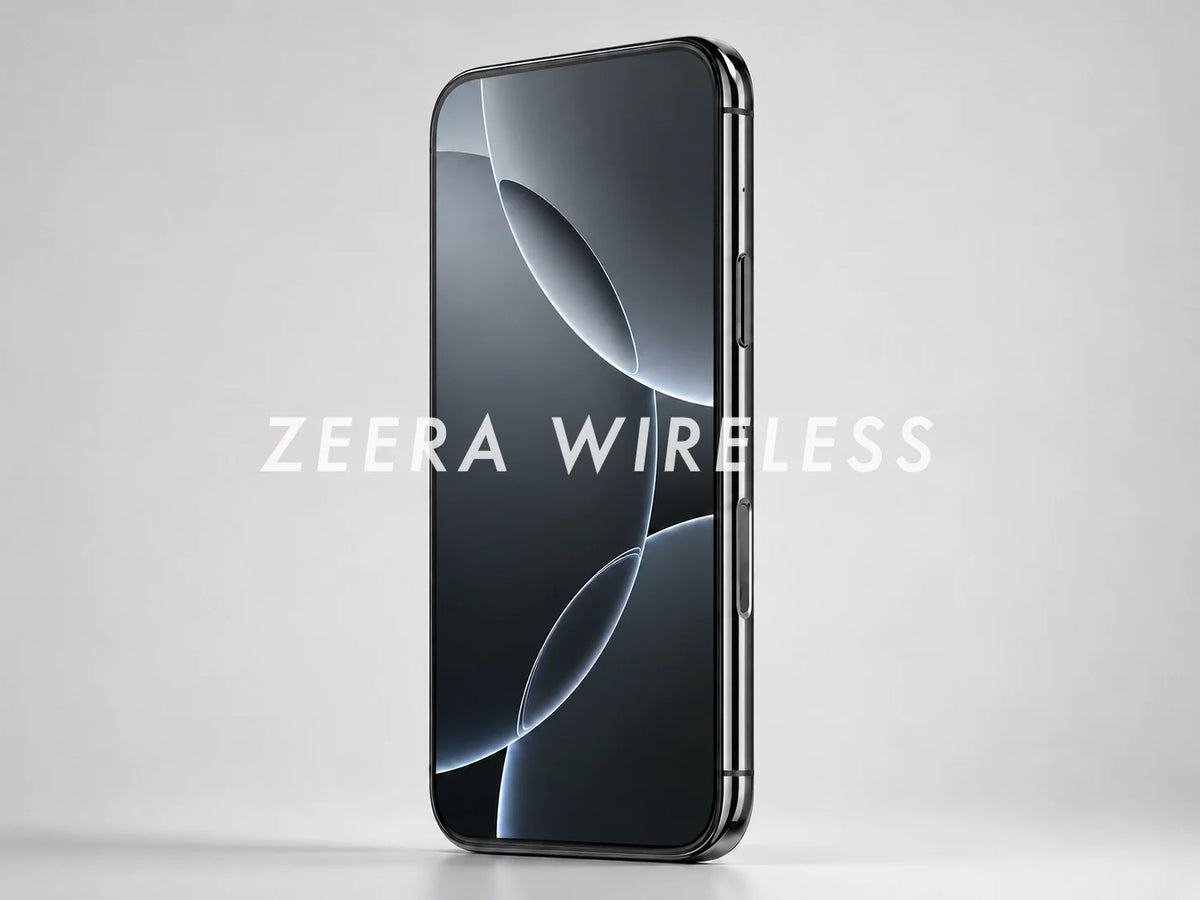
No. A render can visualize the glass-and-frame idea while choosing its own camera openings, rear lenses and buttons. Those illustrated details are not evidence of a production configuration.
Related Reading