Quick Answer
Wide slab phones can make videos, photos, documents and reading feel more natural by giving content more horizontal room without a folding screen.
Huawei’s Pura X View is already a real product; OPPO and other Chinese brands are linked to follow-up projects. Apple should not be treated as a confirmed participant.
The attraction is a broader everyday canvas with no hinge or display crease. The trade-off is a wider grip, less vertical space and software that must use the new proportions well.
For people who read, watch and work on their phones, this could become a useful alternative to both tall flagships and foldables.
What is a wide slab phone?
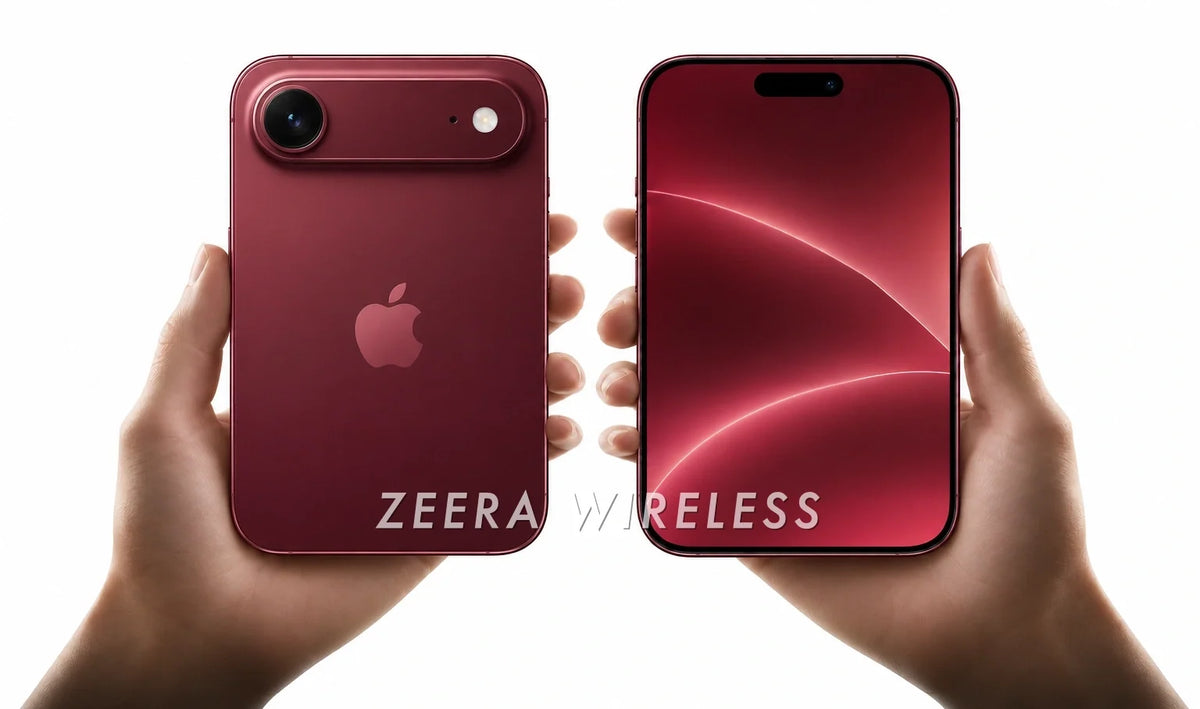
A wide slab phone is a non-folding smartphone with a shorter, broader display shape, often discussed around 16:9 or 16:10 in landscape. In portrait, those proportions are reversed. Compared with a tall 20:9 phone, it shifts more of the screen across your hand rather than up it.
The idea is simple: keep a single rigid screen while making pages, pictures and landscape content less cramped. It shares the interest in broader screens explored in our 2027 wide-foldable overview, but takes a different hardware route.
Huawei, OPPO, Xiaomi, vivo and Apple: where things stand
As of November 2, 2026, Huawei provides the clearest example. Its Pura X View uses a marketed 16:9.5 display format and starts at RMB 5,999 in China. Huawei lists a 6.39-inch OLED screen and an 87 mm body width.
OPPO: a more specific development rumor
An October 30 IT Home report, citing Digital Chat Station, describes a roughly 6.35-inch wide-screen project associated with OPPO. The first model is said to target the high-end flagship category in 2027, with thinner camera-focused models potentially following.
Xiaomi, vivo and HONOR: broader industry expectations
An October 26 report quotes the same tipster saying China’s top five domestic brands have approved wide-slab projects and are accelerating testing. Xiaomi, vivo and HONOR belong in the discussion as reported or inferred participants, rather than as announced products with final specifications.
Apple: the original claim needs correcting
That October 26 report also quotes the tipster explicitly excluding Apple at that point. A wide foldable iPhone and a wide non-folding iPhone are separate product ideas; evidence for one does not establish the other.
The schedule is also less settled than “everyone launches in 2027” suggests. The October 30 report places some slower projects in late 2027 to the first half of 2028. Project approval is a development milestone, not a retail release date.
Why a wider screen fits the content we use
The strongest argument for this shape comes from what is on the screen. A document has columns. A photograph has a composition. A video has a native frame. Stretching the phone taller does not always make those things easier to see.
Reading and browsing: more control over the page
At a comparable physical text size, a wider text column can fit more words per line, or allow larger lettering without breaking every sentence into short fragments. Tables, email threads, PDFs and financial charts may need less sideways panning. Reflow, zoom and sensible margins still matter: extremely long lines are not automatically comfortable.
Photos and comics: room for the whole image
A broader portrait canvas can accommodate page-shaped comics and common photo formats with less wasted space or less aggressive cropping. For shopping, editing or comparing pictures, seeing the composition together can be more useful than seeing another narrow strip of a feed.
Mobile work: useful width, if the app uses it
A wider viewport gives developers more options for document tools, message previews and compact panels. Split-screen work can benefit where the operating system and apps support it, but two windows still need enough usable space. A wider phone does not automatically become a tablet.
Video: closer proportions mean smaller black bars
A 16:9 video fits a 16:9 screen naturally in landscape. A 16:10 or Huawei-style 16:9.5 screen leaves relatively little unused space. The comparison below isolates screen shape; it does not compare the physical picture size of different phones.
| Screen ratio | Area used | Unused area |
|---|---|---|
| 16:9 | 100% | 0% |
| 16:9.5 | 94.7% | 5.3% |
| 16:10 | 90% | 10% |
| 20:9 | 80% | 20% |
Calculated from ideal rectangular aspect ratios, excluding corners, camera cutouts and player controls. Used area is the smaller of the screen/video ratio and its reciprocal. Zoom-to-fill changes the result by cropping the video.
Wider cinematic films and vertical clips change the balance. To compare actual video dimensions rather than black-bar percentages, see our iPhone Duo vs Pro Max video-size analysis.
Gaming and battery: separate the potential from the promise
Game visibility depends on the game
A less elongated landscape screen changes the available shape for the scene and its controls. Depending on how the game fixes its field of view, that can reveal more vertically, show less horizontally or trigger a different layout. There is no universal “28% more view” or guaranteed competitive advantage. Touch comfort also depends on the actual phone dimensions and adjustable button placement.
A large battery without a folding mechanism
Huawei’s official specifications list a 7,000 mAh typical battery, 6.68 mm thickness and approximately 201 g weight. This shows that a thin wide slab can accommodate substantial battery capacity. Removing folding hardware simplifies packaging, but battery chemistry, cameras and cooling still determine what fits; width alone cannot guarantee longer runtime.
A rigid screen also removes the hinge and folding crease from everyday use. That is a meaningful appeal for buyers who want broader content without opening the phone. It does not establish a universal price or durability advantage over every conventional flagship or foldable.
The trade-offs will decide who buys one
One-handed reach becomes the obvious compromise
Body width matters more than diagonal size when reaching the opposite edge. The Pura X View’s 87 mm width makes this a different proposition from a narrow phone, even before adding a case. Two-handed typing may suit some users better, while a firm one-handed grip may become harder.
Vertical feeds can lose useful height
A shorter screen may show fewer feed items or text lines at comparable sizing. Full-height vertical videos are also a weaker aspect-ratio match. TikTok-style viewing, quick one-handed scrolling and keyboard-heavy apps can favor a taller format.
App design and accessories need to catch up
Responsive apps can make good use of the extra width; fixed layouts may leave blank space, enlarge awkwardly or keep the same narrow content column. Cases, screen protectors and mounts also need model-specific dimensions. Existing foldable or flagship cases cannot be assumed to fit a new wide slab.
The best fit: someone who regularly reads articles or comics, checks documents, views photos or watches 16:9 video, and is happy to use both hands. The weaker fit: someone who values narrow-pocket carry, easy thumb reach and portrait short-video feeds above everything else.
For that first group, the appeal is straightforward: more of the screen’s shape serves the content they already use. Whether the category lasts will depend on how well manufacturers turn those proportions into comfortable hardware and useful app layouts.
FAQ
Is “wide slab phone” the same as an ultra-wide camera phone?
No. “Wide slab” describes the phone’s body and display proportions. An ultra-wide camera describes a lens’s field of view; a phone can have either feature without the other.
Why not just rotate a tall phone?
Rotation helps when an app supports landscape. It does not change the panel’s proportions, so a tall phone becomes a long, shallow landscape screen. A wide slab offers a different physical canvas in both orientations.
What should I try before switching?
Open your own reading app, a document, a 16:9 video and a portrait clip. Then type with the keyboard visible and test your usual grip. Those tasks reveal whether the width helps your routine more clearly than the advertised screen diagonal.
Related Reading