Quick Answer
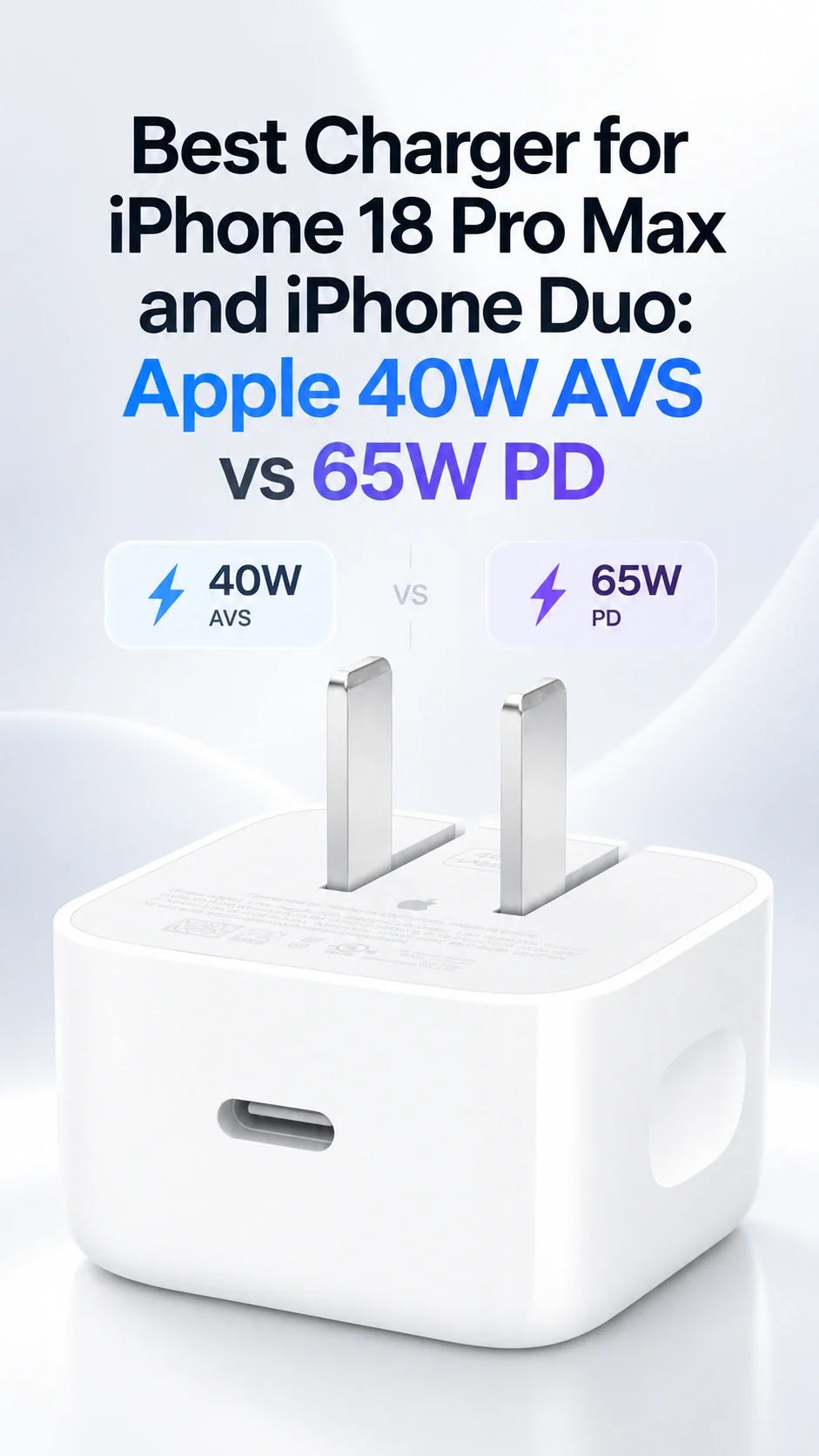
Best wired charger for iPhone 18 Pro Max: Apple's 40W Dynamic Power Adapter (60W Max), or a verified 60W-plus AVS alternative, for Apple's fastest stated top-up.
Best wired charger for iPhone Duo: the same Apple adapter is a simple one-charger choice; Apple's stated 20-minute result calls for a 60W-capable USB-C adapter and cable.
In ZEERA's comparison with a conventional 65W PD charger, Apple's AVS adapter finished about five minutes sooner and showed steadier charging and better thermal behavior, even though the 65W unit briefly drew more power.
Already own a good 65W charger? Keep it. The five-minute observation is from ZEERA's specific comparison, not a promise for every charger or for iPhone Duo.
Prefer a wireless desk or travel setup? A compatible Qi2 25W charger is the convenience pick; wired USB-C remains the choice for the shortest quick top-up.
Which charger is actually best for each phone?
A charger’s printed wattage is its output capacity. The phone requests what it can use, and the charging curve changes as the battery fills and the device warms up. That is why a 65W label alone cannot settle the comparison.
Apple: up to 50% in around 15 minutes with a 60W-capable or higher AVS adapter and USB-C cable. MagSafe/Qi2: up to 25W; Apple's MagSafe setup reaches up to 50% in around 30 minutes with a 35W-or-higher adapter.
Apple: up to 50% in around 20 minutes with a 60W-capable or higher adapter and USB-C cable. Its specs do not explicitly require AVS for this claim. MagSafe/Qi2: up to 25W; Apple's MagSafe setup reaches up to 50% in around 30 minutes with a 35W-or-higher adapter.
Apple's published test conditions and device limits: iPhone 18 Pro specifications and iPhone Duo specifications. The 15-, 20- and 30-minute figures are separate manufacturer tests, not ZEERA head-to-head timings.
For one plug shared between the two phones, Apple's 40W Dynamic Power Adapter (60W Max) is the straightforward choice. Its AVS feature meets the Pro Max's special fast-charge condition, and Apple lists Duo among its fast-charge devices. In the US, Apple currently lists the single-port adapter at $39; the USB-C cable is sold separately.
If you already have a reputable 65W charger, check its single-port output and AVS support before spending again. A conventional 65W USB PD charger can charge both phones; for the Pro Max, a 65W marking without AVS does not establish eligibility for Apple's 15-minute claim. For Duo, Apple's stated requirement is 60W capability, without the same explicit AVS condition.
Apple 40W AVS vs conventional 65W PD: what ZEERA observed
ZEERA compared Apple's adapter with a conventional 65W PD unit. The 65W charger registered a higher momentary power reading, but the Apple adapter's power delivery was steadier, thermal behavior was better, and the charging session ended about five minutes sooner in that setup.
Those are ZEERA observations from the chargers and test conditions used, not a universal result for every 65W model. ZEERA has not established that Duo will finish five minutes faster with the Apple adapter, nor that all AVS chargers behave identically. Battery percentage at the start, cable, ambient temperature, phone use and charger design can all change the result.
AVS stands for Adjustable Voltage Supply. Apple's adapter adjusts its output voltage for a compatible device; the 40W name describes its normal power class, while 60W Max describes a dynamic peak. It is not a 60W continuous-output laptop brick. A 65W charger that also supports the appropriate AVS mode could perform differently from the conventional PD unit ZEERA tested.
For more charging-curve context, see ZEERA's 140W PD vs 60W AVS iPhone test.
What the original Apple 40W adapter test proves
Video credit: 充电头网 / ChargerLAB, original Apple 40W Dynamic Power Adapter review. Its bench and compatibility measurements belong to the video creator. The video was made around the iPhone 17 launch; it did not test an iPhone 18 Pro Max or an iPhone Duo.
In the supplied transcript, the reviewer reports that a sustained 60W bench load lasted roughly 19–23 minutes before thermal regulation, depending on the mains test condition. That helps explain the “60W Max” label: high output is temporary. The transcript also covers 40W load temperature and charging an older iPhone and a MacBook. None of those measurements should be presented as Duo battery results or as ZEERA's own tests.
Original video: watch on YouTube. The accompanying transcript contains speech-recognition errors; model numbers and incidental readings have been omitted where they cannot be confirmed.
When does a Qi2 25W charger make more sense?
Both iPhone 18 Pro Max and iPhone Duo officially support up to 25W MagSafe and Qi2 wireless charging. That rating is an upper limit under compatible conditions, not a guaranteed constant wattage. Apple's roughly 30-minute-to-50% wireless figure uses its specified MagSafe Charger and a 35W-or-higher adapter.
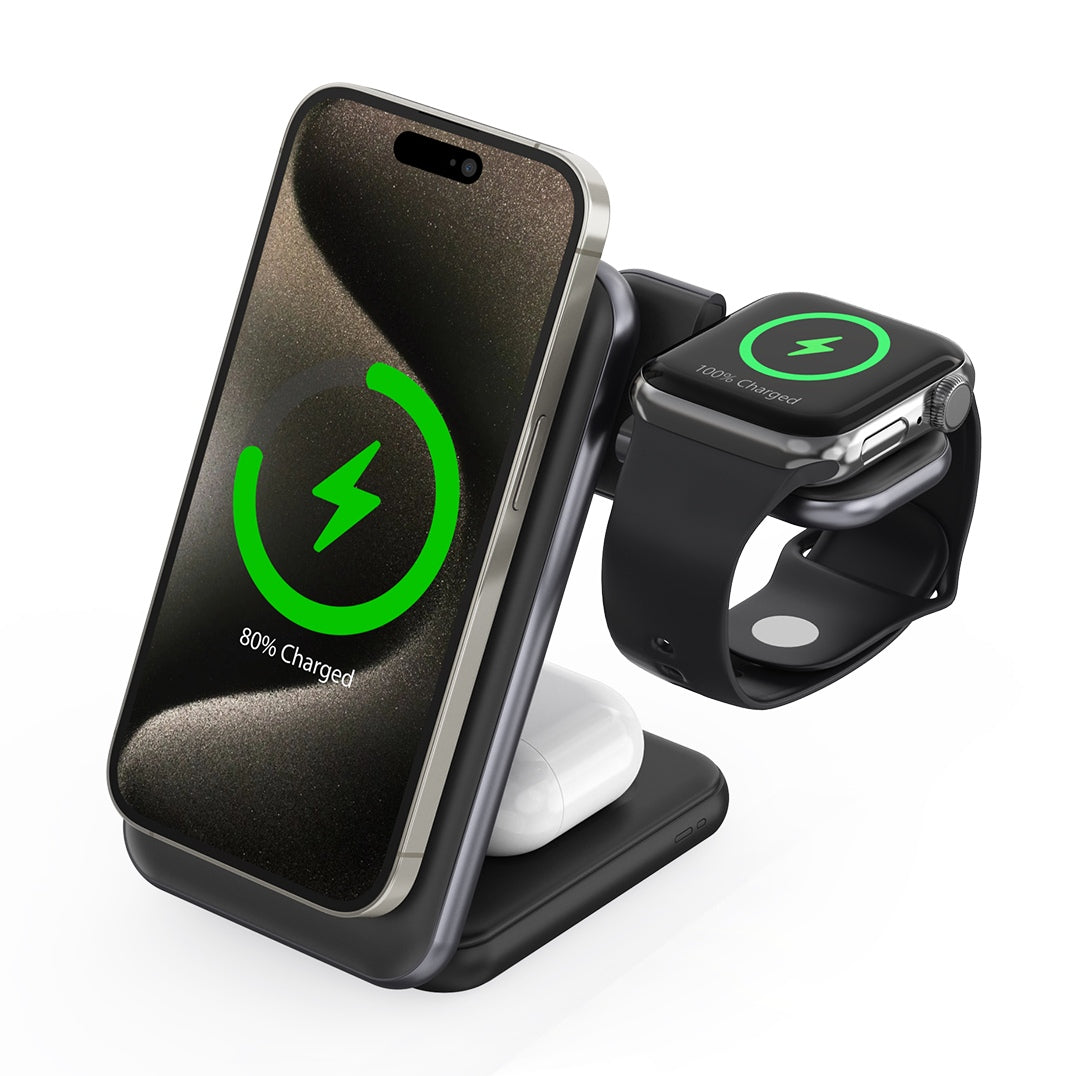
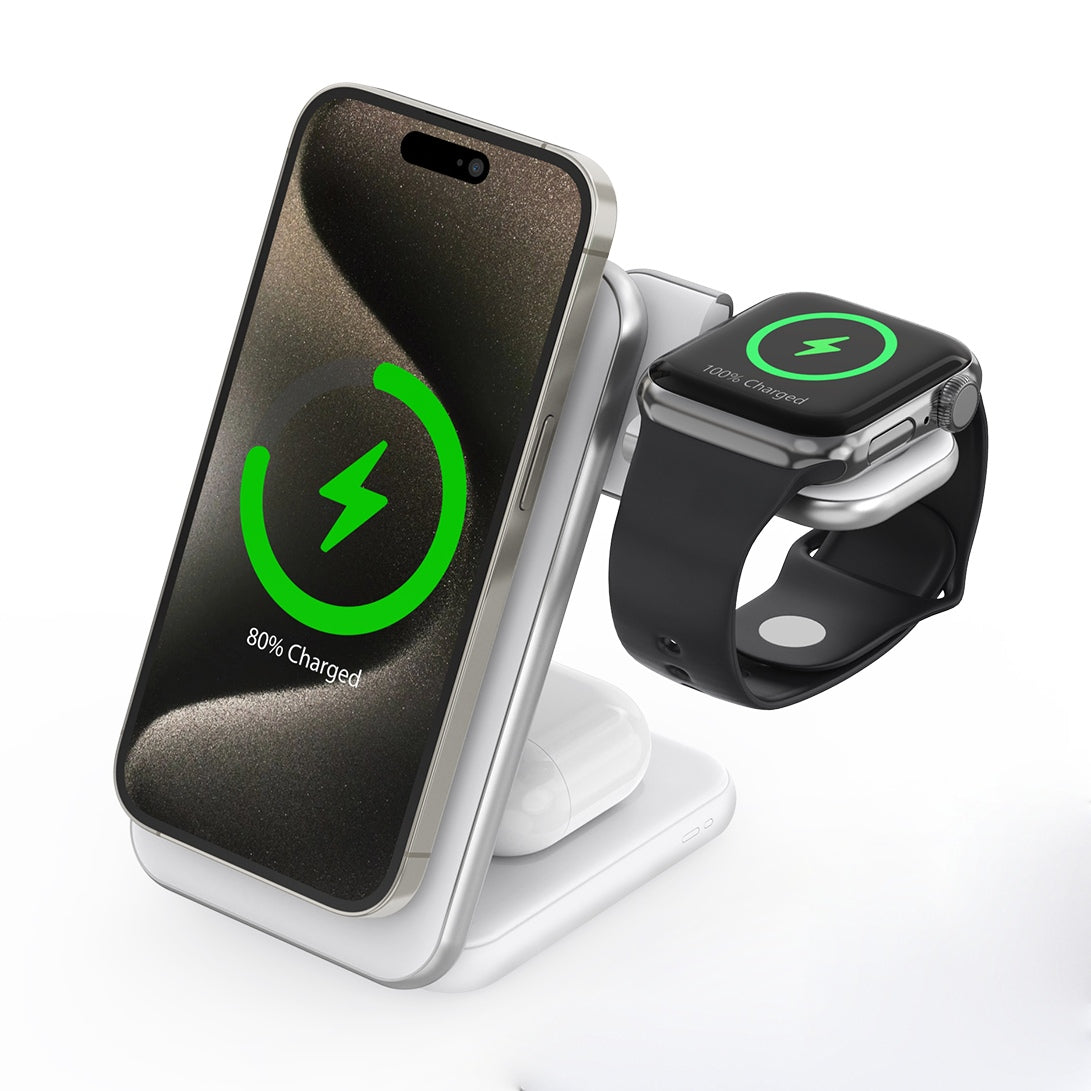
For a desk, bedside table or trip with Apple Watch and AirPods, ZEERA MagTri Gen2 is a foldable 3-in-1 Qi2.2 charging option with active cooling. Follow its input recommendation of 45W or higher USB-C PD for full multi-device use. Do not assume Apple's 40W dynamic adapter will continuously supply every multi-device charger at its maximum combined load.
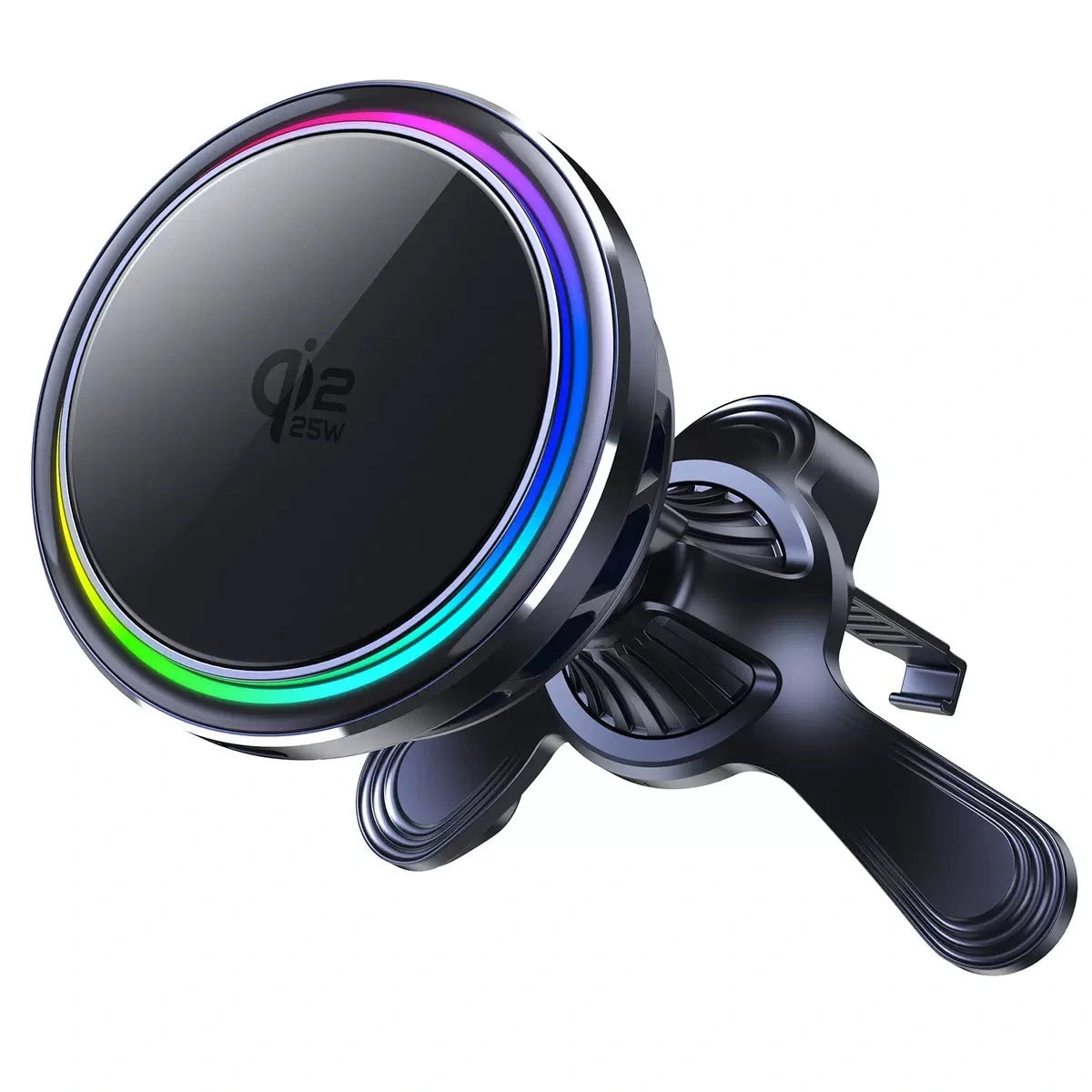
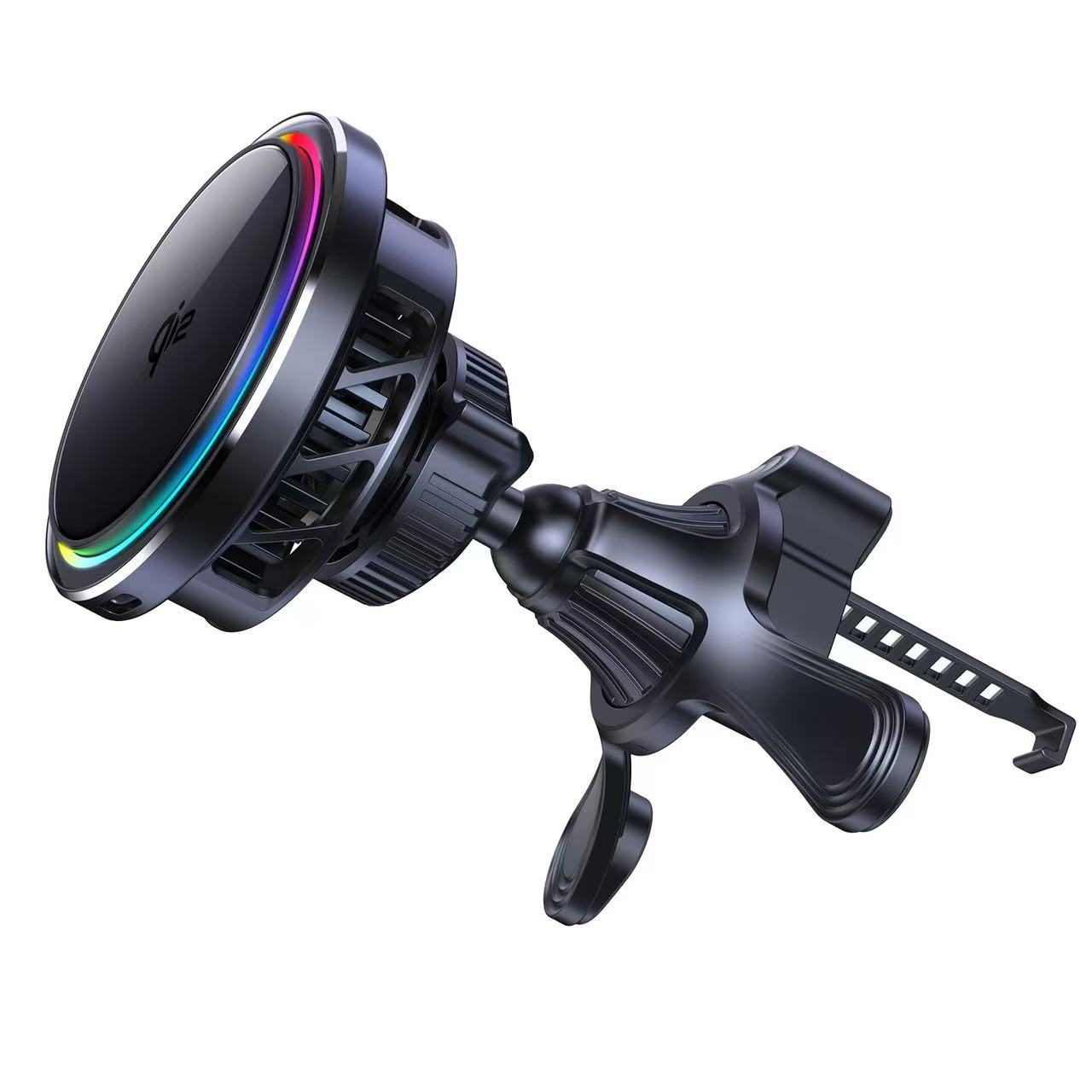
For navigation and Wireless CarPlay, a magnetic car charger such as ZEERA SuVolt Gen5 is the practical option. Select the Qi2.2 25W variant if that is the output you want; a separate Qi2 15W variant also exists. Car charging speed depends on the car adapter, mount placement, airflow and temperature.
With Duo, check that the charging pad and case align with the phone's magnetic area when folded. The shape of a foldable phone makes physical fit especially relevant. For a dedicated wireless buying guide, see ZEERA's iPhone 18 Pro Max and Duo MagSafe charger picks.
Buying verdict
Buy Apple's 40W AVS adapter if your priority is the shortest supported wired Pro Max top-up, a compact single-port charger, and the steadier result ZEERA observed against its conventional 65W test unit.
Keep your 65W PD adapter if you already own one and are happy with its speed. The ZEERA difference was approximately five minutes under one test setup. For Duo, a 60W-capable 65W unit may already meet Apple's published adapter capacity condition.
Choose a Qi2 25W charger when a magnetic stand, multi-device charging or car mounting matters more than the shortest wired session. Check the exact 25W variant and its input requirements.
FAQ
Does iPhone 18 Pro Max need AVS for Apple's 15-minute claim?
Yes. Apple's specifications call for a 60W-capable or higher AVS adapter paired with a USB-C charging cable. A 65W PD label alone does not confirm AVS.
Does iPhone Duo require AVS for fast charging?
Apple's Duo specifications state a 60W-capable or higher adapter and USB-C cable for up to 50% in around 20 minutes. They do not explicitly make AVS a condition for that result.
Will Apple's 40W adapter always beat a 65W charger by five minutes?
No. ZEERA observed that gap against the conventional 65W charger it tested. Charger protocol, power curve, cable, battery level and heat can change the outcome.
Can the Apple adapter power a 25W wireless charger?
It can supply a compatible USB-C wireless charger, but the stand's own input requirements determine its features and combined output. For a 3-in-1 stand with active cooling, use the maker's recommended adapter.
Is Apple's 60W Max rating the same as continuous 60W?
No. Dynamic 60W output is temporary; the original ChargerLAB review observed thermal regulation under sustained full load.
Related reading
- iPhone 18 Pro charger: 20W vs 30W vs 60W, AVS and Qi2
- Why a 140W PD charger can lag behind 60W AVS
- Best MagSafe charger stands for Pro Max and Duo
- How to protect iPhone 18 Pro Max battery health
- iPhone 18 Pro Max heat and vapor chamber guide
- iPhone 18 Pro Max cooling case guide
- Apple's iPhone Duo charging specifications
Sources: Apple iPhone 18 Pro specs, Apple iPhone Duo specs, Apple 40W adapter listing, and ChargerLAB original video. ZEERA's five-minute comparison is separately identified above.