Updated: August 18, 2026
Quick Answer: Which Phone Has the Best Battery Life in 2026?
The OPPO Find X9 Pro delivered the longest battery life in this 2026 flagship smartphone test, lasting 14 hours and 16 minutes under an intensive mixed-use workload.
The OnePlus 15 finished second at just under 13 hours, while the Samsung Galaxy S26 Ultra reached roughly 12 hours and took third place.
The biggest efficiency surprise was the iPhone 17 Pro Max. Despite having the smallest listed battery in the group at 4,823mAh, the tested UK model still finished fourth.
The Google Pixel 10 Pro XL finished last despite having a larger 5,200mAh battery than both the Galaxy S26 Ultra and iPhone 17 Pro Max.
Bottom line: battery capacity alone does not tell you which phone will last longest. Chip efficiency, software, display power consumption, thermal management and battery design all influence real-world endurance.
How to read this article
Tested Result refers to a result directly observed in the original battery test. Manufacturer Spec refers to information cross-checked against an official product page. ZEERA Analysis is our interpretation of those results and should not be treated as an official statement from Apple, Samsung or another manufacturer.
Which Phones Lasted the Longest in the 2026 Battery Test?
Tested Result: OPPO and OnePlus delivered the longest endurance, while Samsung achieved a particularly strong result from a smaller 5,000mAh battery.
| Rank | Phone | Battery | Test Result | Key Takeaway |
|---|---|---|---|---|
| #1 | OPPO Find X9 Pro | 7,500mAh | 14h 16m | Longest endurance |
| #2 | OnePlus 15 | 7,300mAh | Just under 13h* | Excellent endurance from a large dual-cell battery |
| #3 | Samsung Galaxy S26 Ultra | 5,000mAh | About 12h | Strong efficiency without increasing capacity |
| #4 | iPhone 17 Pro Max | 4,823mAh tested UK model | Fourth place | Strong result from the smallest listed battery |
| #5 | Xiaomi 17 Ultra | 6,000mAh global* | Fifth place | Regional battery specs matter |
| #6 | Samsung Galaxy S25 Ultra | 5,000mAh | Sixth place | Same capacity as S26 Ultra, shorter endurance |
| #7 | Google Pixel 10 Pro XL | 5,200mAh | Seventh place | Larger capacity did not translate into longer runtime |
*The OnePlus entered its super power-saving mode shortly before the 13-hour mark rather than fully shutting down.
*The original video discusses a 6,800mAh headline figure for Xiaomi, but Xiaomi's current Global product page lists the global Xiaomi 17 Ultra at 6,000mAh typical capacity and its official FAQ lists 5,830mAh rated capacity.
Exact shutdown times were not verbally stated in the source video for every phone, so ZEERA does not estimate missing runtimes.
Original Test & Source
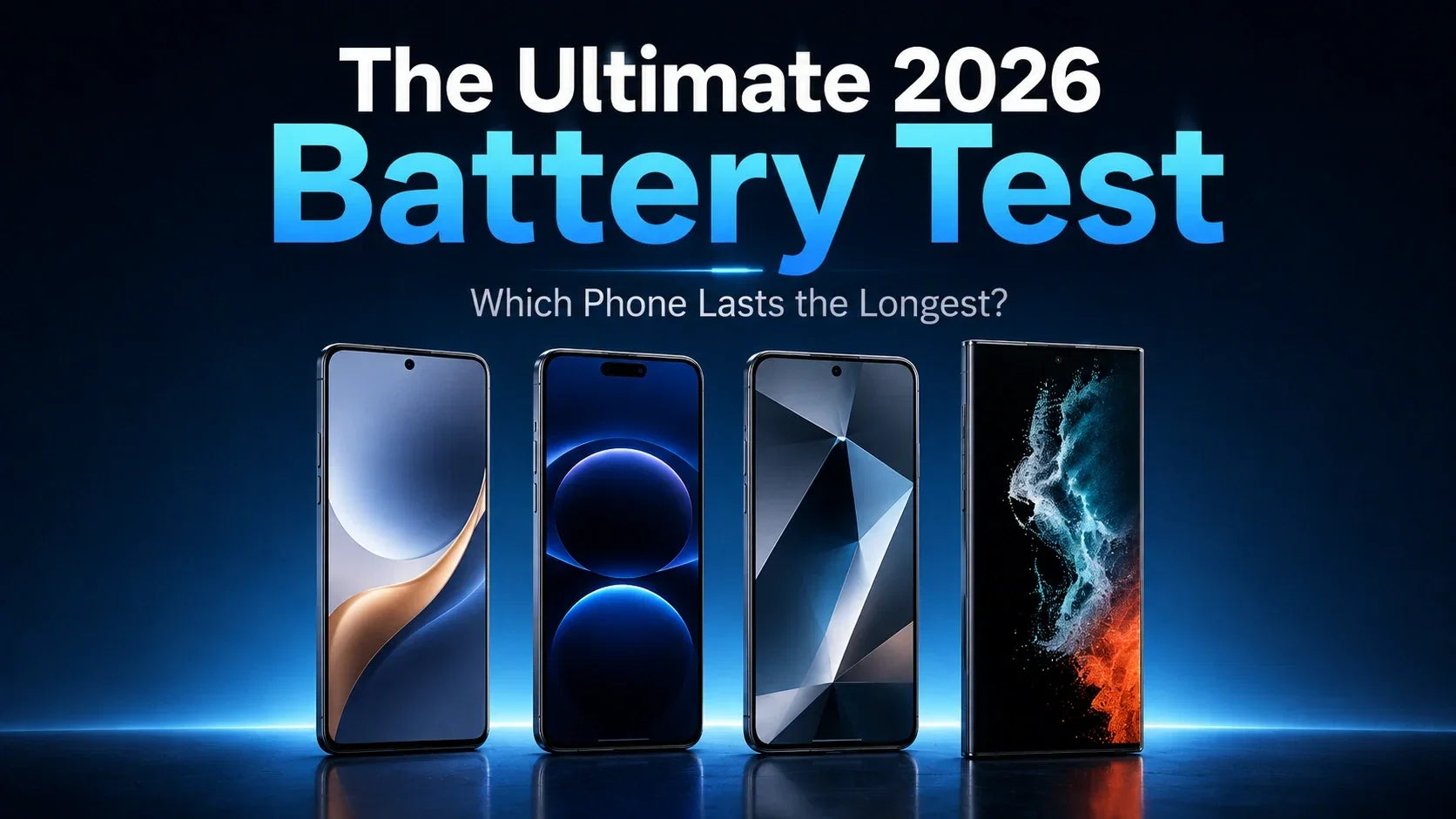
The seven-phone battery drain, thermal and performance test was conducted by Mrwhosetheboss in the video The Ultimate 2026 Battery Test , published on March 1, 2026.
ZEERA did not conduct the seven-phone battery drain test. We organized and analyzed the published results, then cross-checked important battery specifications against current manufacturer sources where possible.
Useful video timestamps:
02:48 — Normal-use thermal comparison
04:18 — Wuthering Waves gaming test
04:53 — Repeated Geekbench CPU test
08:04 — Silicon-carbon battery discussion
09:53 — Final battery ranking
Test Methodology
This was a mixed-use endurance test rather than a simple continuous video playback test. The phones were subjected to everyday apps, gaming, repeated CPU benchmarks, thermal monitoring and long-form media playback.
Social media, messaging and other normal smartphone workloads were used during the drain test.
Wuthering Waves was run for approximately one hour to place the phones under sustained load.
Geekbench was run three consecutive times, with the third run used to examine performance after sustained load.
A thermal camera was used to compare surface temperatures during normal use and heavier workloads.
Long-form video playback was included toward the end of the endurance test.
The room was controlled at approximately 17°C during the thermal test. Results may differ in hot weather, direct sunlight, different network conditions, different software versions or regional hardware variants.
Does a Bigger Battery Always Mean Longer Battery Life?
No. This test provides several clear examples of why comparing smartphones by mAh alone can be misleading.
The Pixel 10 Pro XL has a 5,200mAh battery, yet it finished behind the 5,000mAh Galaxy S26 Ultra and the tested 4,823mAh iPhone 17 Pro Max.
The Galaxy S26 Ultra also significantly outlasted the previous-generation S25 Ultra even though both use a 5,000mAh battery.
That means real-world endurance depends on more than capacity:
Battery capacity + chip efficiency + display power consumption + software optimization + thermal management.
mAh is also a measure of electrical charge, not a direct efficiency score. A larger mAh number does not automatically mean that a phone uses its stored energy more efficiently.
ZEERA Analysis
In 2026, mAh alone is not enough to predict which flagship phone will last longest.
The iPhone 17 Pro Max finishing fourth with the smallest listed battery, the Pixel finishing last with a larger battery, and the S26 Ultra outperforming the S25 Ultra at the same capacity all point to the same conclusion: system efficiency and thermal behavior are now just as important to compare as headline battery size.
Which 2026 Flagship Phone Ran the Coolest?
Tested Result: during the normal-load thermal comparison, the Galaxy S26 Ultra and iPhone 17 Pro Max were noticeably cooler than the other tested phones.
Their hottest visible areas barely reached approximately 27°C in a room controlled to 17°C.
Several competing phones showed areas above 32°C, with the Pixel appearing particularly warm in the thermal image.
The tester noted that both the Galaxy S26 Ultra and iPhone 17 Pro Max use aluminum frames in this generation.
That is an interesting correlation, but it does not prove that frame material alone caused the lower temperatures. Internal cooling, processor behavior, display load and software power management also influence surface temperature.
Which Phone Became the Hottest Under Heavy Load?
Tested Result: the OPPO Find X9 Pro became the hottest phone during the repeated CPU benchmark section, reaching approximately 42°C.
This is notable because OPPO simultaneously delivered the longest overall battery endurance.
The phone with the best battery life was therefore not the phone with the best thermal result.
The OPPO also produced a lower single-core result after sustained load, suggesting that temperature may have affected performance during that benchmark sequence.
For users, that distinction matters. A phone can be excellent for all-day endurance while still becoming warmer during gaming, benchmarking or other demanding workloads.
Why Does Heat Matter for Smartphone Battery Life?
Heat affects more than how comfortable a phone feels in your hand.
Sustained high temperature can reduce peak performance, influence charging speed and contribute to faster long-term battery degradation.
This becomes especially relevant when charging while using navigation, gaming, video calls, hotspot functions or camera recording.
Those workloads generate their own heat while the charging system is adding more.
What Can You Do About Heat While Charging?
The goal is not necessarily to avoid fast charging. The more useful goal is to reduce unnecessary heat when possible.
This is why ZEERA has focused on active cooling in newer Qi2.2 charging products instead of treating maximum wattage as the only important specification.
ZEERA Practical Solution
Active Cooling for High-Load Charging
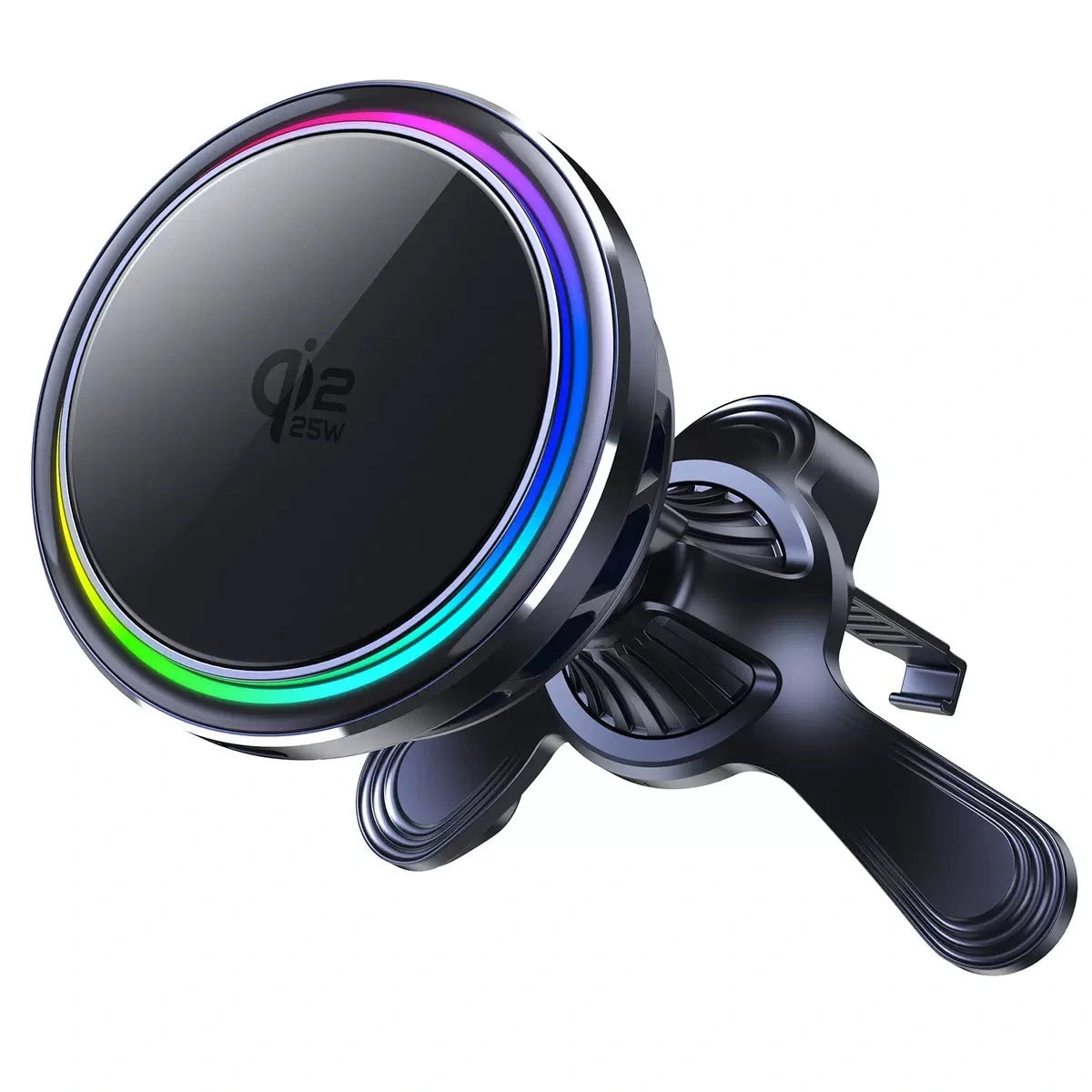
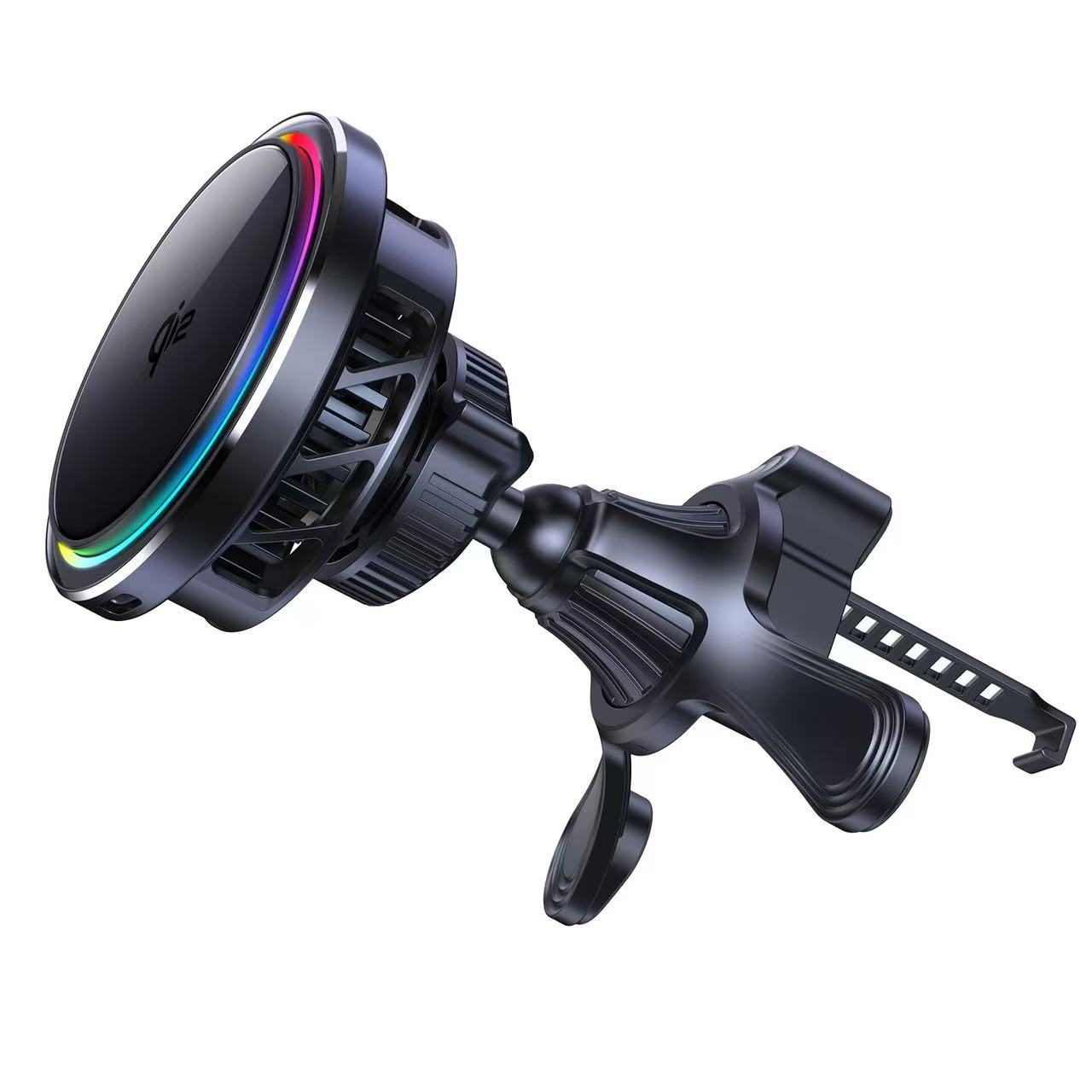
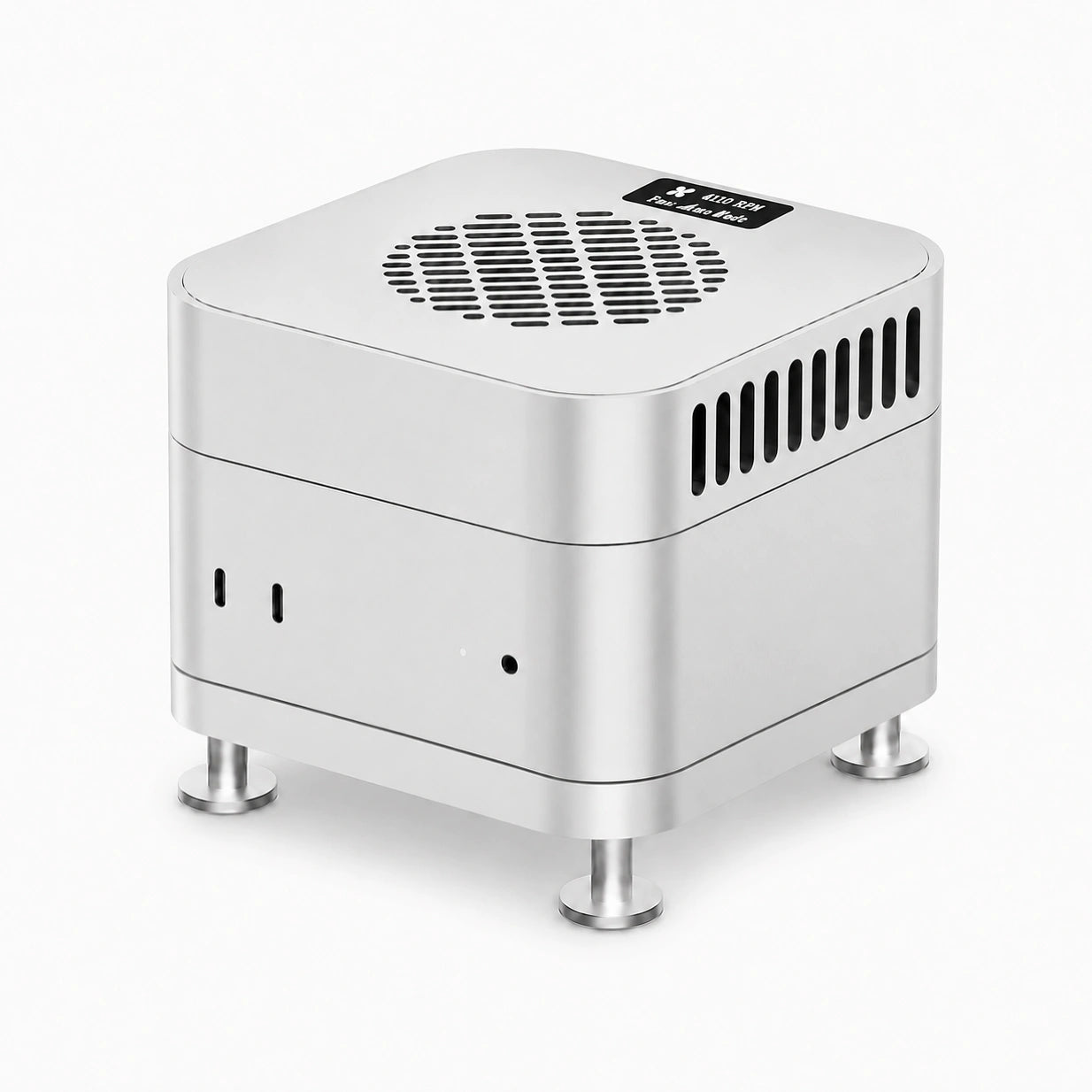
The ZEERA SuVolt Gen5 combines Qi2.2 25W magnetic wireless charging with active cooling for situations where an iPhone may already be under sustained load, such as navigation or long drives.
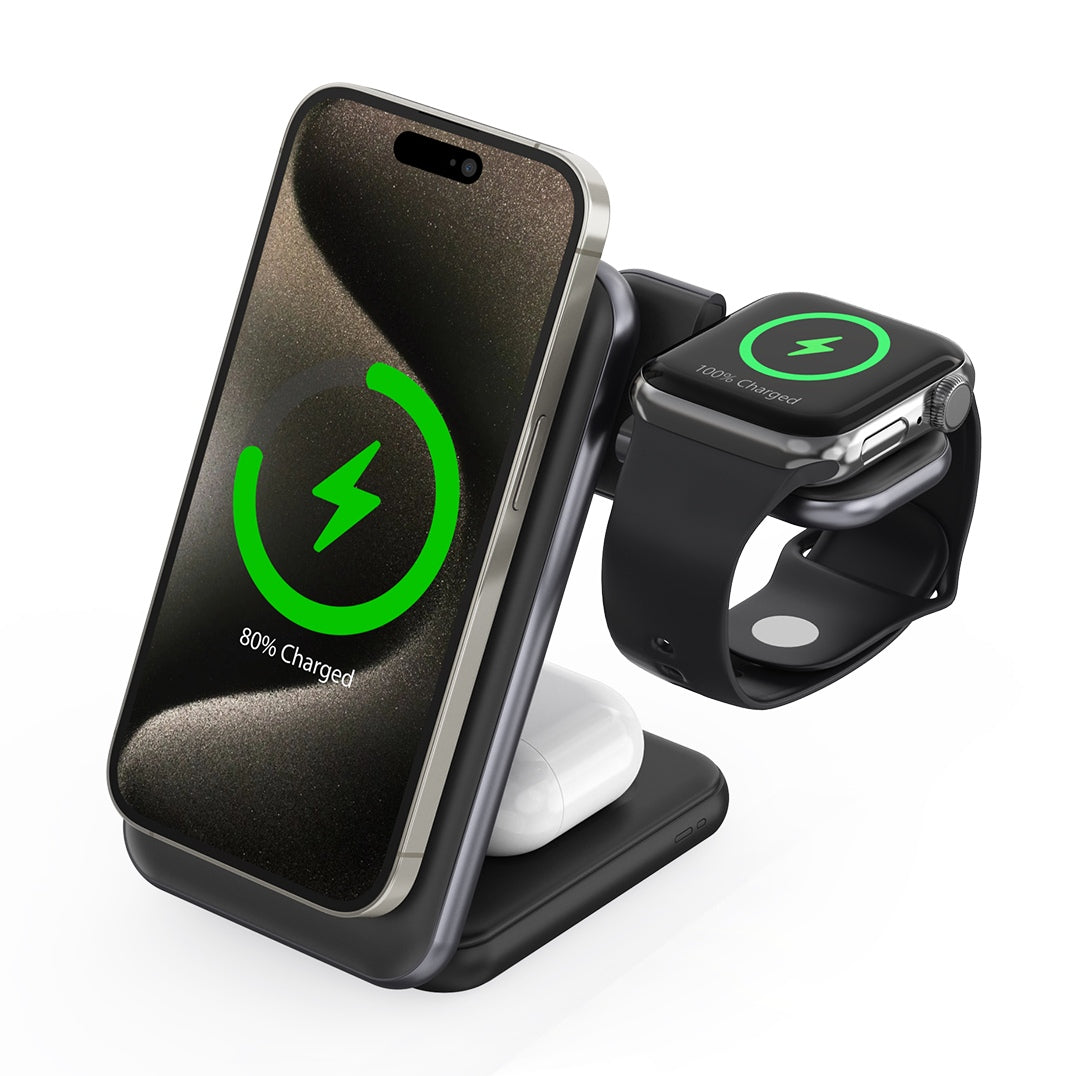
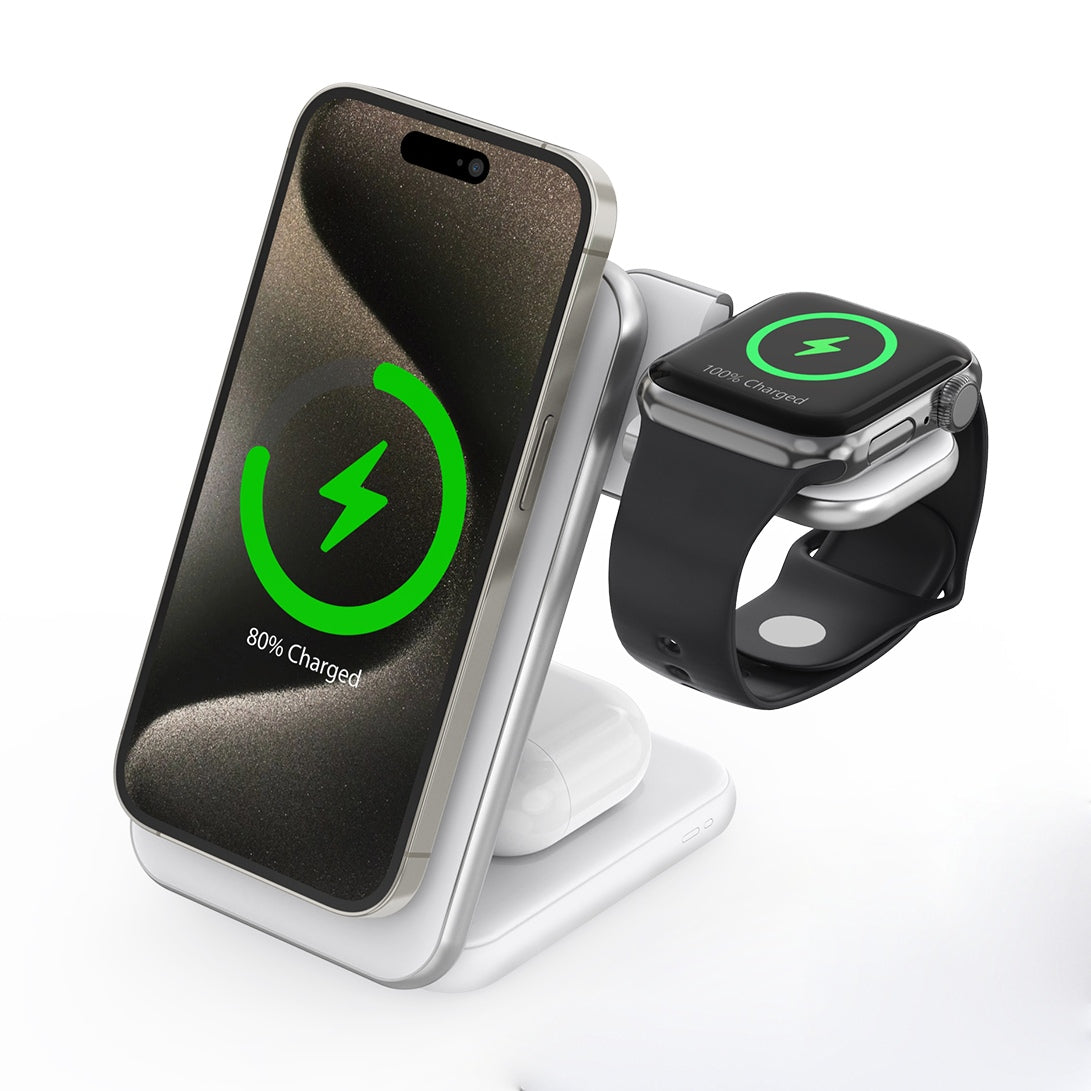
For desk, bedside and travel use, the ZEERA MagTri Gen2 combines Qi2.2 25W charging, semiconductor cooling and a foldable 3-in-1 design for iPhone, Apple Watch and AirPods.
ZEERA does not claim that a charger can increase the physical capacity of an iPhone battery. The purpose of active cooling is to address a different problem: managing charging heat during real-world use.
For a deeper look at charging heat, see: Why Heat Matters During MagSafe Car Charging .
Why Are 7,000mAh-Class Smartphone Batteries Becoming Possible in 2026?
Manufacturer Spec: high-silicon battery technology is helping some manufacturers pack substantially more battery capacity into flagship phones.
OPPO says the Find X9 Pro uses its third-generation silicon-carbon battery technology with a 15% silicon content and an energy density of more than 850Wh/L.
That allows the Find X9 Pro to carry a 7,500mAh battery while remaining a conventional flagship smartphone.
OnePlus uses a related approach with its 7,300mAh Silicon NanoStack battery. OnePlus officially specifies a serial dual-cell design using two 3,650mAh cells.
Important correction to the original video
The original test suggests that both OnePlus and OPPO achieve their high capacities by using two smaller silicon-carbon batteries. Current official manufacturer specifications do not support that as a blanket statement.
OnePlus 15: officially dual-cell.
OPPO Find X9 Pro: OPPO officially describes the 7,500mAh / 28.13Wh battery as a single-cell design.
Official references: OPPO Find X9 Series Battery Technology and OnePlus 15 Specifications .
Why Did the Xiaomi 17 Ultra Finish Fifth?
ZEERA Verification: regional battery specifications explain much of the apparent mystery.
The original test discusses the Xiaomi 17 Ultra as having a 6,800mAh headline battery, but Xiaomi's current Global product page lists the global model at 6,000mAh typical capacity.
Xiaomi's official Global FAQ goes further and lists the dual-cell battery at 5,830mAh rated capacity and 6,000mAh typical capacity.
That is much closer to the approximately 5,400–5,800mAh estimates the tester reported seeing on two global units.
So the Xiaomi's fifth-place result should not be framed simply as a mysterious failure of a 6,800mAh battery.
For global buyers, the more useful comparison is that the tested Xiaomi was effectively a 6,000mAh-class device.
Manufacturer source: Xiaomi 17 Ultra Global Specifications .
Why Are Apple and Samsung Flagships Still Around the 5,000mAh Range?
There is no single officially confirmed explanation.
The original tester suggested that shipping requirements and regional rules around large battery cells could make very high-capacity batteries more complicated or expensive for globally distributed smartphones.
That should be treated as the tester's analysis, not as a confirmed explanation from Apple or Samsung.
Current manufacturer information also makes the picture more nuanced.
Samsung officially lists the Galaxy S26 Ultra with a 5,000mAh battery, but Samsung has since introduced a silicon-carbon anode in its 2026 Galaxy Z Fold8 family.
That means it is no longer accurate to say that Samsung as a company simply avoids silicon-carbon battery technology.
Likewise, OPPO's official documentation shows that a 7,500mAh single-cell flagship battery can exist in a globally marketed device, so regulation alone does not fully explain why every manufacturer has not moved to the same capacity.
ZEERA Analysis: product thickness, internal layout, safety targets, battery longevity, cost, charging architecture, supply chain and regional strategy are all plausible factors. No single factor has been officially confirmed as the reason Apple or the Galaxy S26 Ultra remains below 7,000mAh.
Samsung references: Galaxy S26 Ultra Specifications and Samsung's 2026 Silicon-Carbon Battery Engineering .
Why Is the Galaxy S26 Ultra's Battery Result So Impressive?
The Galaxy S26 Ultra shows that longer battery life does not always require a larger battery.
Samsung officially lists the S26 Ultra at 5,000mAh, the same headline capacity as the S25 Ultra.
Yet in this test, the S26 Ultra reached about 12 hours and clearly outlasted its predecessor.
The test observed better thermal behavior and pointed to the newer processor and software as possible contributors.
Samsung also confirms that the S26 Ultra uses the Snapdragon 8 Elite Gen 5 for Galaxy.
The test does not isolate exactly how much each component contributed, so it would be inaccurate to attribute the entire improvement to one chip, one cooling change or one software update.
What the result does show is that reducing power waste can produce a meaningful battery-life improvement even when capacity stays at 5,000mAh.
Is the iPhone 17 Pro Max the Most Battery-Efficient Phone?
The iPhone 17 Pro Max was one of the most notable efficiency performers in this test, but the test does not calculate a formal efficiency score.
The tested UK model was listed at 4,823mAh, making it the smallest battery in the comparison, yet it still finished fourth.
It also lasted only around five minutes longer than the Xiaomi 17 Ultra in the source test.
The tester noted that the US eSIM-only iPhone variant has a larger battery than the UK unit used in the comparison, so regional hardware should also be considered when interpreting the result.
This does not prove that the iPhone has the highest electrical efficiency of every phone in the group.
It does show that Apple was able to produce competitive real-world endurance from a relatively small battery.
Which 2026 Phone Should You Choose for Battery Life?
Choose the OPPO Find X9 Pro if maximum tested endurance is your priority. It won this test at 14 hours and 16 minutes.
Choose the OnePlus 15 if you want a very large battery with excellent endurance. Its 7,300mAh dual-cell battery placed it second.
Choose the Galaxy S26 Ultra if you want strong endurance without a 7,000mAh-class battery. Its approximately 12-hour result was a substantial improvement over the S25 Ultra in this test.
Choose the iPhone 17 Pro Max if you value strong endurance from a smaller battery. The tested UK model finished fourth despite having the smallest listed capacity.
The Pixel 10 Pro XL delivered the weakest battery result in this particular comparison despite its 5,200mAh capacity.
What Does the 2026 Smartphone Battery Test Actually Prove?
The most useful conclusion is not simply that OPPO won.
The test shows that battery capacity and battery life are not the same thing.
OPPO and OnePlus demonstrate how high-silicon battery designs can push flagship capacity well beyond 7,000mAh.
The Galaxy S26 Ultra demonstrates that efficiency and thermal improvements can increase runtime even when battery capacity remains unchanged.
The iPhone 17 Pro Max demonstrates how a smaller battery can remain competitive when the overall system uses its available energy efficiently.
The Xiaomi result demonstrates why regional battery specifications should be checked before comparing headline mAh figures.
And the thermal results demonstrate why the phone with the longest endurance is not automatically the phone that stays coolest under sustained load.
For buyers comparing smartphone battery life in 2026, the most useful metrics are real-world runtime, battery capacity, regional specifications, thermal behavior and sustained performance — not mAh alone.
FAQ
Which phone has the best battery life in this 2026 test?
The OPPO Find X9 Pro finished first with 14 hours and 16 minutes of endurance, followed by the OnePlus 15 and Galaxy S26 Ultra.
Who performed the original 2026 battery test?
The original seven-phone test was performed by Mrwhosetheboss in the YouTube video The Ultimate 2026 Battery Test. ZEERA organized, cross-checked and analyzed the published results but did not perform the original seven-phone drain test.
Is 7,000mAh always better than 5,000mAh?
No. A larger battery stores more charge, but real-world runtime also depends on processor efficiency, software, the display, thermal management and usage conditions.
How long did the Galaxy S26 Ultra last?
The Galaxy S26 Ultra reached approximately 12 hours in the source test and finished third overall despite using a 5,000mAh battery.
How did the iPhone 17 Pro Max perform?
The tested UK iPhone 17 Pro Max finished fourth despite having the smallest listed battery in the comparison at 4,823mAh.
Is the Xiaomi 17 Ultra battery 6,800mAh or 6,000mAh?
Battery capacity varies by market. The source video discusses a 6,800mAh figure, but Xiaomi's current Global specifications list the global Xiaomi 17 Ultra at 6,000mAh typical capacity, with 5,830mAh rated capacity in Xiaomi's official FAQ.
Which phone ran coolest?
During the normal-load thermal comparison, the Galaxy S26 Ultra and iPhone 17 Pro Max were the coolest, with their hottest visible areas barely reaching around 27°C in the 17°C controlled room.
Which phone became hottest under heavy load?
The OPPO Find X9 Pro reached approximately 42°C during repeated CPU benchmarking.
Does OPPO Find X9 Pro use two battery cells?
According to OPPO's official documentation, the Find X9 Pro uses a 7,500mAh / 28.13Wh single-cell battery. OnePlus, by contrast, officially specifies the OnePlus 15 as a dual-cell design.
Does Samsung use silicon-carbon batteries?
Yes, Samsung introduced a silicon-carbon anode in its 2026 Galaxy Z Fold8 family. The Galaxy S26 Ultra itself still uses a 5,000mAh battery, so Samsung's battery strategy varies by product line.
Does active cooling help with wireless charging heat?
Active cooling is designed to remove heat from the charging area instead of relying entirely on passive dissipation. It can be particularly useful when wireless charging occurs alongside demanding tasks such as navigation or gaming.
What is the best way to compare smartphone batteries?
Do not compare mAh alone. Look at real-world endurance, regional battery specifications, thermal performance, chipset efficiency, software optimization and charging behavior together.