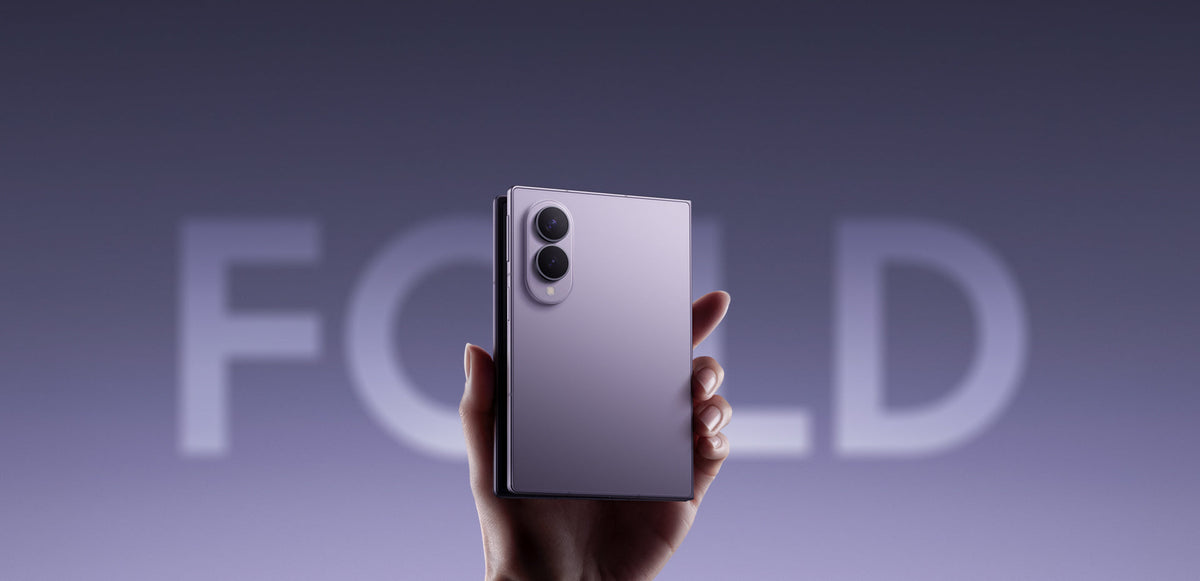
Quick Answer: The Galaxy Z Fold 8's biggest improvement is not raw performance. It is the new short-and-wide form factor: a compact 5.5-inch cover screen paired with a 7.6-inch inner display that opens into a near-tablet 4:3 canvas. The shape makes the phone easier to use closed and more useful when opened, but compromises remain in app scaling, hinge flexibility, speaker placement, magnetic charging, and camera hardware. Those trade-offs matter because Apple's rumored iPhone Duo / iPhone Ultra is expected to follow a surprisingly similar passport-style foldable design.
Foldable phones have spent years trying to answer a basic question: should a folding device feel like a normal smartphone that becomes a tablet, or a small tablet that happens to fold into a phone?
The Galaxy Z Fold 8 makes a much clearer choice. It prioritizes a compact, wider shape instead of the tall and narrow proportions that defined many earlier book-style foldables.
That change sounds simple, but it may be the most important part of the device. It also gives us a useful preview of what could matter most when Apple enters the category with its rumored foldable iPhone, often referred to as the iPhone Duo / iPhone Ultra.
Galaxy Z Fold 8 Specs at a Glance
| Feature | Galaxy Z Fold 8 |
|---|---|
| Cover display | 5.5-inch AMOLED |
| Main display | 7.6-inch AMOLED, 4:3-style layout |
| Weight | 201g |
| Folded thickness | 9.7mm |
| Processor | Snapdragon 8 Elite Gen 5 for Galaxy |
| Battery | 4,800mAh |
| Charging | 45W wired, up to 20W wireless |
| Rear cameras | 50MP wide + 50MP ultra-wide |
| US starting price | $1,899.99 |
The New Shape Is the Real Upgrade
The Galaxy Z Fold 8 is shorter and wider than the traditional tall-and-narrow Fold design. Folded, it feels closer to a compact phone or small notebook than a stretched remote control.
That matters because the cover screen is no longer something you tolerate until you can unfold the device. It is useful on its own for messaging, browsing, maps, quick photos, and one-handed interactions.
At 201g, the Fold 8 is also unusually light for a book-style foldable. The combination of low weight, compact height, and wider proportions makes the device feel less like a secondary gadget and more like a phone you can use all day.
The 4:3 Inner Display Matters More Than the 7.6-Inch Number
Open the Fold 8 and the 7.6-inch main display becomes a nearly square 4:3-style canvas. The important part is not simply that the screen is bigger. It is that the shape works well for content that traditional tall phone displays handle poorly.
Web pages show more useful information at once. Articles and e-books feel more natural. Photos gain room without becoming excessively tall. Two-column interfaces also make more sense on a wider canvas.
For video, the experience depends on the content's aspect ratio, but the wider display can still provide a much larger viewing area than a conventional phone. In practice, the Fold 8 feels less like an oversized smartphone and more like a pocketable mini tablet.
Software Is Still the Weakest Link in Foldables
Hardware can change shape instantly. Apps cannot always do the same.
Some Android apps still scale awkwardly on the Fold 8's wider inner display. Interfaces may leave unused space, stretch elements too far, crop content, or behave differently when switching between the cover and main screens.
This is one of the most important problems in the entire foldable category. A large display only becomes genuinely useful when apps understand the extra space instead of simply enlarging a phone interface.
Samsung's multitasking tools help, but third-party app behavior remains outside Samsung's complete control. For foldables to become truly mainstream, responsive layouts need to become normal rather than exceptional.
The Hinge Feels Better, but Flex Mode Is No Longer the Priority
The Fold 8's hinge has a more decisive, spring-like action. Instead of encouraging users to leave the phone half-open at many different angles, the mechanism is designed around two primary states: closed and fully open.
The result is a satisfying open-and-close experience, but there is a trade-off. The standard Fold 8 does not offer the same traditional Flex Mode behavior that made earlier Fold models useful as their own tabletop stands.
If you regularly used a foldable half-open for hands-free photos, video calls, or media playback, this change can feel like a step backward. If you mainly switch between phone mode and tablet mode, the simpler hinge behavior may feel more natural.
The Speaker Layout Shows How Small Design Choices Matter
Another compromise becomes noticeable when watching video on the unfolded display. The speaker placement can put both speaker outputs toward the same side of the device in landscape use.
The phone still produces stereo audio, but the physical separation does not always match the visual width of the open screen. On a device designed heavily around media consumption, that mismatch is easier to notice than it would be on a conventional phone.
Wireless Charging Exposes a Bigger Ecosystem Problem
The Galaxy Z Fold 8 supports up to 20W wireless charging, but the phone itself does not include built-in magnets for magnetic alignment. To get a proper magnetic charging and accessory experience, users need a compatible magnetic case.
This matters more on a foldable than it might seem. The unusual body shape, camera position, and weight distribution can make alignment on stands and car mounts more sensitive. A magnetic ring helps keep the charging coil centered and makes one-handed mounting much easier.
For iPhone users, this is already one of the strengths of the MagSafe ecosystem: the phone, case, charger, desk stand, car mount, and battery pack can all share the same magnetic alignment system.
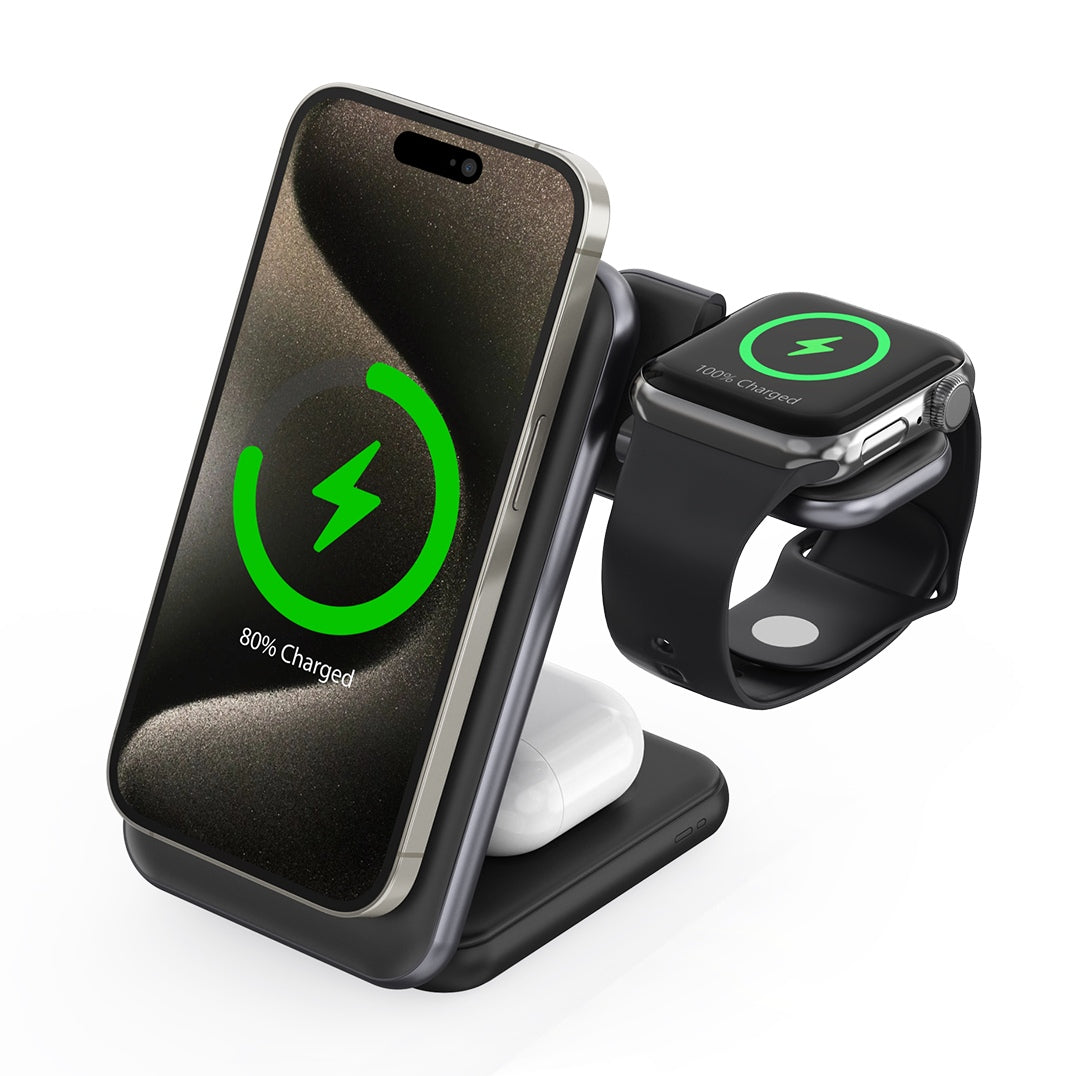
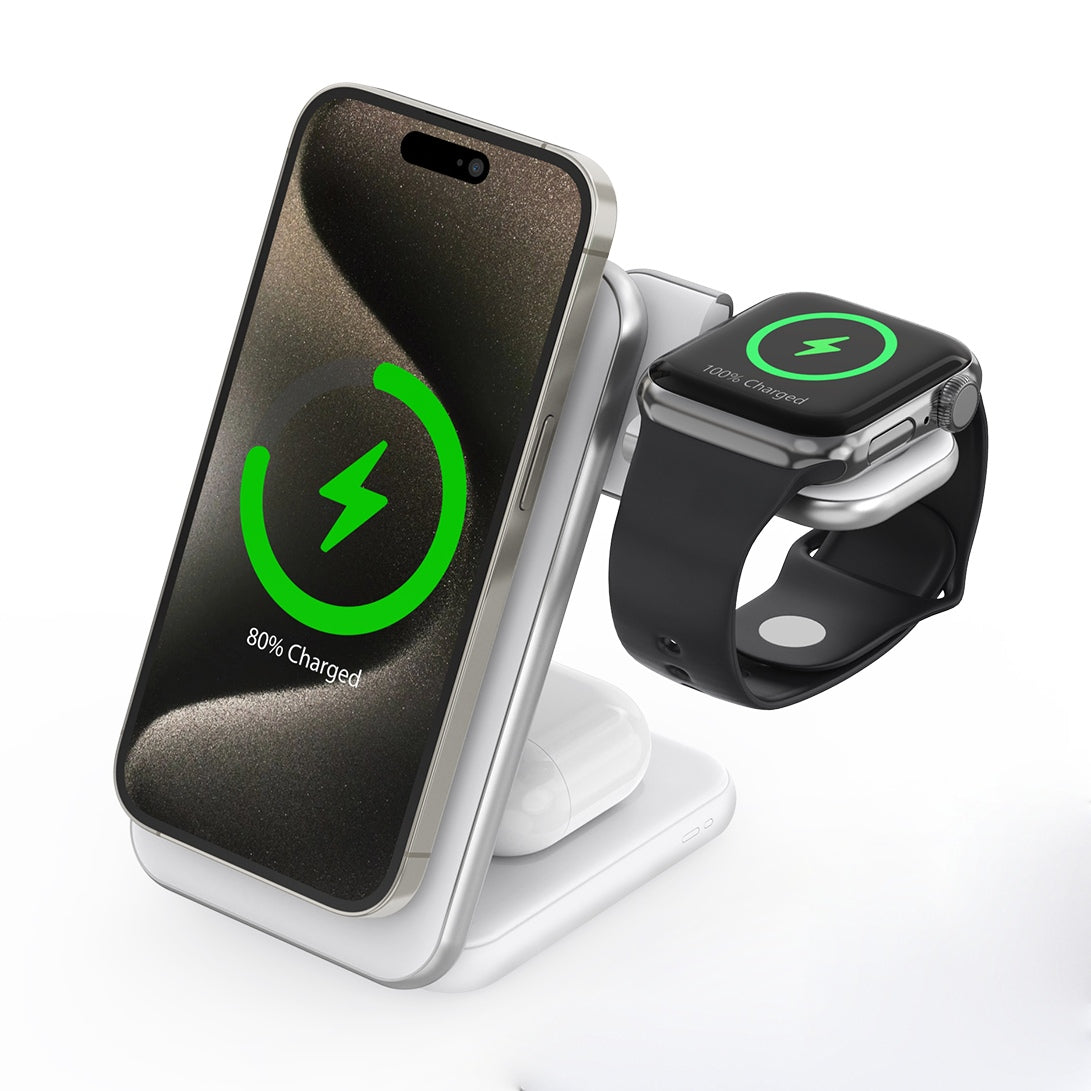
ZEERA MagSafe Wireless Charging Series
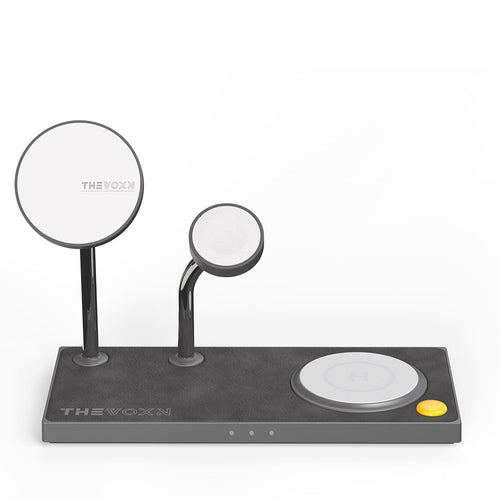
ZEERA MagTri Gen2 Qi2.2 Foldable MagSafe Charger
- 25W Qi2.2
- 3-in-1 fold
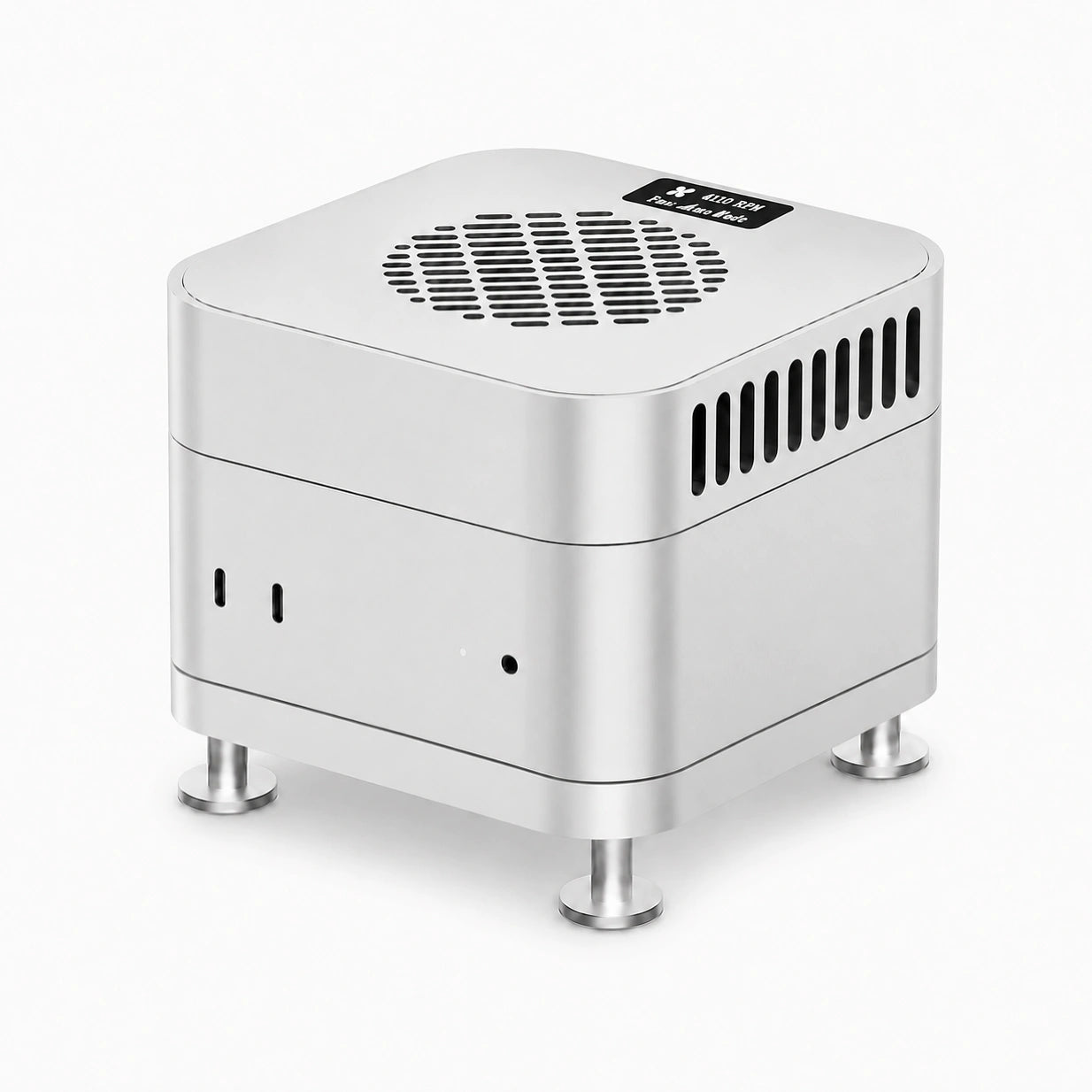
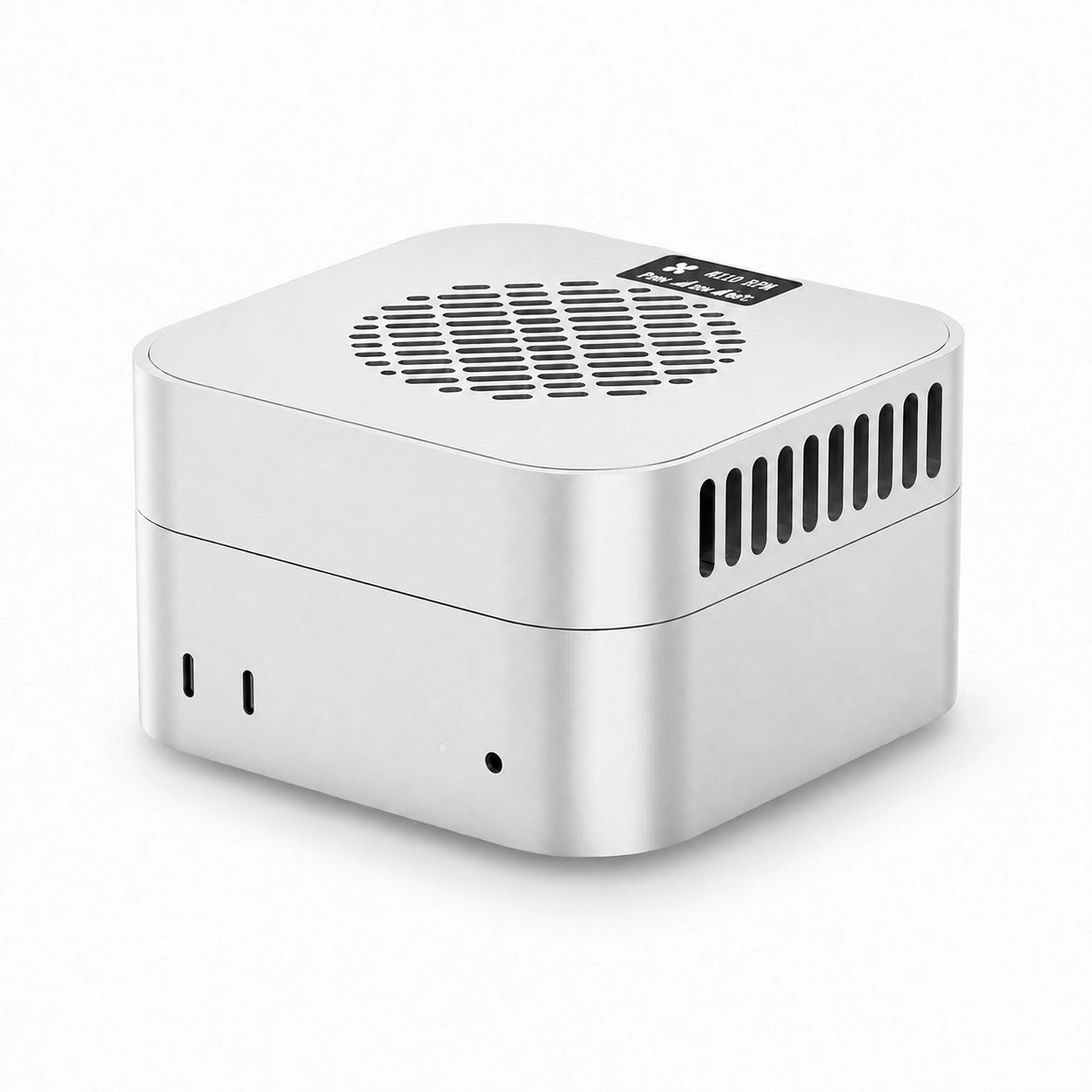
- Active cooling
- Travel size
- 3-device ready
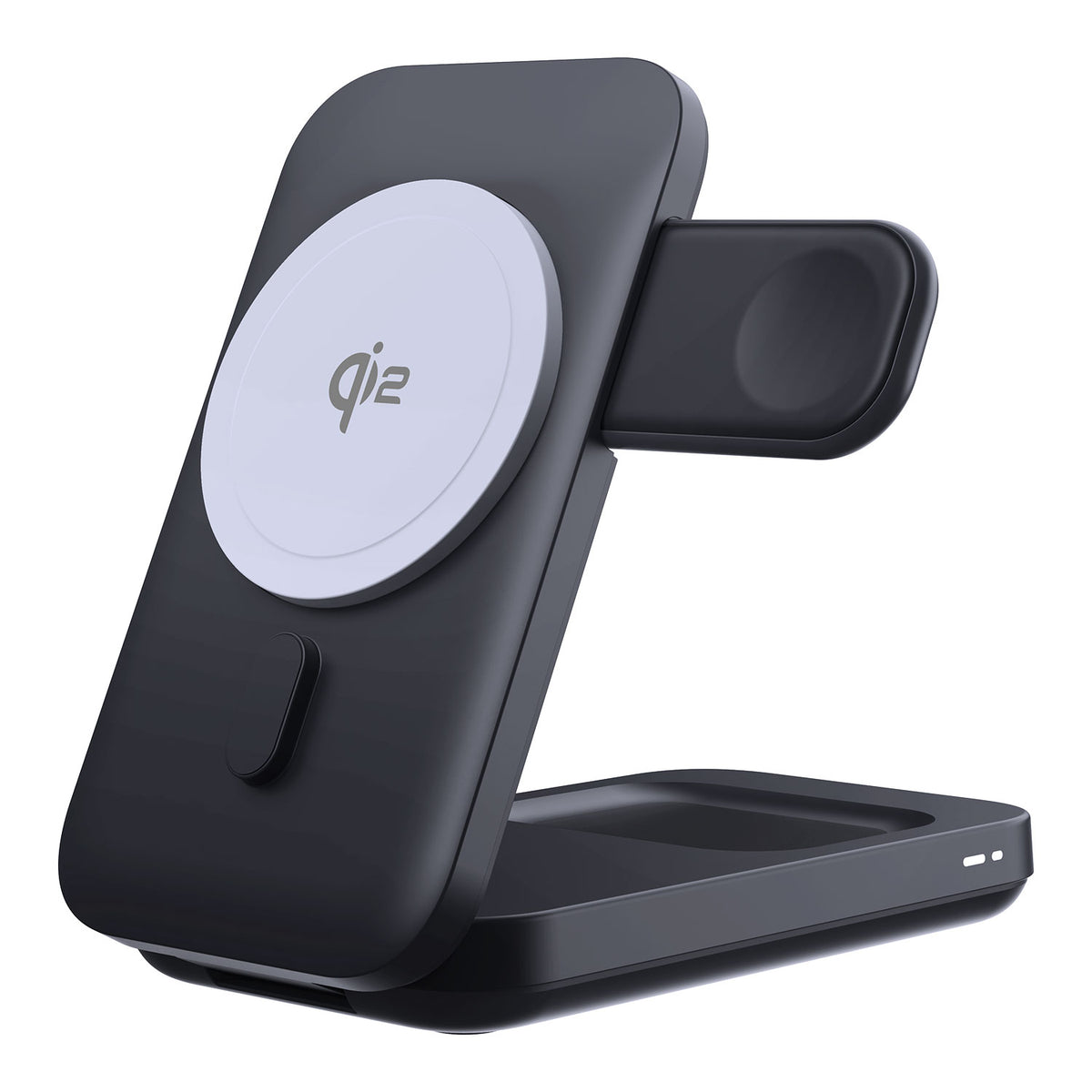
ZEERA MagSion 5-in-1 Dual MagSafe Charger Stand
- Dual MagSafe
- 5-in-1 stand
- Watch charging
- Angle adjust
- Clean setup
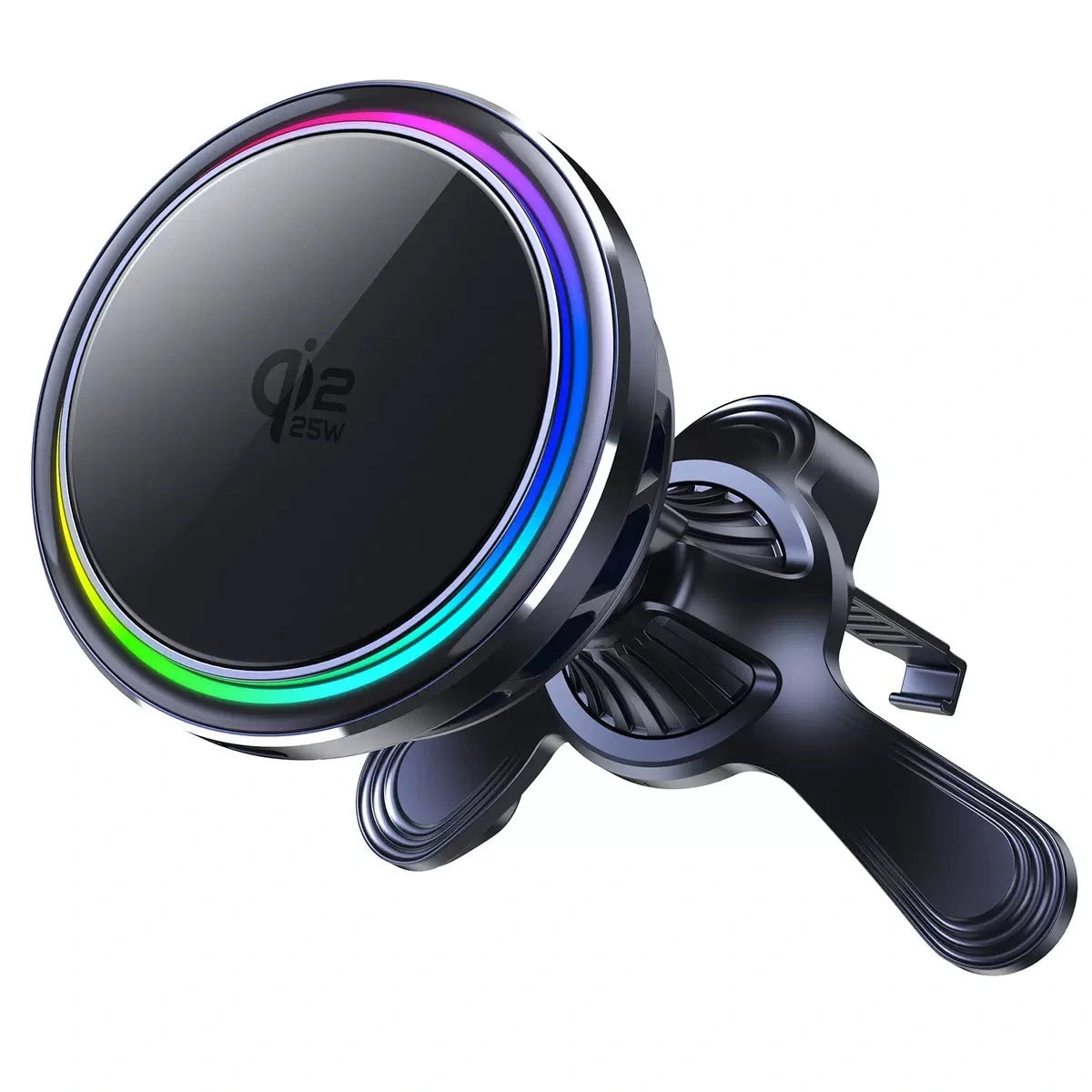
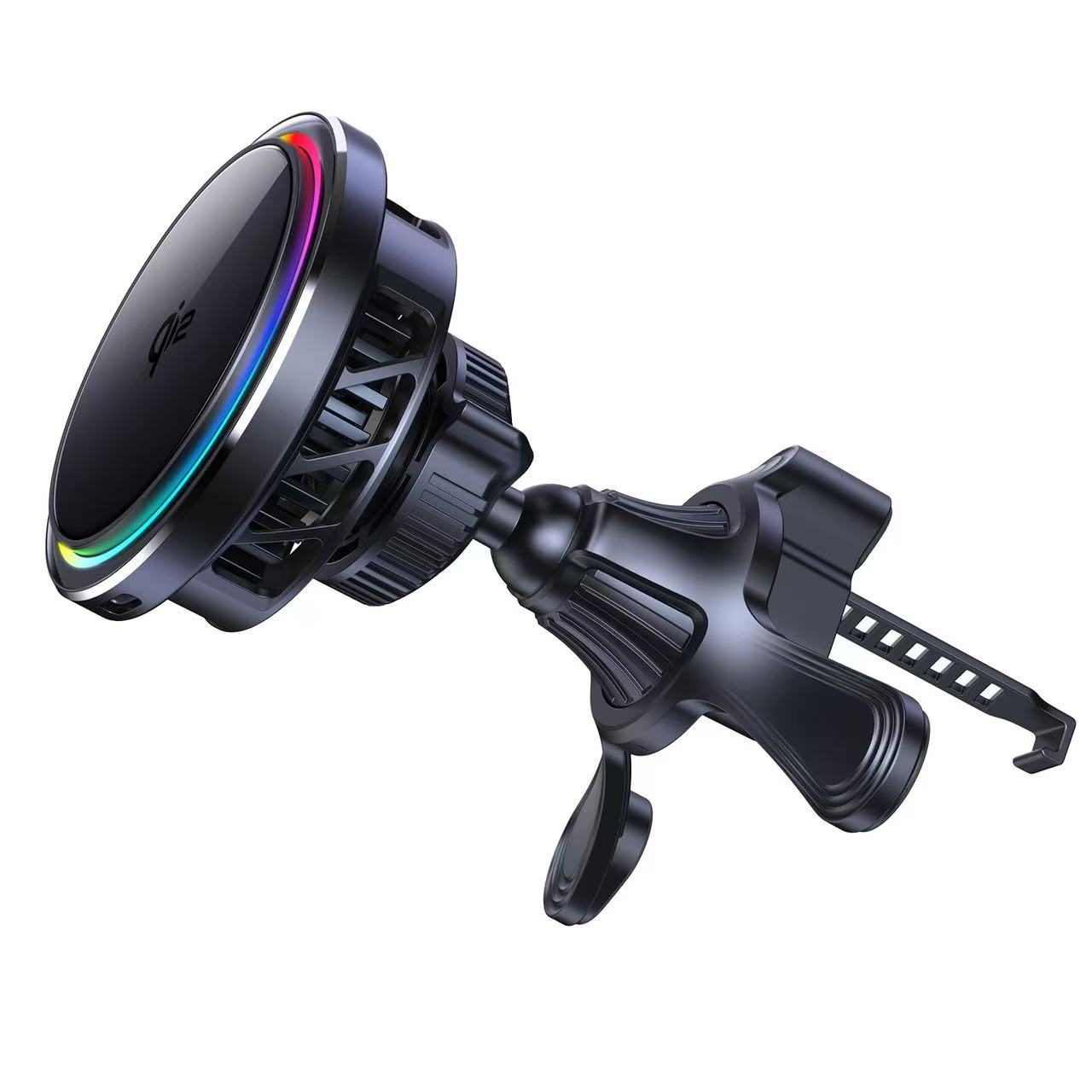
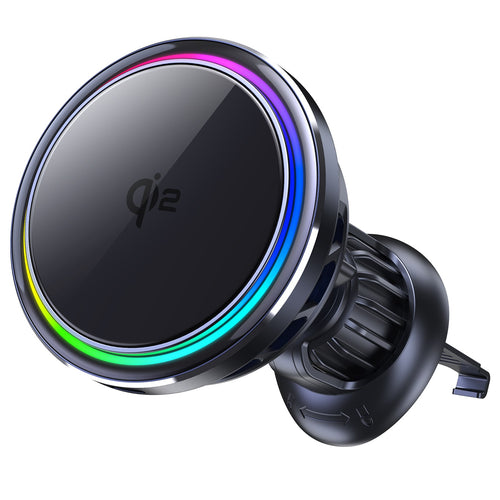
ZEERA SuVolt Gen5 Qi2.2 Active Cooling Car Charger
- 25W Qi2.2
- Active cooling
- Strong magnet
- CarPlay ready
- Heat control
Performance and Battery Are Good Enough to Disappear Into the Background
The Fold 8 uses the Snapdragon 8 Elite Gen 5 for Galaxy with a 4,800mAh dual-cell battery. Samsung also supports up to 45W wired charging and 20W wireless charging.
That combination is important because a foldable has to power two displays and a more complicated thermal layout without feeling like a device that constantly needs special treatment.
The Fold 8 does not need record-breaking endurance to succeed. It simply needs enough battery and performance that users can focus on the form factor instead of worrying about whether the phone will survive a normal day.
The Camera System Is the Biggest Value Compromise
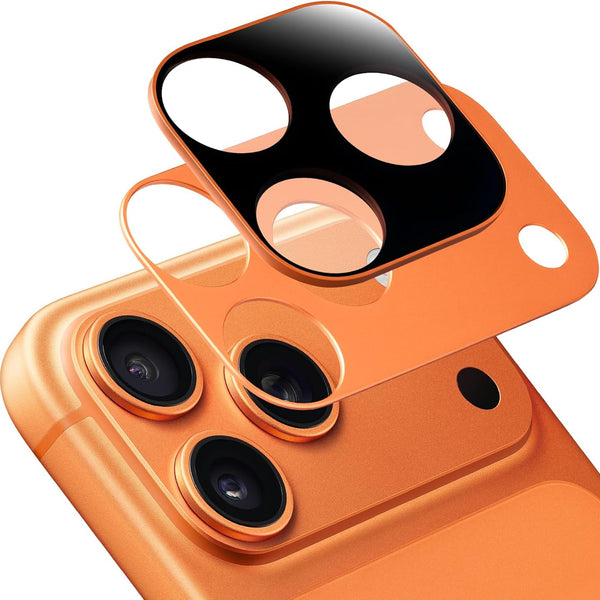
The standard Fold 8 uses two 50MP rear cameras: one wide and one ultra-wide. There is no dedicated telephoto camera.
That is difficult to ignore on a phone that starts at $1,899.99 in the United States. Buyers are paying flagship money, but the camera system is deliberately below the Fold 8 Ultra, which adds a 200MP main camera and a dedicated 3x telephoto camera.
The standard model can still produce high-quality photos, but the missing telephoto lens changes the value equation. It reinforces the idea that the Fold 8 is selling its shape first and its camera hardware second.
For users who still prioritize mobile photography over a folding screen, a conventional flagship iPhone also keeps a much broader accessory ecosystem around shooting, filters, cases, mounts, and MagSafe.
Galaxy Z Fold 8 vs. Fold 8 Ultra: Two Different Ideas of a Foldable
The Fold 8 and Fold 8 Ultra are not simply small and large versions of the same device.
The standard Fold 8 is built around portability and content consumption. Its compact cover screen and 4:3 inner display make it feel like a small phone that unfolds into a tablet.
The Fold 8 Ultra takes the more traditional productivity-first route, with a larger 8-inch display, a bigger battery, and a more capable camera system. It is better suited to users who want maximum workspace and fewer camera compromises.
For many buyers, however, the standard Fold 8 may be the more interesting design because it solves one of the oldest foldable problems: making the closed device feel comfortable enough that you do not need to unfold it every time.
What the Galaxy Z Fold 8 Tells Us About iPhone Duo / iPhone Ultra
Apple has not officially announced a foldable iPhone, and the name iPhone Duo / iPhone Ultra remains unconfirmed. Still, multiple reports now point toward a book-style foldable arriving around the iPhone 18 Pro generation.
Current rumors consistently describe a device with an outer display around 5.5 inches and an inner display around 7.8 inches. The unfolded screen is also expected to use an iPad-like 4:3 aspect ratio.
That is remarkably close to the basic philosophy of the Galaxy Z Fold 8.
| Feature | Galaxy Z Fold 8 | Rumored iPhone Duo / iPhone Ultra |
|---|---|---|
| Outer display | 5.5 inches | About 5.5 inches |
| Inner display | 7.6 inches | About 7.8 inches |
| Inner shape | 4:3-style | Rumored 4:3 |
| Rear cameras | Wide + ultra-wide | Rumored wide + ultra-wide |
| Telephoto | No | Not currently expected |
| Starting price | $1,899.99 | Rumored around $2,000-$2,500 |
If these rumors are accurate, Apple appears to be arriving at a similar conclusion: a foldable phone may work better when it is short and wide rather than tall and narrow.
The bigger opportunity for Apple will be software. A foldable iPhone needs seamless transitions between the cover and inner screens, responsive layouts, and apps that understand when they should behave like iPhone apps and when they should behave more like iPad apps.
Apple also has an opportunity to make the magnetic accessory experience feel native from day one. MagSafe is already deeply established across chargers, stands, car mounts, wallets, and battery packs. If the foldable iPhone preserves that ecosystem, it could avoid one of the practical compromises currently seen on some Android foldables.
iPhone 18 Pro or iPhone Duo / iPhone Ultra: Which Direction Makes More Sense?
The Fold 8 also highlights why Apple may need both the iPhone 18 Pro series and a foldable iPhone Duo / iPhone Ultra instead of treating the foldable as a direct replacement for the Pro Max.
The iPhone 18 Pro and iPhone 18 Pro Max are likely to remain the safer choice for buyers who prioritize camera versatility, mature hardware, predictable durability, and a conventional one-screen experience.
The iPhone Duo / iPhone Ultra will be more interesting for buyers who want a compact phone that can transform into a much larger reading, browsing, multitasking, and media device.
That also means first-generation iPhone Duo / iPhone Ultra accessories will matter more than usual. A book-style foldable introduces two screens, a hinge, more exposed edges, and a completely different weight distribution compared with a traditional iPhone.
ZEERA iPhone Duo / iPhone Ultra MagSafe Case Series
ZEERA ClearGuard Pro Crystal Clear MagSafe Case for iPhone Duo / iPhone Ultra
- Crystal-clear PC backplate
- Built-in MagSafe compatibility
- Reinforced corners for drop protection
- Raised screen and camera protection
- Responsive independent buttons

ZEERA FoldGuard Case for iPhone Duo / iPhone Ultra – 360° Full Protection
- Protects both screens and the hinge
- Flexible shock-absorbing TPU frame
- Durable PC backplate
- Optional N52 MagSafe version
- Optional 360° rotating stand

Final Thoughts
The Galaxy Z Fold 8 shows that the future of foldables may depend less on making the biggest screen possible and more on getting the proportions right.
Its 5.5-inch cover display and 7.6-inch inner screen make the phone feel useful in both states. The 4:3 layout is excellent for reading and browsing, while the lighter body makes the entire concept easier to live with.
But the remaining compromises are equally important. App scaling is still inconsistent. The hinge gives up traditional Flex Mode behavior. Speaker placement is imperfect. Magnetic charging requires a compatible case. And a nearly $1,900 phone still lacks a telephoto camera.
Those are exactly the areas to watch when Apple introduces its first foldable iPhone. If the rumored iPhone Duo / iPhone Ultra really uses a similar 5.5-inch outer display and roughly 7.8-inch inner display, Apple may already agree with Samsung on the most important part: the shape.
The real competition will be about everything around that shape — software adaptation, durability, cameras, charging, accessories, and whether a foldable can stop feeling experimental after the novelty wears off.