
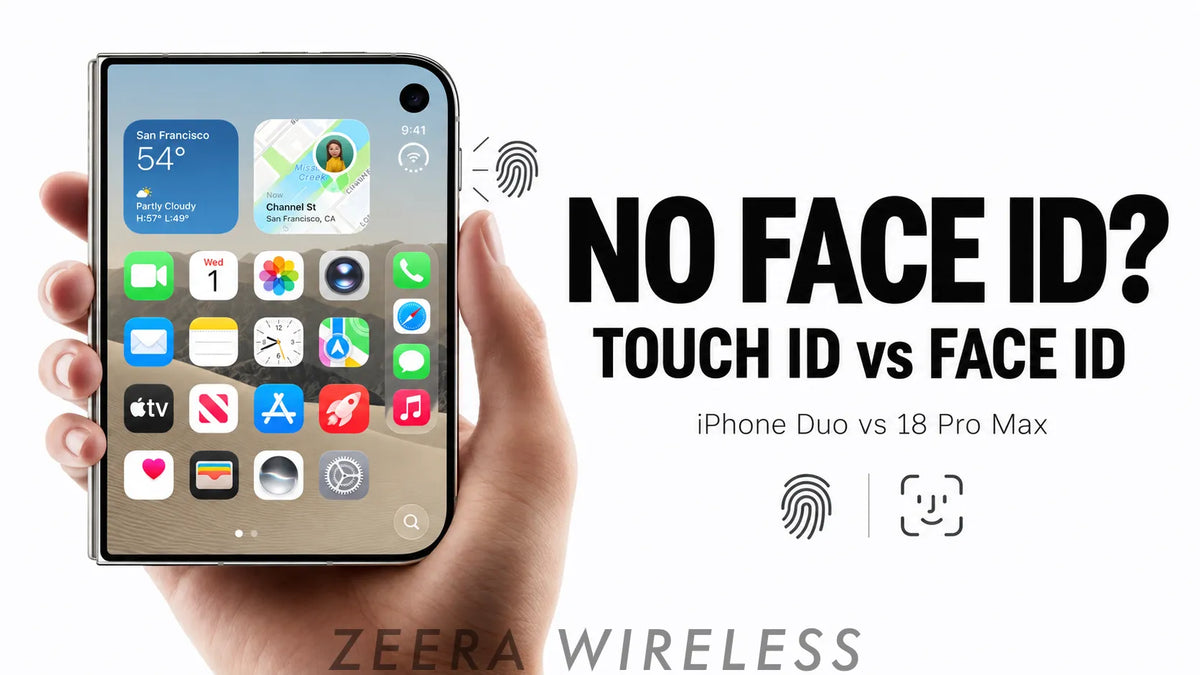
Hayır, iPhone Duo’da Face ID bulunmuyor. Apple bunun yerine yan düğmeye entegre edilmiş Touch ID kullanıyor.
Yan düğmedeki Touch ID, katlanabilir telefon açıkken de kapalıyken de çalışıyor. Ayrıca iki ekranlı bir telefonda Face ID donanımının nereye yerleştirileceği gibi zor bir tasarım sorununu da ortadan kaldırıyor.
Bu tercih pratik olsa da başlangıç fiyatı 1.999 dolar olan bir telefonda bazı kullanıcılar bunu iPhone 18 Pro Max’e kıyasla belirgin bir taviz olarak görebilir.

iPhone Duo’da Face ID Var mı?
Hayır. iPhone Duo, yan düğmeye entegre edilmiş bir Touch ID parmak izi sensörü kullanıyor, iPhone 18 Pro Max ise Face ID kullanmaya devam ediyor.
Aynı Touch ID sensörü telefon kilidini açma, uygulama doğrulama, satın alma işlemleri ve Apple Pay için kullanılıyor. Sensöre hem 5,4 inç dış ekranı hem de 7,6 inç iç ekranı kullanırken erişilebiliyor.
Yani değişiklik güvenli biyometrik doğrulamayı ortadan kaldırmıyor. Sadece birçok iPhone kullanıcısının yıllardır alıştığı etkileşim biçimini değiştiriyor: ekrana bakmak yerine yan düğmeye dokunmanız gerekiyor.
iPhone Duo Neden Face ID Kullanmıyor?
Apple, Face ID’nin teknik olarak mümkün olmadığını söylemedi. Resmî açıklaması, Duo açıkken de kapalıyken de çalışan tek bir doğrulama yönteminin avantajına odaklanıyor.
Geri kalan nedenler ise katlanabilir bir telefonun nasıl tasarlandığına bakılarak yapılabilecek makul tasarım çıkarımlarıdır.

1. Face ID’nin İki Ekranda da Çalışması Gerekirdi
Geleneksel bir iPhone’da temel olarak tek bir ön ekran bulunur. Duo ise kapalı, tamamen açık, kısmen katlanmış, dikey veya yatay biçimde kullanılabilir.
Bu da temel bir tasarım sorusu ortaya çıkarıyor: Face ID dış ekranda mı, iç ekranda mı yoksa her iki ekranda da mı bulunmalı?
Yalnızca tek bir ekrana yerleştirilmesi, kullanım biçimine göre doğrulama deneyimini tutarsız hâle getirebilir. Her iki ekrana da tam TrueDepth donanımı eklemek ise daha fazla alan, maliyet ve tasarım karmaşıklığı anlamına gelir.
2. Katlanabilir Bir Telefonda Her Milimetre Önemli
Face ID yalnızca normal bir selfie kamerasından ibaret değildir. Birlikte çalışan birden fazla TrueDepth bileşenine ihtiyaç duyar.
iPhone Duo açıldığında yalnızca 5,2 mm kalınlığında, ancak gövdesinde iki ekran, bir menteşe, çift batarya, kameralar, A20 Pro sistemi ve bir buhar odası bulunması gerekiyor.
İç FaceTime kamerası da Pro modellerindeki geleneksel TrueDepth düzeni yerine ekranın altına yerleştirilmiş durumda.
Bu durum, Face ID’nin yalnızca alan yetersizliği nedeniyle kaldırıldığını kanıtlamıyor. Ancak kompakt bir yan düğme sensörünün ilk nesil katlanabilir bir telefona neden daha kolay entegre edilebildiğini gösteriyor.

3. Touch ID Açık, Kapalı veya Kısmen Katlanmış Hâlde Çalışıyor
Duo masa üzerinde kısmen katlanmış durumdaysa Face ID kamerasının yüzünüzü görebileceği uygun bir açıya ihtiyacı olur. Touch ID içinse yalnızca yan düğmeye ulaşmanız yeterlidir.
Aynı durum yatay kullanımda, çadır biçiminde kullanımda veya dış ekran etkinken de geçerlidir.
Mühendislik ve kullanım tutarlılığı açısından Touch ID mantıklı bir çözümdür.
Kullanıcılar Neden 2.000 Dolarlık Bir iPhone’da Touch ID’den Şikâyet Ediyor?
Şikâyetin nedeni Touch ID’nin güvenilmez olması değil. Sorun, daha pahalı olan telefonun modern Pro iPhone deneyimiyle özdeşleşen bir özelliği kaybetmesi.
Face ID günlük kullanımda çoğu zaman fark edilmez. Telefona bakarsınız ve devam edersiniz: parolalar otomatik doldurulur, banka uygulamaları açılır ve satın alma işlemleri doğrulanır.
Duo’da ise bu işlemler için sensöre bilinçli olarak dokunmak gerekiyor. Birçok kullanıcı buna hızla alışacaktır, ancak bazıları şu makul soruyu soracaktır:
Bu konu özellikle iPhone Duo’nun yaklaşık 2.000 dolara değip değmediğini veya daha alışıldık iPhone 18 Pro Max’in daha iyi bir seçim olup olmadığını değerlendiren kullanıcılar için önemli.
iPhone Duo Touch ID vs iPhone 18 Pro Max Face ID
| Günlük kullanım | iPhone Duo | iPhone 18 Pro Max |
|---|---|---|
| Biyometrik sistem | Yan düğmede Touch ID | Face ID |
| Gerekli işlem | Sensöre dokunmak | Ekrana bakmak |
| Farklı cihaz konumlarında çalışır | Evet — açık veya kapalı | Tek sabit ekran için tasarlanmış |
| Masa üstünde kullanım | Düğmeye ulaşabiliyorsanız kolay | Kamera açısına bağlı |
| Eller serbest doğrulama | Hayır | Evet |
| Yeni iPhone kullanıcılarına tanıdıklık | Daha az tanıdık | Alışıldık Pro iPhone deneyimi |
Touch ID, Duo’nun katlanabilir yapısına daha kolay uyum sağlıyor. Face ID ise normal günlük kullanımda daha akıcı bir deneyim sunmaya devam ediyor.
Touch ID Gerçekten Face ID’den Daha mı Kötü?
Her durumda değil.
Touch ID şu durumlarda daha iyi olabilir
- Duo masa üzerinde açık veya kısmen katlanmış durumdaysa
- Yüzünüzü kameraya göre konumlandırmak istemiyorsanız
- Parmak iziyle doğrulamayı tercih ediyorsanız
- Telefonu alışılmadık bir açıyla kullanıyorsanız
Face ID şu durumlarda daha iyi olabilir
- Neredeyse eller serbest şekilde kilit açmak istiyorsanız
- Günde birçok kez uygulamalarda kimlik doğrulaması yapıyorsanız
- Parola otomatik doldurma özelliğini yoğun kullanıyorsanız
- Alışıldık Pro iPhone deneyimini istiyorsanız
Asıl mesele Touch ID’nin iyi olup olmadığı değil. Asıl soru, Touch ID’nin Apple’ın 1.999 dolarlık katlanabilir telefonunda uygun hissettirip hissettirmediği.
Face ID’nin Olmaması iPhone Duo’yu Almamak İçin Bir Neden mi?
Muhtemelen hayır. Eğer 7,6 inç katlanabilir ekran, çoklu görev özellikleri ve yeni form faktörü Duo’yu istemenizin ana nedenleriyse Touch ID’ye birkaç gün içinde alışabilirsiniz.
Ancak bazı kullanıcılar için olabilir. Apple Pay, banka uygulamaları ve parola doğrulaması için Face ID’yi sürekli kullanıyorsanız veya 2.000 dolarlık bir iPhone’un tüm alışıldık Pro özelliklerini koruması gerektiğini düşünüyorsanız bu eksiklik önemli olabilir.
Kararınızı yalnızca biyometriye göre vermeyin. Duo ayrıca kamera esnekliği, 254 g ağırlık, katlandığında 11,3 mm kalınlık ve ilk nesil menteşe ile iç ekranın belirsizliği gibi konuları da değerlendirmenizi gerektiriyor.
MagSafe Şarj Cihazları ve Diğer iPhone Duo Aksesuarları Ne Olacak?
İyi haber şu: Face ID’den Touch ID’ye geçilmesi MagSafe desteğinin kaybolduğu anlamına gelmiyor.
Apple, iPhone Duo’nun 25W’a kadar MagSafe kablosuz şarjı ve 25W’a kadar Qi2 kablosuz şarjı desteklediğini doğruluyor.
Bu da MagSafe şarj cihazları, çoklu cihaz şarj standları ve uyumlu araç tutucuları gibi mevcut aksesuar kategorilerinin kullanılmaya devam edebileceği anlamına geliyor.
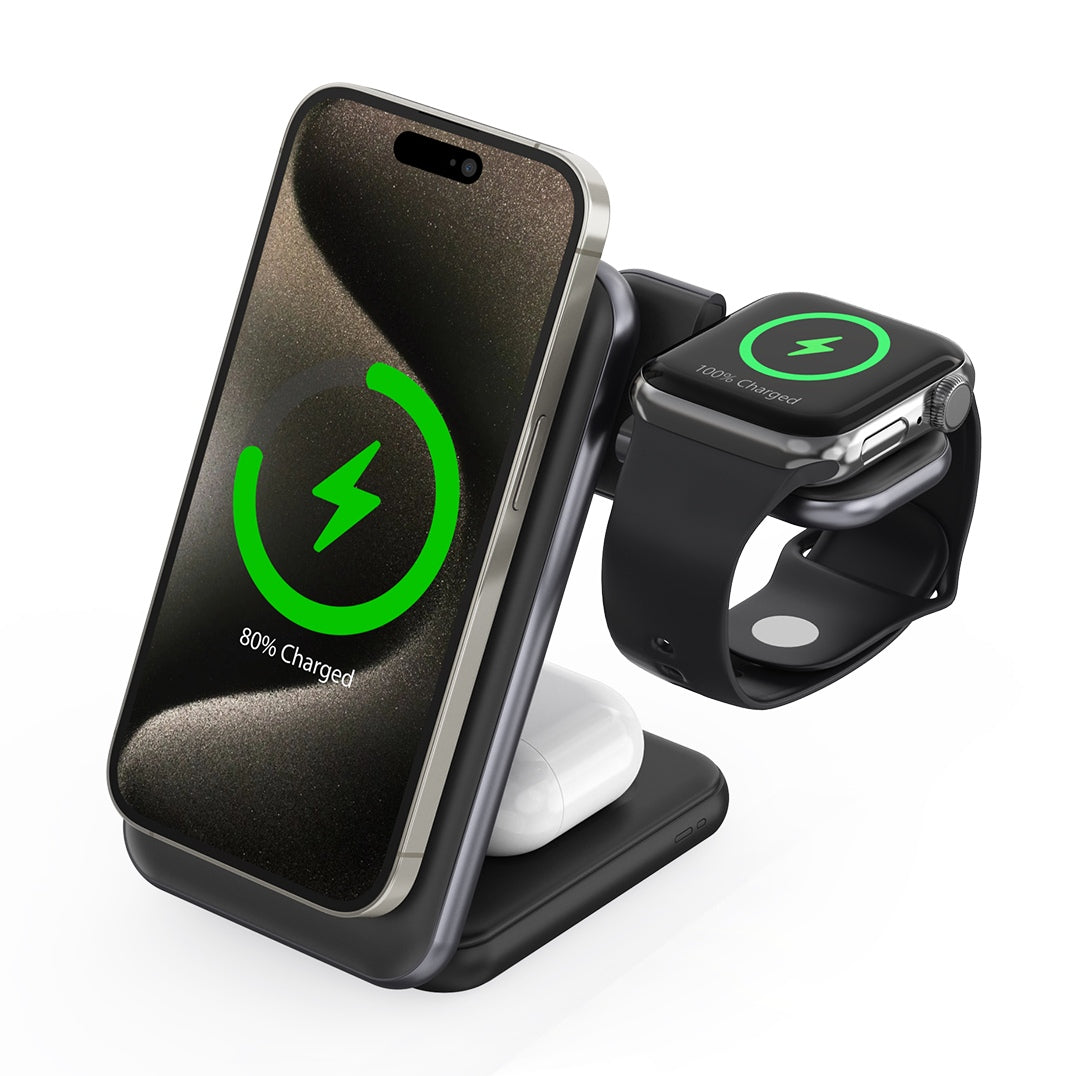
Masa veya komodin üzerinde şarj için ZEERA MagTri Gen2 MagSafe Charger Stand, Duo kullanıcılarına 25W Qi2.2 şarjın yanı sıra Apple Watch ve AirPods şarjı da sunuyor.

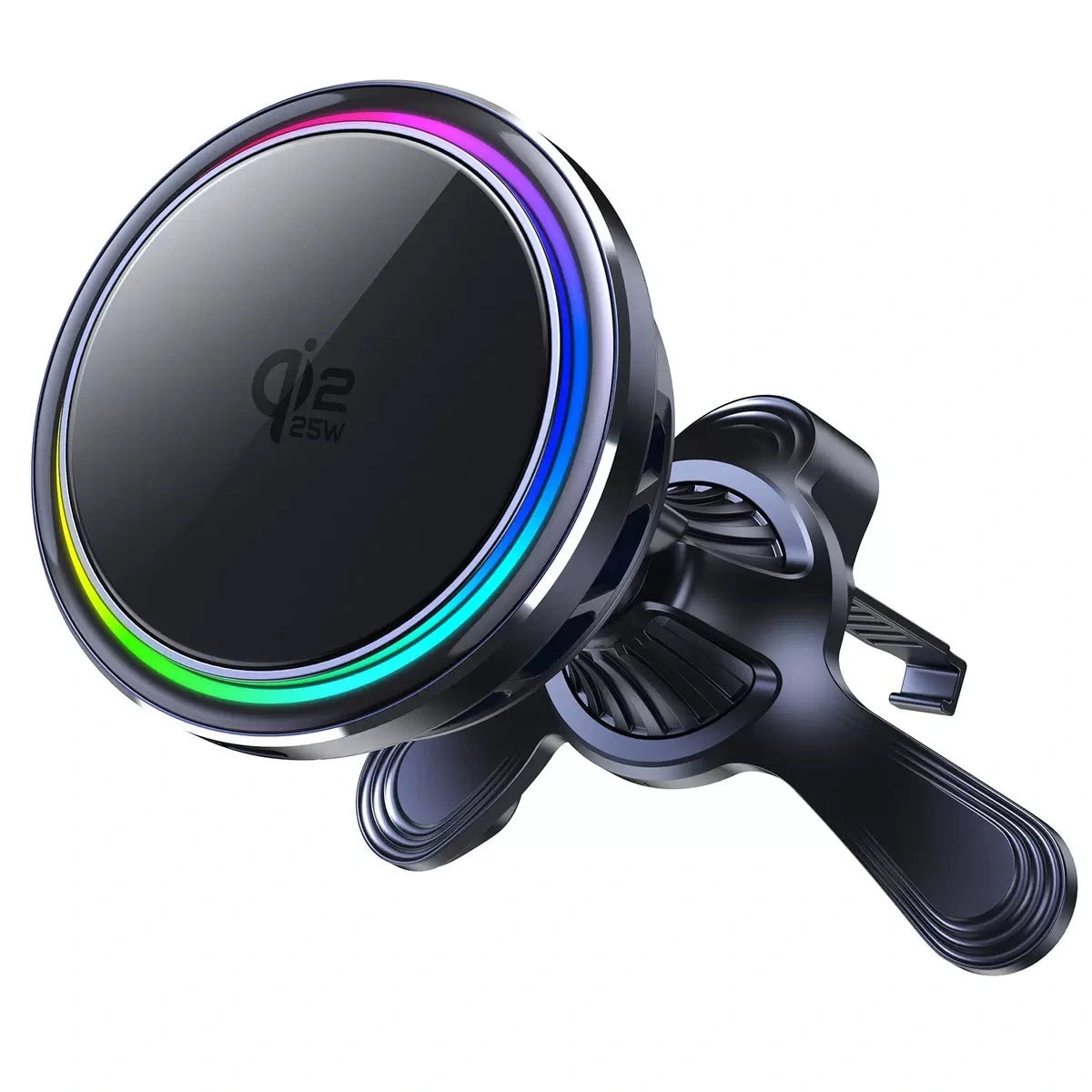
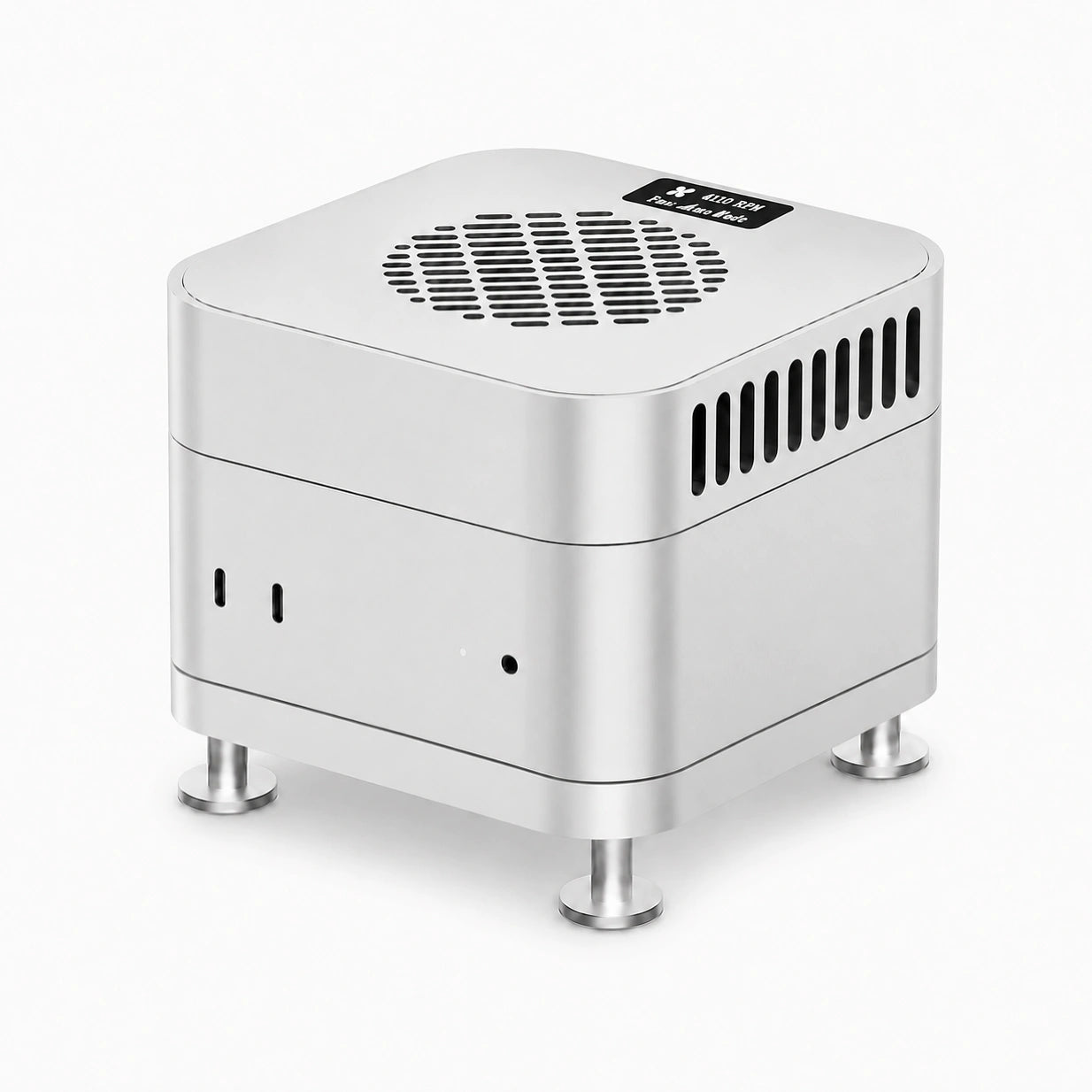
Araçta ise ZEERA SuVolt Gen5 MagSafe Car Charger mıknatıslı şarj ile aktif soğutmayı bir araya getiriyor. Navigasyon, kablosuz CarPlay ve sıcak araç içi koşullarında özellikle faydalı olabilir.

Face ID iPhone Duo 2’de Geri Dönebilir mi?
Mümkün, ancak Apple henüz ikinci nesil bir Duo’yu doğrulamadı ve Face ID’nin geri döneceğini de açıklamadı.
Gelecekteki bir model daha küçük TrueDepth bileşenleri, ekran altı Face ID veya yeniden tasarlanmış bir kimlik doğrulama sistemi kullanabilir. Ancak şu an için bunlar yalnızca olasılıklar; bir sonraki modelde Face ID’nin kesin olarak geri geleceğini varsaymak için bir neden yok.
Face ID’nin olmaması sizi ilk Duo’yu satın almaktan alıkoyuyorsa beklemek mantıklı olabilir. Ancak Touch ID’yi tercih ediyorsanız veya asıl istediğiniz katlanabilir ekransa, henüz duyurulmamış bir özellik için beklemenin çok fazla anlamı olmayabilir.
iPhone Duo Alıyorsanız Touch ID Sensörünü Kapatmayın
Yan düğme artık aynı zamanda telefonun parmak izi okuyucusu olduğu için kılıf tasarımı her zamankinden daha önemli hâle geliyor.
İyi bir iPhone Duo kılıfı Touch ID alanına kolay erişim sağlamalı, aynı zamanda menteşeyi, dış ekranı ve çerçevenin iki yarısını korumalıdır. Ayrıca katlandığında zaten 11,3 mm kalınlığa ulaşan telefona gereksiz hacim eklememelidir.
iPhone Duo MagSafe kılıflarını karşılaştırırken güçlü ve doğru manyetik hizalama, menteşe koruması, entegre ekran koruyucu ve hem dikey hem yatay kullanımda çalışan bir stand gibi özelliklere dikkat etmek faydalı olabilir.
Duo, MagSafe ve 25W’a kadar Qi2 kablosuz şarjı desteklemeye devam ediyor. Bu nedenle ZEERA MagTri Gen2 masaüstü şarj cihazı ve aktif soğutmalı ZEERA SuVolt Gen5 araç şarj cihazı gibi aksesuarlar hâlâ kullanışlılığını koruyor.
Touch ID, iPhone Duo’yu daha kötü bir telefon yapmıyor. Sadece onu farklı türde bir iPhone hâline getiriyor.
Açık ve kapalı kullanılabilen bir cihazda yan Touch ID sensörü mantıklı bir çözümdür. Ancak Face ID hâlâ daha akıcı bir doğrulama deneyimi sunuyor. Duo’yu istemenizin temel nedeni katlanabilir ekransa bu taviz yönetilebilir. Ancak 1.999 dolar karşılığında tüm Pro iPhone özelliklerini bekliyorsanız, iPhone 18 Pro Max daha eksiksiz bir seçenek gibi görünebilir.
SSS
iPhone Duo’da Face ID var mı?
Hayır. Yan düğmeye entegre edilmiş Touch ID kullanıyor.
iPhone Duo neden Touch ID kullanıyor?
Apple, yan sensörün telefon açıkken de kapalıyken de tutarlı bir kimlik doğrulama deneyimi sağladığını söylüyor. Apple, Face ID’nin kaldırılmasının tek nedeninin alan veya kalınlık olduğunu doğrulamadı.
iPhone Duo’daki Touch ID Apple Pay’i doğrulayabilir mi?
Evet. Touch ID, Duo’da Apple Pay, uygulama erişimi ve satın alma işlemlerini doğrulayabilir.
Touch ID, Face ID’den daha mı kötü?
Touch ID, Duo’nun farklı kullanım pozisyonlarında iyi çalışırken Face ID daha az bilinçli kullanıcı etkileşimi gerektirir. Hangisinin daha iyi olduğu telefonu nasıl kullandığınıza bağlıdır.
iPhone Duo 2’de Face ID olacak mı?
Apple gelecekteki bir iPhone Duo modelinde Face ID bulunacağını doğrulamadı. İkinci nesil model hakkındaki iddialar şu anda spekülasyon niteliğinde.
iPhone Duo kılıfı alırken nelere dikkat etmeliyim?
Kılıfın Touch ID yan düğmesini erişilebilir bırakmasına, menteşe ile dış ekranı korumasına, MagSafe hizalamasını bozmamasına ve gereksiz kalınlık eklememesine dikkat edin.



1 yorum
Will
AI slop article