Quick Answer
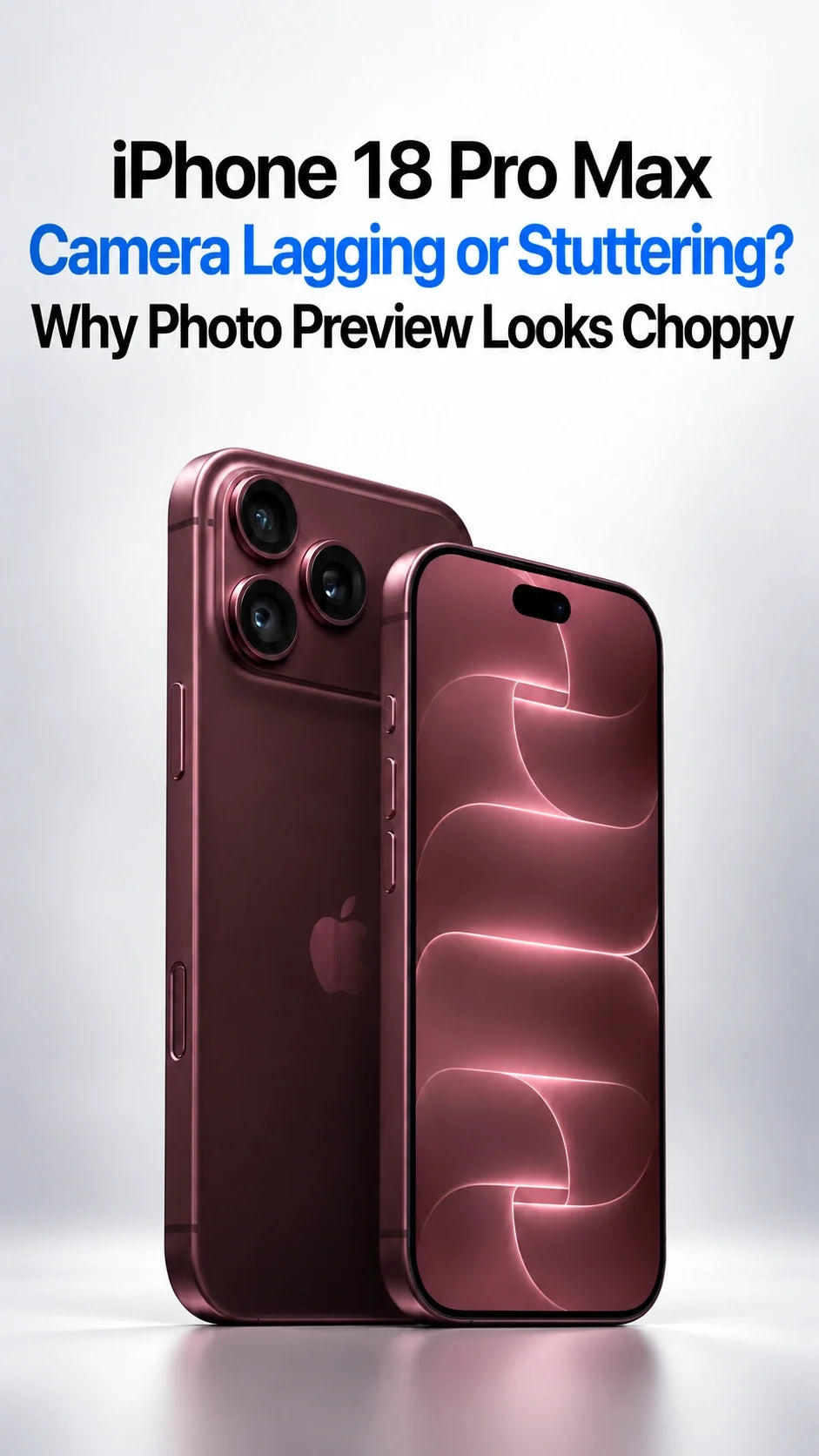
Your iPhone 18 Pro Max may charge slowly on MagSafe because the charger, power adapter or regional iPhone model limits the available power.
A magnetic connection alone does not mean your charger supports 25W.
Heat, a high battery level, poor alignment and heavy phone use can also slow charging.
25W is a peak rating, not a constant charging speed. A USB meter measures charger input, not power delivered to the battery.
Check the complete setup below before replacing your charger.
What does your setup need for 25W wireless charging?
The four things to check first
- Phone: confirm the wireless charging specification for your exact regional iPhone 18 Pro Max model.
- Charger: look for an explicitly supported 25W MagSafe or Qi2 25W version.
- Power supply: follow the wireless charger's input requirements and check the USB-C port you actually use.
- Conditions: compare charging with the phone cool, its screen locked and its battery below the finishing stage.
ZEERA's assessment: diagnose a slow charging setup from the phone outward. Buying a bigger wall adapter first can leave the actual bottleneck untouched.
Does your regional iPhone 18 Pro Max support 25W?
Check the phone as well as the puck. Apple's US specifications list up to 25W for MagSafe and Qi2. Its mainland China iPhone 18 Pro Max specifications list up to 15W for both.
For an imported phone or charger, verify the model's original market and the accessory's regional specification. A 25W accessory does not establish that your particular iPhone can accept 25W. Do not assume that changing the iPhone's language or Region setting changes its hardware charging specification.
Is your magnetic charger actually a 25W model?
“MagSafe compatible” describes compatibility; it does not, by itself, identify the wireless power rating. A magnetic stand can hold your phone securely while using a slower charging system.
Read the output rating, not just the product name
Older 15W charger: a new iPhone does not turn it into a 25W charger.
Original Qi2: the Wireless Power Consortium describes the original magnetic Qi2 generation as 15W.
Qi2 25W / Qi2.2: the newer 25W standard is a separate capability. Confirm that the specific model or purchase option supports it.
The WPC's Qi standard guide explains the two generations and links to its certified product database.
If you already own a 15W accessory, keep using it when overnight convenience matters more than a fast top-up. For speed comparisons, see ZEERA's 15W vs 25W vs cooled Qi2.2 charging test.
Is your USB-C adapter supplying the right power?
For Apple's 25W MagSafe puck
Apple specifies a compatible 30W-or-higher adapter with 15V/2A or higher output. Its MagSafe support guide identifies the supported puck versions; check the marking on your device or cable.
An Apple 20W adapter does not meet those 25W requirements. A 60W, 65W or 100W adapter can be suitable, but its headline rating alone is insufficient: check its output profiles and the power available from the chosen port.
For a cooled 3-in-1 charging station
A station also powers its electronics, cooling system and other charging pads. Its adapter requirement can therefore be higher than the phone's wireless output.
ZEERA recommends at least 45W USB-C PD for MagTri Gen2's full simultaneous iPhone, Apple Watch and AirPods charging plus active cooling. The 30W recommendation for Apple's single puck should not be applied automatically to this setup.
Try one dedicated port. Disconnect a laptop or tablet from a shared adapter during the comparison. Check the manufacturer's power-sharing chart: a “65W total” charger may provide less to the port feeding your wireless stand when another port is occupied.
For wired charging and adapter choices, use the separate 20W vs 30W vs 60W, AVS and Qi2 guide. Wired AVS charging and the wireless puck's input requirement are different specifications.
Is your case preventing proper charging alignment?
Compare one session without the case
Remove a wallet, grip, metal mounting plate or other attachment between the phone and charging surface. Check that the puck sits flat rather than resting against the camera surround or a raised kickstand.
Apple's wireless charging troubleshooting guide recommends trying without a thick, metal or battery case when charging is slow.
If charging improves, inspect your case's fit and magnetic alignment before replacing the charger. A correctly aligned MagSafe case can be convenient, but stronger magnets alone do not guarantee faster charging.
Is heat slowing MagSafe charging?
Apple confirms that excessive internal temperature can make wireless charging slow or stop. The phone can reduce charging before you see a temperature warning.
Separate phone workload from charger performance
Let the phone cool after gaming, recording video, restoring a backup or a major update. Test away from direct sunlight with the screen locked.
In a car, navigation and a hot cabin make the comparison harder. When parked, compare charging after the cabin cools. If the battery rises faster with navigation stopped, workload and temperature are useful leads.
Active cooling can help manage heat around the charging surface, but it cannot override the phone's protection controls or guarantee continuous peak power. If you see a pause message, follow the Charging On Hold guide.
Why does charging slow down near 80%?
A slower finishing stage can be normal
Apple explains that iPhone gradually reduces charging current as the battery approaches full. Comparing a 90% top-up with a low-battery charging session can make the same setup look much slower.
For troubleshooting, start at a similar battery percentage each time. Do not deliberately drain the phone to zero just to test it.
A charging limit is different from slow charging
Open Settings → Battery → Charging. A selected Charge Limit can explain why charging stops near a chosen percentage; Optimized Battery Charging can delay charging beyond 80% when the limit is set to 100%.
Check Apple's Charge Limit and Optimized Battery Charging guide before treating a planned pause as a defective charger. Disabling those features is not a 25W speed upgrade.
Can USB-C accessories reduce MagSafe power?
Yes. Apple lists a 16W MagSafe limit for iPhone 18 Pro and Pro Max while USB-C accessories such as headphones are connected. Disconnect accessories for your baseline comparison.
If USB-C is supplying power to the phone, the phone charges through that connection. An attached puck does not mean wired and wireless power are being added together.
How do you test slow MagSafe charging at home?
Use the following as a practical comparison procedure, rather than a laboratory measurement of wireless watts.
- Record your iPhone's model, iOS version, charger version and adapter port.
- Begin around 20–40% battery when convenient, using a similar starting level for each comparison.
- Let the phone return to a comfortable room temperature.
- Remove the case and attached accessories for the first run.
- Use the wireless charger's recommended power source, without other devices sharing its adapter.
- For Apple MagSafe, power the puck first. If the phone was already attached, lift it off, wait three seconds and reattach it.
- Lock the screen and record battery percentage after 15 and 30 minutes.
- On a later run, change only one factor: case, adapter, cable or charger.
Keep room conditions and phone use similar. A battery-percentage comparison can show whether a change helps your setup, but it cannot prove an exact 25W output.
Does a USB power meter show MagSafe's actual wireless output?
No. A meter between the adapter and charger measures input. That input supplies charger electronics, wireless conversion losses and, on a cooled accessory, the cooling system. The phone also consumes energy while charging, so battery-percentage gain is another different measurement.
What ZEERA's existing test tells us
In ZEERA's published 25°C session comparison, the 15W MagSafe configuration reached 50% in about 53 minutes; the US 25W configuration took about 29 minutes.
The Apple 25W setup briefly drew roughly 32.5W at USB input. That did not mean the phone received 32.5W wirelessly. These were reported individual sessions, so use the results as context rather than a guaranteed charging time for every setup.
A modest reading late in a session is not enough to diagnose a fault. Record when the reading occurred, the battery level, temperature and connected devices before comparing it with an advertised peak.
Should you buy a new 25W MagSafe charger?
Choose the replacement that matches the bottleneck
Replace the wireless charger if your phone supports 25W and your current accessory is limited to a slower wireless standard.
Change the power supply if the charger already supports the desired rate but its adapter or shared port does not meet the input specification.
Choose a cooled charger when heat is a recurring problem in your desk, travel or car setup. Check its power needs and allow for normal charging taper.
Keep the current setup if charging is dependable and your main use is overnight. The meaningful upgrade is a faster useful top-up, not a larger wattage printed on the box.
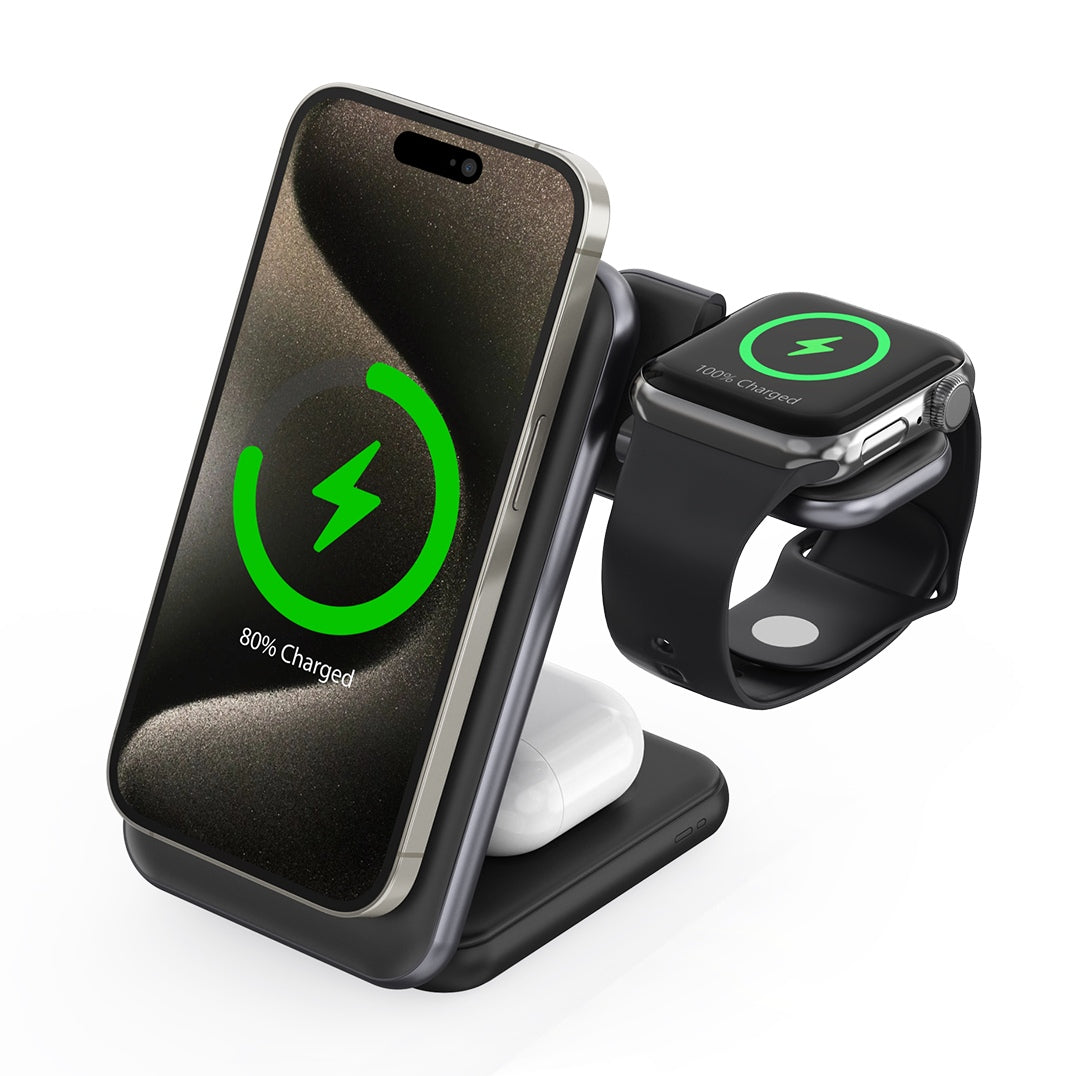
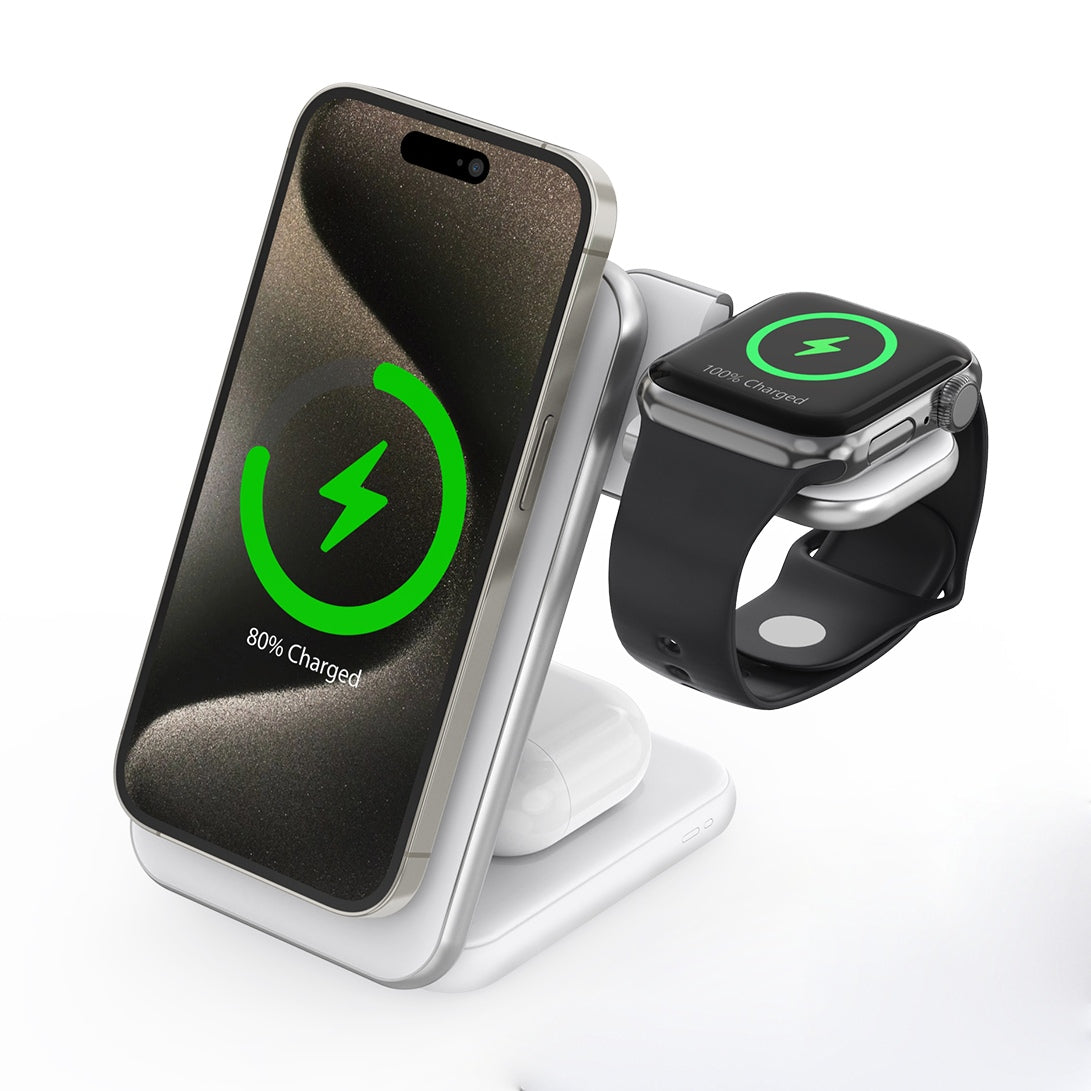
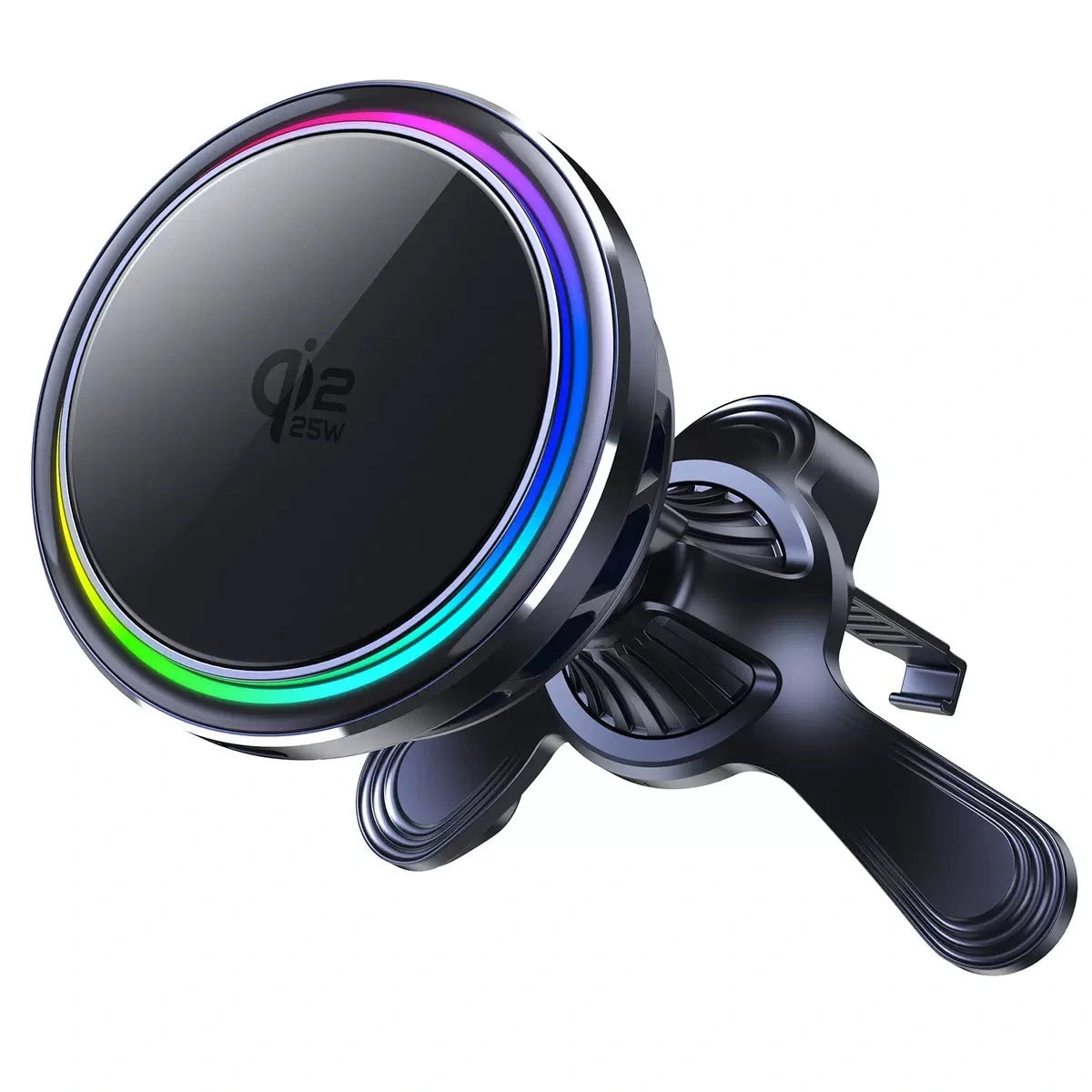
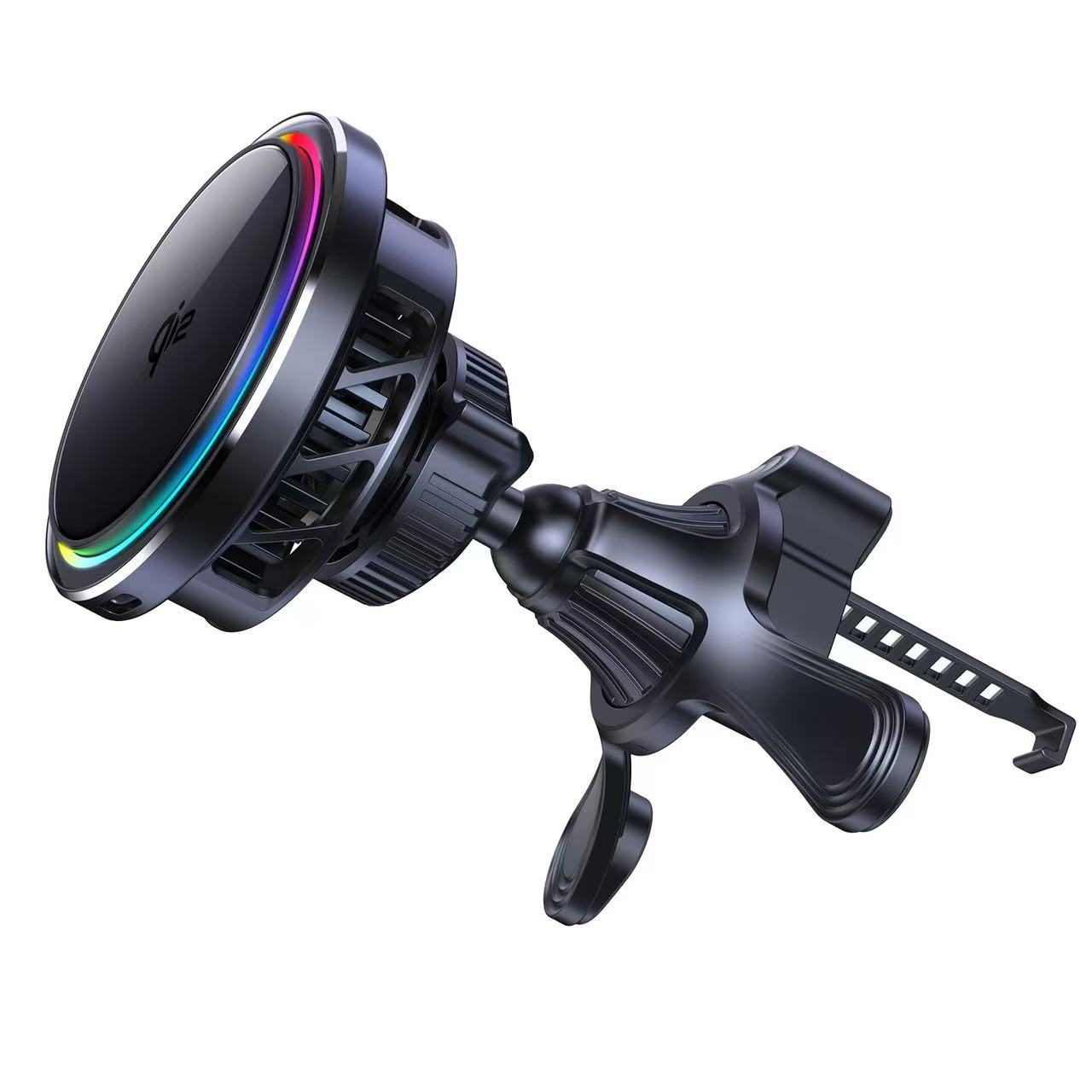
For desk and travel use, MagTri Gen2 combines a foldable 3-in-1 layout with up to 25W Qi2.2 and active cooling. For the car, select the 25W Qi2.2 version of SuVolt Gen5 if your phone supports it; the product page also offers a 15W Qi2 version. Confirm the selected version before ordering.
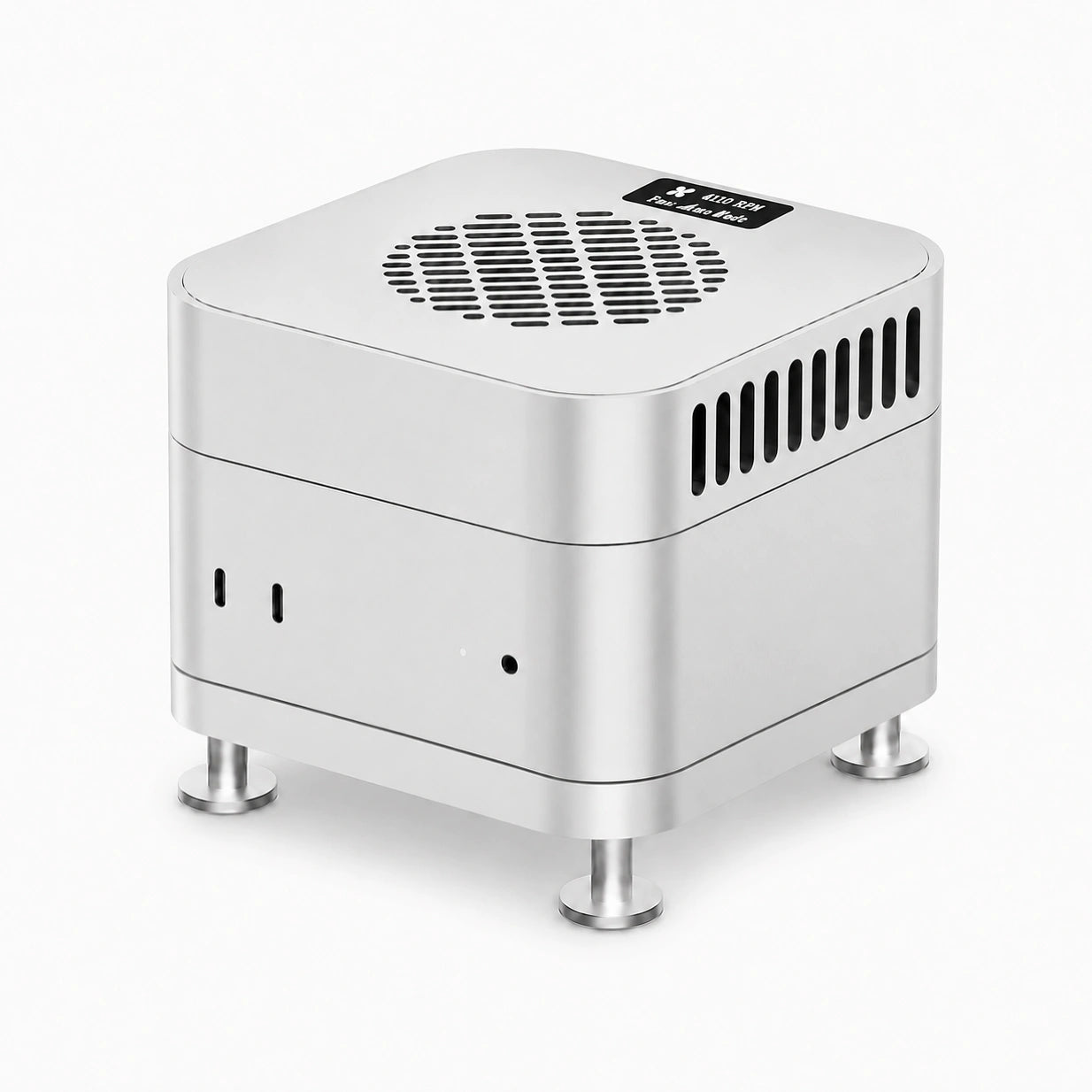
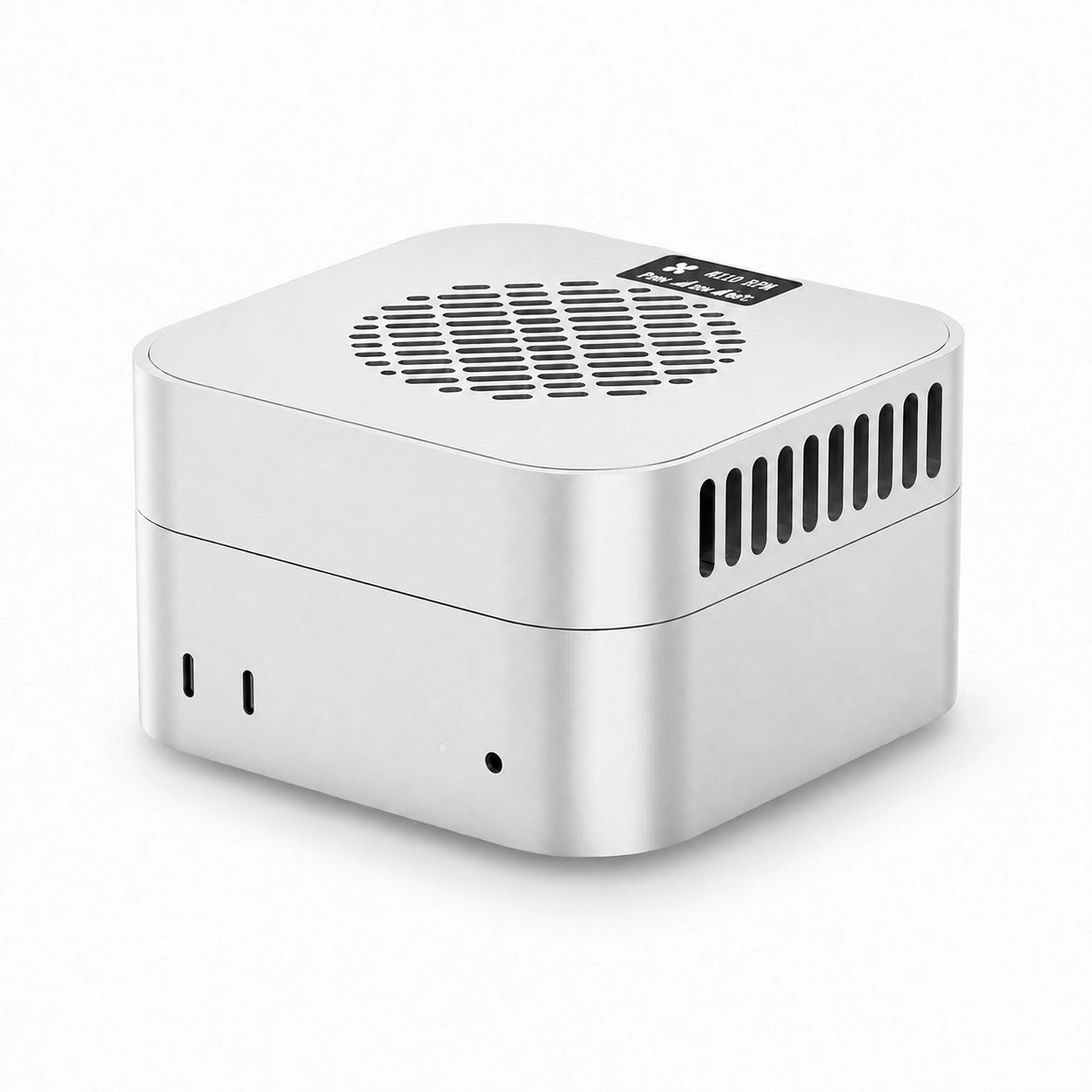
Building a wider Apple desk setup? The Mac accessory below is a separate workspace option.
When should you contact support?
If charging remains unusually slow at a low battery level with a cool phone, no case and a known compatible power source, try another supported charger. If possible, also test the suspect charger with another compatible iPhone.
Contact the charger manufacturer when the problem follows the accessory. Contact Apple when it follows your phone across compatible chargers. Include the model markings, adapter output label, iOS version, starting battery level and your comparison results.
FAQ
Does the MagSafe animation prove I am getting 25W?
No. Treat the animation as connection feedback, not a calibrated power measurement. Check the hardware specification and compare charging under consistent conditions.
Why does the charging icon appear but my battery barely increases?
The phone may be using much of the incoming energy, or charging may be reduced by temperature or battery state. Compare a screen-off session before deciding that the charger has failed.
Will an iOS update turn my 15W charger into a 25W charger?
An update cannot add missing charger hardware capability. Follow the manufacturer's software requirements, but verify the charger's rated output before expecting a higher charging class.
Is Low Power Mode required for fast MagSafe charging?
No special Low Power Mode requirement is listed in Apple's MagSafe setup guidance. For a useful comparison, reduce active workload and lock the screen; changing a mode is not proof of a higher wireless rate.
Should I buy 100W power for a 25W wireless charger?
Choose an adapter that meets the wireless charger's input requirements. Extra capacity can be useful for other devices, but it does not increase the charger's supported wireless output.
Related reading
- iPhone 18 Pro Max MagSafe: 15W vs 25W vs cooled Qi2.2 test
- Do old MagSafe and Qi2 chargers work with iPhone 18 Pro Max?
- iPhone 18 Pro charger guide: 20W, 30W, 60W, AVS and Qi2
- iPhone 18 Pro Max Charging On Hold: causes and fixes
- 140W PD vs 60W AVS: the wired charging comparison
- Best MagSafe charger stands for iPhone 18 Pro Max and iPhone Duo
- How to protect iPhone 18 Pro Max battery health
- Best magnetic car mount charger for iPhone 18 Pro Max
Updated October 7, 2026. Official specifications, ZEERA's previously published charging sessions and the practical comparison procedure are identified separately above. Actual charging performance varies with the phone, charger, adapter, software, battery state and environment.