Updated: August 28, 2026
The iPhone 18 Pro Max is positioned to deliver the longest battery life of any iPhone. The U.S. eSIM-only model is reported to carry the largest battery, while the 2nm A20 Pro chip should use substantially less power for the same work. Together, these are compounding gains—not a routine one-year upgrade.

If you ask, “Which iPhone will have the best battery life?” the iPhone 18 Pro Max is the clear answer for 2026.
The reason is bigger than battery capacity alone. Apple is combining more stored energy with a more efficient chip and a U.S. design that no longer needs space for a physical SIM tray.
That could create a much wider endurance lead than we normally see between two iPhone generations.
Will the iPhone 18 Pro Max Have the Best Battery Life Ever?
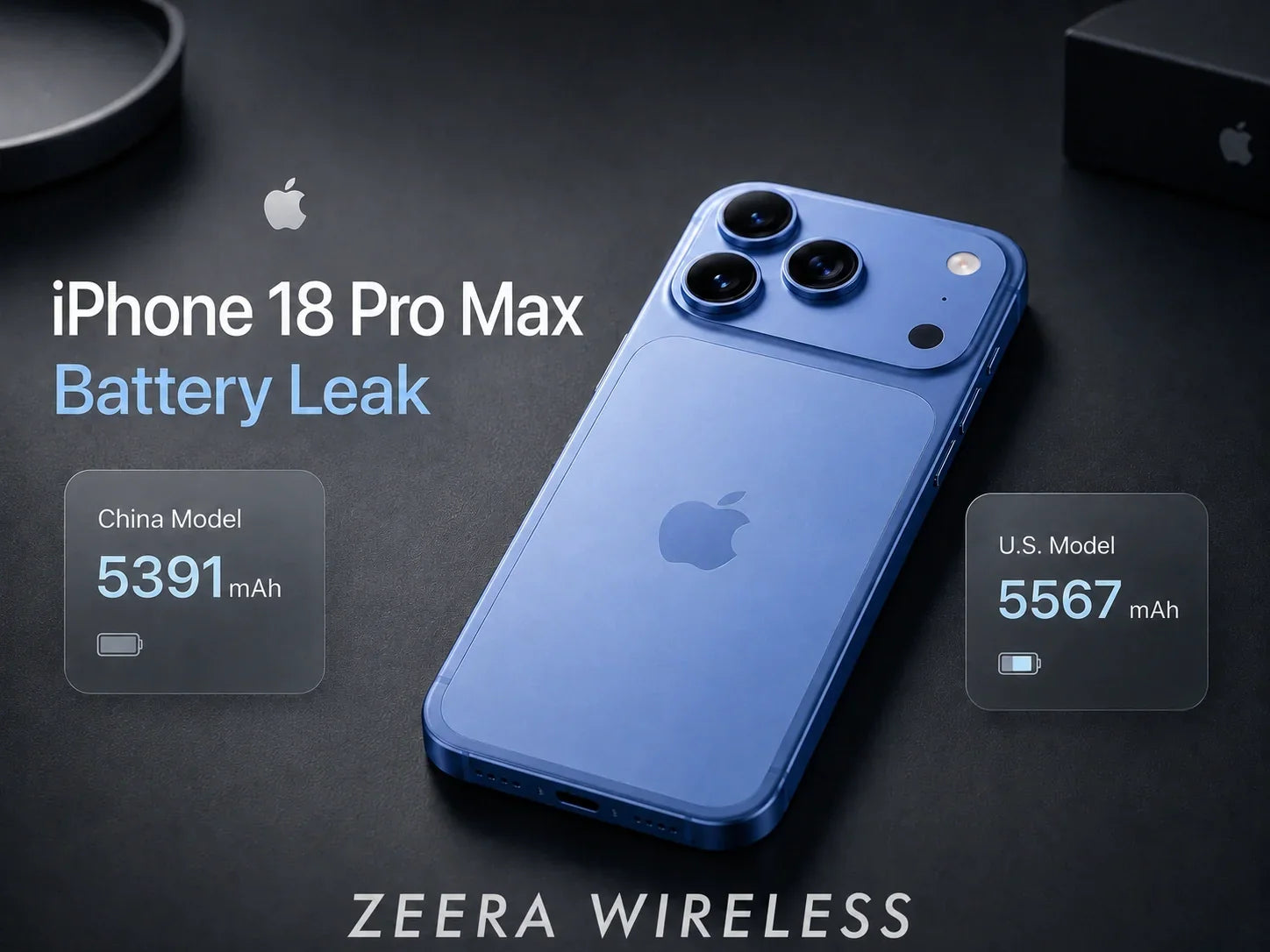
Yes. Battery figures reported from regulatory filings point to a 5,567mAh battery in the U.S. eSIM-only iPhone 18 Pro Max, compared with approximately 5,391mAh in the version designed for markets that retain a physical SIM.
The reported U.S. capacity would be the largest ever fitted to an iPhone. It would also be about 8.5% larger than the reported U.S. iPhone 17 Pro Max battery.
Capacity does not translate into the same percentage increase in screen-on time. Displays, cameras, cellular radios and on-device AI all consume power. But starting with a substantially larger energy reserve gives Apple more room than a software-only efficiency update.

Why the U.S. eSIM Model Should Last the Longest
A physical SIM system needs a tray, reader and internal structural space. The U.S. iPhone uses eSIM instead, allowing Apple to repurpose some of that volume.
For the iPhone 18 Pro Max, that recovered space is reportedly being used for a larger battery. The difference between the reported 5,567mAh U.S. model and 5,391mAh physical-SIM model is 176mAh, or about 3.3%.
| iPhone 18 Pro Max version | Reported battery | Why it differs | Expected result |
|---|---|---|---|
| U.S. eSIM-only | 5,567mAh | No physical SIM tray | Best potential endurance |
| Physical-SIM market version | 5,391mAh | Space retained for SIM hardware | Still record-class iPhone capacity |
This does not make eSIM itself more power-efficient. The benefit comes from the internal space saved by removing the physical SIM hardware.

How the 2nm A20 Pro Changes the Battery-Life Equation
The A20 Pro is expected to be Apple's first iPhone chip manufactured on a 2nm-class process. That matters because a smaller, more advanced transistor design can complete the same task with less energy.
TSMC's N2 technology introduces nanosheet transistors and full-node improvements in power and performance. Technical disclosures for N2 cite up to roughly 25% to 30% lower power at the same speed compared with N3E.
That figure describes the chip-manufacturing process—not a promise that the complete iPhone will last 30% longer. Apple may spend some of the efficiency gain on faster graphics, cameras and on-device AI.
Even so, the A20 Pro should need less energy for ordinary tasks such as messaging, browsing, photo processing and background work. When that efficiency is paired with a 5,567mAh battery, the improvement can feel much larger than either upgrade would deliver alone.
The battery-life advantage in one line:
Larger battery + extra eSIM space + 2nm efficiency + iOS 27 power management = the strongest endurance formula Apple has put into an iPhone.


Why the Lead Could Feel Like a Generational Jump
Most annual iPhone battery gains come from one main change: a slightly larger cell, a more efficient chip or better software scheduling.
The iPhone 18 Pro Max brings all three together. That is why its lead could be “cliff-like” in real use, especially against smaller Pro models and older iPhones.
Users most likely to notice the difference:
- Travelers using cellular data, maps and the camera all day
- Drivers running navigation, wireless CarPlay and charging together
- Creators recording long 4K videos or editing on the phone
- Gamers and users running sustained AI-assisted workloads
- Anyone moving from a standard-size or older iPhone
For most buyers, the practical benefit should be less battery anxiety late in the day. For heavy users, it could mean finishing a demanding day without needing an emergency top-up.
Protect the Battery From Day One—Heat Matters Most
A record-size battery can still age faster when it is repeatedly charged at high temperatures.
Apple's battery guidance says ambient temperatures above 95°F (35°C) can permanently damage battery capacity, and charging in hot conditions can cause further damage.
The risk is highest when charging overlaps with other heat-producing tasks. GPS navigation, wireless CarPlay, direct sunlight, gaming, video recording and fast wireless charging can all raise temperature at the same time.

Six habits that support long-term battery health
- Avoid charging in direct sunlight. In a car, position the phone away from the hottest area of the windshield.
- Use a charge limit that fits your day. An 80%, 85% or 90% limit reduces time spent at a very high state of charge when you do not need maximum range.
- Keep Optimized Battery Charging enabled. It reduces unnecessary time at 100% by learning your routine.
- Manage heat during demanding use. Active cooling is especially useful when navigation and wireless charging run together.
- Check MagSafe alignment. A correctly positioned magnetic ring keeps the charging coils aligned and avoids avoidable inefficiency.
- Remove a heat-trapping case when necessary. If the phone becomes unusually hot, let it cool before continuing.
Protection should also cover everyday drops and scratches. Explore ZEERA iPhone 18 Pro Max Cases for MagSafe-compatible options designed around the new phone.

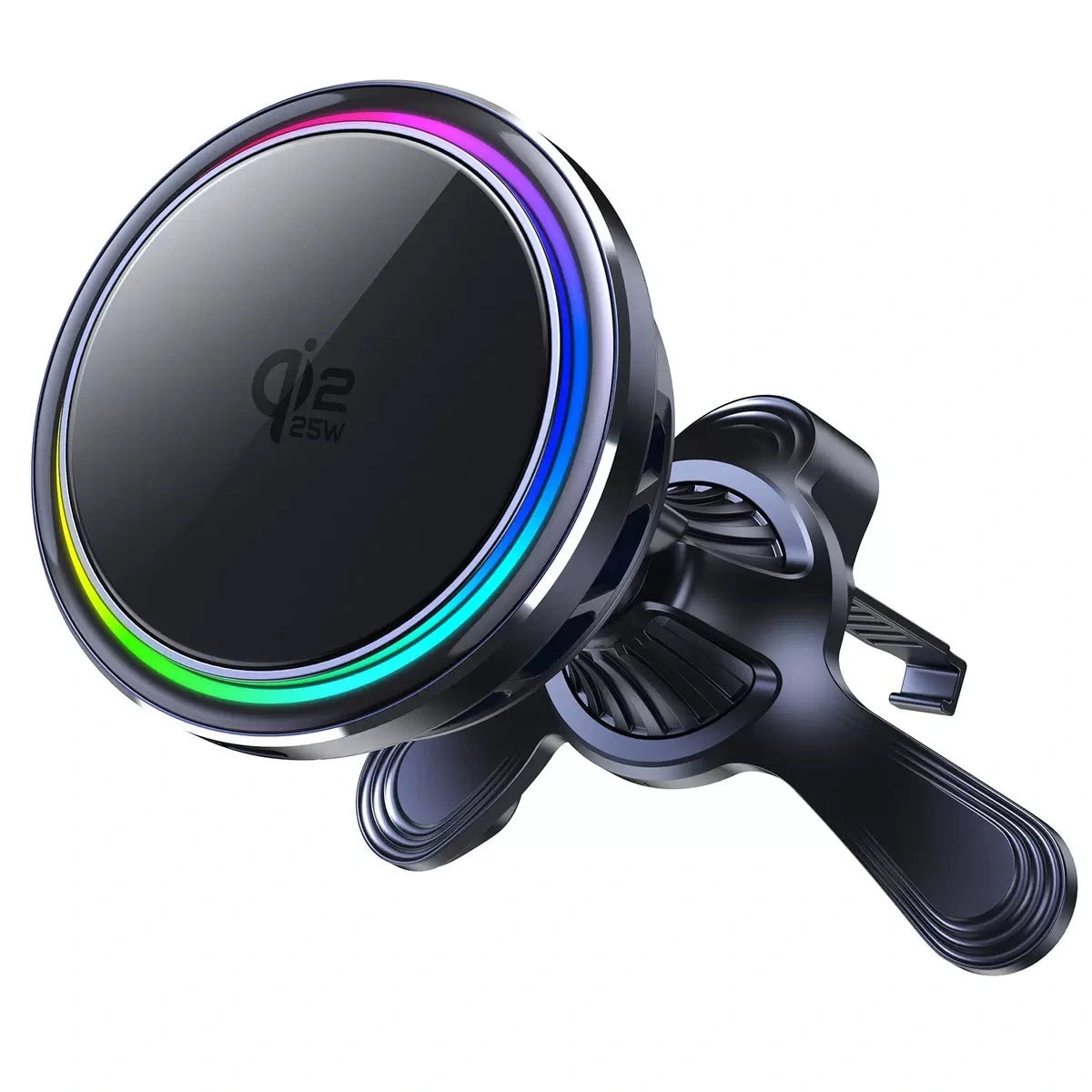
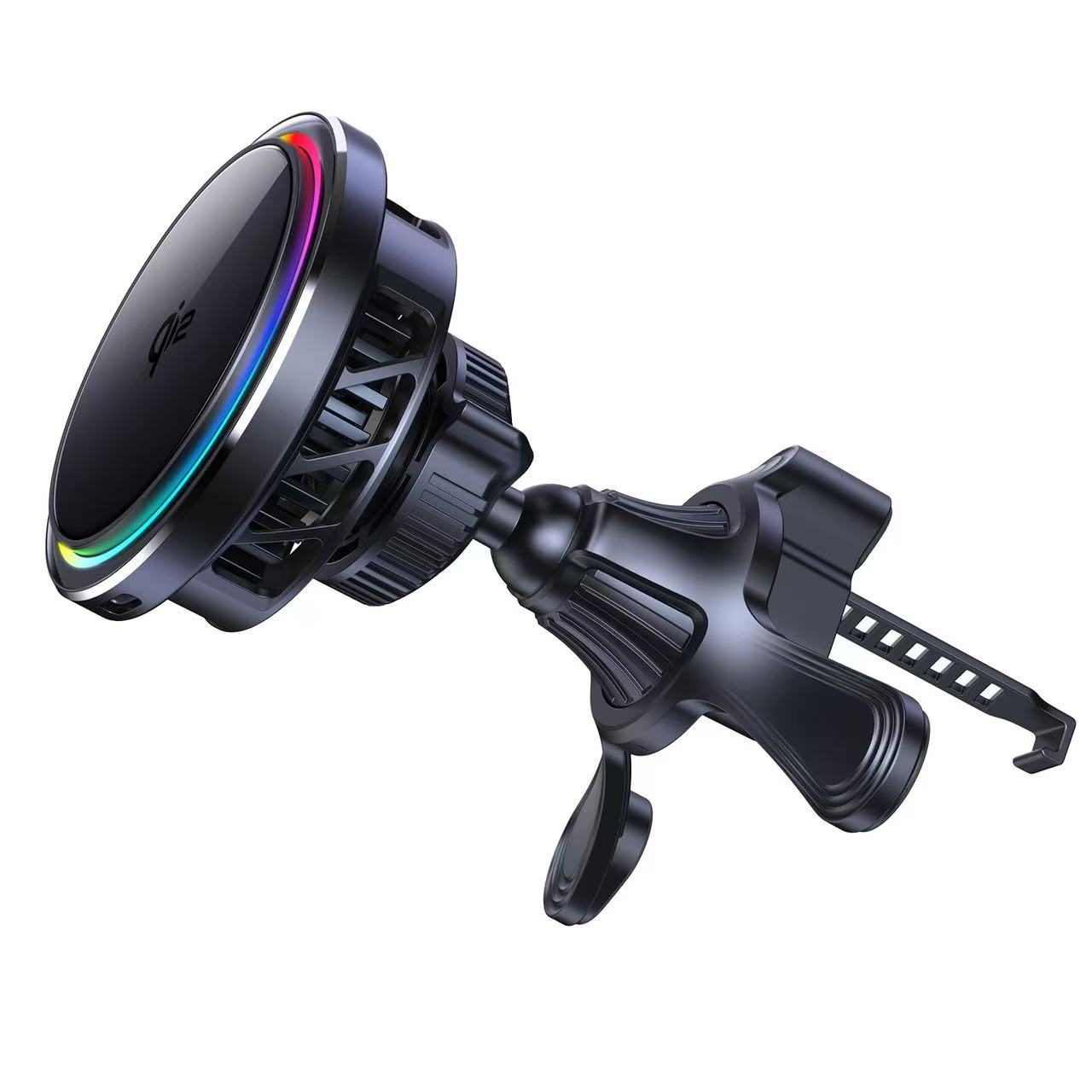
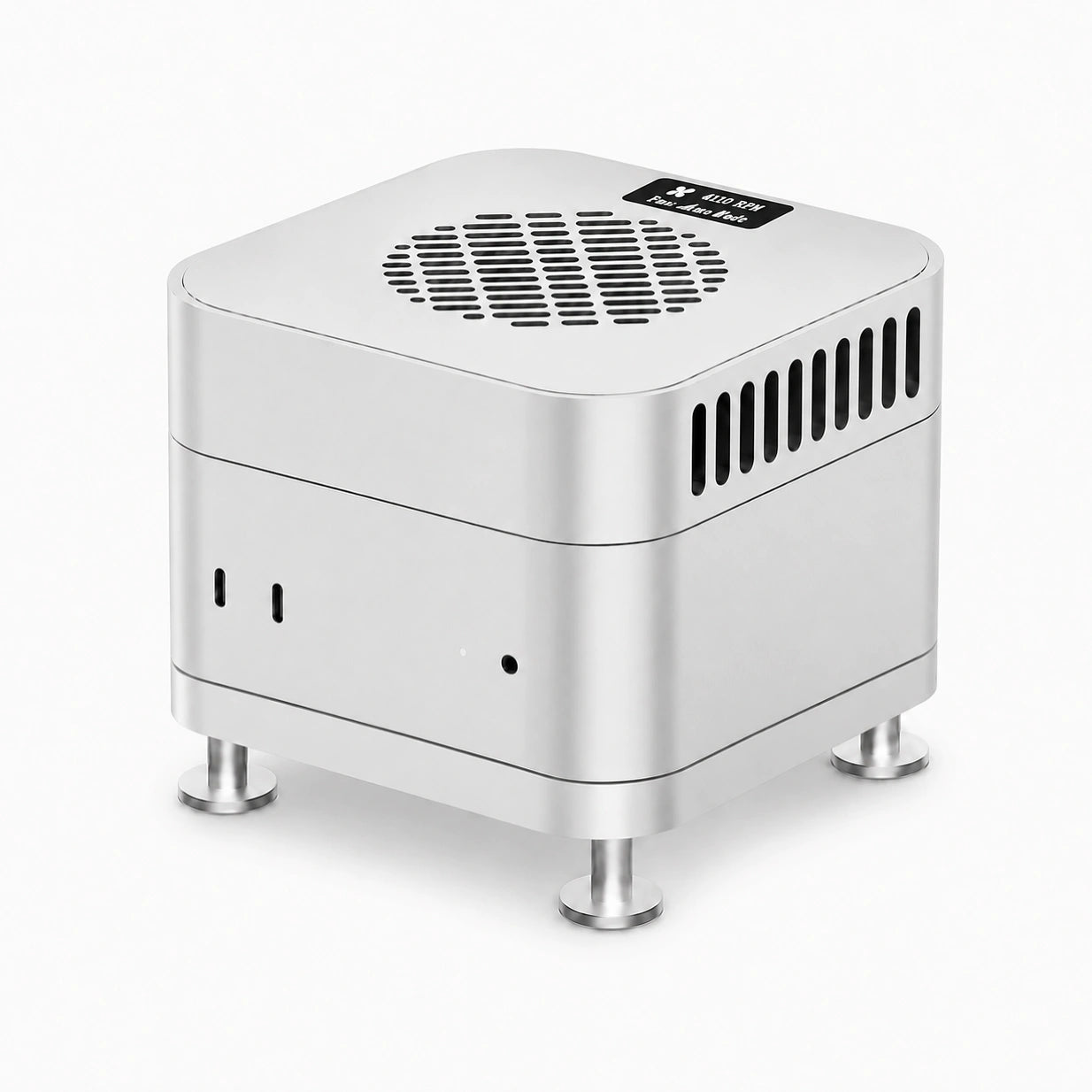
ZEERA SuVolt Gen5 Qi2.2 25W Active Cooling Car Charger
SuVolt Gen5 combines fast magnetic charging with semiconductor active cooling. It is built to control charging heat during navigation, CarPlay and long drives—exactly when an iPhone is most likely to become hot.
Its secure magnetic hold, adjustable viewing angle and quiet cooling system make it a practical day-one charging upgrade for the iPhone 18 Pro Max.
Shop NowShould You Buy the iPhone 18 Pro Max for Battery Life?
Yes—if maximum endurance is your priority, the U.S. eSIM-only iPhone 18 Pro Max should be the strongest choice in the lineup.
Its advantage is not based on one headline number. It combines Apple's largest reported iPhone battery with additional eSIM-derived internal space and the biggest process-node efficiency change in years.
Just remember that long runtime and long battery lifespan are different. The first comes from the phone's hardware and software. The second depends heavily on how often the battery is exposed to heat while charging.
FAQ
Which iPhone 18 model will have the best battery life?
The iPhone 18 Pro Max, especially the U.S. eSIM-only version, is expected to deliver the longest battery life because it combines the largest battery with the 2nm A20 Pro chip.
What is the iPhone 18 Pro Max battery capacity?
The latest reported capacities are 5,567mAh for the U.S. eSIM-only model and approximately 5,391mAh for a physical-SIM market version.
Why does the U.S. iPhone 18 Pro Max have a bigger battery?
Removing the physical SIM tray and related hardware frees internal space. Apple can use part of that space for a larger battery.
Will the 2nm A20 Pro make battery life 30% longer?
Not necessarily. The manufacturing process can use much less power at the same performance, but total iPhone battery life also depends on the display, modem, cameras, AI workloads and Apple's performance targets.
Does MagSafe charging damage iPhone battery health?
MagSafe is designed for normal charging. The key issue is prolonged heat, not magnetism. Good alignment, sensible charging limits and temperature management can support better long-term battery care.
How does SuVolt Gen5 help protect an iPhone battery?
SuVolt Gen5 uses active semiconductor cooling to help manage heat during wireless charging. This is particularly valuable in a hot car while navigation or CarPlay is running.
Related Reading
Sources: Apple battery guidance, TSMC 2nm technology overview, and regulatory battery-capacity reporting available as of August 28, 2026.