Updated: September 6, 2026
An iPhone gets hot when the processor, battery, display, camera or wireless radios use enough power that the phone produces heat faster than it can release it. Mild warmth during charging, gaming, navigation, video recording, a software update or a new-phone restore is usually normal.
It becomes a concern when the iPhone is too hot to hold comfortably, shows a temperature warning, repeatedly pauses charging, shuts down, or stays hot during light use.
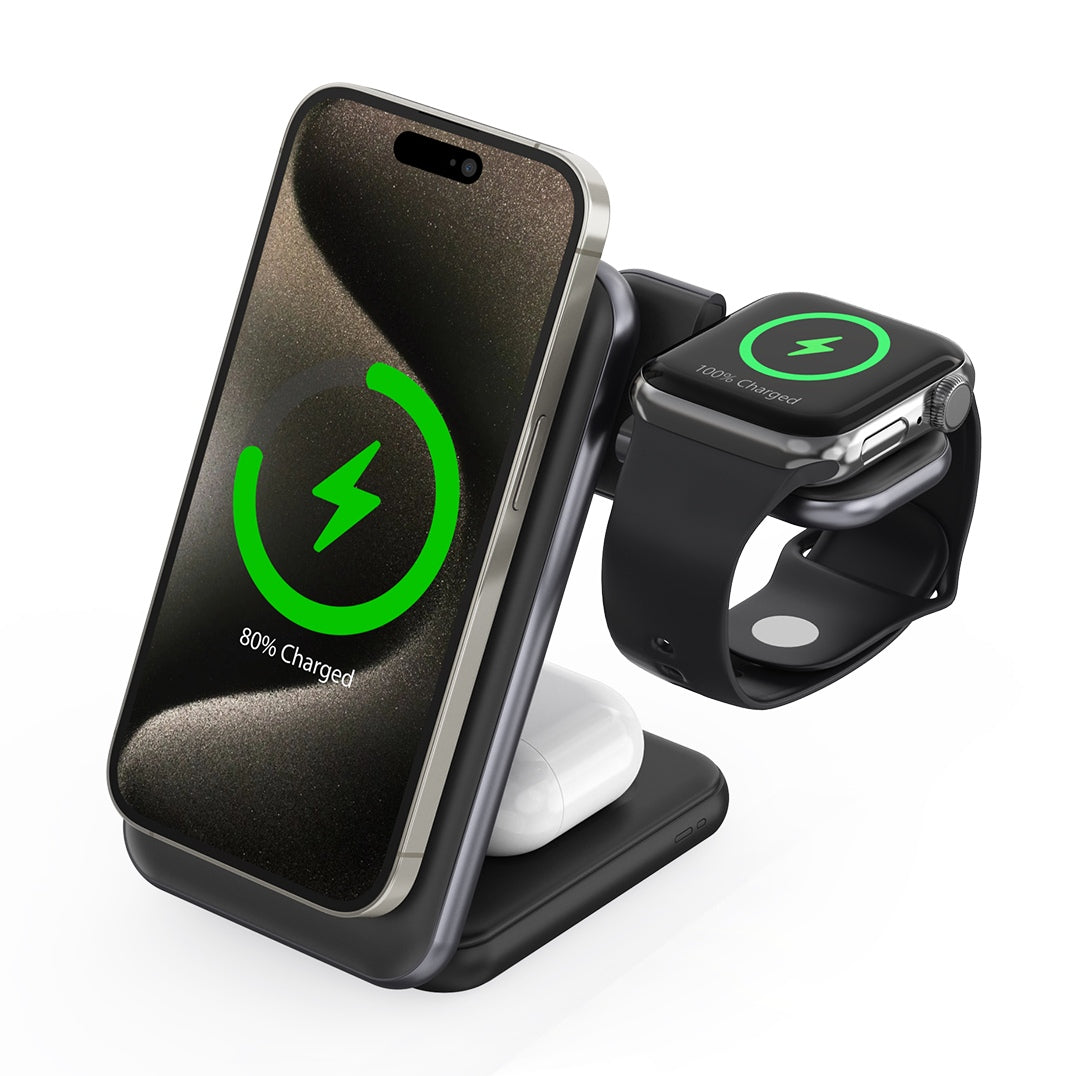
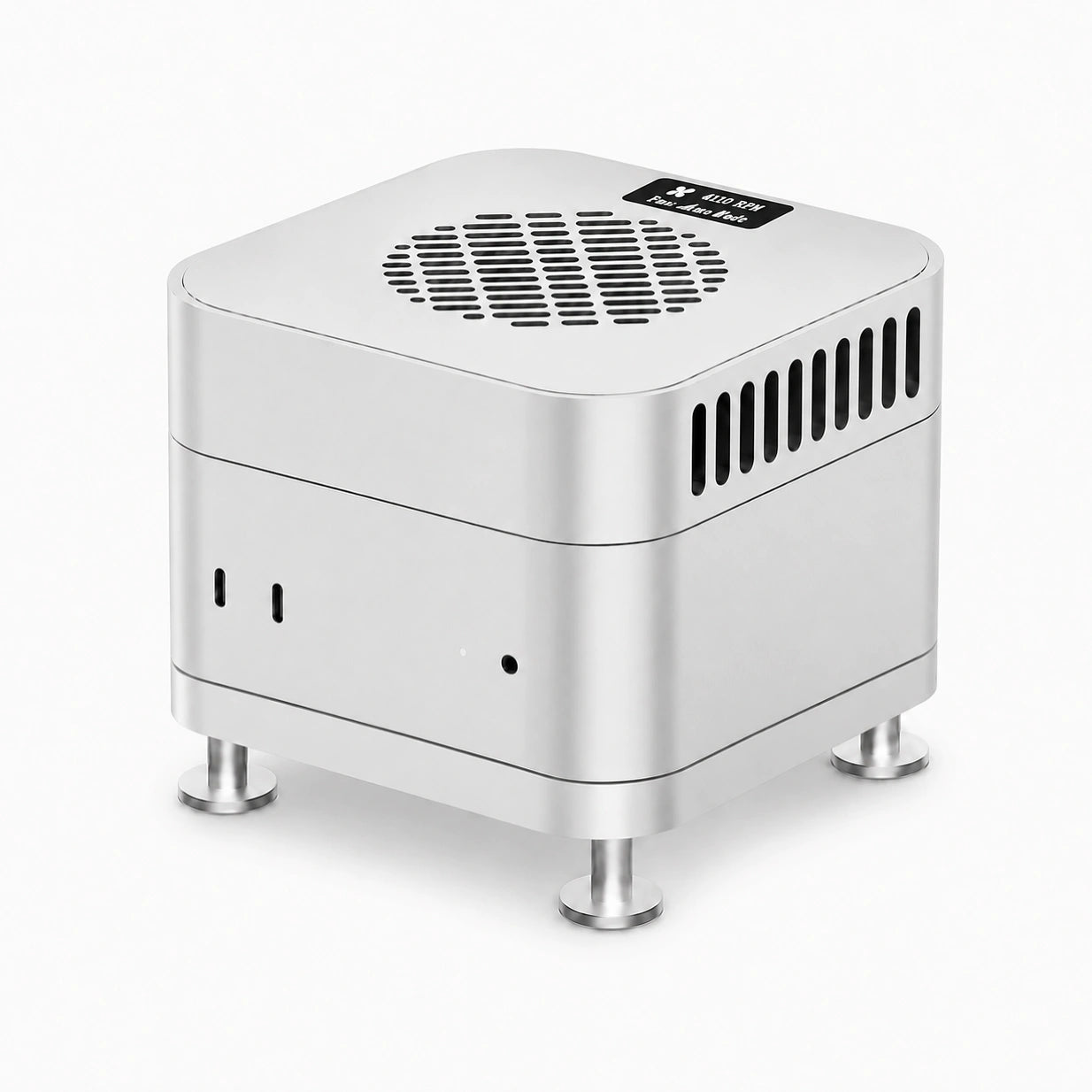
For heat-heavy charging, ZEERA SuVolt Gen5 is designed for active cooling in the car, while the foldable ZEERA MagTri Gen2 adds active cooling for desk, bedside and travel charging. A cooled charger can reduce charging-related heat, but it cannot repair a faulty battery or stop heat created by a misbehaving app.
Why Does an iPhone Get Hot in the First Place?
Your iPhone does not need to be broken to feel hot. Almost every demanding action inside the phone converts some electrical energy into heat.
The A-series chip creates heat while processing games, photos, video, Apple Intelligence tasks and app activity. The battery creates heat while delivering or receiving power. The screen, cellular modem, Wi-Fi, GPS and camera system add their own load.
The aluminum, titanium or glass that you touch is also part of the heat path. When internal components move heat toward the frame and back panel, the outside of the iPhone can feel warm even though the cooling system is working as intended.
A warmer surface does not always mean worse cooling. A phone that spreads heat efficiently may feel warm across a larger area instead of concentrating it beside the processor. What matters is the situation, how long the heat lasts and whether iOS begins limiting features.
Apple says an iPhone may normally become warmer during first-time setup, backup restoration, a major software update, wireless charging, processor-intensive apps, camera use and high-quality video streaming. In those situations, it should cool after the task ends.
Is My iPhone Warm or Actually Overheating?
“Hot” is subjective. One person may describe normal charging warmth as hot, while another may ignore a device that is already reducing performance.
The iPhone feels warm during a demanding task, remains usable, shows no temperature warning and cools down after the activity finishes.
The display dims, charging slows or stops, performance drops, the camera flash is disabled, a temperature alert appears, or the phone shuts down.
Apple designs iPhone for use in ambient temperatures from 32° to 95°F (0° to 35°C). A hot car or direct summer sunlight can push the phone beyond that range before you even open an app.
When internal temperature rises too far, iOS may slow or pause wired and wireless charging, dim the screen, reduce cellular power, lower frame rates or temporarily disable camera functions. Those changes are protective behavior, not necessarily evidence that the phone has failed.
Why Is My iPhone Hot? The Most Common Causes
1. Your iPhone gets hot while charging
Charging is a power-conversion process, so some warmth is expected. Fast charging can create more heat during the high-power part of the session, especially when the battery is low.
Wireless charging adds another conversion step between the charger and the phone. Poor magnetic alignment, a thick or incompatible case, a warm room, or using the phone while it charges can increase heat further.
If your iPhone says Charging On Hold, do not keep moving it on and off the charger. Put it in a cooler place and allow the battery to return to a normal temperature. Charging should resume automatically.
2. Gaming, video recording and AI workloads are pushing the chip
High-frame-rate games can load the CPU and GPU continuously. Recording 4K video adds camera processing, image stabilization, display activity and storage writes at the same time.
Long FaceTime calls, livestreaming, photo editing and on-device AI tasks can also make an iPhone hot because the processor, radios and screen stay active together.
The clearest clue is timing: if the iPhone cools within a reasonable period after the app closes, the heat was probably workload-related.
3. A new iPhone is restoring, indexing or updating
A new iPhone 18 Pro oriPhone Duo may feel hot during Quick Start even if setup appears to be finished. Apps can still be downloading while Photos analyzes images, Messages syncs, Spotlight rebuilds its index and iCloud restores data.
A major iOS 27 update can trigger similar background work. Temporary heat and battery drain during the first hours are common. The important sign is that both should trend downward as indexing and synchronization finish.
If setup heat is your main concern, see our detailed guide to iPhone 18 Pro andiPhone Duo data-transfer heat.
4. Navigation, 5G and weak signal are working together
GPS navigation keeps the location system, display, processor and data connection active. Wireless CarPlay, music streaming and wireless charging can run at the same time.
A weak cellular signal makes the modem work harder to maintain a connection. That is why an iPhone can become hot and lose battery quickly on a rural drive, inside a parking garage or on a crowded network even when you are not gaming.
Direct sunlight through a windshield adds external heat to the internal workload. This combination makes the car one of the most difficult thermal environments for any iPhone.
5. A background app or software process is stuck
If your iPhone gets hot when you are not using it, something may still be working in the background. Photo uploads, navigation, location access, cloud syncing, a stalled download or an app bug can keep the processor and radios awake.
Open Settings > Battery and review activity for the last 24 hours. Look for an app with unusually high background usage or screen-off activity. Also check whether poor cellular coverage appears during the same period.
Restarting the iPhone can stop a stuck process. Updating iOS and the affected app may help if the problem is software-related. Force-closing every app routinely is not necessary, but closing a clearly frozen or misbehaving app is reasonable.
6. The display is bright for a long time
Maximum brightness uses more power and can add heat, especially outdoors. The effect becomes stronger when brightness is combined with the camera, GPS or a game.
If the display suddenly dims even though brightness is set high, the iPhone may be reducing screen output to control temperature. Move into shade and reduce the active workload.
7. The environment is already too hot
An iPhone cannot cool below the temperature of the air around it without active cooling. A thick blanket, closed bag, sunlit dashboard or hot parked car makes passive heat release much harder.
Never leave an iPhone charging under a pillow. Do not put a hot iPhone in a refrigerator or freezer either; rapid temperature change can create condensation inside the device.
8. The case or charging alignment is trapping heat
A case does not automatically cause overheating. However, a very thick or poorly fitted case can slow heat transfer, and a non-magnetic case can prevent accurate coil alignment during wireless charging.
If the phone repeatedly becomes hotter with one specific case or charger, test the same task without the case in a cooler room. This simple comparison helps separate a case or alignment problem from app-related heat.
9. The battery, charging port or hardware needs attention
Heat during basic tasks is less normal when it continues after updates, restarts and background activity have settled. A degraded or damaged battery, contaminated charging port, liquid damage or another hardware fault may be involved.
Check Settings > Battery > Battery Health for a service recommendation. Stop using the iPhone and charger if you notice battery swelling, a lifting display, a chemical smell, smoke, liquid damage or a connector that becomes painfully hot.
Why Is the Top, Back or Bottom of My iPhone Hot?
The location of the heat can provide a clue, but it is not a diagnosis by itself.
The processor and camera system may be active. Gaming, camera use, video calls, AI processing and background indexing are common triggers.
The battery and charging coil are receiving power. Some warmth is normal; poor alignment, a thick case or simultaneous heavy use can make it worse.
Stop charging if the connector is unusually hot. Inspect the cable and adapter, and check the port for moisture or debris without inserting metal objects.
The chassis may be spreading heat from a sustained workload. Check whether performance, charging or the display is being limited.
Will iPhone 18 Pro andiPhone Duo Run Cooler?
They may manage heat better, but better cooling does not mean they will never feel hot.
As of September 6, 2026, Apple has not officially announced the iPhone 18 Pro or the foldable model widely callediPhone Duo. The details below remain pre-release reports, not confirmed specifications.
What may change with iPhone 18 Pro
The iPhone 18 Pro is expected to use an A20 Pro chip made with a 2 nm process. Reports also point to a wafer-level multi-chip module design that places the processor and memory side by side rather than stacking them in the previous way.
That architecture could improve the path for heat to leave the chip package. The Pro models are also expected to continue using vapor-chamber cooling and an aluminum structure to spread heat across a larger area.
These changes could improve sustained performance during gaming, camera use and on-device AI. They cannot eliminate the heat created by high power use, wireless charging, direct sunlight or a hot car.
WhyiPhone Duo has a different heat challenge
The foldableiPhone Duo is rumored to be extremely thin when open. A thin body leaves less internal volume for heat spreading, while a large display, multitasking and two battery sections can create sustained demand.
A pre-release report says Apple may use a vapor chamber in theiPhone Duo despite the thin design. If accurate, it would move heat away from concentrated hotspots and distribute it through more of the chassis.
The result may be a phone that maintains performance better but still feels warm across a broad surface. Folded and unfolded use could also feel different because the exposed surface area, workload and charging position change.
Important: Do not judge iPhone 18 Pro oriPhone Duo overheating from mockups or specifications alone. Real thermal behavior depends on production hardware, iOS 27, app optimization, ambient temperature and how the device charges. Independent testing after release will matter more than any cooling-system name.
How Do I Cool Down an iPhone Safely?
- Move it out of sunlight or a hot car. Ambient temperature is the first problem to remove.
- Pause charging if the phone is already very hot. Let iOS resume charging after the battery cools.
- Stop the heaviest task. Close the game, camera, navigation or video app that caused the temperature rise.
- Remove a thick case temporarily. Place the phone on a dry, hard surface with airflow around it.
- Reduce screen brightness. Low Power Mode can also reduce some background demand while the phone cools.
- Restart if heat continues during light use. This can clear a stalled app or system process.
- Check Battery settings. Look for unusual background activity, rapid drain or a battery service message.
Do not pour water on the phone, place it on ice or put it in a freezer. Rapid cooling can introduce condensation and create a new problem.
How Can I Find Out What Is Making My iPhone Hot?
- Hot only while charging: Test another certified cable, adapter or correctly aligned magnetic charger.
- Hot after an update: Give background indexing time to finish, then compare battery activity the next day.
- Hot when not in use: Check screen-off and background activity in Settings > Battery.
- Hot in the car: Separate sunlight, navigation, weak signal, CarPlay and charging as possible causes.
- Hot in one app: Update the app, restart the iPhone and compare with similar apps.
- Hot during all light tasks: Check battery health and arrange a hardware inspection if it continues.
If heat started immediately after installing one app, enabling an always-on location feature or changing a charger, reverse that change and test again. Changing one variable at a time gives you a clearer answer than switching several settings together.
For an iPhone that is both hot and losing charge quickly, Battery settings are especially useful. High battery consumption and heat are often two signs of the same power-hungry process.
Can Active Cooling Help an iPhone Charge Without Getting So Hot?
Active cooling can help when charging itself is part of the heat problem. A semiconductor cooler pulls heat from the contact area instead of relying only on passive airflow.
This is most useful during long wireless-charging sessions, navigation, travel, data transfer or other situations where the phone must stay powered while it is working.
Cooling does not override the iPhone's safety controls or force the phone to accept maximum power. The iPhone still decides its charging rate based on model, battery level, software and temperature.
When Should I Stop Troubleshooting and Contact Apple?
Arrange service if the iPhone repeatedly becomes very hot during basic use after software updates and background activity are complete.
You should also seek help if the phone shuts down unexpectedly, shows repeated temperature warnings in a normal room, drains unusually fast while idle, will not charge with known-good accessories or shows a battery service message.
Stop using it immediately if the battery swells, the display lifts, the device emits smoke or odor, or the phone or charging connector becomes painful to touch. Disconnect power if it is safe to do so and contact Apple or an authorized service provider.
Bottom Line
An iPhone gets hot because its components are using and moving energy. Charging, gaming, camera use, navigation, weak signal, setup and background processes are the most common causes.
Warmth that ends with the task is usually normal. Heat that appears during light use, triggers protection features or persists without a clear workload deserves investigation.
The expected cooling upgrades in iPhone 18 Pro andiPhone Duo may spread heat and sustain performance more effectively. They will not repeal the physics of a powerful phone in a thin body—especially when high-power tasks and charging happen together.
FAQ
Why does my iPhone get hot for no reason?
It may be syncing photos, updating apps, indexing after an iOS update, using location services or struggling with weak cellular signal in the background. Check Settings > Battery for unusually high background or screen-off activity.
Why is my iPhone hot when I am not using it?
A background process may still be using the processor, storage, GPS or cellular modem. Restart the iPhone, update iOS and apps, and review Battery activity. Persistent idle heat with rapid battery drain can justify service.
Why does my iPhone get hot while charging?
Power conversion naturally creates heat. Wireless charging, fast charging, poor coil alignment, a thick case, heavy use and a warm room can increase it. Mild warmth is normal; repeated charging pauses or temperature warnings are not.
Does a hot iPhone damage battery health?
Brief normal warmth does not mean immediate damage. Repeated use or charging in very hot conditions can shorten battery lifespan over time, which is why Apple recommends operating iPhone between 32° and 95°F (0° and 35°C).
Why is my iPhone hot and losing battery fast?
Heat and fast drain often come from the same high-power activity, such as gaming, camera use, poor signal, navigation, syncing or a stuck app. Battery settings can show which app or system activity used the most power.
Why does my iPhone get hot after an iOS update?
The phone may be optimizing apps, indexing files and photos, and resynchronizing cloud data. It should gradually cool as this work finishes. Investigate further if severe heat continues during light use after the background activity has settled.
Will iPhone 18 Pro overheat less?
Pre-release reports suggest improved chip packaging and vapor-chamber cooling may help the iPhone 18 Pro spread heat and sustain performance. Apple has not yet confirmed the final hardware, and demanding tasks can still make any iPhone warm.
Will the foldableiPhone Duo get hot?
It can. A thin foldable body, large display, charging and heavy multitasking will still produce heat. A rumored vapor chamber may improve heat distribution, but real behavior cannot be judged until production devices are tested.
Can I put a hot iPhone in the refrigerator?
No. Rapid cooling can cause condensation. Stop heavy use and charging, move the iPhone to a shaded room-temperature location, remove a thick case and let it cool naturally.
Sources: Apple Support: iPhone operating temperature and thermal protection; Apple Support: iPhone charging speeds and temperature; MacRumors: reportediPhone Duo vapor-chamber cooling; AppleInsider: iPhone 18 Pro rumor roundup.